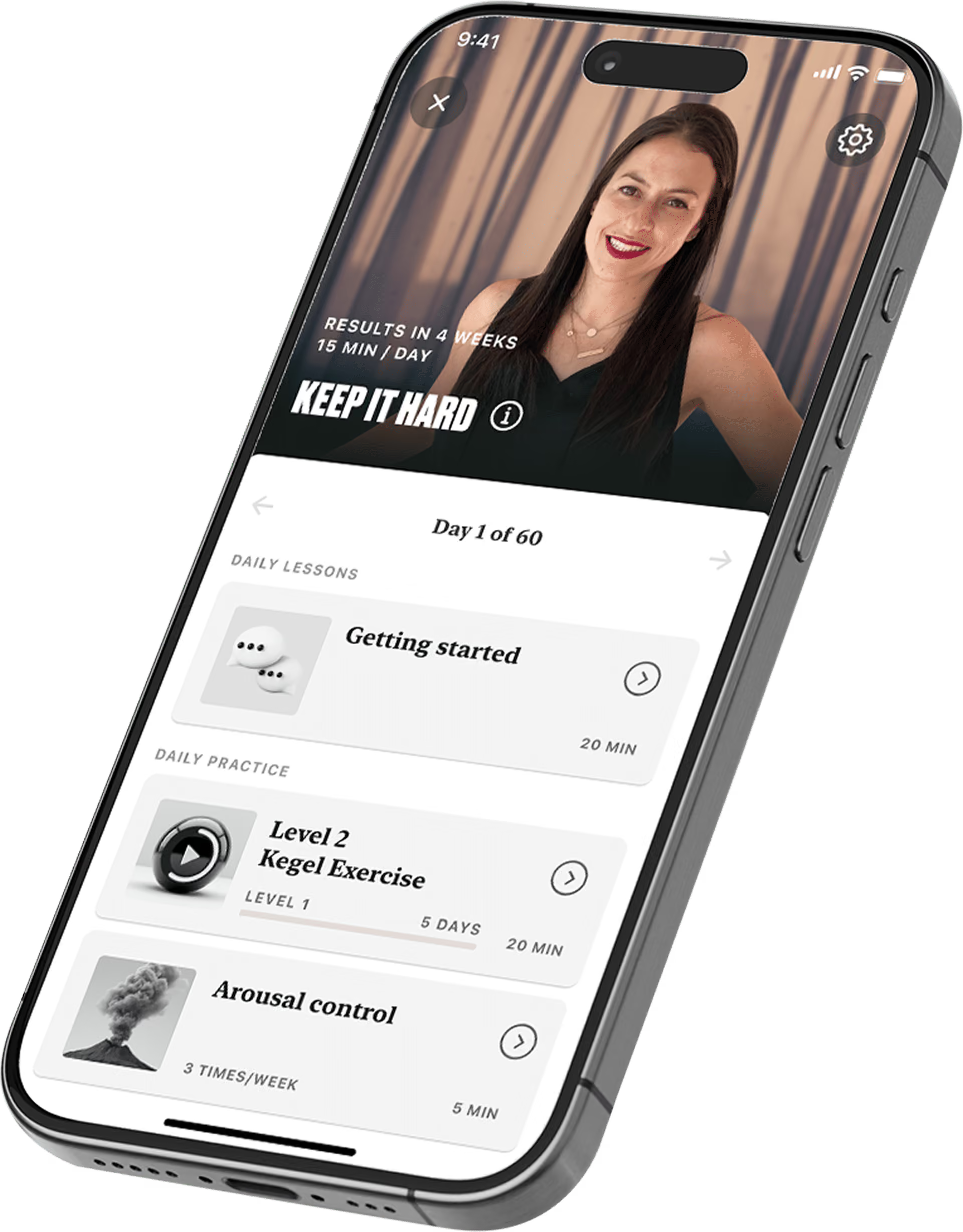
Yes. Smoking is a well-known risk factor for erectile dysfunction (ED). An erection depends on blood flowing into the penis, and smoking damages the blood vessels that carry it: nicotine narrows them, and over the years smoking makes arteries stiffer and narrower. The more you smoke and the longer you’ve smoked, the higher the risk. Quitting gives your blood vessels a chance to recover. Erection problems in a smoker also deserve a doctor’s check, because they can be an early sign of heart disease. Keep It Hard, a program in The Coach app, trains the other things erections depend on: your pelvic floor, how your body handles stress and your arousal.
Answer a few questionsWhen you’re aroused, the blood vessels in your penis relax and widen, blood fills two tubes of spongy tissue, and the veins that would let it drain away are pressed shut. Smoking works against the first step, the flow of blood into the penis.
It does this in three ways, and two things add to the risk:
Other habits matter for blood flow too, and our guide to increasing blood flow to the penis covers them.
It plays a part. Nicotine narrows blood vessels and raises your heart rate and blood pressure, which works against an erection, and the other chemicals in cigarette smoke damage the vessels further. That’s why getting nicotine another way still matters for your erections:
If you’re in your 20s or 30s, our guide to erectile dysfunction in young men covers the other causes that are common at that age.
There’s no fixed timeline, and nobody can promise a full recovery. Nicotine’s narrowing effect fades soon after your last cigarette, and one small study measured stronger erections in men a few weeks after they quit. The lining of the blood vessels takes longer to recover. In a study that followed men with erection problems after they stopped smoking, erections improved over the following months for some of them, while the men who kept smoking saw no such change.
How much your erections improve, and how quickly, depends on several things:
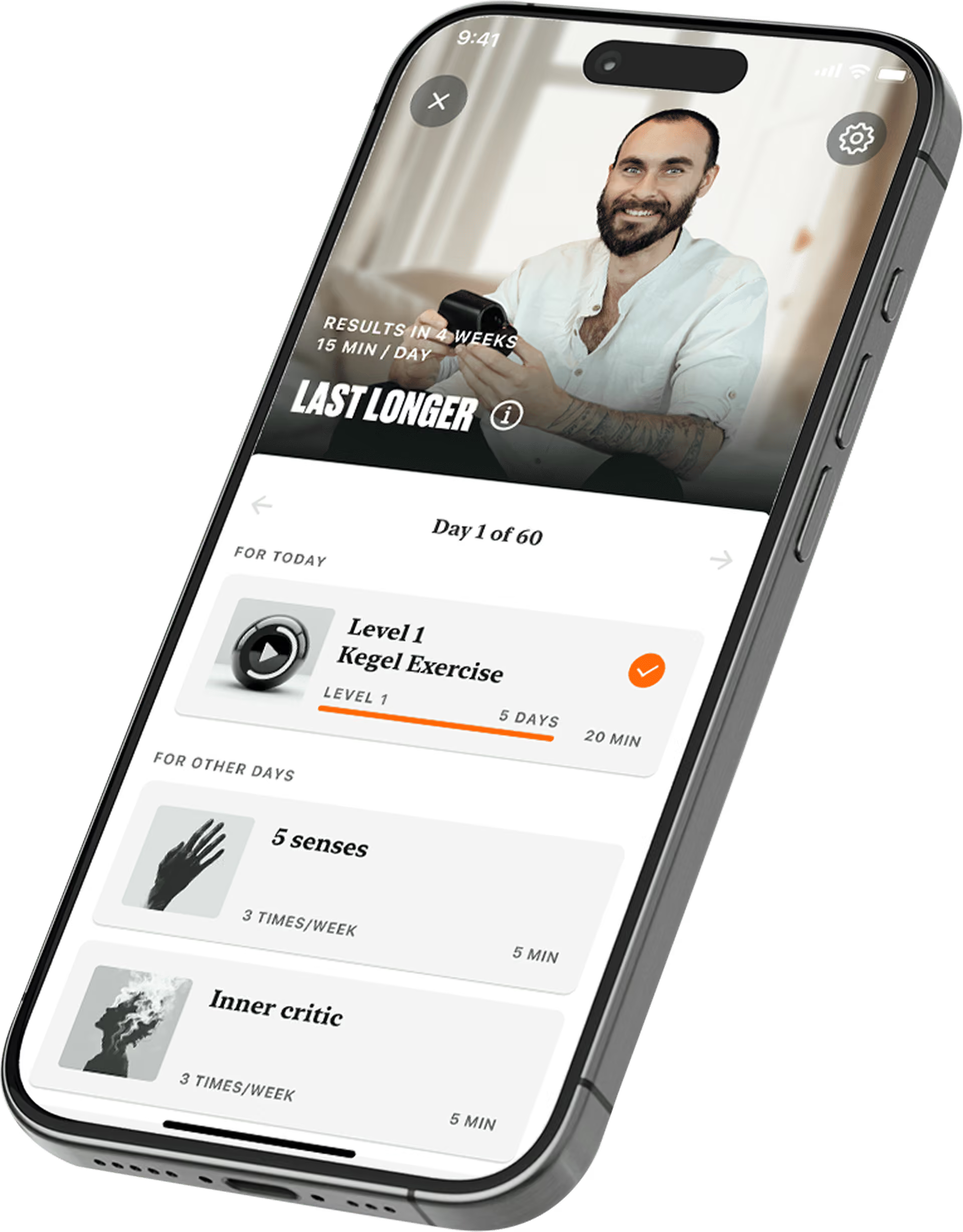
Whether or not you’ve quit, Keep It Hard helps you train the pelvic floor muscles that keep blood in the penis and calm the stress response that sends blood away from it. A few questions point you to the practices to begin with.
Most men with erection problems have more than one cause, and one often feeds another. A few disappointing nights can leave you worried about the next time, and the worry has its own effect: your brain treats it as a threat, the fight-or-flight response kicks in and blood is sent away from the penis.
Worth checking alongside smoking:
If worry has become part of the problem, our guide to psychological erectile dysfunction explains how it works and what helps.
Stopping smoking comes first, and five other habits help as well:
Stress puts your body into fight-or-flight mode, which sends blood to your arms and legs and away from your penis. Box breathing works the other way: slow, even breaths help your body relax, which matters for getting and keeping an erection. You can do it anywhere, whenever you feel tense.
Practice it three times a week for three weeks, and use it whenever you need to calm down. One round goes like this:
Keep It Hard includes box breathing, a grounding exercise for anxious moments and pelvic floor training, and adds them to your daily plan.
Habits that protect your heart also protect your erections.
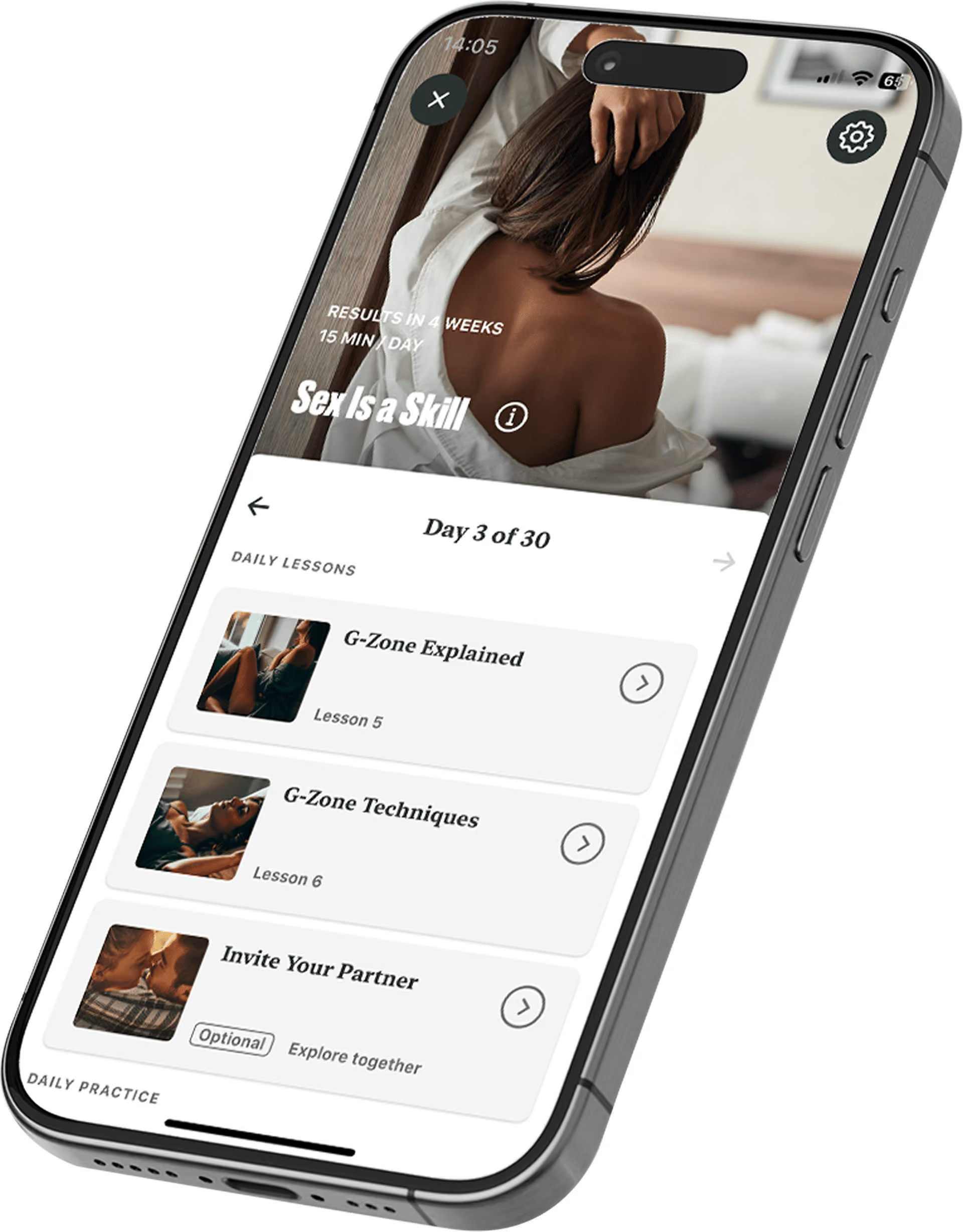
Keep It Hard isn’t a stop-smoking program. It’s for men who want stronger, more reliable erections, and it trains the other things they depend on. Its 17 lessons cover how erections work, anxiety, the pelvic floor and sex with a partner, and practice takes about 10 to 20 minutes a day.
A check for a tense or weak pelvic floor, relaxation and stretching, then Kegel training.
Breathing and grounding exercises, plus work on the self-critical thoughts that can make erections harder to keep.
An exercise in letting an erection fade and bringing it back, and one for feeling at ease with a soft penis, both done alone.
Answer a few questions to get a plan that shows which practices to start with. After that, Keep It Hard sets out what to do each day.
Smoking damages blood vessels throughout the body, not only in the penis. Erection problems can be an early warning sign of heart trouble, appearing some 3 to 5 years before any heart symptoms, so see a doctor soon after they start, even if you plan to quit. The check usually covers:
For other causes and how doctors approach them, see our guide to erectile dysfunction.
Smoking less does reduce the strain on your blood vessels, because the risk grows with the amount you smoke. Treat it as a step toward stopping, though: even a few cigarettes a day affect blood vessels.
Avoid smoking right before sex. Nicotine narrows blood vessels soon after you smoke, just when your erection needs blood flow.
When you’re ready to stop, a doctor, pharmacist or stop-smoking service can help you plan it. Many people need more than one attempt, so a slip back isn’t a reason to give up.
These figures come from a survey of The Coach users after their first four weeks. They describe what users reported, not a promise for every man.
A long-term cough, which many smokers have, can weaken the pelvic floor. Before you train these muscles, check whether they’re tense: pelvic pain, constipation, straining on the toilet, frequent or urgent urination, a slow or hesitant stream, pain when you ejaculate and pain when sitting are all possible signs. If any apply, relaxation exercises come first for three weeks; if none do, you can start strengthening right away. Pain or urinary symptoms that don’t go away are worth a doctor’s check. Keep It Hard includes both kinds of exercise, and a few questions set up your plan.
Reviews from men using the app, in their own words.
“Been using the app for a couple weeks now and if anything it has helped with my overall health. The work out does a good job at getting the blood flowing. There is lots of great information about men’s health and your sexual health.”
“This program has helped me get a harder erection without pills. I don’t have issues with pre-mature EJ. I just can’t EJ at all during intercourse but this issue is separate from this program. You have to do program everyday and there’s no quick fix. Anything thats body related takes time so stick with it.”
“I have Only Just Started this Course and Already in my first part have learned so much from it. It seems that Everyone is genuinely trying to help men, who experience ED or similar mental health issues and problems about their health. It is not all about the physical side of Yourself that stops You maybe from having temporary or permanent problems.”
“My experience with ‘The Coach’ app has been very good. The lessons and exercises have helped me tremendously. I am much more confident both within myself and also with my appearance. Intimate moments are not so anxious as before because I follow the helpful advice given in the ‘The Coach’ app.”
Keep It Hard was developed with specialists in men’s health, among them urologists, an internal medicine doctor, physical therapists, a sex therapist and a sex coach.
Gerard Greene
Specialist men's health physiotherapist and senior lecturer at Coventry University.
Dr. Susie Gronski
Licensed physical therapist, certified sexuality counselor, and founder of a men's pelvic health clinic.
Natalie Goldberg
Certified sex and family therapist dedicated to improving intimate relationships and personal well-being.
Dr. Amy Pearlman
Board-certified urologist specializing in male sexual wellness, performance, and hormonal health.
Dr. Justin Houman
MD, UCLA-trained urologist and male reproductive specialist focusing on sexual health.
Cameron Fraser
Australia's leading men's sex coach, specializing in male sexual wellness and performance.
Ben Greenfield
13-time Ironman triathlete, bestselling author, and recognized expert in health, fitness, and performance.
Dr. Gary Shlifer
DO, board-certified internal medicine physician specializing in preventative care, nutrition, and anti-aging.
It’s one of the known causes. Smoking damages the blood vessels that supply the penis, and men who smoke are more likely to develop erection problems than men who don’t, especially heavy and long-term smokers. It’s often one cause among several, so a doctor’s check is worthwhile.
It may. Most vapes contain nicotine, which narrows blood vessels, and research has found more erection problems among men who vape every day, though it can’t yet prove that vaping is the cause. If you vape and have erection problems, cutting out nicotine, moving more and seeing a doctor are sensible first steps.
It can, especially if your erection problems are mild. Quitting removes the strain on your blood vessels and gives them a chance to recover, and it lowers your risk of heart disease too. It won’t change other causes, such as stress or a weak pelvic floor, which need work of their own.
The research is mixed: some studies link regular cannabis use with more erection problems, while others find no clear link. Recreational drugs are among the known causes of erection problems, so if your erections seem weaker when you use it, cut back and see whether that changes, and mention it to your doctor if the problems continue.
The damage smoking does is physical, because it affects the blood vessels. But erection problems often have more than one cause, and worry about sex can add to them. If you still get erections in some situations, such as when you wake up or masturbate, a psychological side is likely; our guide to why you can’t get hard explains how to tell.
They can’t undo damage to blood vessels, but they work on other things an erection depends on. Pelvic floor training helps keep blood in the penis, and breathing exercises calm the stress response; our guide to exercises for erectile dysfunction explains the main ones.
No. The breathing exercises, the arousal exercises and the pelvic floor training are done alone, and the touch exercise for couples has a solo version. The lessons on foreplay and positions are for when you have a partner.
About 10 to 20 minutes. Some practices are daily and others a few times a week; your plan shows what to do each day.
Quitting gives your blood vessels the best chance to recover. Keep It Hard works on the other things erections depend on, with pelvic floor training, breathing exercises and lessons for sex with a partner, in about 10 to 20 minutes a day. A few questions get you started.