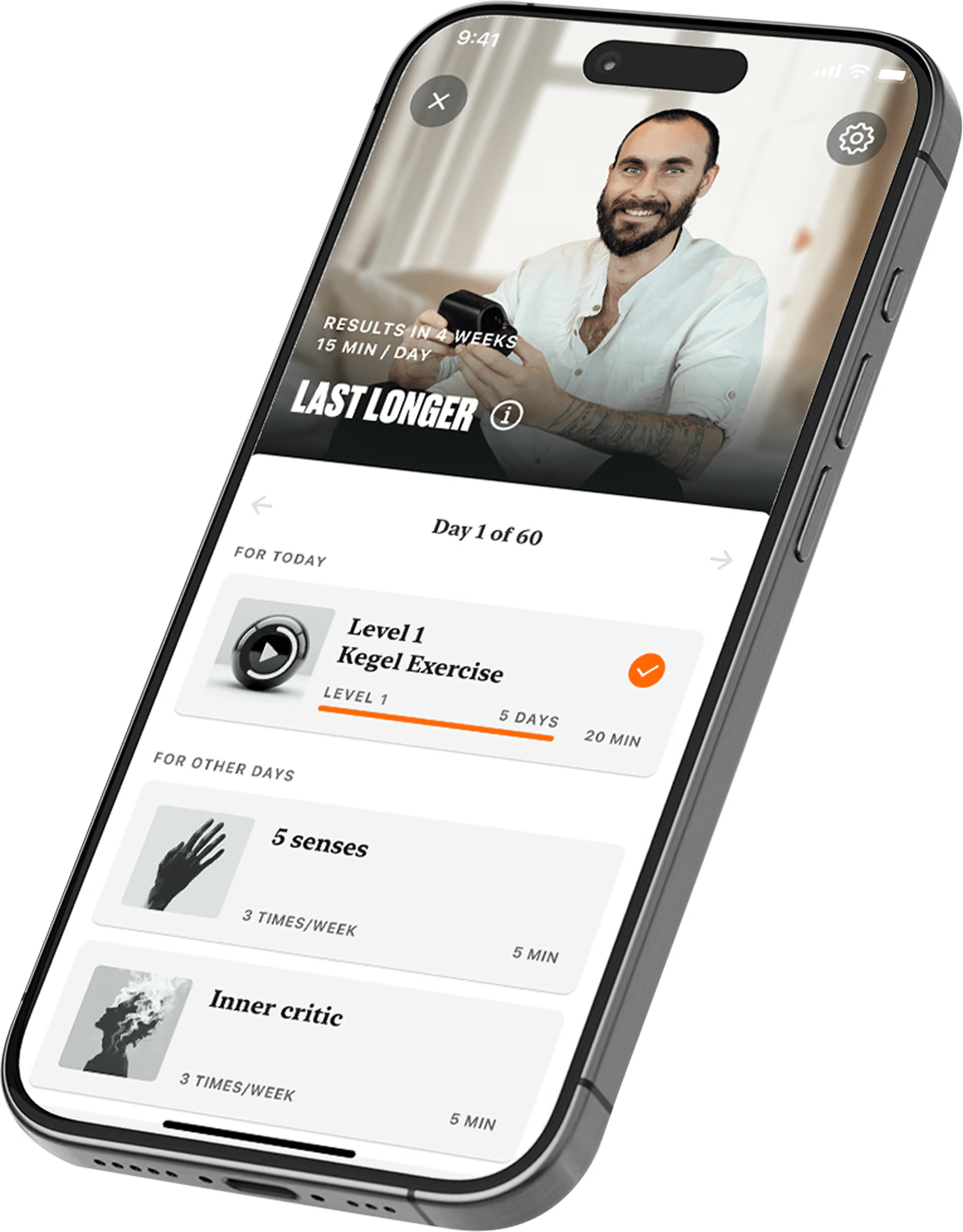
Step 01
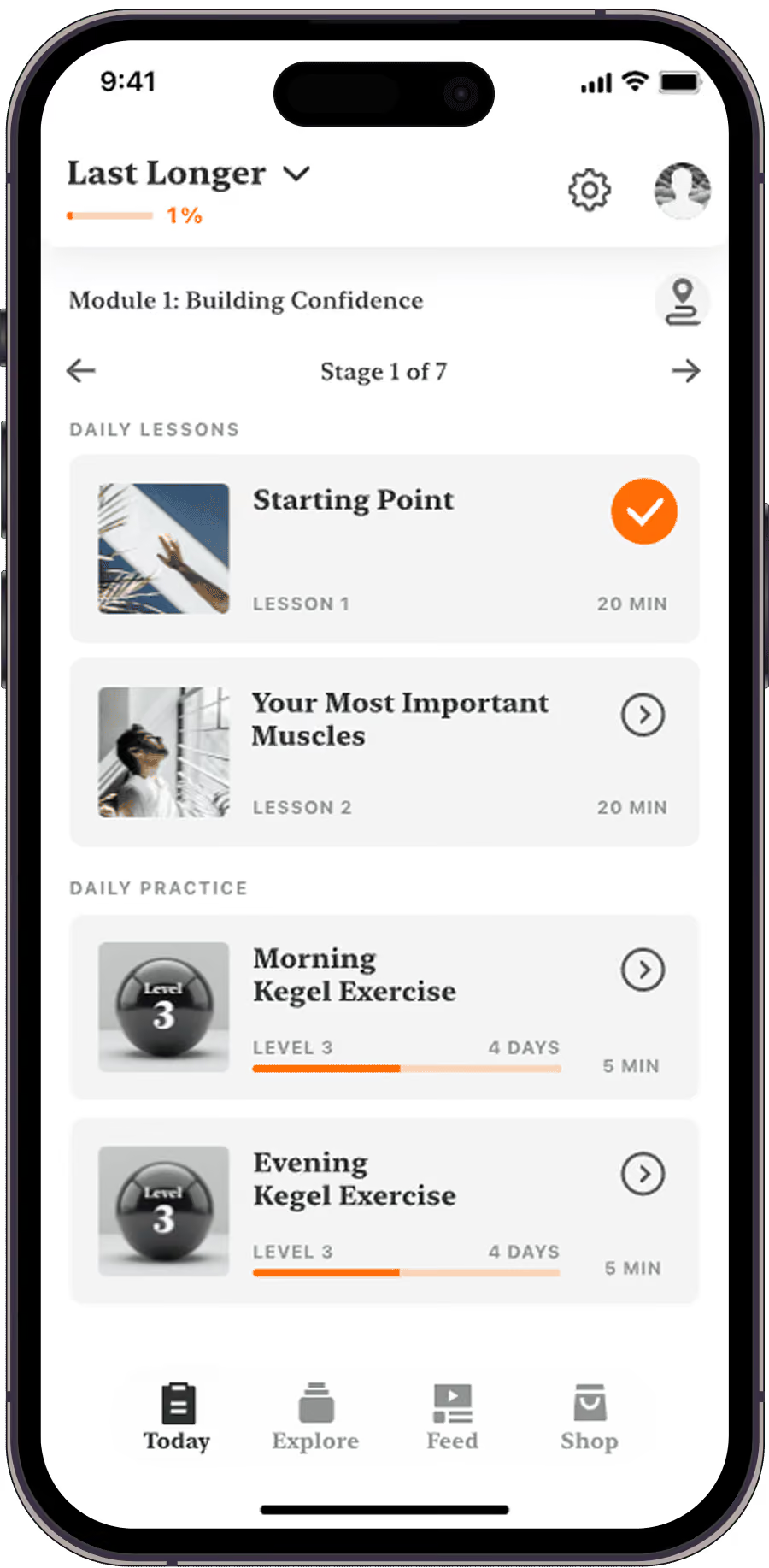
Answer the questions
A few questions set your starting point. The daily practices take about ten to twenty minutes.

Good circulation helps you get an erection, and the pelvic floor muscles help keep it firm. If you want to know how to increase blood flow to the penis, start with your overall health and the cause of any erection difficulties: regular exercise, healthy habits and the right pelvic floor training can all help, and persistent problems need a medical check. Keep It Hard, a program in The Coach app, guides you through pelvic floor exercises, relaxation and ways to manage performance anxiety.
Get my planDuring arousal, blood vessels relax and more blood enters the two chambers of spongy tissue in the penis, called the corpora cavernosa. Nerves, hormones and circulation all contribute to this process.
As the chambers fill, they compress veins that carry blood away. This helps keep blood in the penis. Pelvic floor muscles also support firmness. Improving erections can involve both circulation and muscle function.
An erection that fades can have several causes, including anxiety, circulation problems or impaired muscle function. A venous leak is one possible diagnosis, but symptoms alone cannot confirm it. An assessment may include tests when a clinician considers them necessary.
If you’re wondering how to improve blood flow to the penis, think of two parts: getting blood in and keeping it there. Pelvic floor training works only on the second.
Keep It Hard is The Coach’s program for erection difficulties. It combines pelvic floor exercises, relaxation and practices for performance anxiety in a daily plan. It does not diagnose or treat a venous leak.
Step 01
A few questions set your starting point. The daily practices take about ten to twenty minutes.
Step 02
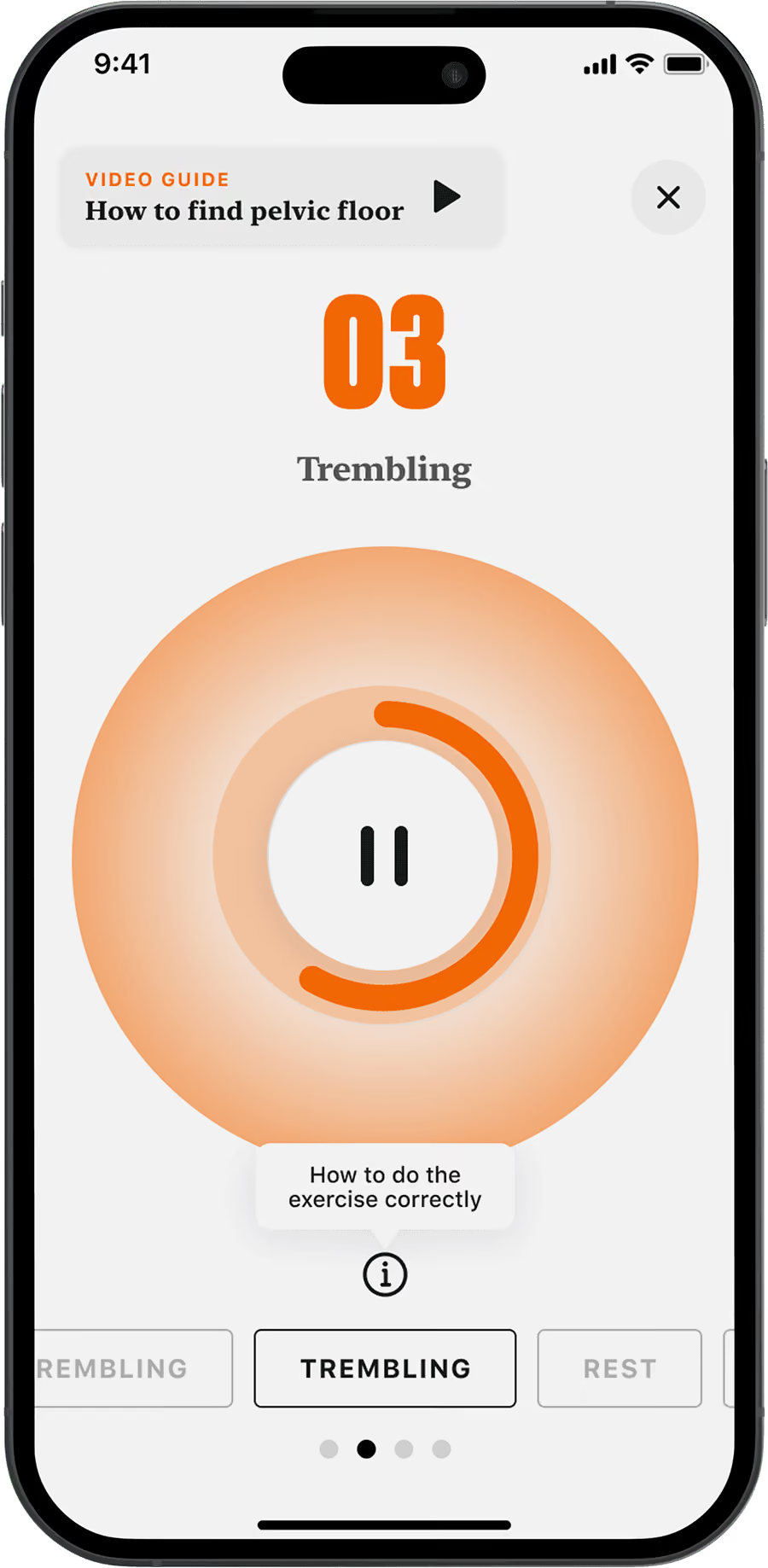
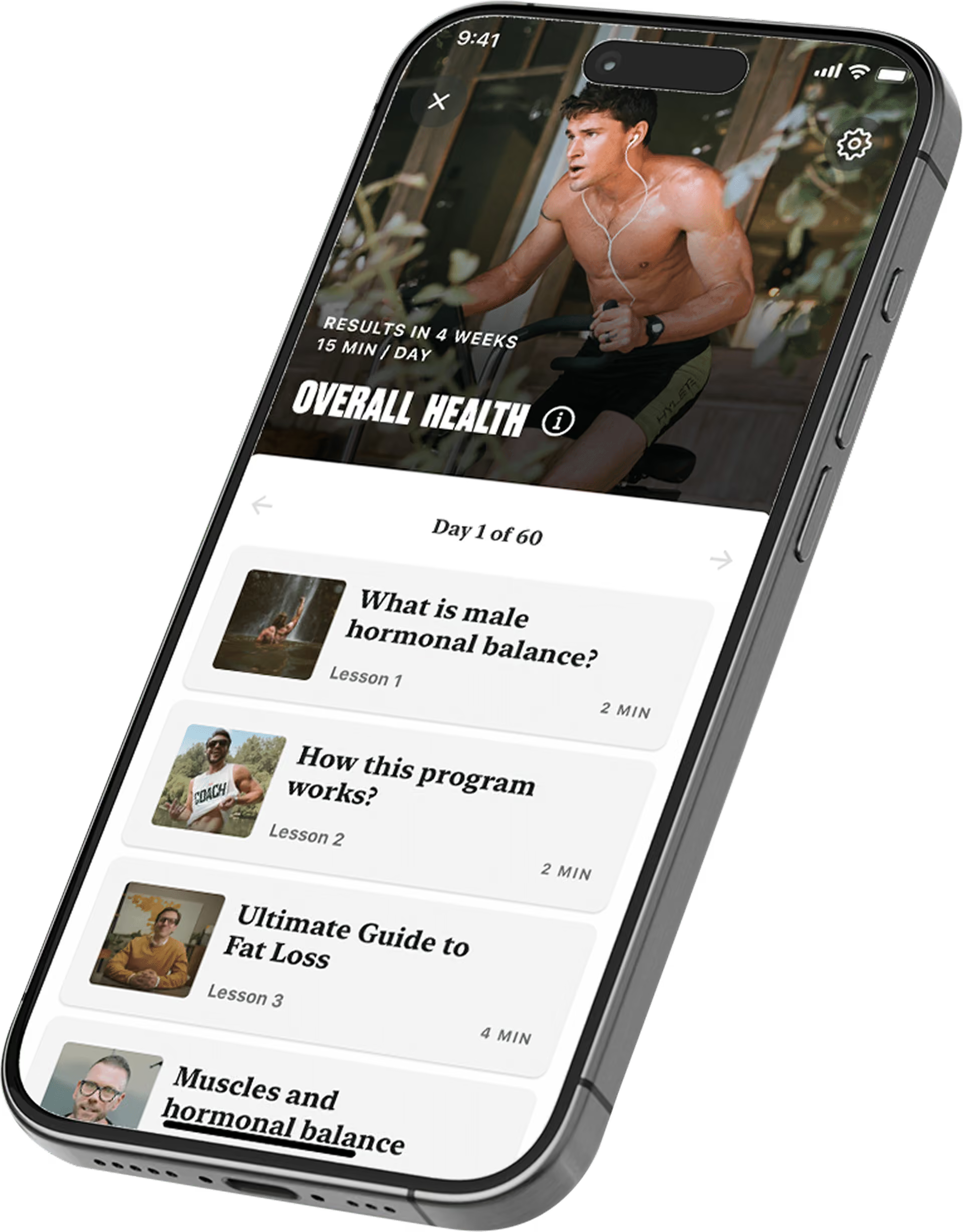
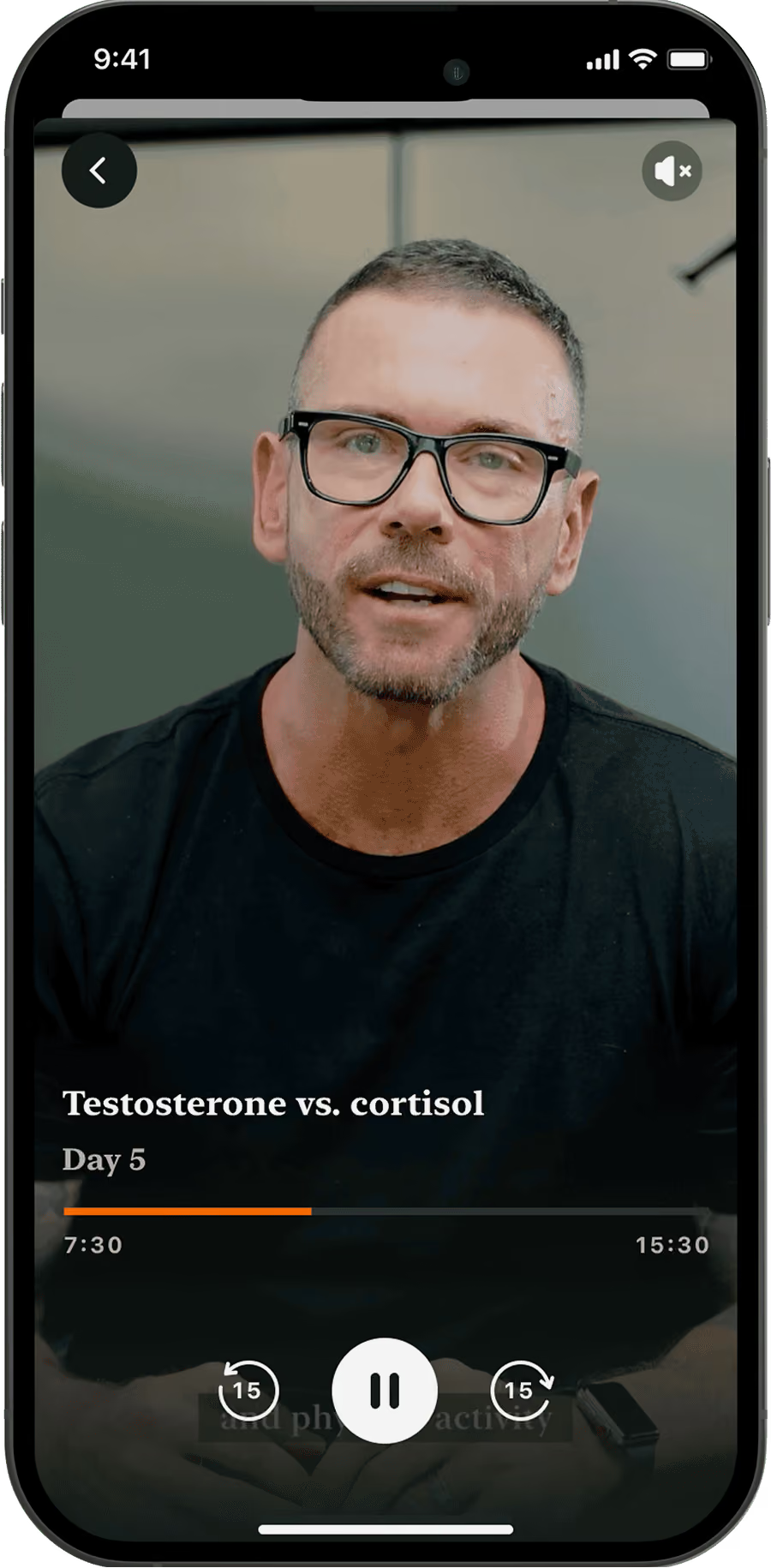
Short video, audio and text lessons explain the practices. Your Daily Action plan sets out when to do them and when to rest.
Step 03
Questions about pelvic symptoms decide whether you start with relaxation or strengthening. If exercises cause pain or worsen your symptoms, stop and get help before continuing.
Answer a few questions to find a starting point in Keep It Hard.
How to increase blood flow for erectile dysfunction depends on what is causing the problem. A clinician can assess circulation, medication and other possible factors. Pelvic floor exercises may support muscle function, but they cannot replace treatment for a vascular condition.
Cardiovascular disease, diabetes, nerve or hormone problems, medication, surgery and lifestyle can all affect erections. They do not all reduce blood flow in the same way. A clinician can help identify what is relevant to you.
If you cannot get an erection in any situation, or the problem persists or follows a medication change, speak to a clinician. For more about possible causes, see our guide to erectile dysfunction.
Healthy habits can support circulation and sexual health. Pelvic floor exercises work on muscle function. These approaches have different purposes, and none guarantees an immediate change in your erections.
These pelvic floor exercises train the muscles that support erection firmness; they don’t directly treat narrowed blood vessels. They cover gentle stretching, Kegels, relaxation, breathing and comfortable positions.
Regular practice matters, and if your pelvic floor is painful or tense, get advice before adding strengthening. For other approaches to erection difficulties, see our guide to exercises for erectile dysfunction.
Exercises support muscle function. Medical assessment helps identify circulation problems and the right treatment.
A program helps you follow the exercises, allow time for rest and understand when to ask for help.
Learn how to contract and relax the muscles, include rest and follow the recommended frequency. Reverse Kegels are introduced after the first week.
The program includes input from clinicians and therapists. If you have pain or persistent pelvic tension, seek individual advice from a pelvic health professional.
The program provides exercises and education. It does not diagnose a condition or replace medication, treatment or a medical assessment.
Keep It Hard combines pelvic floor exercises, relaxation and practices for performance anxiety. Allow about ten to twenty minutes a day. Start with the quiz to find your next step.
Venous leak symptoms can include difficulty maintaining an erection, but other conditions can cause this too. A urologist assesses symptoms and medical history and decides whether tests such as Doppler ultrasound are needed.
Venous leak treatment depends on the diagnosis and your circumstances. Exercises don’t repair damaged tissue or replace clinical care, so ask a urologist which venous leakage treatment suits you and whether pelvic floor training could support it.
A venous leak exercise for men usually means pelvic floor training to support muscle function, and venous leakage exercises only make sense when strengthening suits you. No exercise can be relied on to stop a venous leak or repair damaged tissue, and firmer erections don’t prove a leak has healed.
Ask whether pelvic floor exercises are suitable for you and keep any recommended medical appointments. For more about the exercises, see our guide to Kegel exercises for men.
From a survey of The Coach users who finished their first four weeks:
Those numbers are users’ own reports, not a measure of blood flow, and your results will depend on your situation. Answer a few questions to get a plan of your own.
From Trustpilot and the app stores, in their own words:
“This app is just what I needed when my confidence was at an all time low. I felt stressed and completely lost all interest to the point where I struggled to get it up. But then I took a chance on this app. Daily listening and going through the exercises sometimes even half-mindedly. Well! Let’s just say she definitely noticed the change and now can’t seem to get enough of it 😁👍”
“The daily pelvic floor (Kegel) exercises are short, only 5 to 10 minutes each, and they’re split nicely: one session in the morning and one in the evening. This makes it very easy to stay consistent without feeling overwhelmed. In just a few weeks, I’ve noticed clear improvements in my erection quality, stamina, and ability to ‘stay hard’ longer.”
“I wish I found this app 20 years ago when I got married. I saw the ad and read the symptoms I could check most of the boxes. I take medication as a last resort, so when I saw the natural approach I thought I would give it a try. I am happy for the results I have gotten and I appreciate the tips and advice. Thank you The Coach Team”
“Before signing on to the coach I struggle have erection. I started using the coach in the first week of January, 2026 and by the 2nd week I'd already started seeing improvement in my erection. The Coach is not only about kegel exercise but is a complete package and includes psychological , emotional and physical exercise as well and this has improved my wellbeing in all these areas.”
Our programs are developed with researchers, therapists and medical professionals in sexual health, including urologists and pelvic health physiotherapists.
Gerard Greene
Specialist men's health physiotherapist and senior lecturer at Coventry University.
Dr. Susie Gronski
Licensed physical therapist, certified sexuality counselor, and founder of a men's pelvic health clinic.
Natalie Goldberg
Certified sex and family therapist dedicated to improving intimate relationships and personal well-being.
Dr. Amy Pearlman
Board-certified urologist specializing in male sexual wellness, performance, and hormonal health.
Dr. Justin Houman
MD, UCLA-trained urologist and male reproductive specialist focusing on sexual health.
Cameron Fraser
Australia's leading men's sex coach, specializing in male sexual wellness and performance.
Ben Greenfield
13-time Ironman triathlete, bestselling author, and recognized expert in health, fitness, and performance.
Dr. Gary Shlifer
DO, board-certified internal medicine physician specializing in preventative care, nutrition, and anti-aging.
No. No exercise reliably improves blood flow in a minute. If you want to know how to get more blood flow to the penis, healthy habits and an assessment of persistent erection problems are the useful starting points, and pelvic floor exercises take regular practice.
Kegel exercises for venous leak may support the muscles involved in erection firmness, if strengthening is appropriate. They do not repair damaged tissue or replace treatment. If you are wondering how to fix a venous leak, discuss the diagnosis and options with a urologist.
Here’s how to increase blood flow to your penis without medication: eat well, stay active and don’t smoke, which all support heart health. Suitable pelvic floor exercises support muscle function too. Keep It Hard offers exercises and relaxation, not medication, and none of this replaces prescribed treatment.
There is no fixed timeline. The cause of erection difficulties, your health and whether the exercises suit you all matter. Allow time for regular practice, and speak to a clinician if problems persist or worsen.
Keep It Hard includes short video, audio and text lessons and a Daily Action plan. The practices cover pelvic floor exercises, relaxation, breathing, arousal awareness and communication. Reverse Kegels are introduced after the first week.
You can start the solo practices without special equipment. The program also includes partner practices and lessons on communication and positions, which you can explore when they fit your situation.
Yes, if erection problems persist, happen in every situation, start after a medication change or come with pain or other symptoms. A clinician can find the cause and tell you whether exercises are suitable in the meantime.