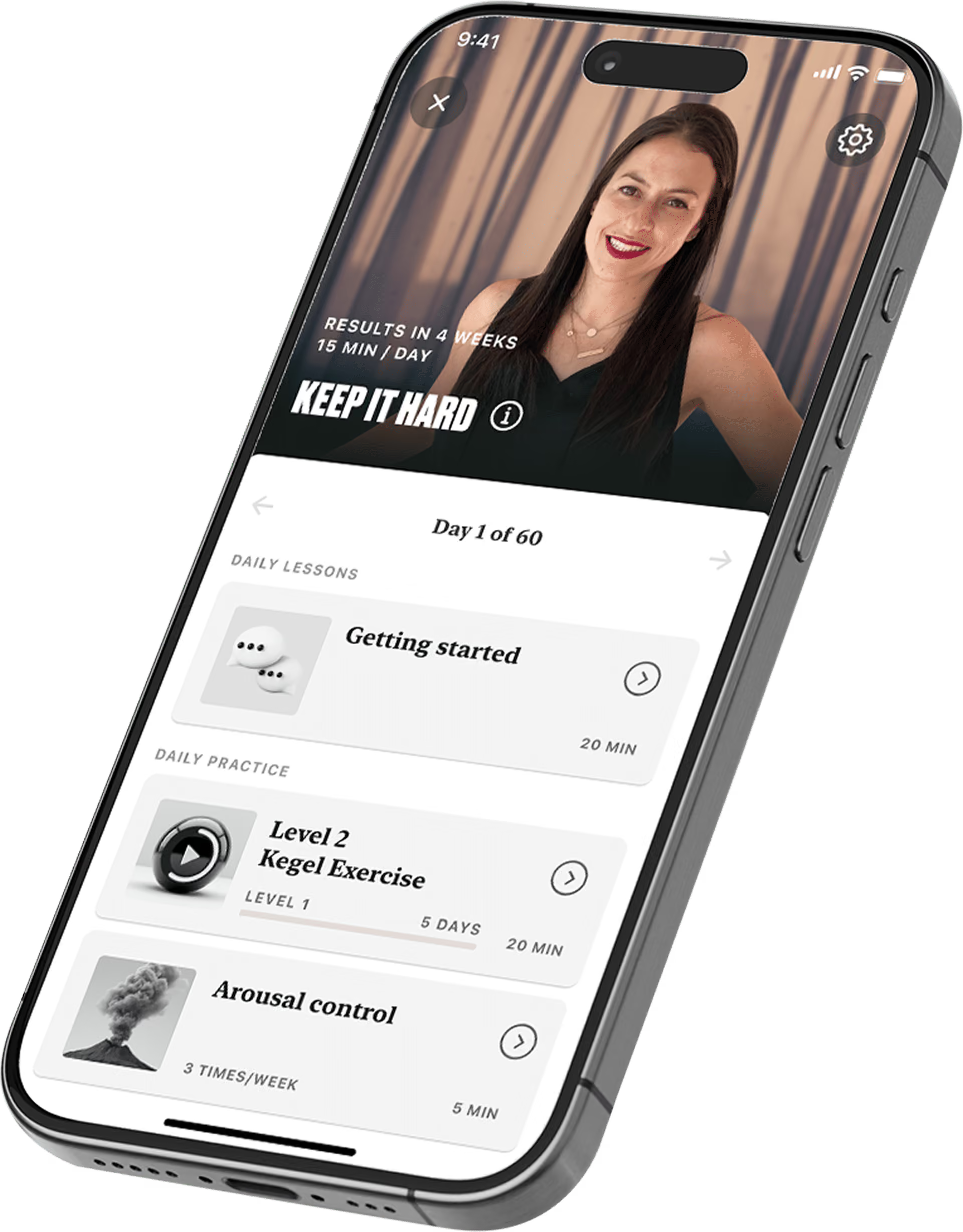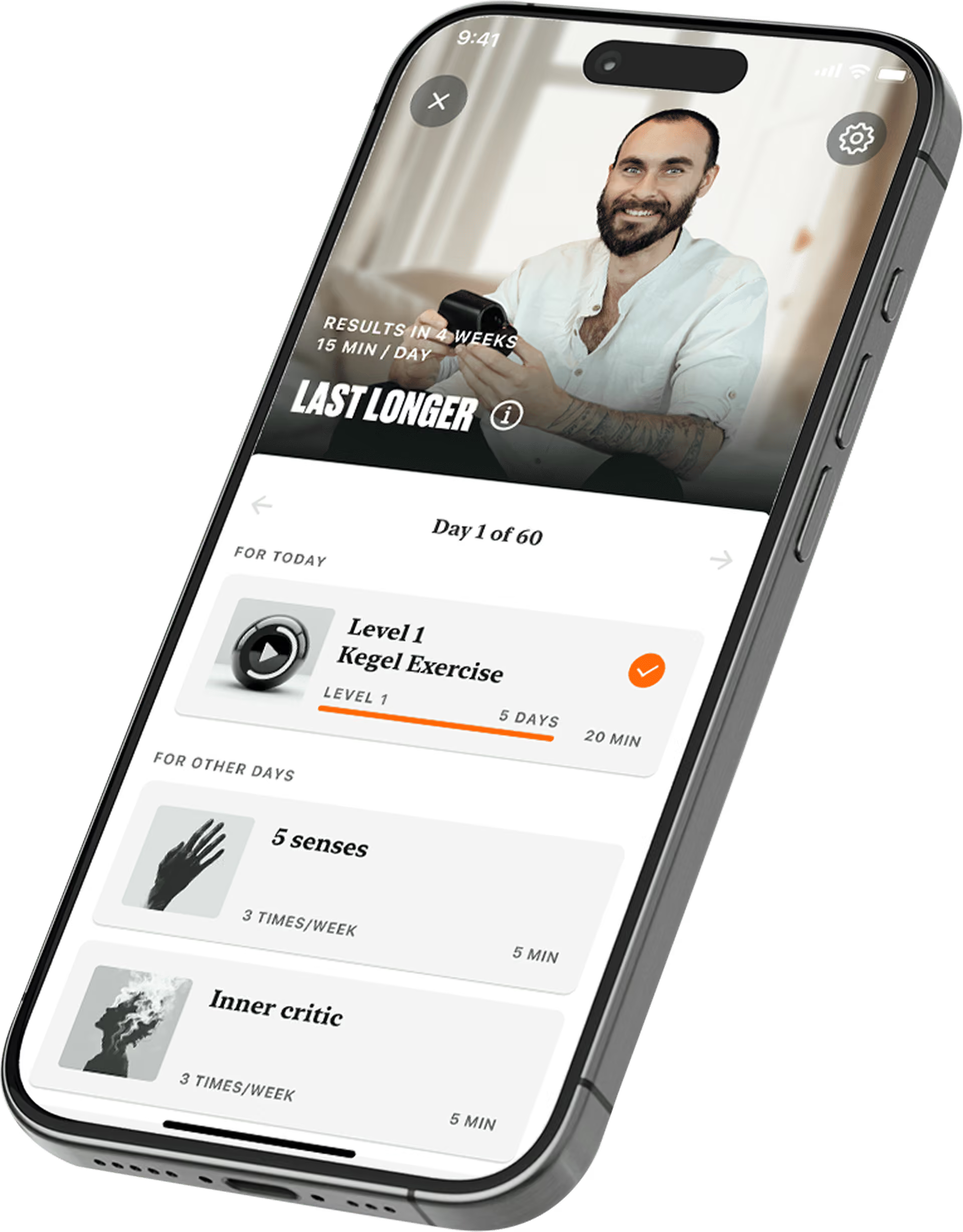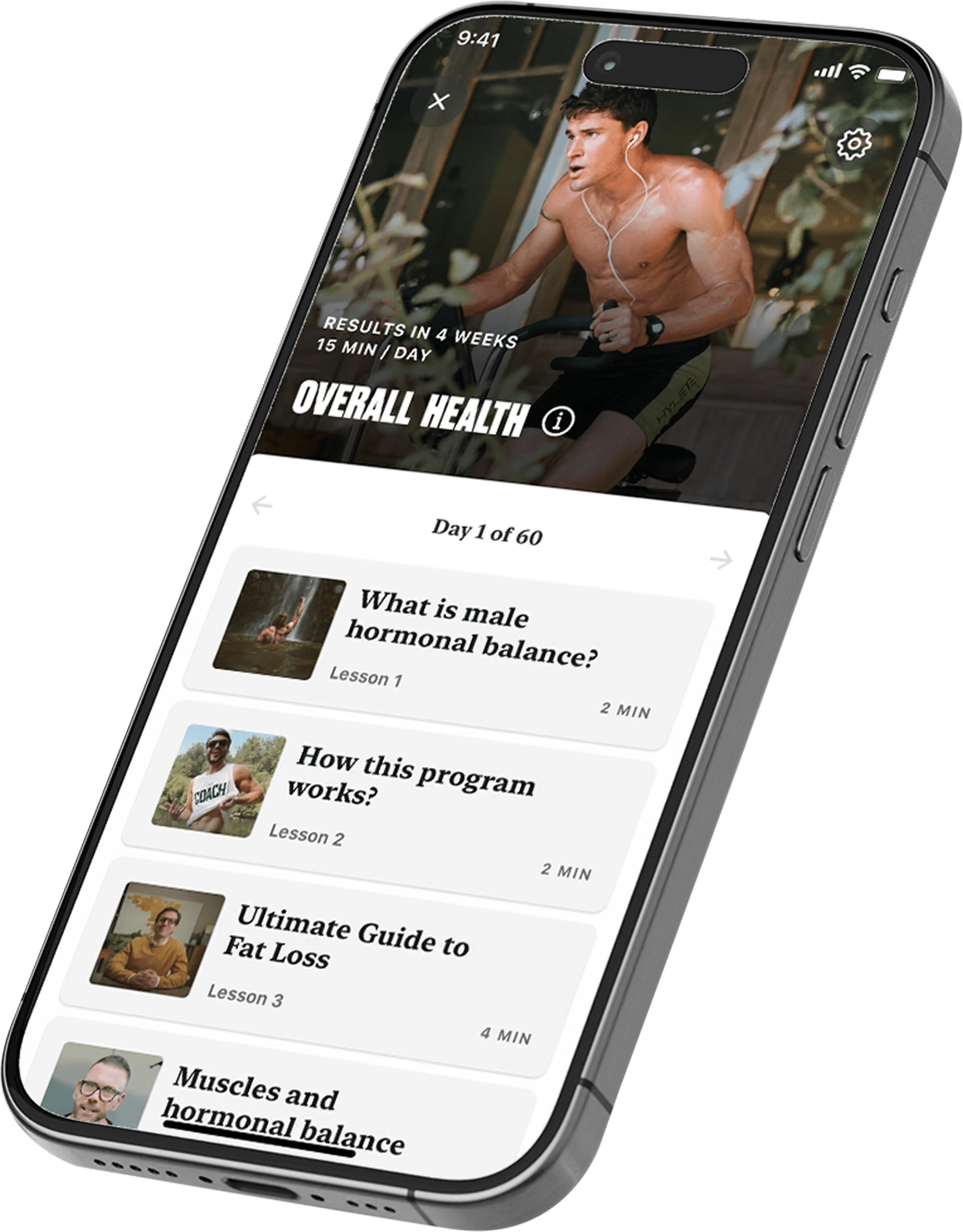
Psychological erectile dysfunction, also called psychogenic erectile dysfunction or mental ED, is trouble getting or keeping an erection that comes mainly from the mind rather than the body. Worry or fear switches on the fight-or-flight response, which sends blood away from the penis, so you can lose an erection even when you want sex. It often shows up in some situations and not in others. Because anxiety usually drives it, it can ease with practice: calming your body, facing sex instead of avoiding it and questioning anxious thoughts. Keep It Hard, a program in The Coach app, teaches these skills step by step.
Get my planPsychogenic ED is the clinical name for erection problems that start in the mind. An erection begins in the brain: something you see, imagine or feel creates arousal, your nerves carry the signal, and blood flows into the penis. Fear can break that chain. When your brain registers a threat, it switches on the fight-or-flight response and sends blood to your arms and legs, away from the penis. Some men feel numb rather than anxious, and numbness can have a similar effect.
Men often describe it as a mental block. These are some of the psychological causes of erectile dysfunction:
If worry about how you’ll perform sounds most like you, our guide to sexual performance anxiety looks at it in more depth.
No single sign settles it, and many men have a mix of both, with one feeding the other. A useful rule of thumb: if you can’t get an erection in any situation, a physical cause is more likely; if erections work in some situations and not in others, your mind is probably involved. These signs point toward a psychological cause:
These are clues, not a diagnosis. If erections have been weakening slowly in every situation, or you no longer have morning erections, see a doctor before assuming it’s anxiety.
Fear is what drives psychological ED, so the aim is to make sex feel safe again, for your body as well as your mind. That takes regular practice rather than one big effort. These steps are a good place to start:
Keep It Hard builds these practices into your daily plan and tells you how often to repeat each one.
A trigger is a situation that reliably sets off the anxiety: a light being switched on, a new partner, putting on a condom or the moment before penetration. Make a list of yours. Avoid the ones that are easy and safe to avoid, such as having the light on, and plan how to face the rest, such as putting on a condom. Tell your partner about them, too, so they can help instead of guessing.
Many men are triggered by noticing their erection soften a little during sex. That dip is normal, because hardness rises and falls, but if it alarms you, the fight-or-flight response can take the whole erection away. The soft penis exercise, a technique sex therapists use, helps you get used to softness. You do it alone:
With practice, a softer moment during sex is less likely to set off panic. For more ways to keep an erection once sex has started, see our guide to staying hard during sex.
Anxious thoughts about sex tend to follow familiar patterns, and cognitive behavioral therapy (CBT) has names for them. Once you can name the pattern, the thought becomes easier to question.
The critical self-talk around sex is often called the inner critic. It can sound like your own voice or like an ex or a parent, or it can arrive only as a feeling of dread. The triple column technique, an exercise from CBT, helps you answer it on paper:
Keep It Hard pairs this exercise with a guided practice for building a kinder, steadier inner voice and adds both to your plan.
Erections come more easily when sex stops feeling like a test.
Keep It Hard is built for men who want stronger, more reliable erections. Its 17 lessons cover the mind, the pelvic floor and skills for sex with a partner, and the daily practice takes about 10 to 20 minutes.
Breathing and grounding exercises that settle the fight-or-flight response, before sex or in the moment.
Guided practices for noticing the critical voice, building a kinder one and answering anxious thoughts with the triple column technique.
Trigger planning, the soft penis exercise and a solo exercise in letting an erection fade and return help you stay calm when your erection changes.
A few questions are enough to get a personal plan that shows which practices to begin with. Keep It Hard then lays them out day by day.
Practicing on your own can help when anxiety drives the problem, but some situations call for a professional:
The physical causes a doctor will look for are covered in our guide to erectile dysfunction.
Worrying alone adds pressure. Telling your partner what’s going on often brings relief and support, and they can help you avoid triggers or slow down when you need to.
Choose a calm moment outside the bedroom and talk about how it feels for you, for example: “I get anxious and lose my erection, and it isn’t about you.” Then agree on ways to be close that don’t depend on an erection.
These figures come from a survey of The Coach users after their first four weeks. They show what users reported, not a promise for every man.
Calming your body, answering your inner critic and getting used to softness all get easier with repetition, so your plan sets out what to do each day.
Reviews from men using the app, in their own words.
“This app is just what I needed when my confidence was at an all time low. I felt stressed and completely lost all interest to the point where I struggled to get it up. But then I took a chance on this app. Daily listening and going through the exercises sometimes even half-mindedly. Well! Let’s just say she definitely noticed the change and now can’t seem to get enough of it 😁👍”
“I started the Coach program because there was some real inconsistency in my response to stimulus. In fact I was beginning to believe that my sexual life was on its way out the door. I was pretty desperate to find a solution and I stumbled across The Coach. It has been a game changer.”
“My experience with ‘The Coach’ app has been very good. The lessons and exercises have helped me tremendously. I am much more confident both within myself and also with my appearance. Intimate moments are not so anxious as before because I follow the helpful advice given in the ‘The Coach’ app.”
“Before signing on to the coach I struggle have erection. I started using the coach in the first week of January, 2026 and by the 2nd week I’d already started seeing improvement in my erection. The Coach is not only about kegel exercise but is a complete package and includes psychological , emotional and physical exercise as well and this has improved my wellbeing in all these areas.”
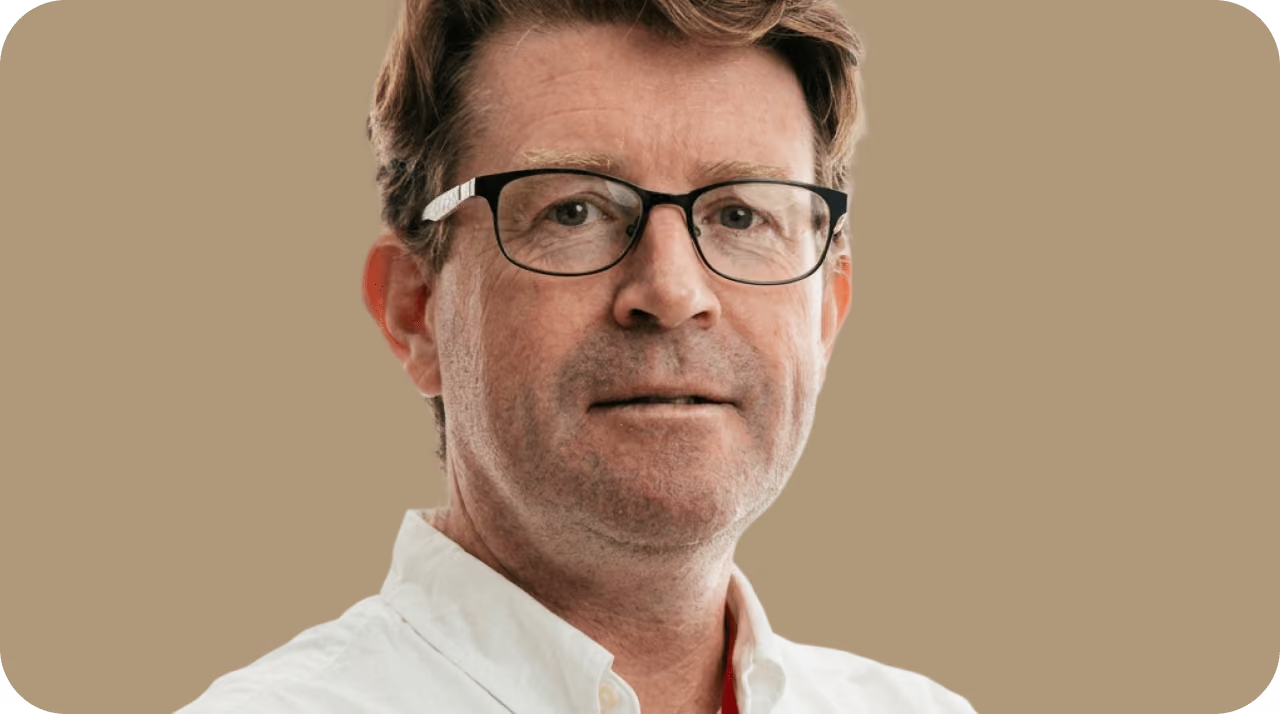
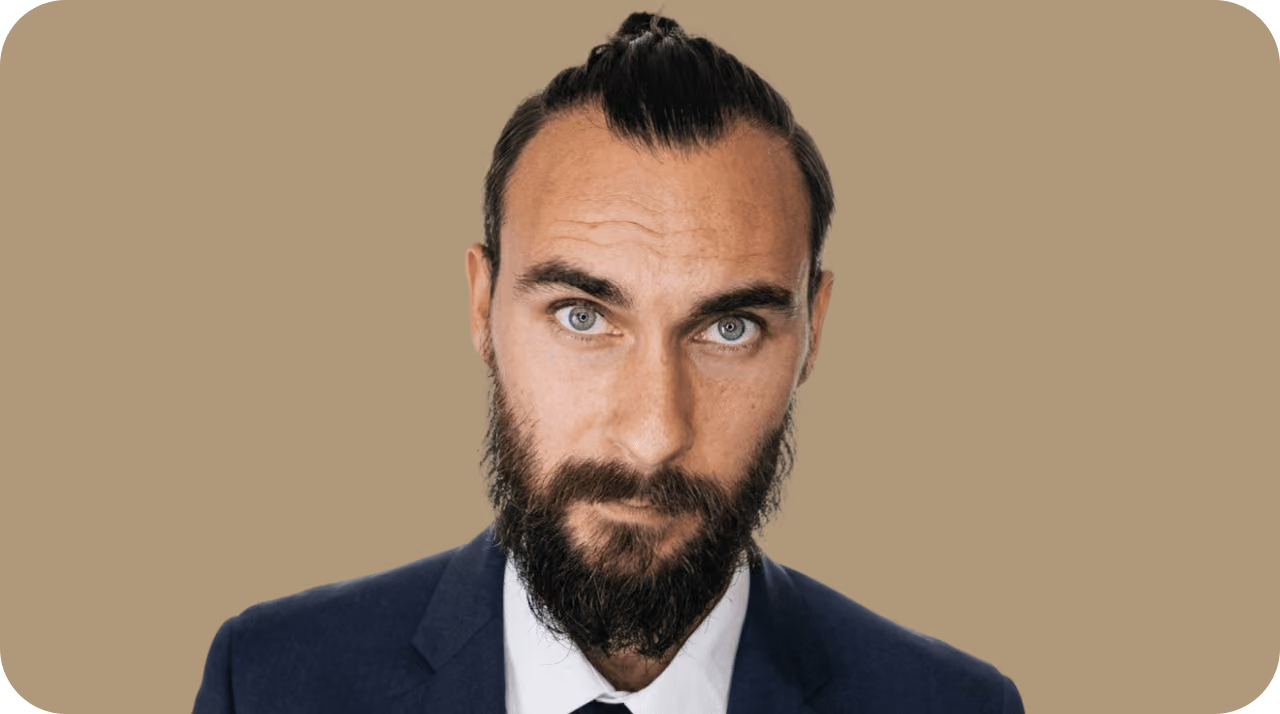
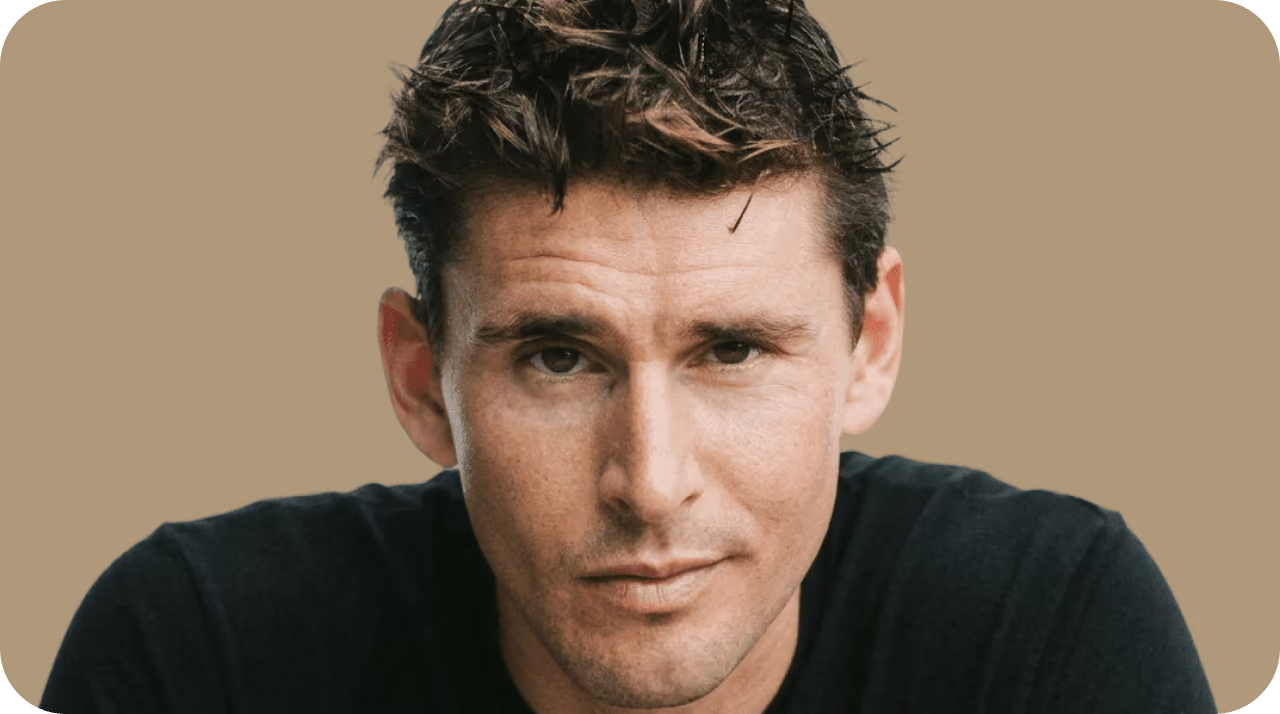
Keep It Hard was developed with specialists in men’s health, among them urologists, physiotherapists, a sex therapist and a sex coach.
Gerard Greene
Specialist men's health physiotherapist and senior lecturer at Coventry University.
Dr. Susie Gronski
Licensed physical therapist, certified sexuality counselor, and founder of a men's pelvic health clinic.
Natalie Goldberg
Certified sex and family therapist dedicated to improving intimate relationships and personal well-being.
Dr. Amy Pearlman
Board-certified urologist specializing in male sexual wellness, performance, and hormonal health.
Dr. Justin Houman
MD, UCLA-trained urologist and male reproductive specialist focusing on sexual health.
Cameron Fraser
Australia's leading men's sex coach, specializing in male sexual wellness and performance.
Ben Greenfield
13-time Ironman triathlete, bestselling author, and recognized expert in health, fitness, and performance.
Dr. Gary Shlifer
DO, board-certified internal medicine physician specializing in preventative care, nutrition, and anti-aging.
The usual approaches are talking therapy with a psychologist or sex therapist, often based on cognitive behavioral therapy, and practical exercises that reduce anxiety, such as breathing, gradual exposure and work on anxious thoughts. A doctor can rule out physical causes first and talk you through other options. Keep It Hard isn’t a treatment: it’s a training program that teaches these self-help practices.
Many men work on it on their own, especially when anxiety is the main driver: they calm the stress response, stop avoiding sex and question anxious thoughts. If nothing changes despite regular practice, or anxiety affects other parts of your life, get support from a doctor or a therapist.
It varies from man to man, and progress is rarely steady. The exercises themselves run for weeks: breathing practice for about three weeks, the soft penis exercise for two weeks, and written work on anxious thoughts once a week for at least two months.
It’s worth it if anxiety feels overwhelming, if the problem is tied to a past trauma or to conflict in your relationship, or if self-help hasn’t worked. A sex therapist can work with you alone or with your partner. Keep It Hard is self-guided, so it doesn’t replace therapy, but it teaches exercises that sex therapists also use.
Box breathing and grounding calm the stress response, the soft penis exercise eases panic about softness, and the triple column technique helps you question anxious thoughts. Pelvic floor exercises support the physical side; our guide to exercises for erectile dysfunction explains them.
It doesn’t have to be. Fear and habit keep it going, so it can change as sex starts to feel safer again. There’s no fixed timeline, and some men need a therapist’s help along the way.
No. Breathing, grounding, the soft penis exercise and the triple column technique are all done on your own. Keep It Hard covers partner skills, such as talking about sex and touch exercises, later in the program.
Plan on about 10 to 20 minutes a day. Some practices repeat daily and others a few times a week, and your plan shows what to do each day.