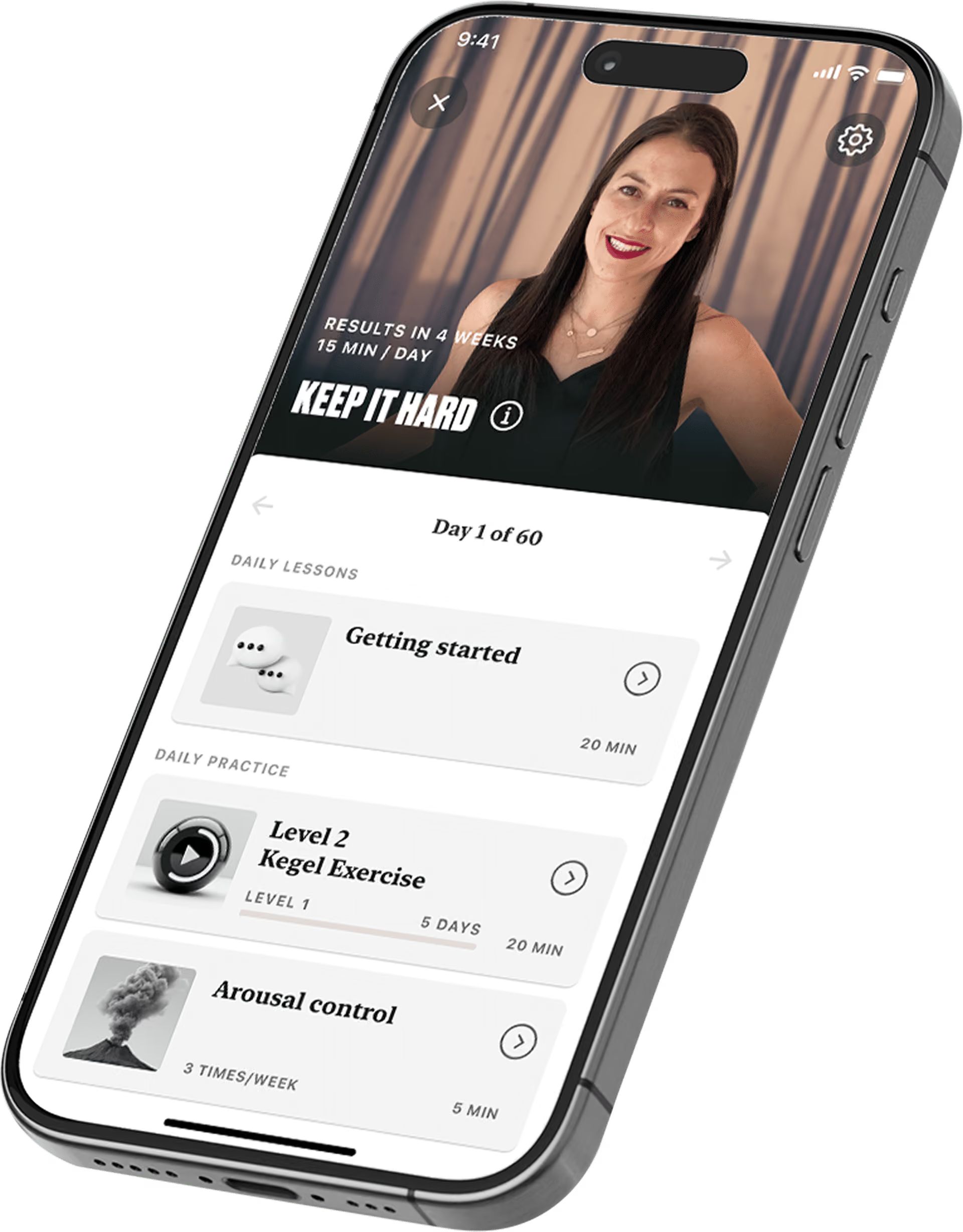
Step 01
Answer a few questions
A few questions set your starting point. They don’t diagnose pelvic floor weakness or tension.

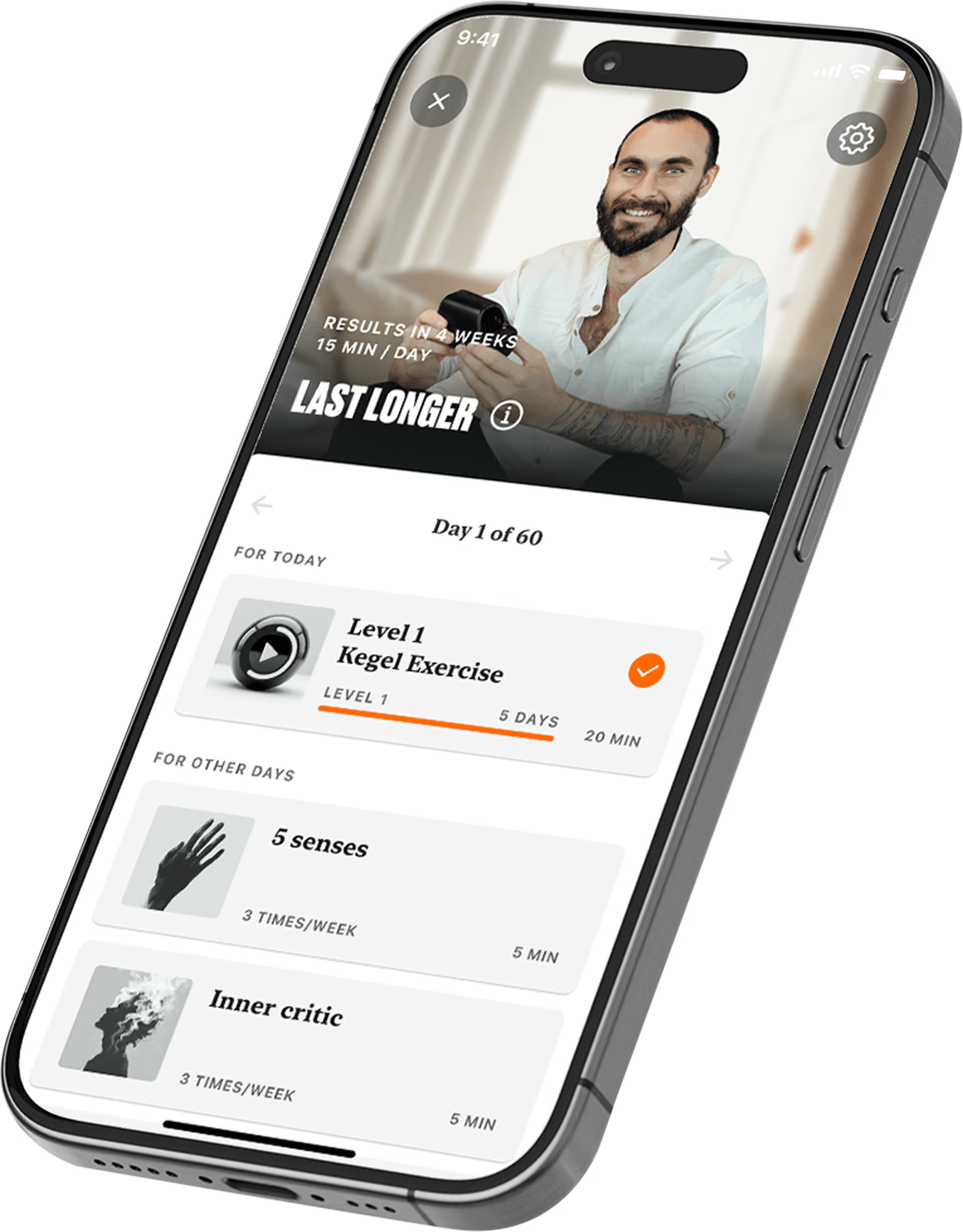
Exercises for erectile dysfunction work on pelvic floor muscle control, tension and performance anxiety. Among its practices, Keep It Hard, a program in The Coach app, guides you through five: gentle pelvic floor stretching, Kegels, breathing, getting comfortable with a soft penis, and letting an erection fade and come back. Which to start with depends on your symptoms, and pain or persistent erection difficulties need professional advice.
Get my planErections depend on circulation, nerves, muscles and arousal. Erection exercises work on only some of these, so no single exercise suits every problem. The practices cover four areas, plus one check before you add strengthening.
None of these exercises can tell you what’s causing the difficulties. See a doctor if problems persist, happen in every situation or come with pain.
Keep It Hard brings guided exercises, relaxation and practices for performance anxiety into a daily plan. Allow about ten to twenty minutes a day.
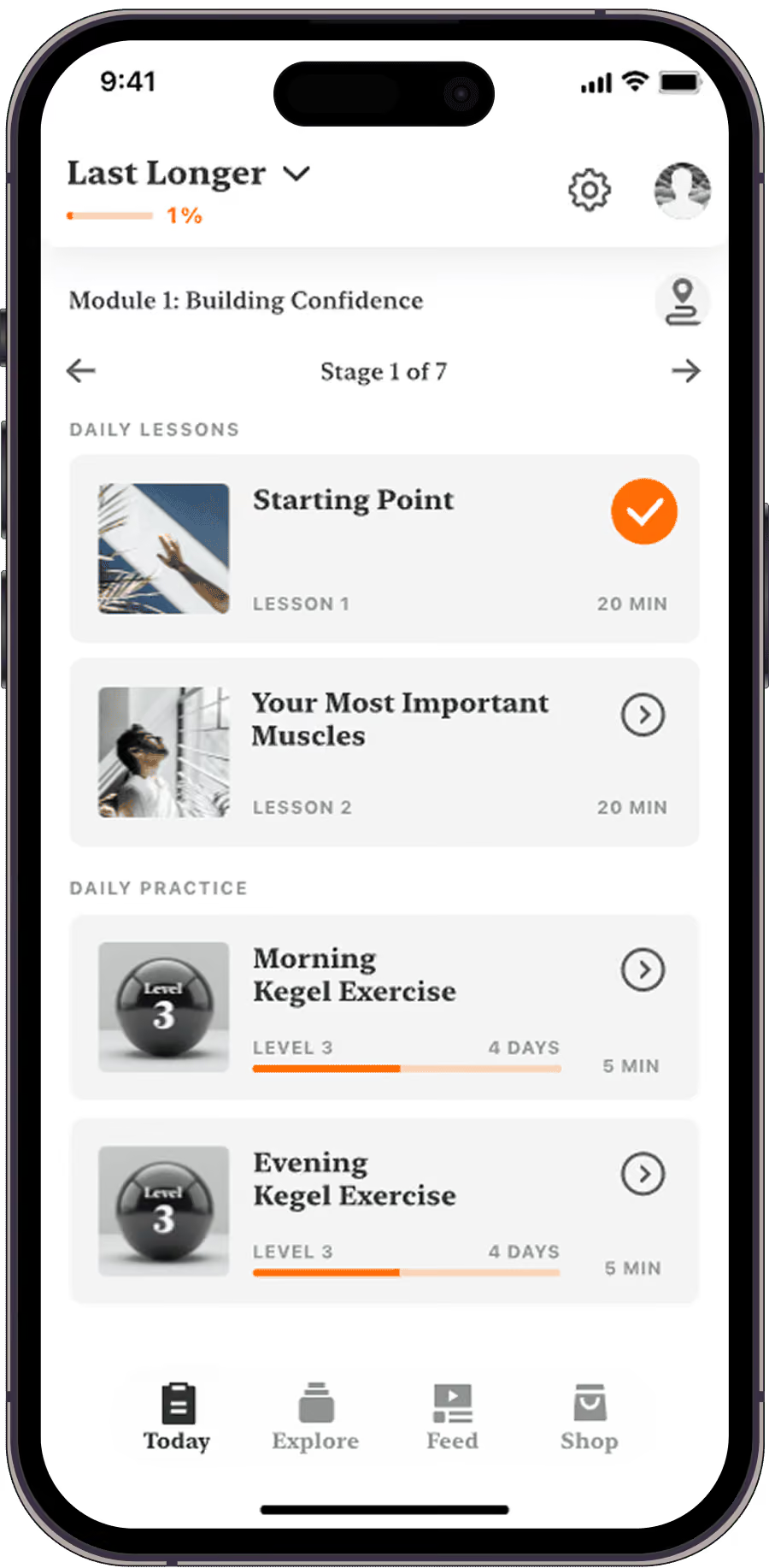
Step 01
A few questions set your starting point. They don’t diagnose pelvic floor weakness or tension.
Step 02
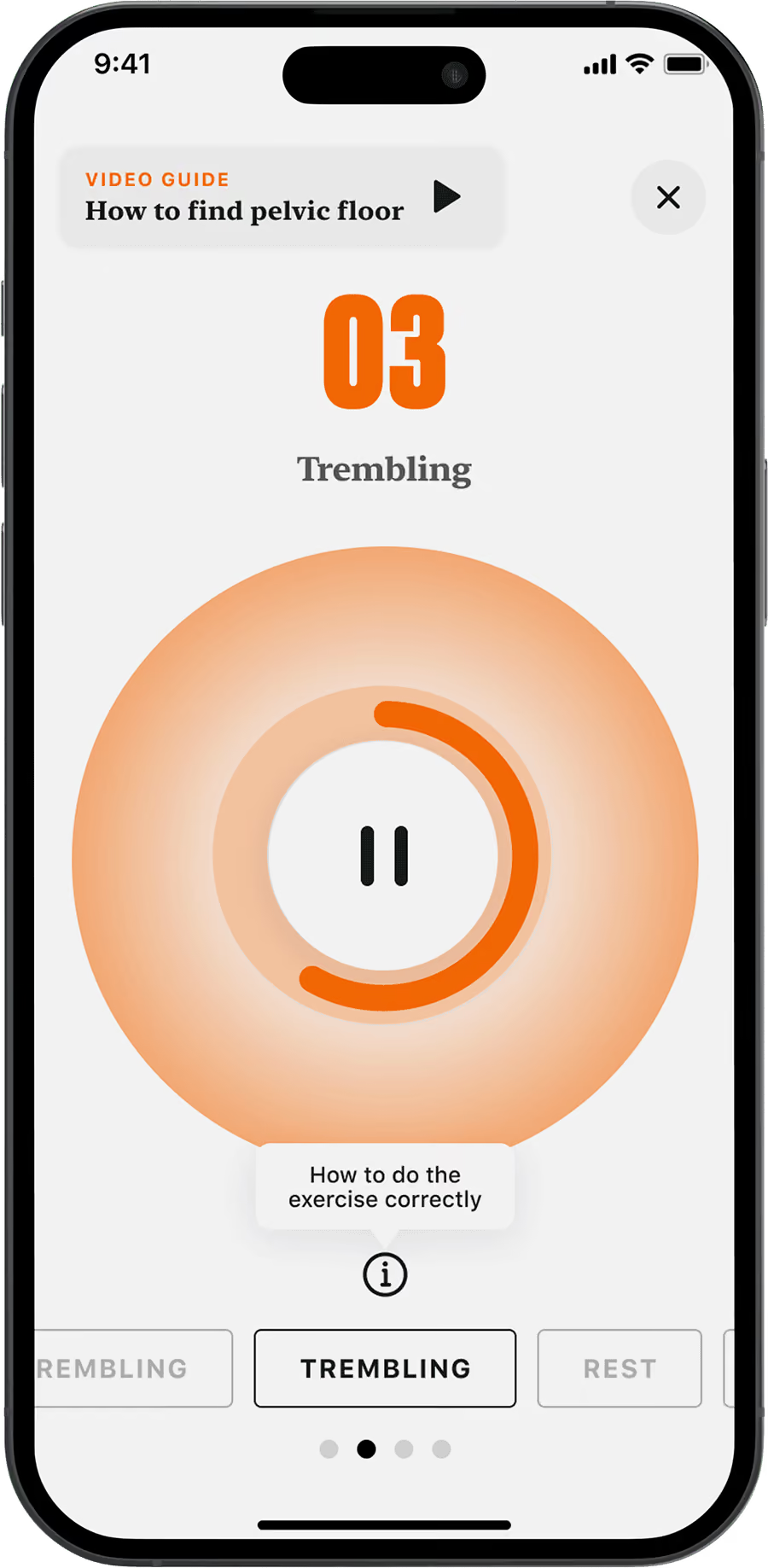
Short lessons explain what to practise and how it fits into the plan. Follow the instructions and rest periods. If a movement is unclear or painful, ask for advice.
Step 03
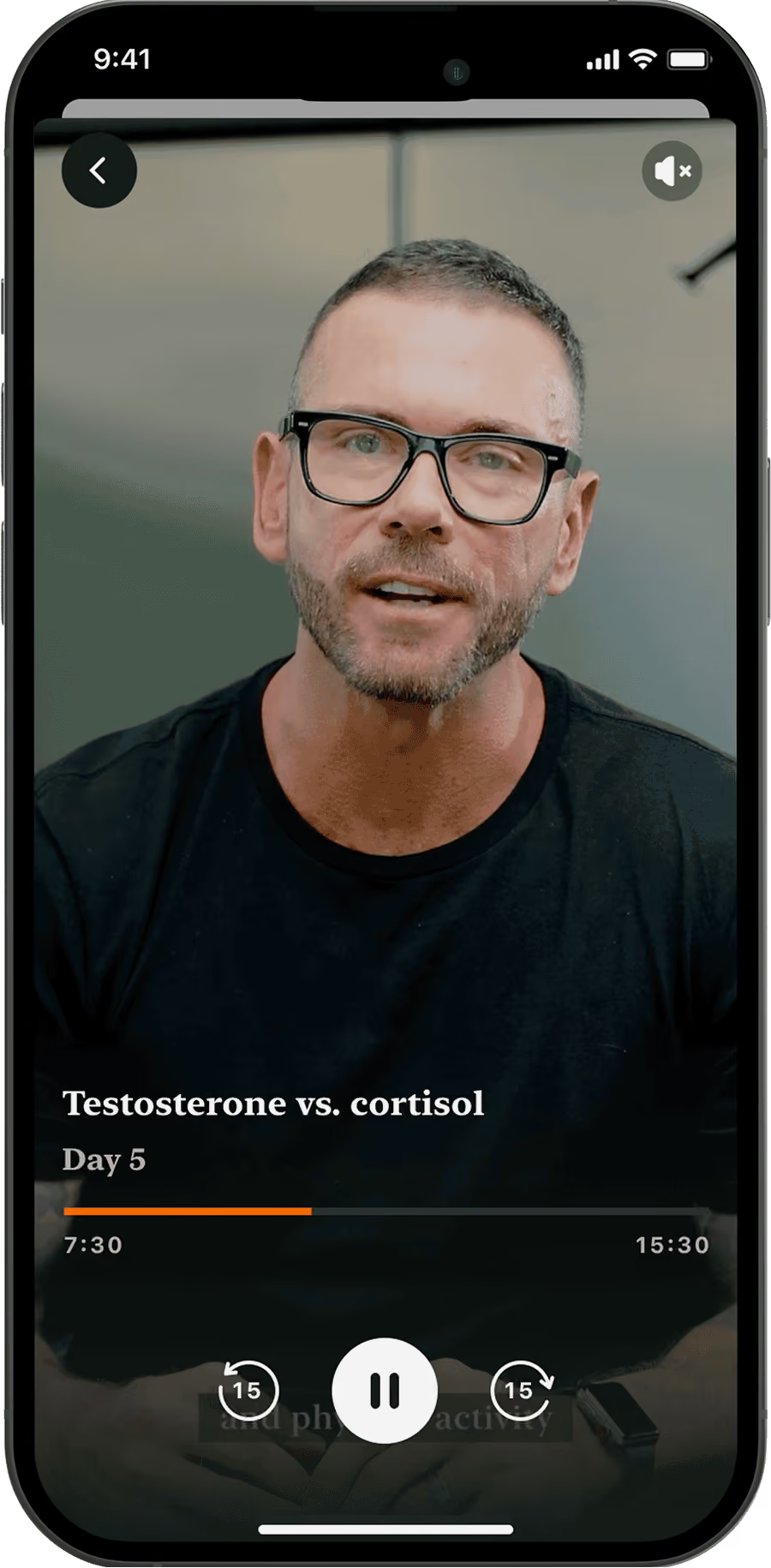
From time to time the app asks how things are going. Don’t expect change overnight, and get advice if symptoms persist or get worse.
The quiz helps you begin a program that includes exercises, relaxation and support for performance anxiety.
Kegel exercises for erectile dysfunction may help when muscle weakness contributes. Technique, rest and the ability to relax matter. Other difficulties may need a different approach or medical care.
These practices address different skills. Follow the program’s guidance on frequency and rest rather than trying to do as much as possible on the first day.
Exercises, relaxation and help with anxiety work best together.
Exercises to improve erections have different aims. Muscle control, relaxation and confidence may each need attention, depending on your difficulties.
The pelvic floor muscles help keep blood in the penis during an erection. When weakness is part of the problem, training them may help, but exercises for stronger erections can’t treat every cause.
Calm breathing, noticing your surroundings and a body scan help you pay attention to sensations instead of checking how hard you are.
Letting firmness vary without calling it failure is how you practise staying calm. Go at your own pace, and get support if it feels upsetting.
Notice the worry, then return attention to what you can feel. A supportive response to yourself can be more helpful than demanding a perfect erection.
Answer a few questions and the app sets up your daily plan with the exercises, relaxation and rest periods.
From a survey of The Coach users who finished their first four weeks:
Reviews from real users, quoted as written.
“This app is just what I needed when my confidence was at an all time low. I felt stressed and completely lost all interest to the point where I struggled to get it up. But then I took a chance on this app. Daily listening and going through the exercises sometimes even half-mindedly. Well! Let’s just say she definitely noticed the change and now can’t seem to get enough of it 😁👍”
“I like the multi-facetted approach including other exercises, not just kegels, as well as considering mental & emotional issues. I tried another app that was ok, but it focused on kegels. This app has helped me make progress in a few ways & has me on a road to keep my abilities long into the future.”
“The guided exercises are well-designed, and the app does a great job of tracking progress and keeping you motivated. If you’re serious about improving your sexual wellness and pelvic floor strength, I highly recommend The Coach.”
“The Coach is not only about kegel exercise but is a complete package and includes psychological , emotional and physical exercise as well and this has improved my wellbeing in all these areas.”
Everyone’s results are their own. Keep It Hard gives you clear daily steps to follow, so you can practise without guessing.
Changes don’t come in a fixed order. Keep an eye on comfort, muscle control and anxiety over the weeks, and get advice if symptoms persist or get worse.
We built the program with sex coaches, urologists, endocrinologists and sex therapists.
Gerard Greene
Specialist men’s health physiotherapist and senior lecturer at Coventry University.
Dr. Susie Gronski
Licensed physical therapist, certified sexuality counselor, and founder of a men’s pelvic health clinic.
Natalie Goldberg
Certified sex and family therapist dedicated to improving intimate relationships and personal well-being.
Dr. Amy Pearlman
Board-certified urologist specializing in male sexual wellness, performance, and hormonal health.
Dr. Justin Houman
MD, UCLA-trained urologist and male reproductive specialist focusing on sexual health.
Cameron Fraser
Certified sexologist and tantric yoga teacher who coaches men on sexual wellness and performance.
Ben Greenfield
13-time Ironman triathlete, bestselling author, and recognized expert in health, fitness, and performance.
Dr. Gary Shlifer
DO, board-certified internal medicine physician specializing in preventative care, nutrition, and anti-aging.
The best exercises for erectile dysfunction depend on the cause and your symptoms. Pelvic floor exercises may help when muscle weakness contributes, while relaxation and help with anxiety address other needs. Pain or persistent tension is a reason to get advice before strengthening.
No. Kegels for ED can help when weak muscles are part of the problem, but they don’t address every cause. You may also need medical care, relaxation or help with performance anxiety, and more contractions aren’t always better.
Yes, they can. Mental exercises for erectile dysfunction help you relax and handle performance anxiety: box breathing, a five-senses grounding exercise and a body scan are examples. They can’t guarantee an erection or treat a physical cause.
Fewer than you might think. Kegels are usually done once or twice a day with rest in between, and the whole daily plan takes about 10 to 20 minutes. If you have pain, persistent tension or doubts about your technique, ask a professional which practices suit you.
Start with relaxation: gentle stretching, reverse Kegels and a body scan. Add strengthening once the tension and any pain ease. Pelvic pain or trouble urinating can have several causes, so get it checked.
They can help. Exercises to help with erectile dysfunction include relaxation, attention to sensations and ways to handle worried thoughts. Physical factors can be present too, so get persistent problems checked. For more, see our guide to erectile dysfunction.
Yes, unsuitable exercises or too much effort can cause discomfort or worsen symptoms. Pelvic floor exercises for ED should include rest and full relaxation. Stop painful exercises and get advice if symptoms persist or worsen.
They help your general and heart health, which matters for erections, but they don’t replace pelvic floor practice. Keep It Hard doesn’t include a cardio or weights program, and you don’t need any equipment for its practices.
There’s no reliable timeline for exercises for better erections. It depends on your health, what’s causing the difficulties and whether the exercises suit you. Practise regularly, and get advice if symptoms persist or get worse.
Yes. You can start with the solo practices. The program also includes partner exercises and communication lessons, which you can explore when they fit your situation and you both want to.
Keep It Hard offers guided pelvic floor exercises, relaxation and practices for performance anxiety. Short lessons explain the steps, and a daily plan sets out the practices and rest periods. Allow about ten to twenty minutes a day.