Step 01
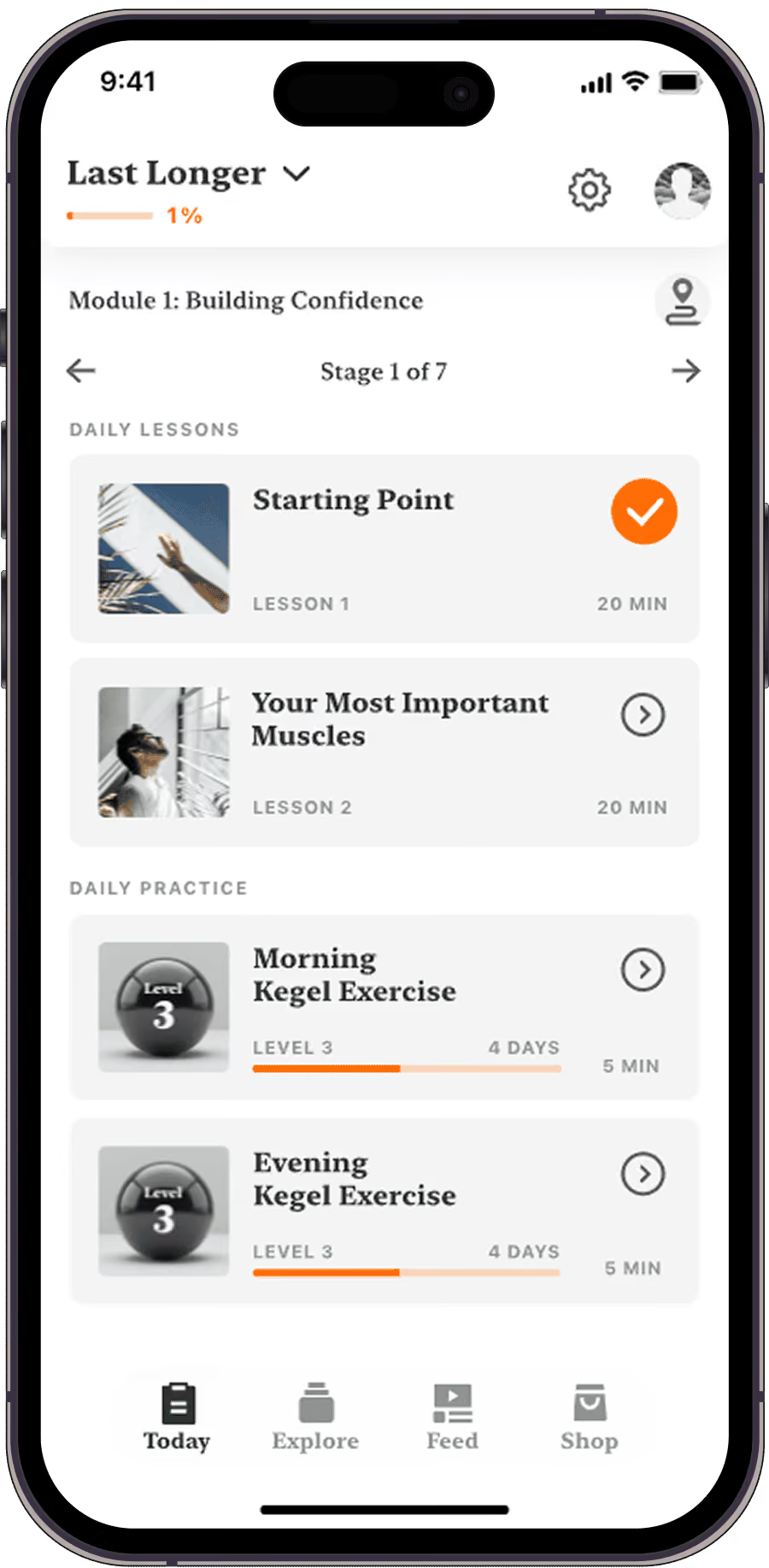
Answer a few questions
A few questions set your starting point. They don’t diagnose the cause of ED.

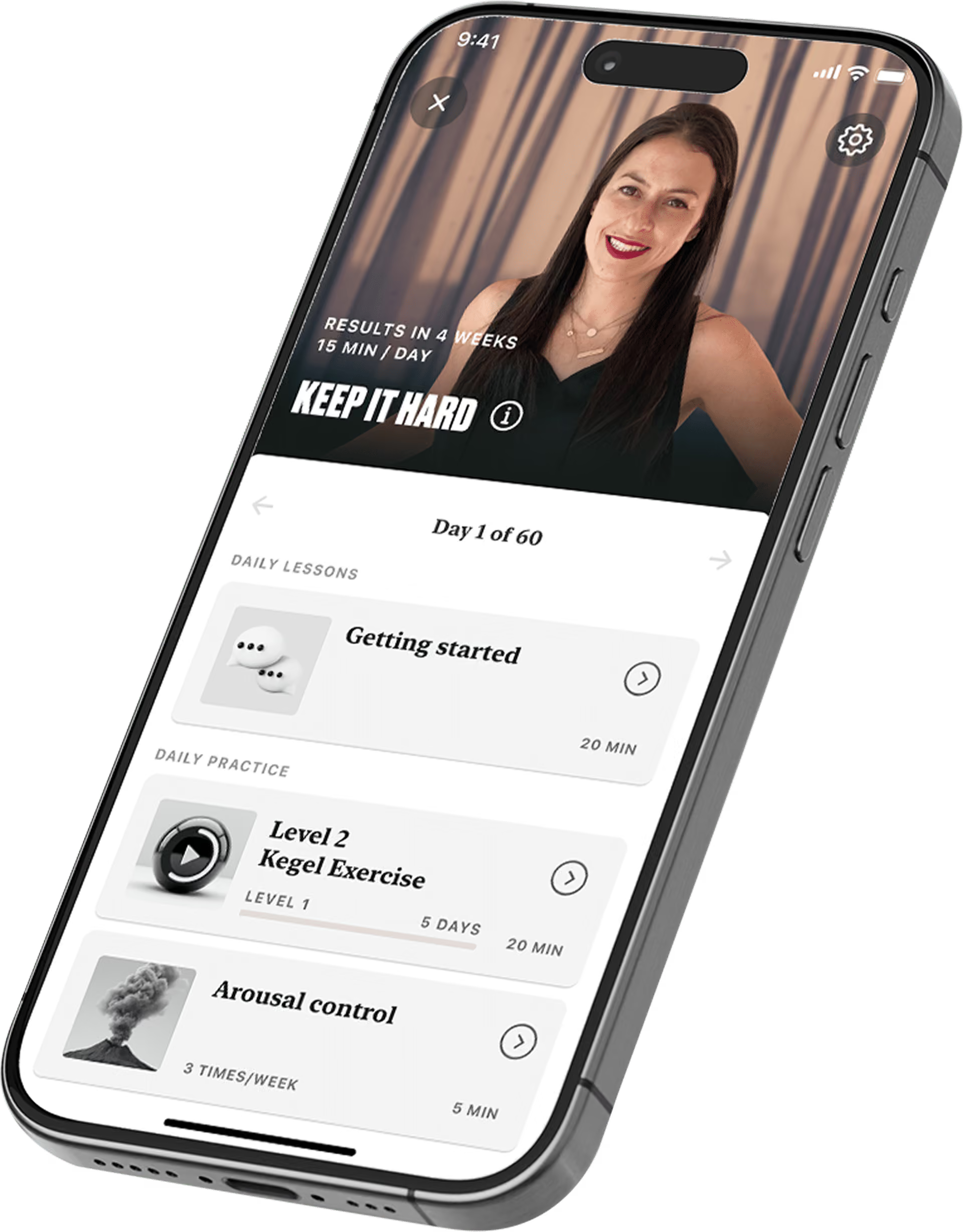
Erectile dysfunction means regularly having trouble getting or keeping an erection firm enough for sex. Physical health, medication, stress and performance anxiety can all play a part, and a clinician can help you work out which apply to you. Keep It Hard, a program in The Coach app, gives you guided pelvic floor exercises, relaxation and practices for performance anxiety to use alongside medical care.
Get my planOccasional erection problems are common and can come with tiredness, stress or alcohol. Erectile dysfunction symptoms are different: the trouble getting or keeping an erection keeps coming back. Noticing that pattern helps a clinician, but the pattern alone doesn’t show the cause.
“Why can’t I get hard?” and “why can’t I stay hard?” describe two different difficulties: getting an erection and keeping one. Either way, a useful next step is to notice when it happens and to get help if it keeps coming back.
Physical and psychological factors often overlap. These three questions help you prepare for an appointment, though they can’t sort out the cause without an assessment.
Psychological erectile dysfunction can involve anxiety, stress or relationship difficulties. Physical factors may also be present, and worrying about erections can add to the problem. An assessment helps you work out what kind of help to look for.
See a doctor if erection problems persist, happen in every situation, or come with pain or other symptoms. They may review your health and medication, examine you and suggest tests if needed.
There’s no single main cause of erectile dysfunction. These five groups cover the common contributing factors, and more than one can apply at the same time.
Medical care, healthy habits and support for anxiety can all play a role. The right combination depends on the cause.
Erectile dysfunction treatment depends on the cause. Medical care and practical changes often work together, and these four steps cover both.
You can start the healthy habits today, with or without an app. For the exercises, a guided plan tells you what to do each day and helps you keep it up.
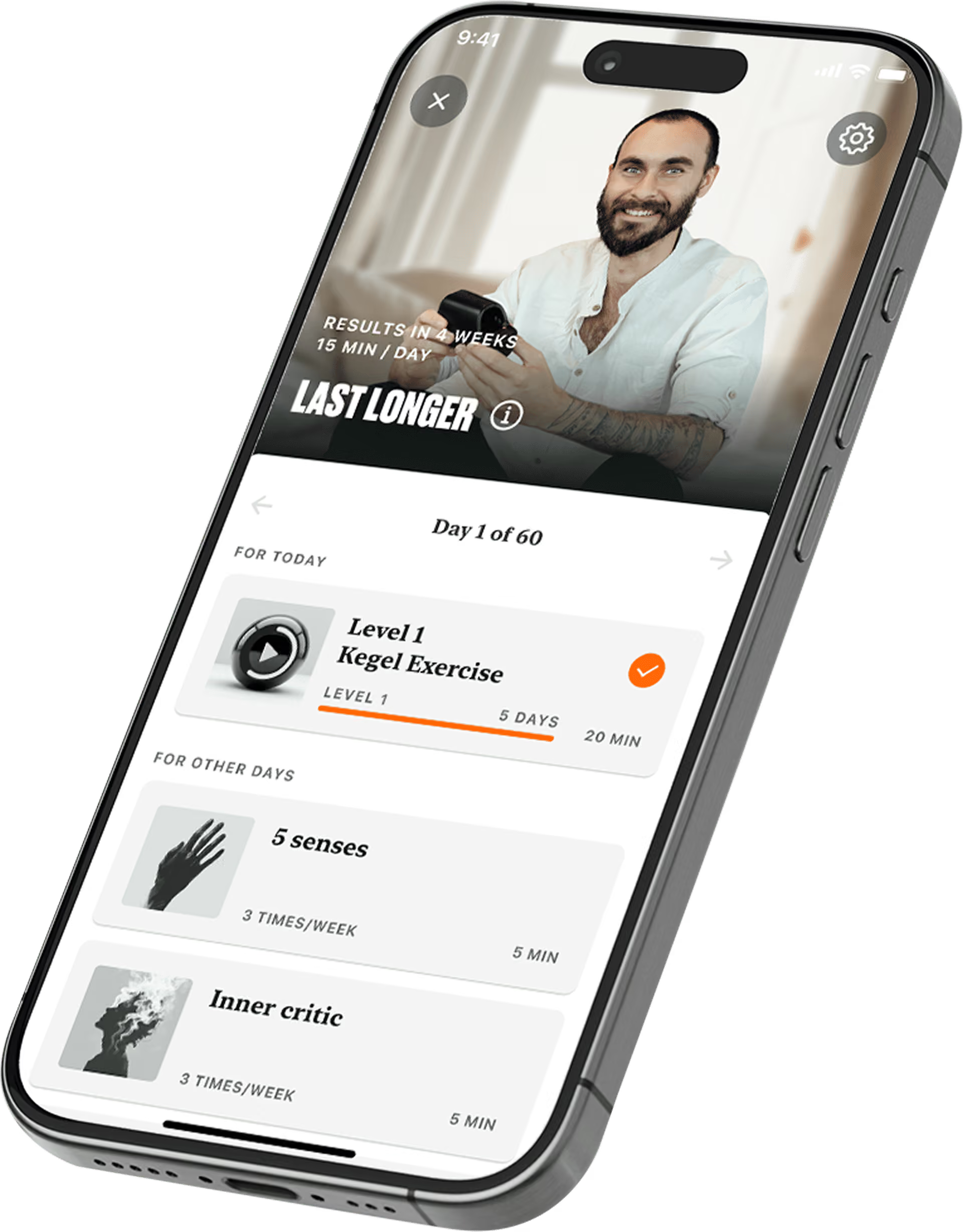
Keep It Hard gives you guided practices for each day, about 10 to 20 minutes in total. It doesn’t replace an assessment or treatment.
Step 01
A few questions set your starting point. They don’t diagnose the cause of ED.
Step 02
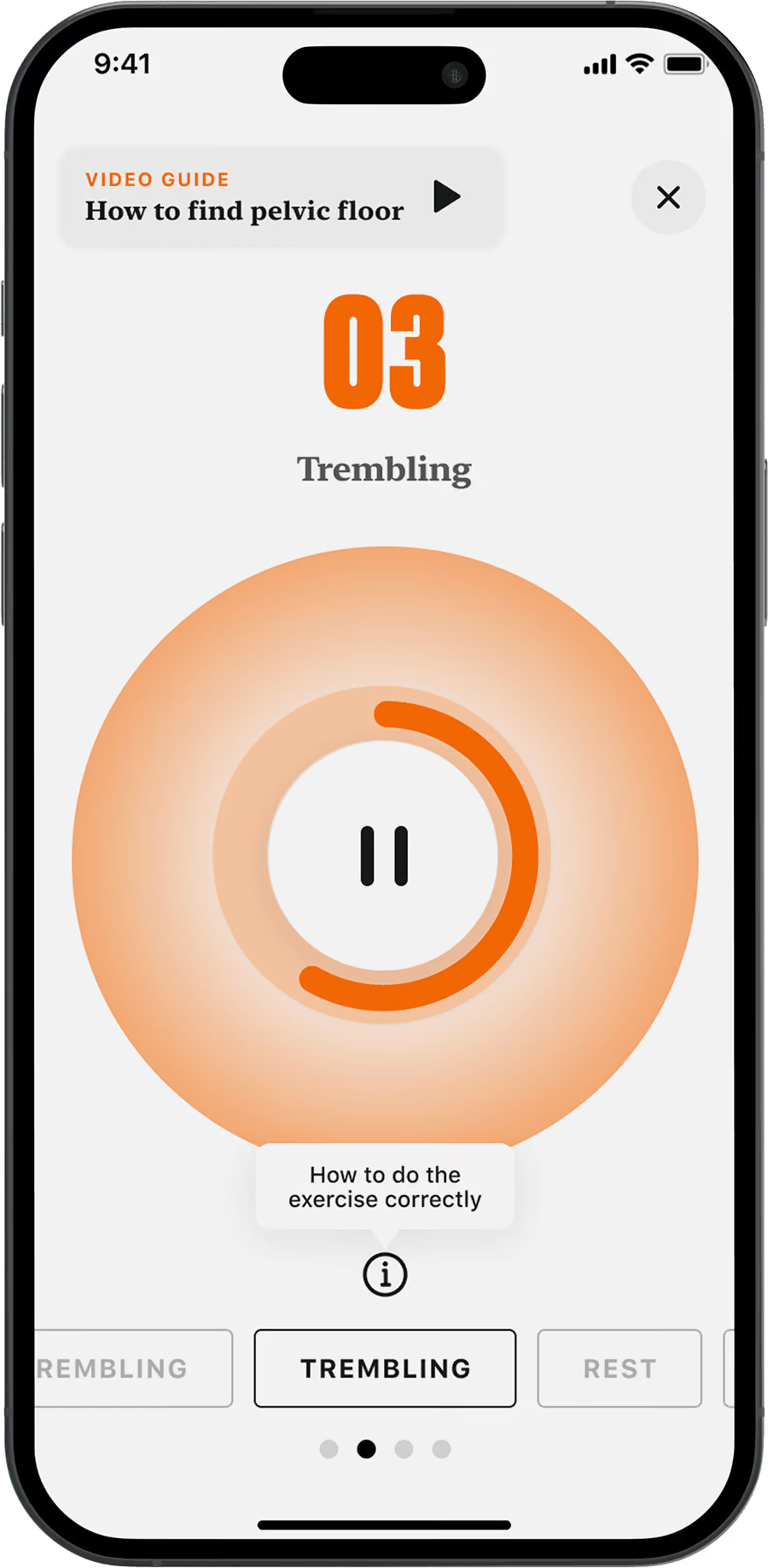
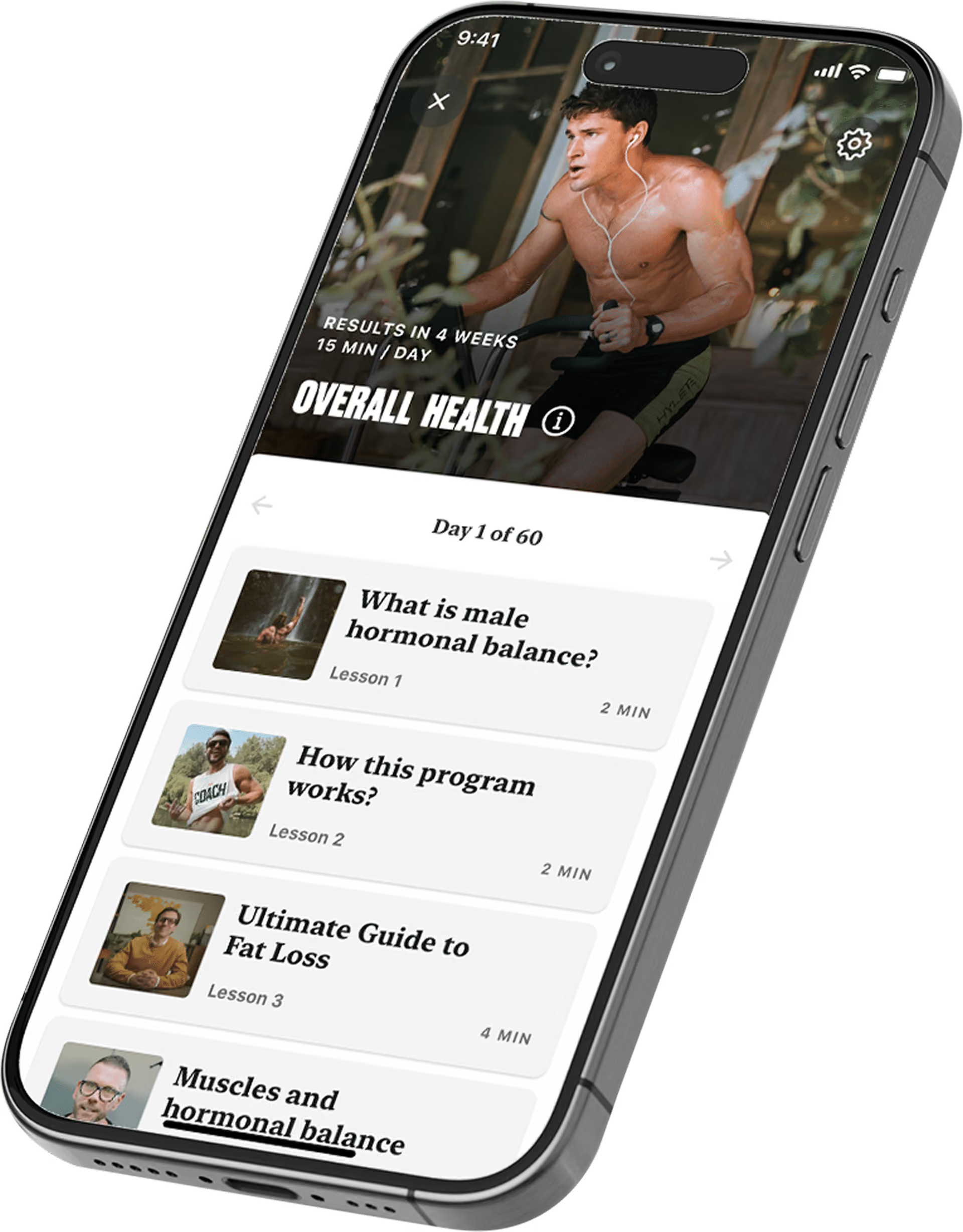
Short lessons and guided practices for pelvic floor control, relaxation and performance anxiety, all in one daily plan.
Step 03
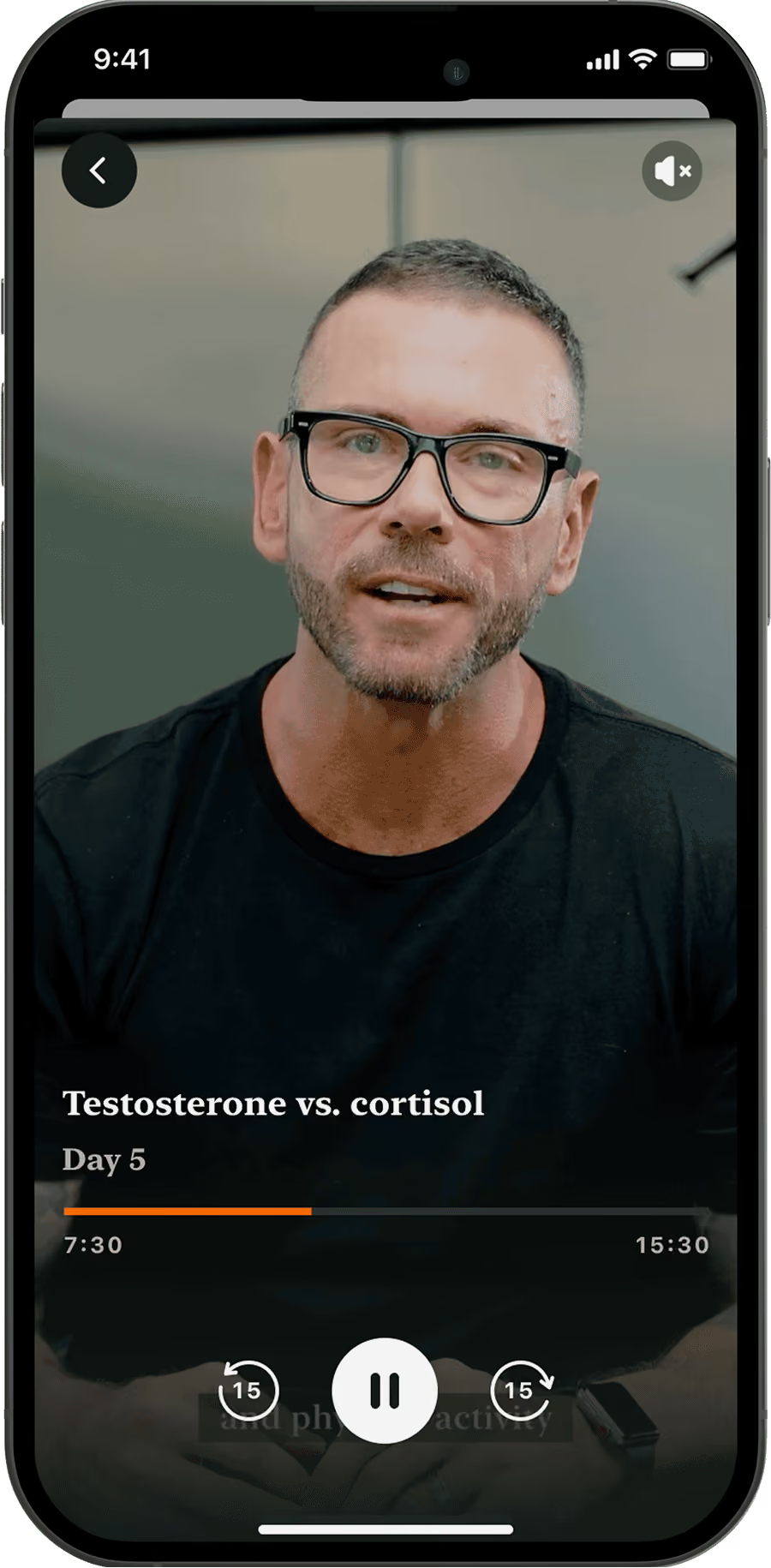
From time to time the app asks how things are going. Don’t expect change overnight. Stop any exercise that hurts, and get advice if difficulties persist or get worse.
If you want to know how to improve erections, the right exercises and help with anxiety can be part of the answer. Keep It Hard puts both into a daily plan, and a few questions give you a starting point.
There’s no one answer to how to fix erectile dysfunction: how to cure ED depends on what’s causing it, and so does the care that helps.
Many causes can be treated or managed, and that can improve erections. But no one can promise a permanent cure for erectile dysfunction for everyone.
Look at how comfort, confidence and erections change over weeks. You don’t need to treat every time you have sex as a test.
If worry leads you to avoid intimacy, talk about it with your partner or a therapist. Getting support is more useful than forcing yourself to perform or waiting for the fear to disappear.
Erection difficulties become more common with age, but they are not something you have to accept without help. Health conditions and medication are worth reviewing at any age.
Answer a few questions to get a plan with guided exercises and relaxation. If erection problems persist, see a doctor as well.
From a survey of The Coach users after their first four weeks. These are personal experiences; individual results vary.
Reviews from the App Store, Google Play and Trustpilot:
“I started using the coach in the first week of January, 2026 and by the 2nd week I’d already started seeing improvement in my erection.”
“I have erectile dysfunction due to a few medical conditions. I believe that training my pelvic floor muscles with this app will beat my ED.”
“The lessons and exercises have helped me tremendously. I am much more confident both within myself and also with my appearance. Intimate moments are not so anxious as before.”
“I take medication as a last resort, so when I saw the natural approach I thought I would give it a try. I am happy for the results I have gotten and I appreciate the tips and advice.”
Everyone’s situation is different. Answer a few questions to get your own plan.
Urologists, men’s health physiotherapists and sex therapists helped build the programs. That’s also why we tell you plainly when something needs a doctor rather than an app.
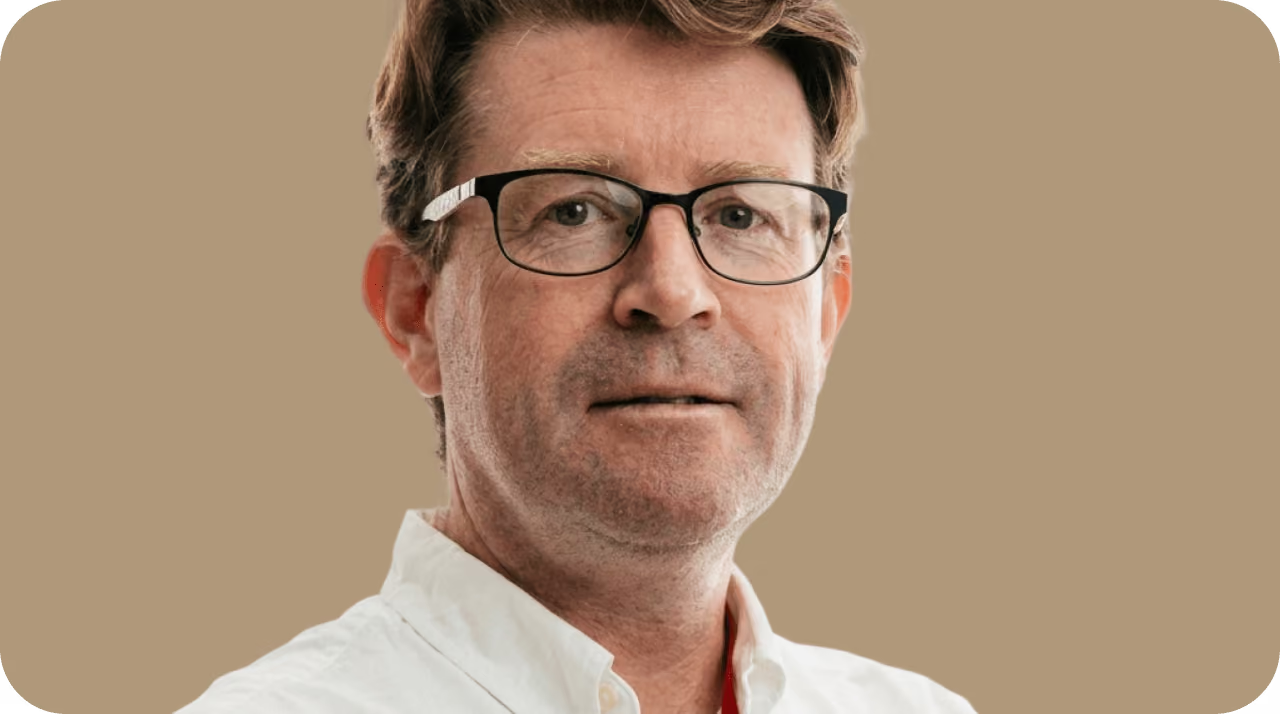
Gerard Greene
Specialist men’s health physiotherapist and senior lecturer at Coventry University.
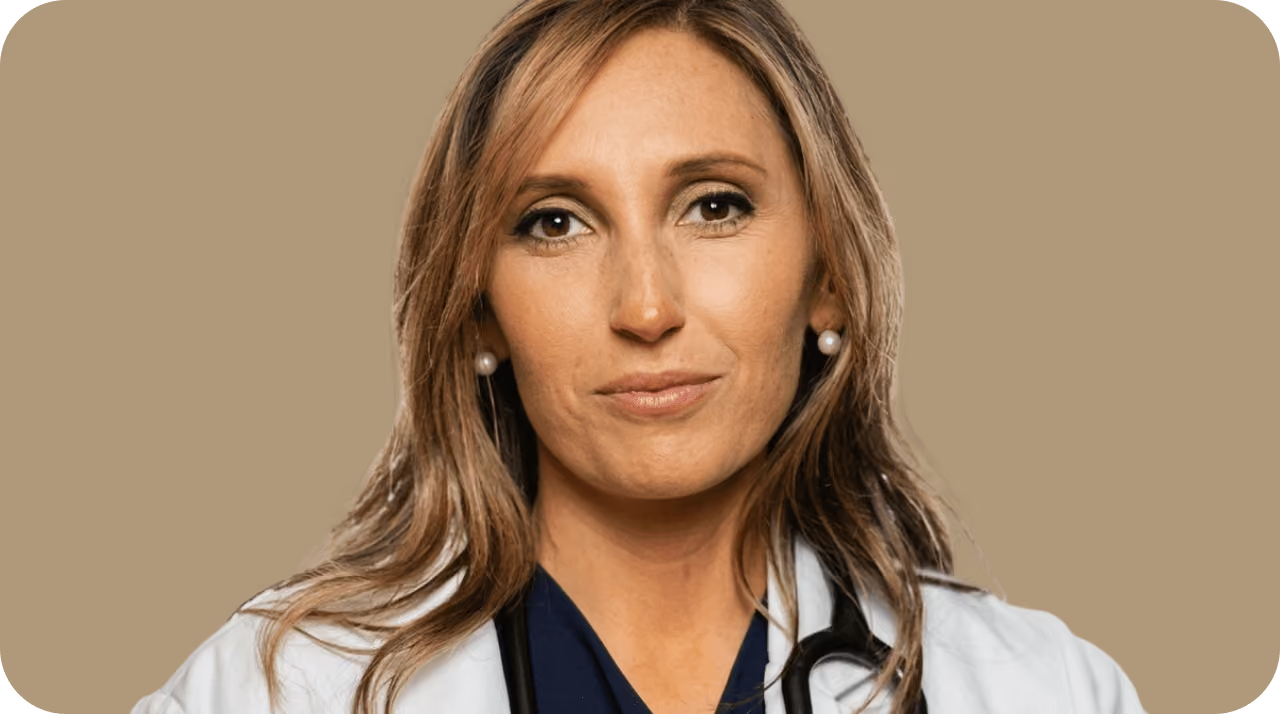
Dr. Susie Gronski
Licensed physical therapist, certified sexuality counselor, and founder of a men’s pelvic health clinic.
Natalie Goldberg
Certified sex and family therapist dedicated to improving intimate relationships and personal well-being.
Dr. Amy Pearlman
Board-certified urologist specializing in male sexual wellness, performance, and hormonal health.
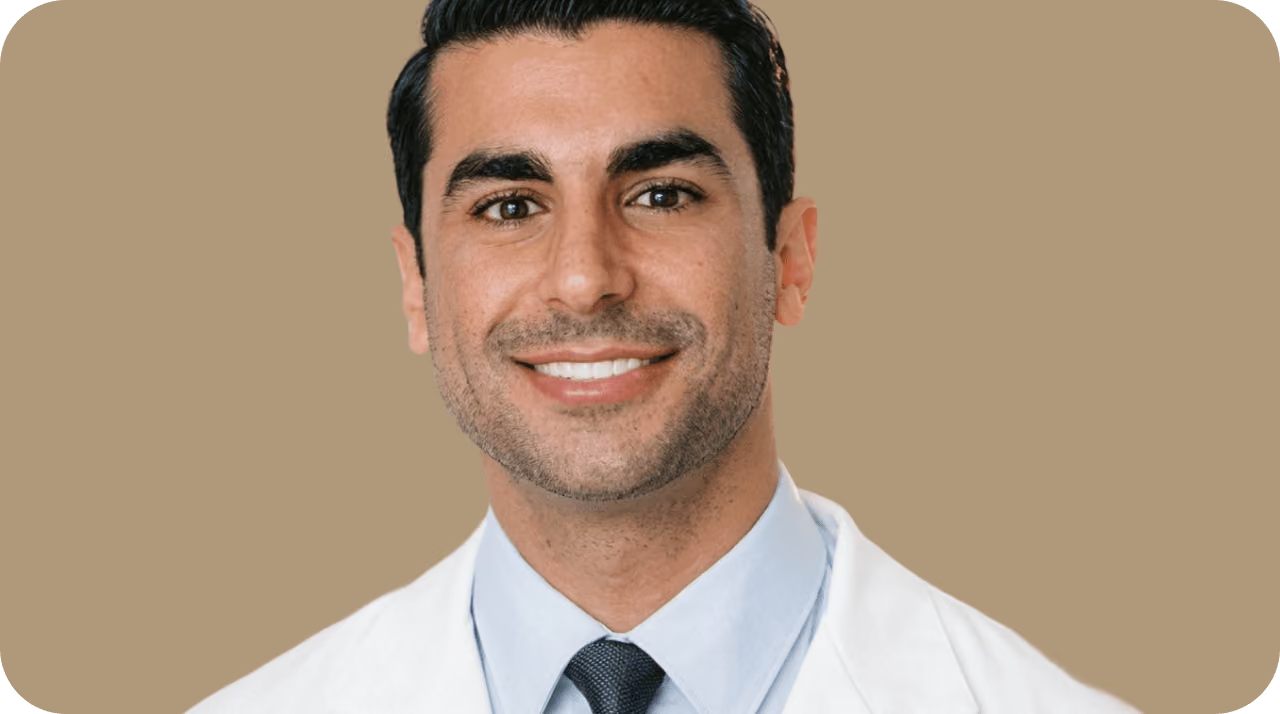
Dr. Justin Houman
MD, UCLA-trained urologist and male reproductive specialist focusing on sexual health.
Cameron Fraser
Certified sexologist and tantric yoga teacher who coaches men on sexual wellness and performance.
Ben Greenfield
13-time Ironman triathlete, bestselling author, and recognized expert in health, fitness, and performance.
Dr. Gary Shlifer
DO, board-certified internal medicine physician specializing in preventative care, nutrition, and anti-aging.
It becomes more common with age, but it’s not something you just have to accept. Health conditions, medication and stress can play a part at any age, and a clinician can help find which causes of erectile dysfunction apply to you.
Morning erections give a clinician useful information, but they don’t rule out physical causes or count as a diagnosis on their own. Mention it if you’re getting them less often. For more about morning erections, see our guide to getting morning wood back.
Yes. Erection difficulties can be linked to cardiovascular disease, diabetes, medication or other health factors. That’s why it’s worth seeing a doctor when problems persist. One symptom doesn’t prove you have any particular condition.
No. There’s no simple trick to cure ED, and how to fix ED depends on the cause. Medical care, healthy habits, help with anxiety and the right exercises can all play a part.
Yes, healthy habits can help. If you want to know how to get harder erections naturally, regular activity, avoiding smoking and cutting down on heavy drinking are useful steps. They don’t replace care for an underlying condition. Ask a clinician or pharmacist before using supplements for ED.
Yes. Our Keep It Hard program gives you guided pelvic floor exercises, relaxation and practices for performance anxiety to use alongside medical care. Decide with a clinician how to treat erectile dysfunction medically, including whether medication suits you.
There’s no fixed timeline. It depends on the cause, your health and how well the exercises suit you, and it won’t happen overnight. Get advice if symptoms persist or get worse.
Stop the exercise and get advice if pain persists or comes back. More contractions aren’t always better, especially with a tense pelvic floor. A pelvic health professional can tell you which practices suit you.
Keep It Hard combines guided pelvic floor exercises, relaxation and practices for performance anxiety in a daily plan. Short video, audio and text lessons explain what to do. Allow about ten to twenty minutes a day.
No special equipment is needed, and the solo practices don’t need a partner. Some later lessons are for you and a partner, and the main touch practice also has a solo version. The program doesn’t involve pills and doesn’t replace prescribed medication or medical care.