Sudden erectile dysfunction often has a recent cause, such as a stressful few weeks, poor sleep, a few drinks or one night that went wrong. Worry about the next time can then keep the problem going, because it switches on the body’s stress response, which sends blood away from the penis. When the cause is temporary, the trouble often eases once it passes or the pressure comes off. A new medicine, an injury or a health problem can also change erections suddenly. If one of these could be the cause, or you can’t get an erection in any situation, including on your own, see a doctor. Keep It Hard, a program in The Coach app, teaches exercises that calm the stress response and help you handle the situations that set it off.
Get my planAn erection depends on a chain of events: something turns you on, the brain sends a signal along the nerves, and blood flows into the penis and stays there. When you suddenly can’t get or keep an erection, something affecting that chain has usually changed recently.
Common causes of sudden or temporary erectile dysfunction include these, and they often overlap:
For more on how worry and stress can block an erection, see our guide to psychological erectile dysfunction.
There’s no set length. Temporary erectile dysfunction often eases once its cause passes or the pressure comes off. Doctors usually speak of erectile dysfunction as a condition only when the trouble happens most of the time for several months.
How long it lasts depends on what’s behind it:
If it keeps coming back and you’re not sure why, our guide to why you can’t get hard covers the common reasons.
Trying to force an erection usually backfires, because pressure feeds the stress response. Take the pressure off in the moment, look at what changed and practice when nothing is at stake. If it happens in every situation, see a doctor first.
Keep It Hard covers each of these steps and adds the exercises to a daily plan. A few questions show where to begin.
Situational erectile dysfunction means trouble getting or keeping an erection only in certain situations, while you still get hard when you masturbate or wake up with erections. Your blood vessels and nerves are then probably working; something about the situation sets off worry or interrupts arousal.
Typical situations include:
When worry about performance is what sets it off, our guide to sexual performance anxiety explains what helps.
A single difficult night is common and usually means little. Trouble lasts when worry about the next time takes over, and it tends to run like this:
Worry pulls your attention away from what you feel and toward what might go wrong. This grounding exercise brings your attention back to the present moment and helps your body calm down.
Practice it three times a week for two weeks, then use it whenever worry builds, before or during sex. Silently name:
Keep It Hard includes this exercise, box breathing and other ways to calm the stress response, and adds them to your daily plan.
When erections change suddenly, start by looking at what changed.
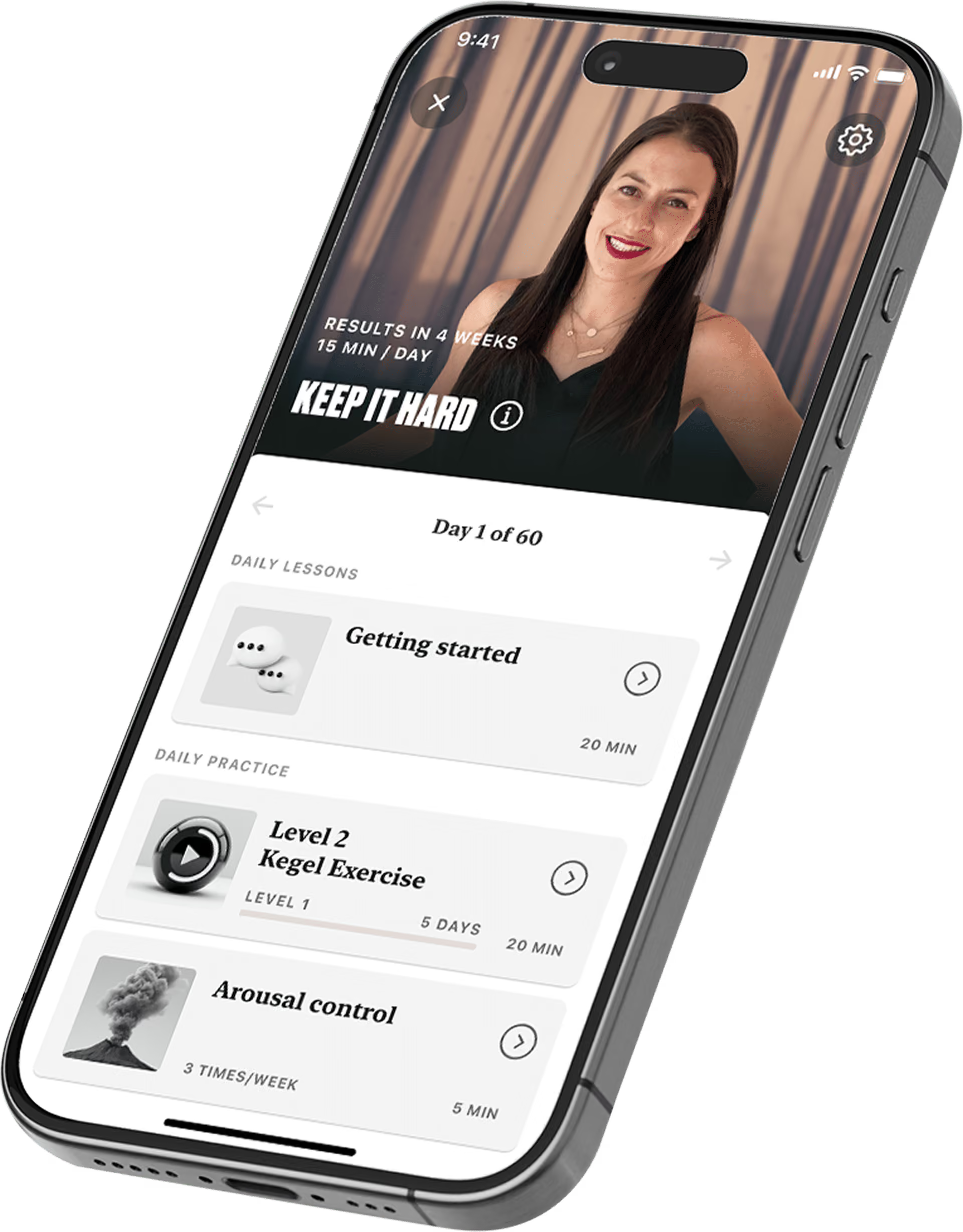
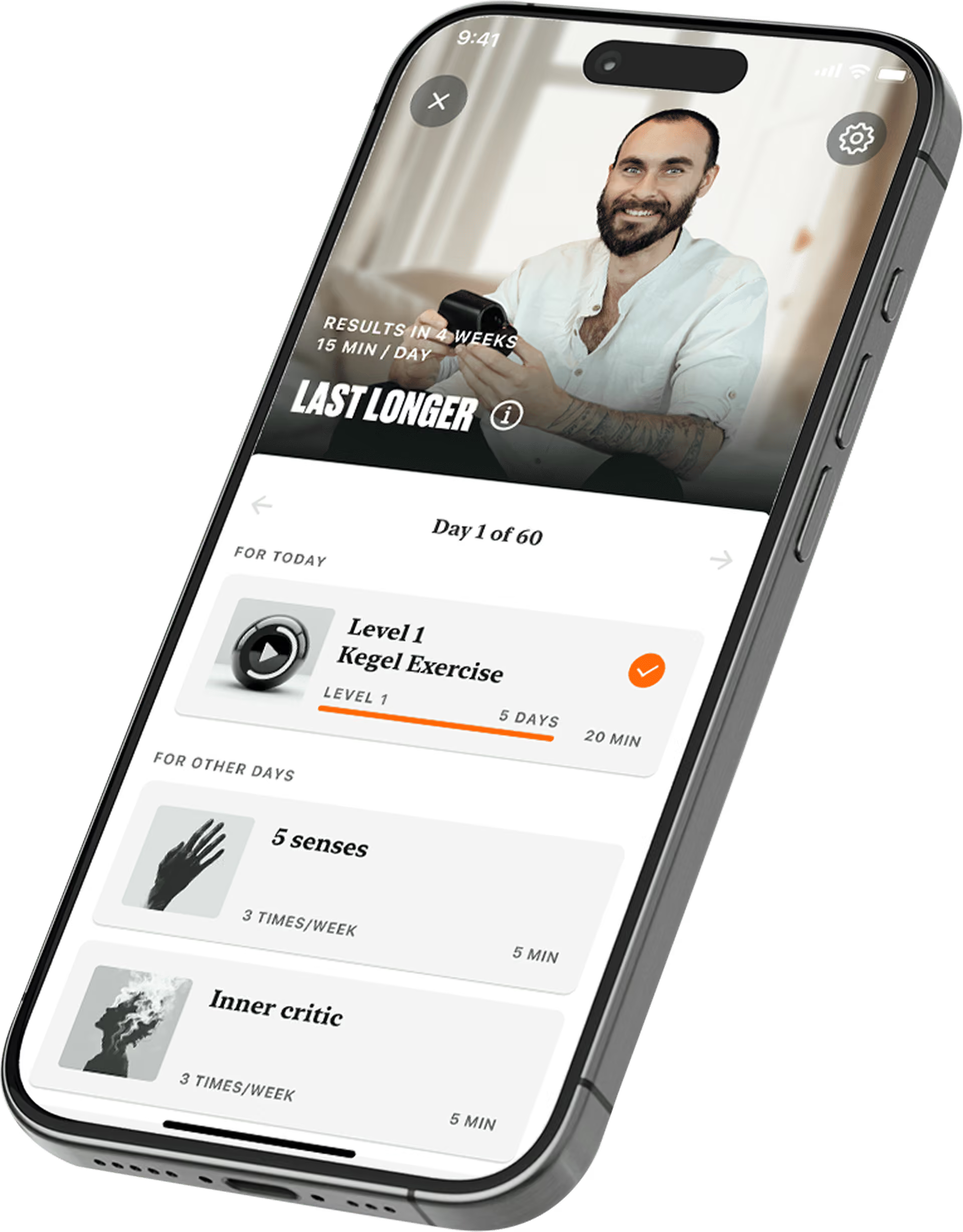
Keep It Hard is a program in The Coach app for men who want stronger, more reliable erections. Its 17 lessons cover how erections work, anxiety, the pelvic floor and sex with a partner, with about 10 to 20 minutes of practice a day.
Lessons on how an erection works, how physical and psychological causes differ and which signs mean you should see a doctor.
Box breathing, the five senses exercise and exercises for the critical inner voice that expects things to go wrong.
Finding and planning for the situations that set off worry, the soft penis exercise and a solo exercise for getting to know your arousal.
Answer a few questions and you get a plan that shows which practices to start with. Keep It Hard then sets out what to do each day.
A sudden change often has an everyday cause, but some need a medical check. See a doctor if you can’t get an erection in any situation, including on your own or on waking, or if any of these apply:
At the appointment, expect questions about your health, medicines and habits, and possibly checks of your blood pressure, blood sugar, cholesterol and testosterone. Our guide to erectile dysfunction covers the medical side in more detail.
In the moment, a short, warm sentence is enough, for example: “I really want you. Let’s slow down for a bit.” A long apology turns the attention back to your erection and adds pressure.
Later, when you’re both relaxed, you can explain that this is new for you too, that it isn’t about how you feel about them, and what helps, such as more time for touch. Talking about it often takes pressure off you both, and your partner can help you avoid the situations that set it off.
These figures come from a survey of The Coach users after their first four weeks. They describe what users reported, not a promise for every man.
Box breathing and the five senses exercise work best when they’re familiar, so you can use them on a difficult night without thinking. Your plan shows how often to do each one.
Reviews from men using the app, in their own words.
“I have Only Just Started this Course and Already in my first part have learned so much from it. It seems that Everyone is genuinely trying to help men, who experience ED or similar mental health issues and problems about their health. It is not all about the physical side of Yourself that stops You maybe from having temporary or permanent problems.”
“This app is just what I needed when my confidence was at an all time low. I felt stressed and completely lost all interest to the point where I struggled to get it up. But then I took a chance on this app. Daily listening and going through the exercises sometimes even half-mindedly. Well! Let’s just say she definitely noticed the change and now can’t seem to get enough of it 😁👍”
“I started the Coach program because there was some real inconsistency in my response to stimulus. In fact I was beginning to believe that my sexual life was on its way out the door. I was pretty desperate to find a solution and I stumbled across The Coach. It has been a game changer.”
“My experience with ‘The Coach’ app has been very good. The lessons and exercises have helped me tremendously. I am much more confident both within myself and also with my appearance. Intimate moments are not so anxious as before because I follow the helpful advice given in the ‘The Coach’ app.”
Keep It Hard was developed with specialists in men’s health, among them urologists, physiotherapists, a sex therapist and a sex coach.
Gerard Greene
Specialist men's health physiotherapist and senior lecturer at Coventry University.
Dr. Susie Gronski
Licensed physical therapist, certified sexuality counselor, and founder of a men's pelvic health clinic.
Natalie Goldberg
Certified sex and family therapist dedicated to improving intimate relationships and personal well-being.
Dr. Amy Pearlman
Board-certified urologist specializing in male sexual wellness, performance, and hormonal health.
Dr. Justin Houman
MD, UCLA-trained urologist and male reproductive specialist focusing on sexual health.
Cameron Fraser
Australia's leading men's sex coach, specializing in male sexual wellness and performance.
Ben Greenfield
13-time Ironman triathlete, bestselling author, and recognized expert in health, fitness, and performance.
Dr. Gary Shlifer
DO, board-certified internal medicine physician specializing in preventative care, nutrition, and anti-aging.
If you suddenly can’t get an erection, something has usually changed recently: a stressful few weeks, less sleep, more drinking, a new partner, or one night that went wrong and left you worried about the next. Less often, a new medicine, an injury or a health problem is behind it. If you still get erections on your own or on waking, the situation is the more likely cause; if you don’t, see a doctor.
Often it is, when the cause is temporary, such as stress, tiredness or alcohol. It can last longer if worry about the next time keeps it going or if a physical problem is involved. If it doesn’t ease, see a doctor.
Usually a drop in arousal during sex. A worried thought, for example when you notice yourself softening a little, can switch on the stress response, and a pause in touch, such as putting on a condom, can interrupt arousal. For what to do when it happens, see our guide to losing your erection during sex.
Erection problems that come and go, sometimes called intermittent erectile dysfunction, usually depend on the situation: how stressed or tired you are, whether you’ve been drinking, who you’re with and how much pressure you feel. Noting when it happens helps you see the pattern.
Yes, even at 21. In your 20s, sudden trouble getting hard is more often linked to worry, stress, alcohol, drugs or a new partner than to a problem with blood flow. If it happens in every situation, see a doctor. For more, see our guide to erectile dysfunction in young men.
Often it isn’t: a short stretch linked to stress, tiredness or alcohol is common. It needs a doctor’s check if it happens in every situation, began with a new medicine or after an injury, or comes with other new symptoms, and also if you have heart or blood sugar risks.
No. Box breathing, the five senses exercise and the soft penis exercise are all done on your own. The lessons on talking about sex, foreplay and positions are for when you have a partner.
About 10 to 20 minutes. Some practices are daily and others a few times a week; your plan shows what to do each day.