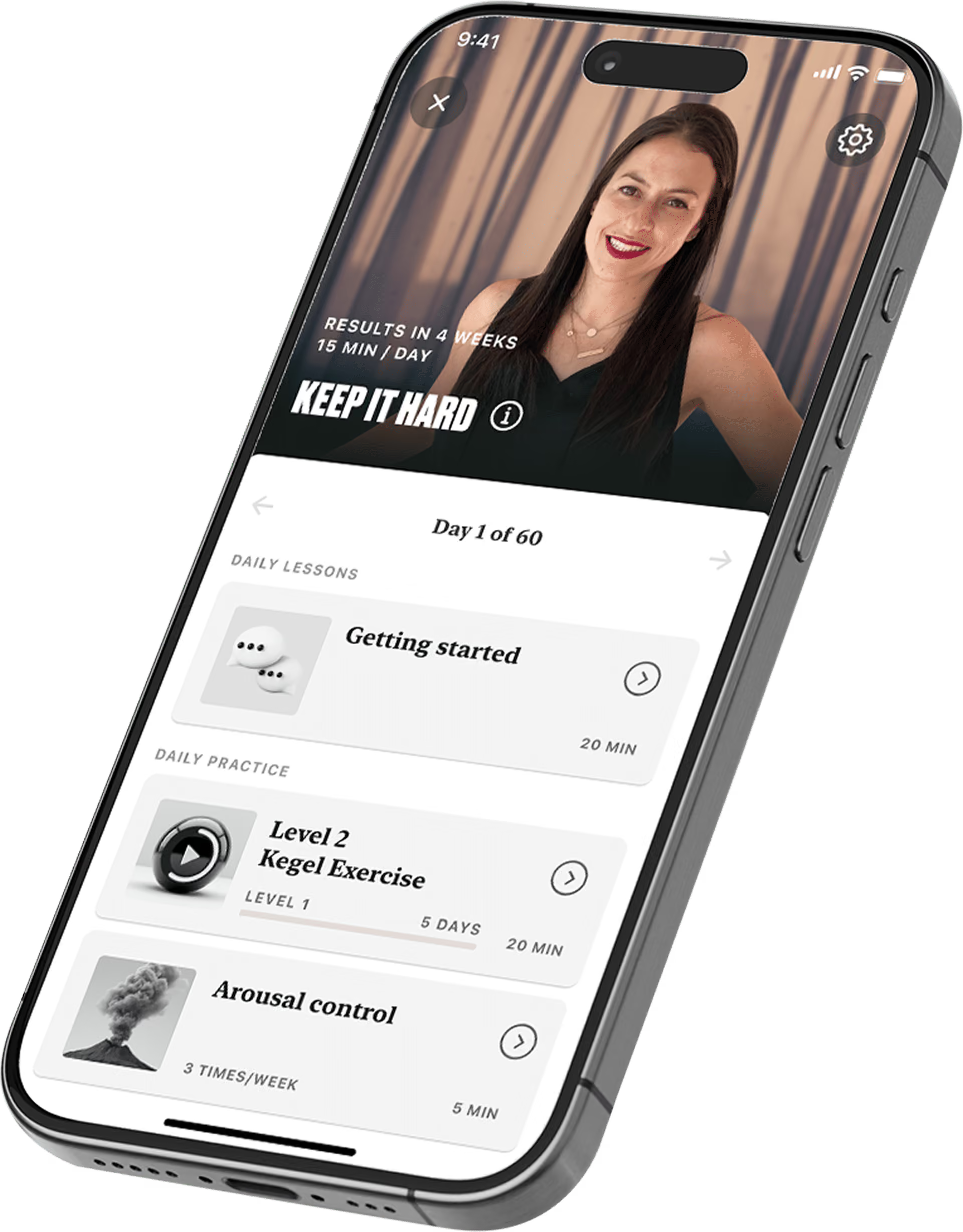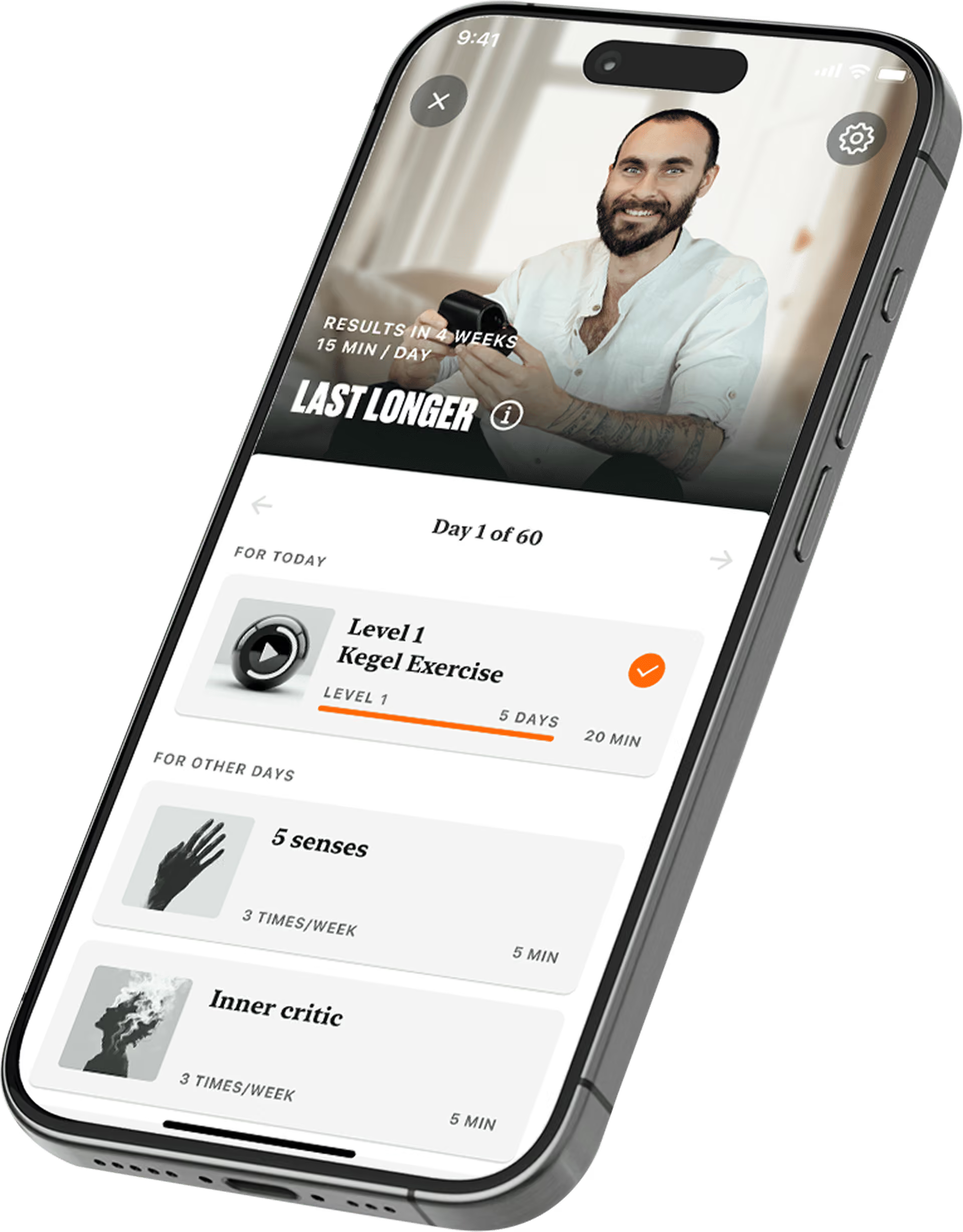
Masturbation doesn’t cause erectile dysfunction (ED): research hasn’t found that masturbating, even often, leads to erection problems. Some habits around it can still make it harder to get or keep an erection with a partner: a very tight grip or fast strokes, needing porn every time, masturbating shortly before sex, or feeling guilty about it. If you can’t get an erection even when you masturbate, see a doctor, because a physical cause is more likely. Keep It Hard, a program in The Coach app, includes solo exercises that turn masturbation into practice for arousal and erections, along with pelvic floor training and calming exercises.
Get my planAn erection starts in the brain. Arousal sends signals along the nerves, the blood vessels in the penis relax and fill with blood, and the pelvic floor muscles press on the veins so the blood stays in. Masturbation runs on the same response as sex with a partner, and using that response often doesn’t weaken it.
So can masturbation cause erectile dysfunction? Not by itself. Studies comparing how often men masturbate with how well their erections work haven’t found that masturbating more leads to more erection problems. The known causes of ED lie elsewhere:
Most men with ED have more than one cause at work, and our guide to erectile dysfunction explains each one.
Excessive masturbation often gets the blame, but how often you masturbate matters less than the habits around it. When masturbation does seem to affect erections, one of these five habits is often part of the reason:
If you find it hard to get aroused without porn, our guide to porn-induced erectile dysfunction explains how porn can affect arousal and what helps.
Masturbation doesn’t treat the medical causes of ED, which need a doctor, but it can help when stress, worry or habit plays a part. Sex therapists use solo touch exercises because they let you learn how your arousal works without any pressure from a partner. It helps to change how you masturbate:
Keep It Hard turns this kind of slow, relaxed touch into structured solo exercises. A few questions show you where to begin.
Many men grow up hearing that masturbation is harmful: that it uses up erections, damages the penis or causes problems later in life. Research doesn’t support any of it, but believing it can cause real trouble. Worry about sex triggers the body’s fight-or-flight response, which sends blood to the arms and legs and away from the penis. When an erection then fades, the fear seems confirmed, and the next time the worry is stronger.
Three habits help break that cycle:
When worry is a big part of the problem, our guide to psychological erectile dysfunction explains how to work through it.
No number of times a week counts as too much, and no number will improve your erections. What matters is whether masturbation gets in the way of the sex you want. These signs suggest it might:
The arousal control exercise is slow, attentive masturbation with a purpose. You find out how much stimulation you need for an erection, then let it fade and bring it back, so that losing an erection stops feeling like a reason to panic.
Set aside 20 to 30 minutes in a warm, private room, ideally naked, twice a week for four weeks:
Keep It Hard includes this exercise, a solo touch exercise and an exercise for getting comfortable with a soft penis. Each one you try is added to your daily plan.
Masturbation itself isn’t the problem. The habits and worries around it can get in the way, and both can change.
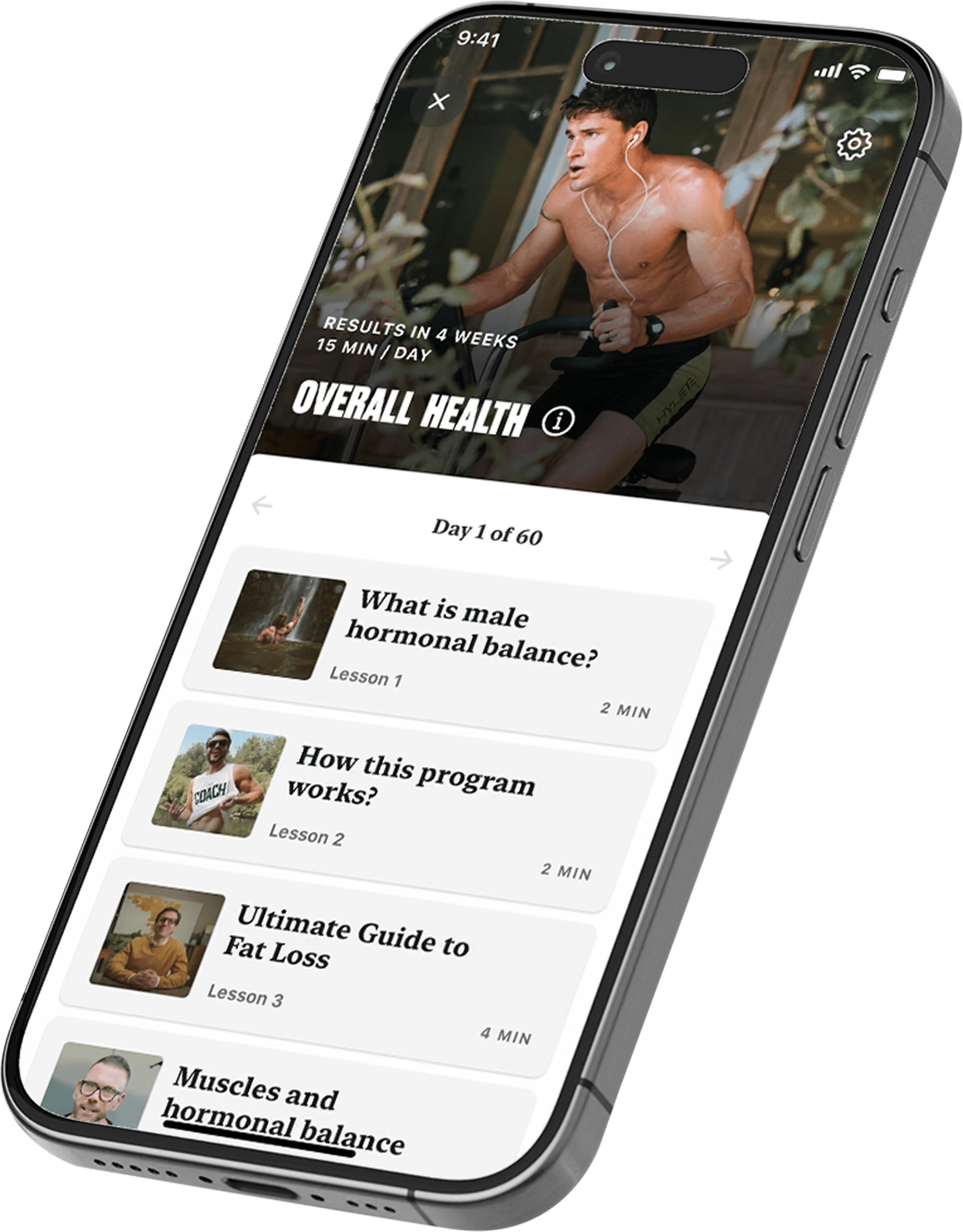
Keep It Hard is a self-guided program for men who want stronger, more reliable erections without pills. Its 17 lessons cover how erections work, anxiety, the pelvic floor and sex with a partner, and every practice you try goes into a daily plan of about 10 to 20 minutes. It doesn’t diagnose or treat medical causes; that’s your doctor’s job.
Solo exercises for letting arousal build, letting an erection fade and bringing it back, and feeling at ease with a soft penis.
Breathing exercises and ways to answer the self-critical thoughts that can stop an erection.
A check for a tense or weak pelvic floor, followed by relaxation, stretching or Kegel training to match.
Your plan shows which practices to begin with. From then on, Keep It Hard sets out what to do each day.
Changing how you masturbate won’t help if the cause is physical. See a doctor if erection problems keep coming back: they can be an early warning sign of heart trouble, appearing some 3 to 5 years before any heart symptoms. These signs make a physical cause more likely:
If you get hard on your own but not with a partner, our guide to why you can’t get hard explains what that pattern usually means.
Masturbating while you’re in a relationship is common, and on its own it doesn’t mean anything is wrong between you. If your solo habits make sex together more difficult, saying so can take pressure off both of you. Choose a calm moment and talk about what you’d like to try, rather than about what went wrong.
Masturbating together can help too. Each of you shows the other how you like to be touched, and the focus moves from your erection to pleasure, so sex doesn’t have to depend on penetration.
These figures come from a survey of The Coach users after their first four weeks. They show what users reported, not a result every man will see.
If the practice is helping, you may notice small changes: arousal builds with a lighter touch, a fading erection comes back more often, and you worry less when it fades. The quiz sets up your plan, and Keep It Hard asks about your progress from time to time.
Reviews from men using the app, in their own words.
“My experience with ‘The Coach’ app has been very good. The lessons and exercises have helped me tremendously. I am much more confident both within myself and also with my appearance. Intimate moments are not so anxious as before because I follow the helpful advice given in the ‘The Coach’ app.”
“I was skeptical on how the exercises would help. I had tried pills to go longer and they had no impact. The exercises and practices in my path have been great to enable my body to learn how to control itself in the moment. Highly recommend as an alternative!”
“I have known all these exercises for a while but I was not able to stay consistent for a long time. I like that the app is engaging and makes you keep coming back to do your workouts. I also like that includes breathing exercises and psychological aspects as well. So it is all in one.”
“This app is just what I needed when my confidence was at an all time low. I felt stressed and completely lost all interest to the point where I struggled to get it up. But then I took a chance on this app. Daily listening and going through the exercises sometimes even half-mindedly. Well! Let’s just say she definitely noticed the change and now can’t seem to get enough of it 😁👍”
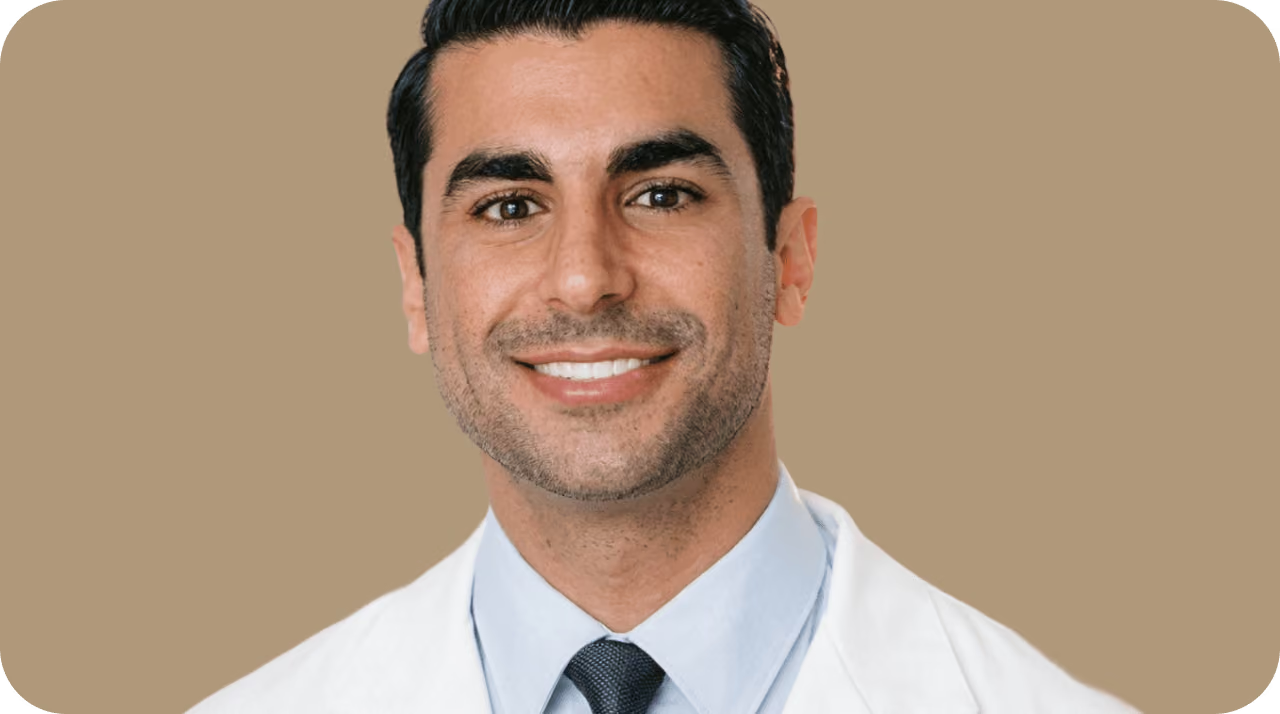
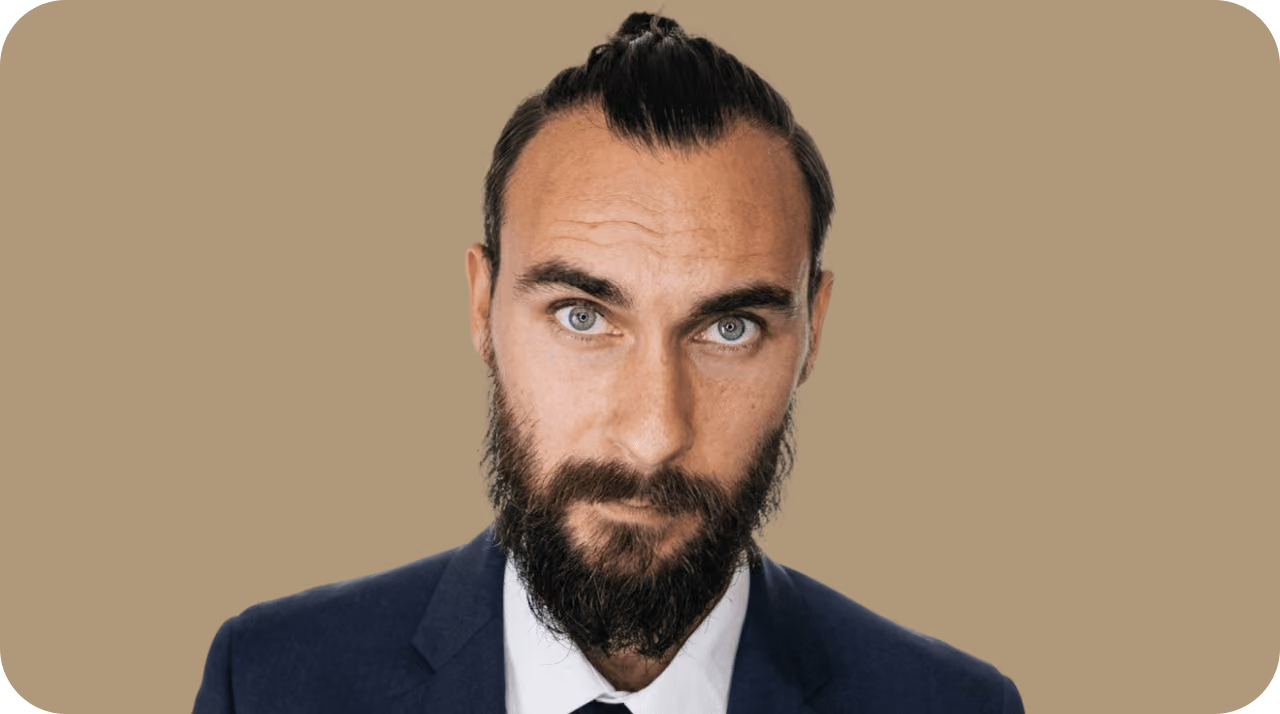
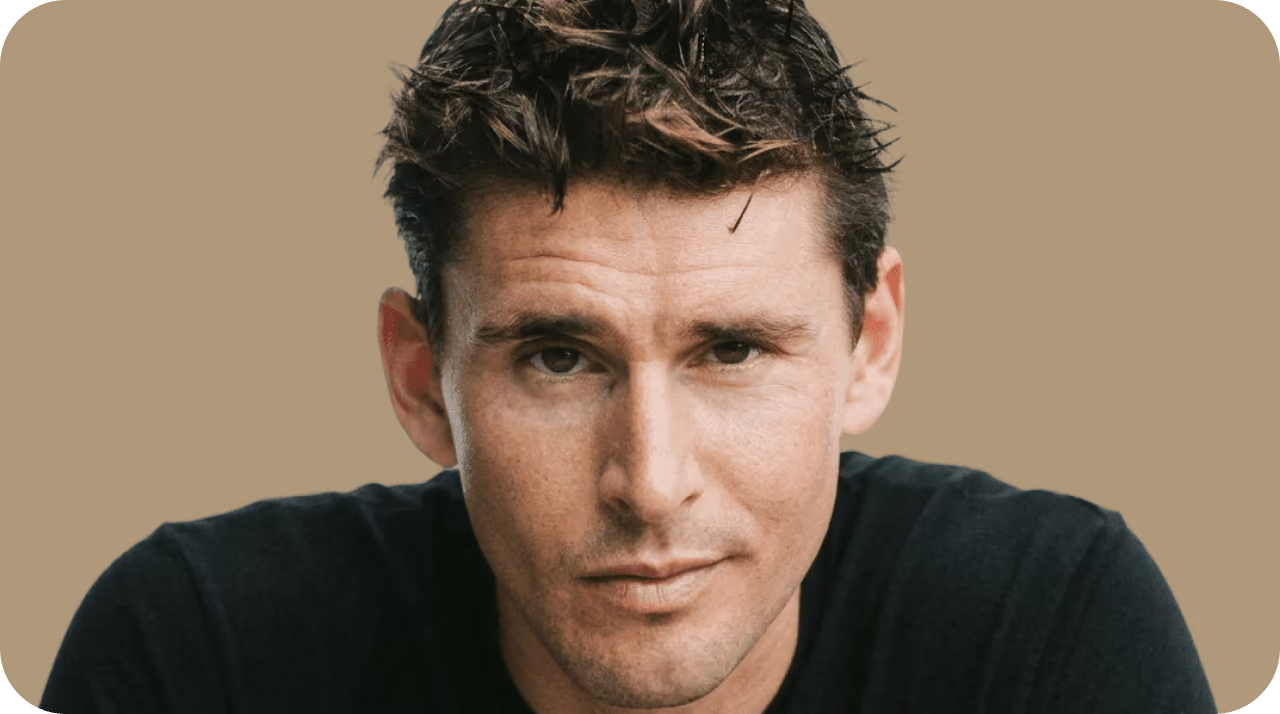
Keep It Hard was developed with specialists in men’s health, among them urologists, an internal medicine doctor, physical therapists, a sex therapist and a sex coach.
Gerard Greene
Specialist men's health physiotherapist and senior lecturer at Coventry University.
Dr. Susie Gronski
Licensed physical therapist, certified sexuality counselor, and founder of a men's pelvic health clinic.
Natalie Goldberg
Certified sex and family therapist dedicated to improving intimate relationships and personal well-being.
Dr. Amy Pearlman
Board-certified urologist specializing in male sexual wellness, performance, and hormonal health.
Dr. Justin Houman
MD, UCLA-trained urologist and male reproductive specialist focusing on sexual health.
Cameron Fraser
Australia's leading men's sex coach, specializing in male sexual wellness and performance.
Ben Greenfield
13-time Ironman triathlete, bestselling author, and recognized expert in health, fitness, and performance.
Dr. Gary Shlifer
DO, board-certified internal medicine physician specializing in preventative care, nutrition, and anti-aging.
Yes. Masturbation is safe with ED, and touch and orgasm are possible without a full erection. If you can’t get an erection even when you masturbate, see a doctor, because that points to a physical cause.
After you ejaculate, your body needs a recovery period before it can get another erection. How long that takes varies from man to man and tends to increase with age. It’s normal and isn’t erectile dysfunction.
There’s no need to stop if masturbation isn’t causing problems. If your arousal has come to depend on porn or a very tight grip, a break or a change in how you masturbate can help it adjust. Stopping alone doesn’t treat medical causes or anxiety.
It can delay your next orgasm, but the recovery period can also make it harder to get or stay hard. There are ways to last longer without that trade-off, and our guide to lasting longer in bed explains them.
Erections naturally rise and fall a little, and distraction, tiredness, alcohol or worry can make one fade. Losing an erection now and then is normal. If it happens most of the time, or you no longer have morning erections, see a doctor.
It isn’t a medical diagnosis, but some men do find that after years of a very tight grip or fast strokes, a partner’s touch feels too gentle. Easing your grip, slowing down and using lubricant give your sensitivity a chance to adjust.
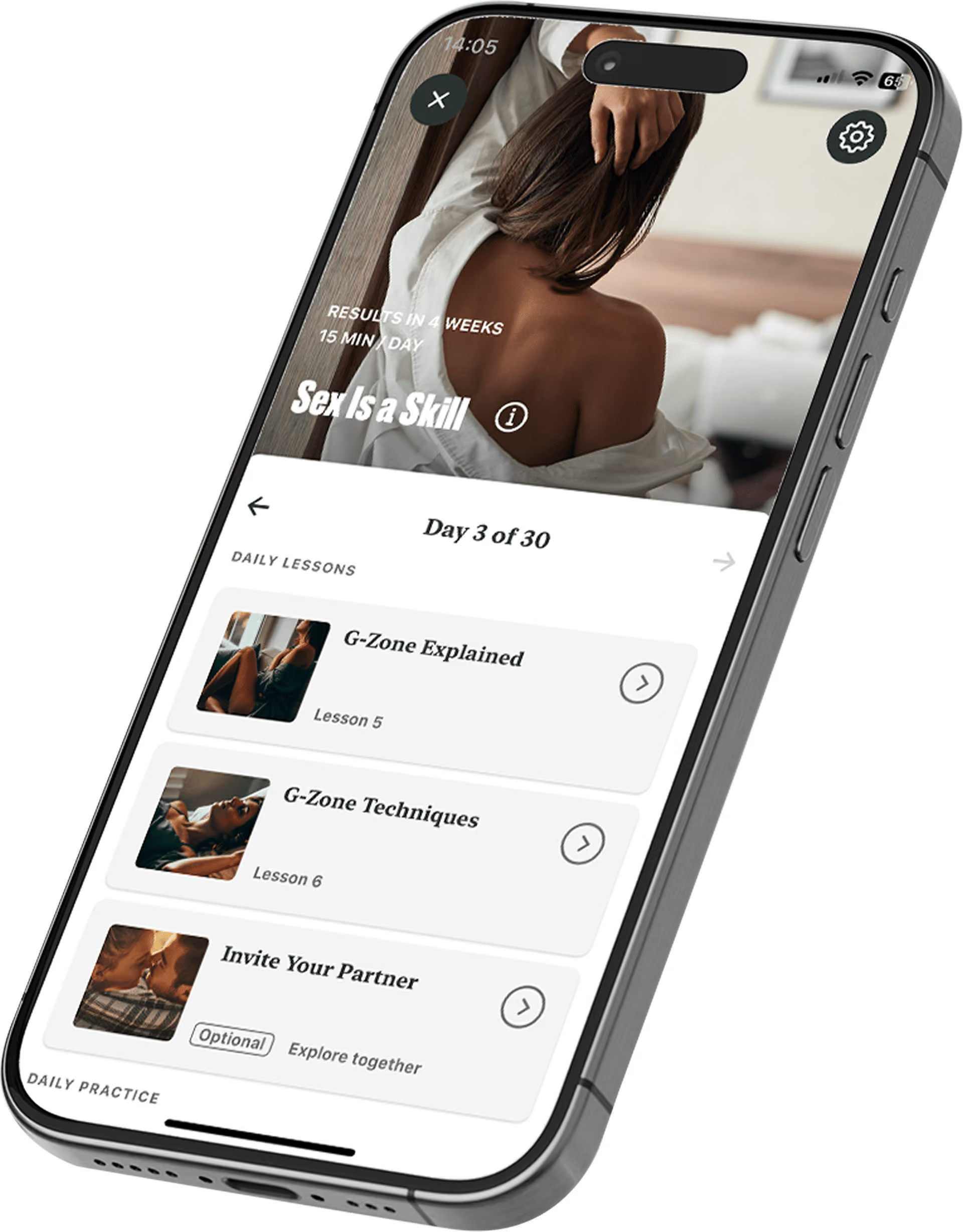
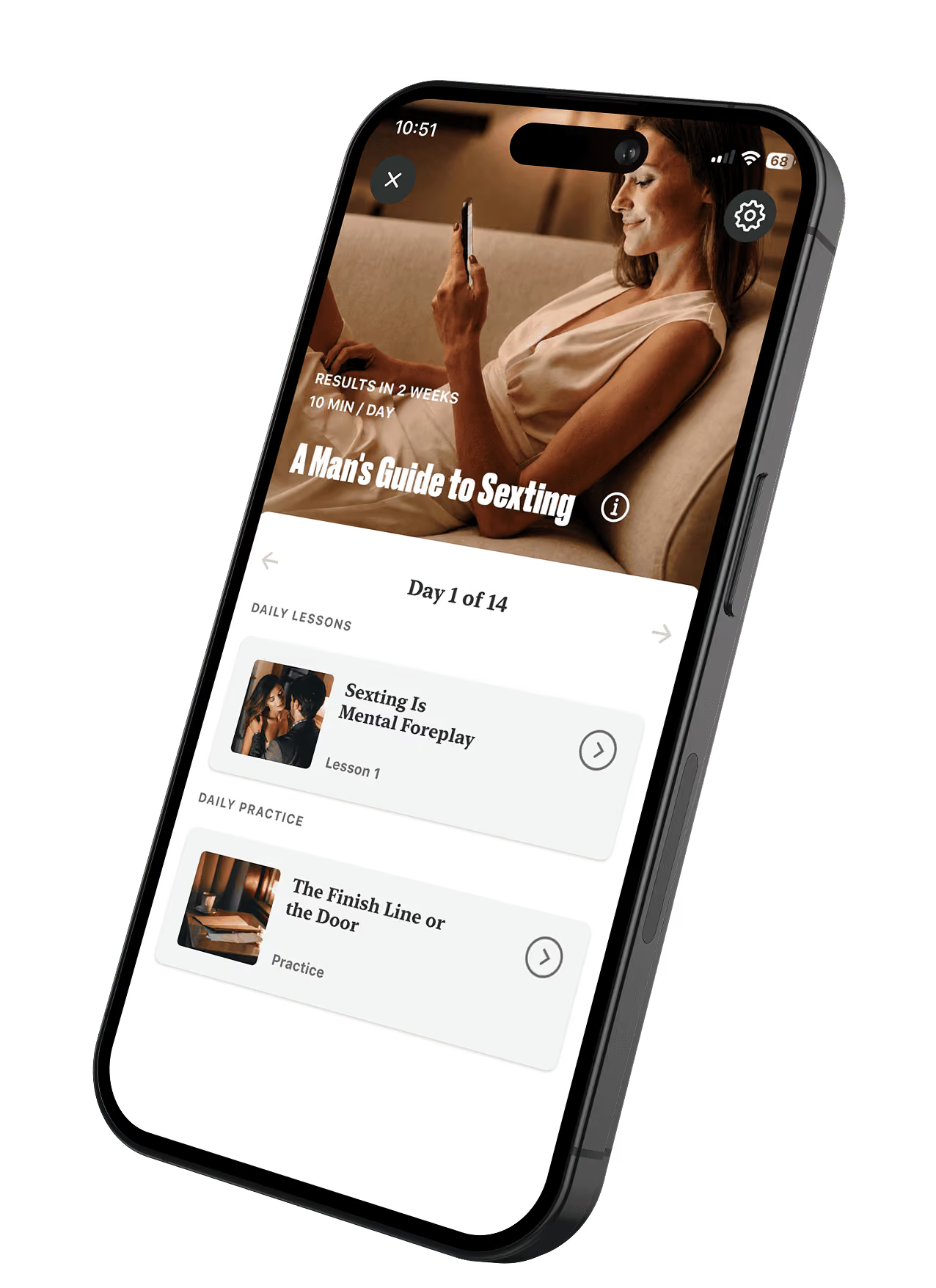
No. The arousal exercises, the solo touch exercise, the breathing exercises and the pelvic floor training are done alone. The touch exercise for couples and the lessons on foreplay and positions are for when you have a partner.
About 10 to 20 minutes. Some practices are daily and others a few times a week; your plan shows what to do each day.
Masturbation doesn’t cause erectile dysfunction, and done slowly and with attention, it can become practice. Keep It Hard gives you solo exercises for arousal, pelvic floor training and ways to calm worry, in a daily plan of about 10 to 20 minutes. The first step is a few questions.