Step 01
Answer the questions
Your answers set up your plan. Questions about pelvic symptoms decide whether you start with relaxation or strengthening, but they don’t diagnose muscle tension or weakness.

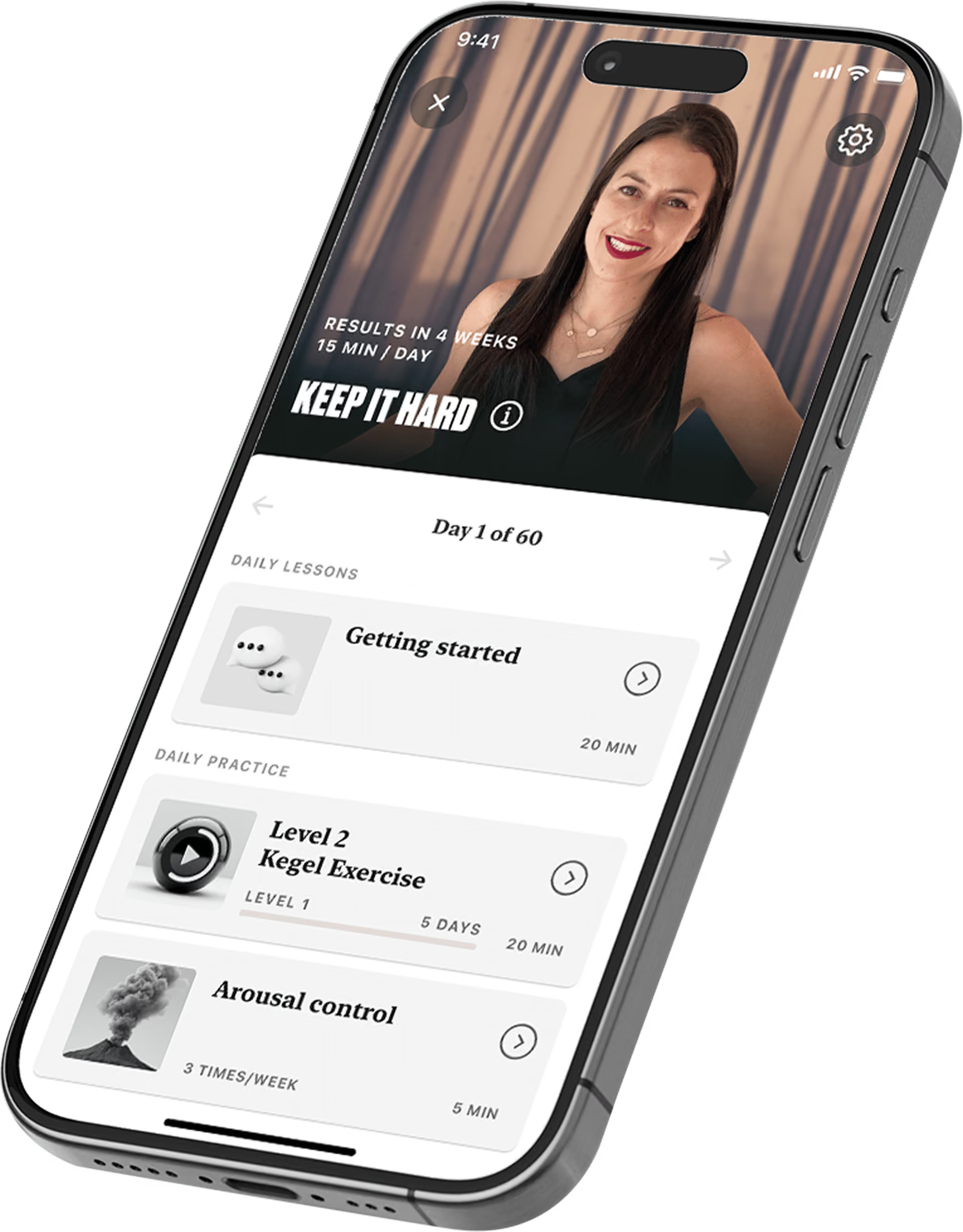
Porn-induced erectile dysfunction is the name people give to erection problems they link to watching porn, often when erections come easily alone but not with a partner. That pattern doesn’t prove porn is the cause or rule out physical factors. Keep It Hard, a program in The Coach app, guides you through practices for anxiety, for exploring touch and sensation, and for pelvic floor control.
Get my planPeople say porn-induced ED when they believe porn is behind their erection difficulties. The label doesn’t tell you the cause: anxiety, physical health, medication, relationship concerns and the kind of stimulation you’re used to can all play a part.
Studies link self-reported problematic porn use with erection difficulties, but a link doesn’t show that porn caused them. It’s too simple to assume that frequent viewing has permanently changed your body, or that one exercise will reverse it.
Desire and physical arousal are related but don’t always match: you can want sex and still find an erection hard to get, or respond differently in different settings. The practices teach you to focus on sensation instead of judging your response.
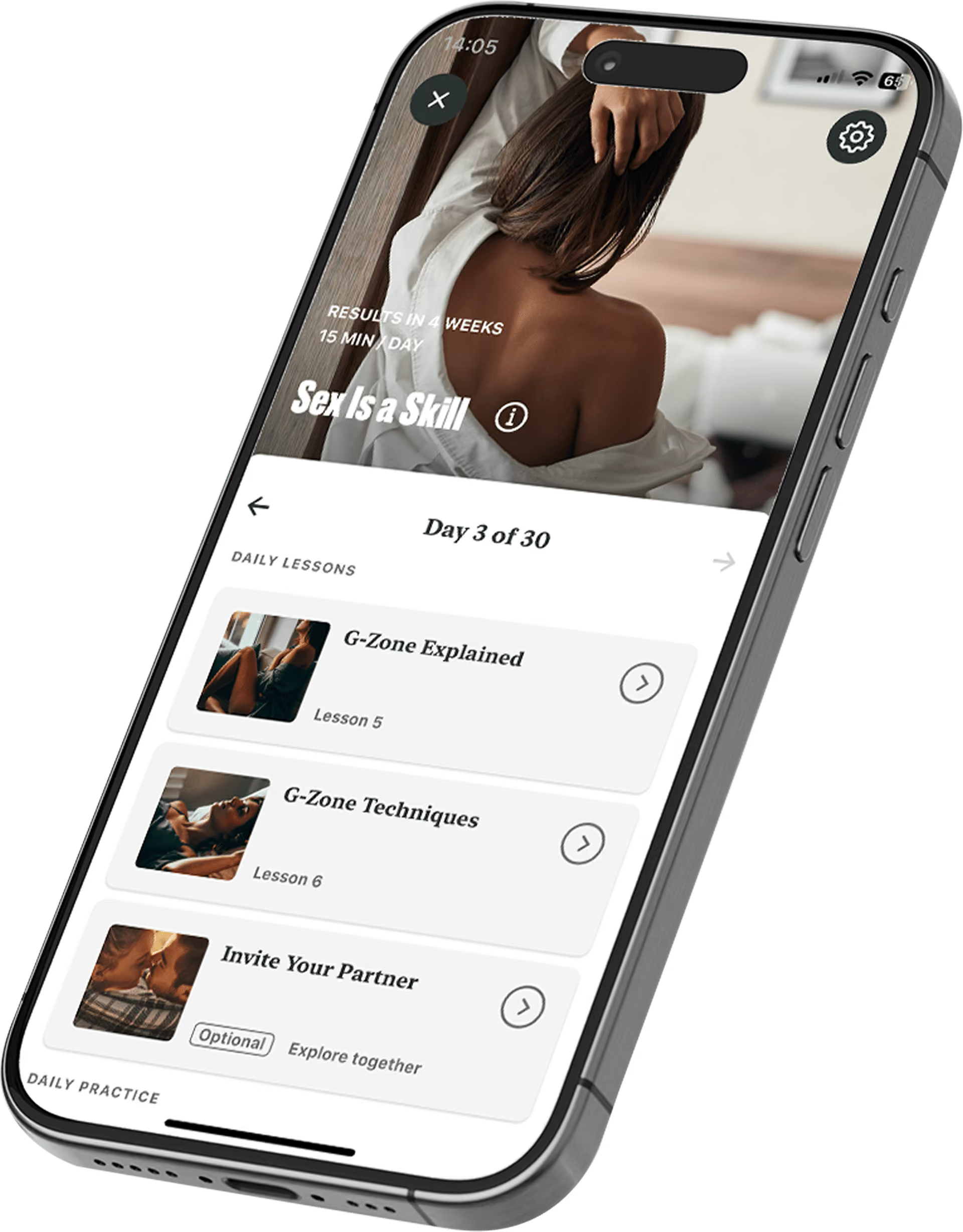
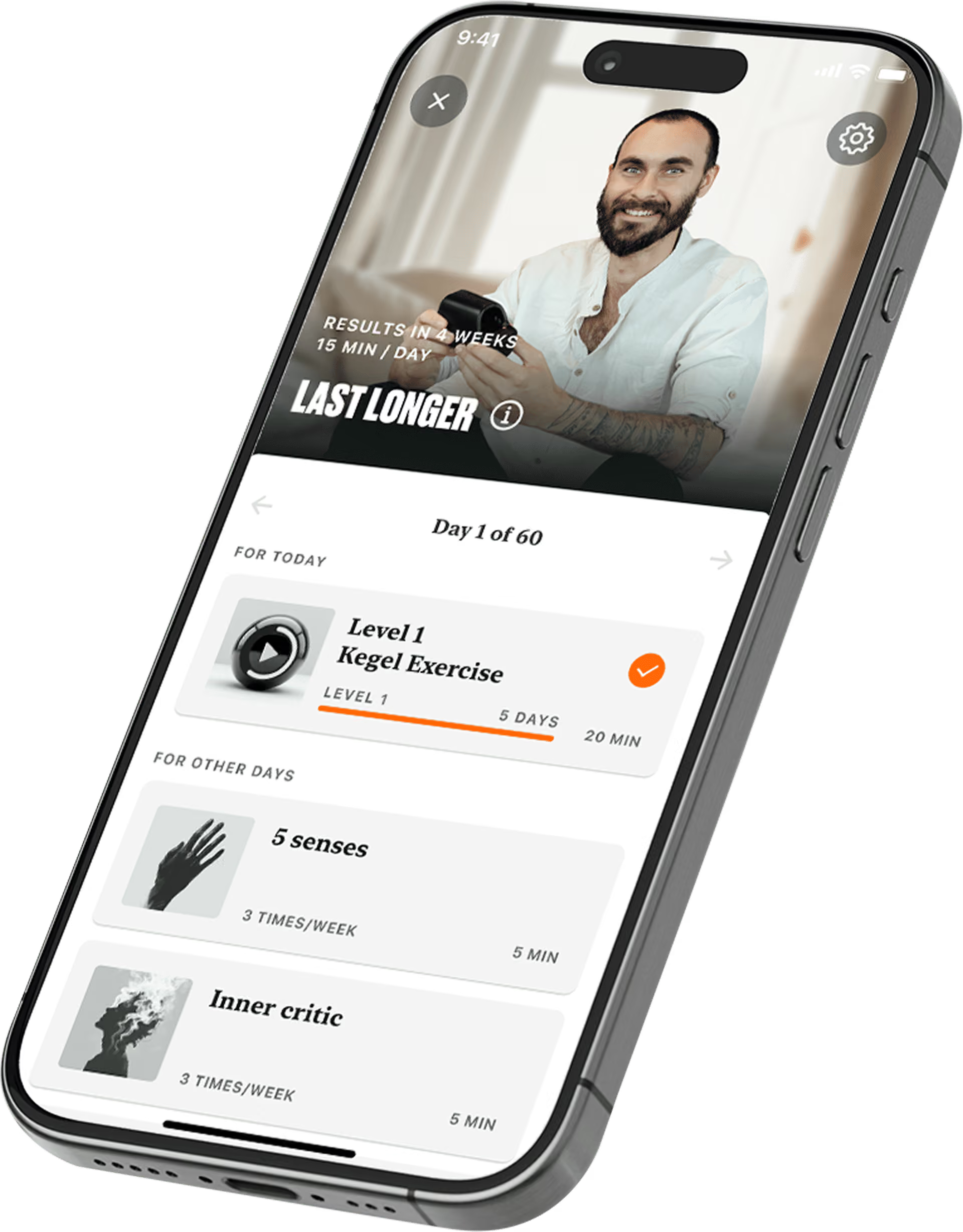
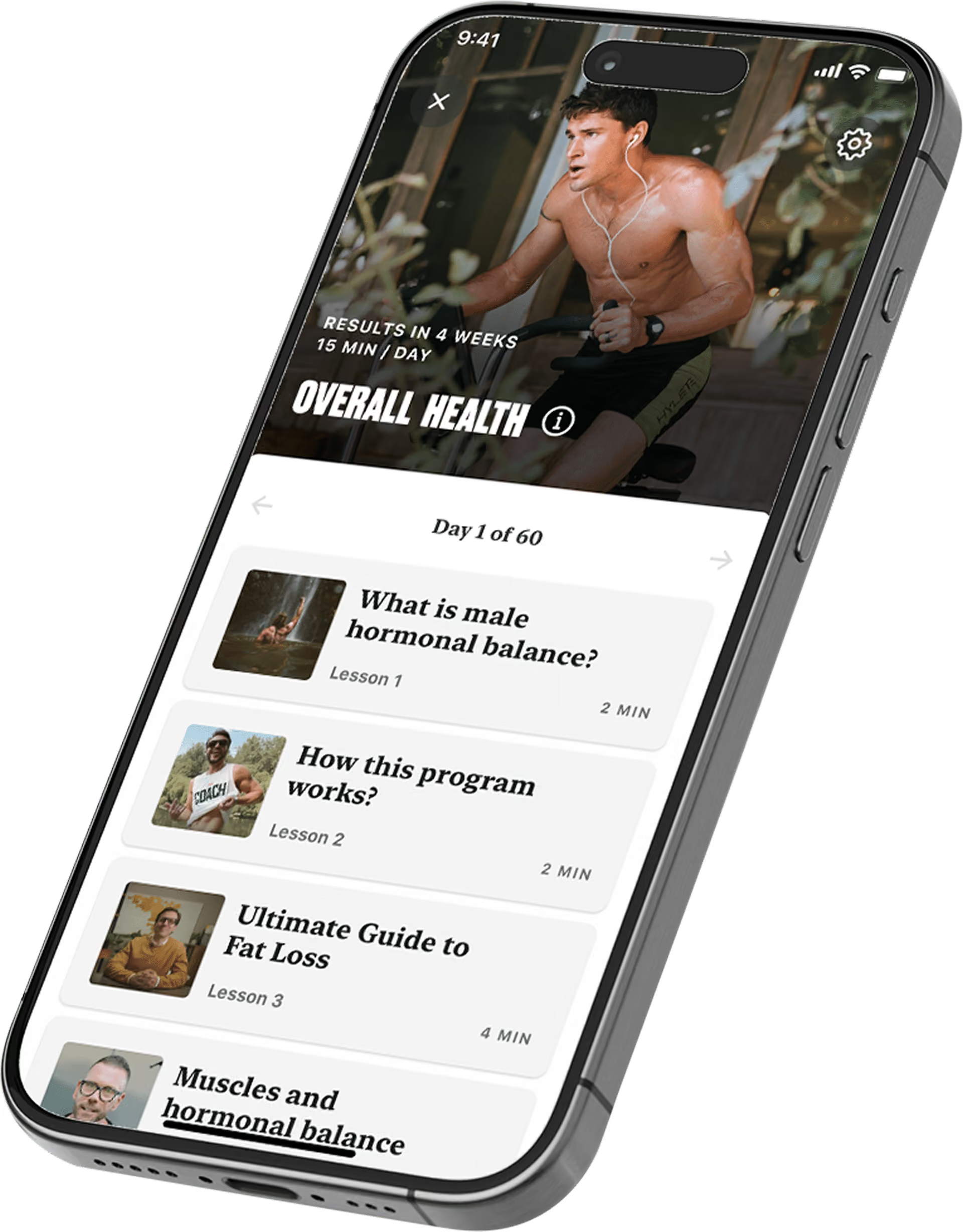
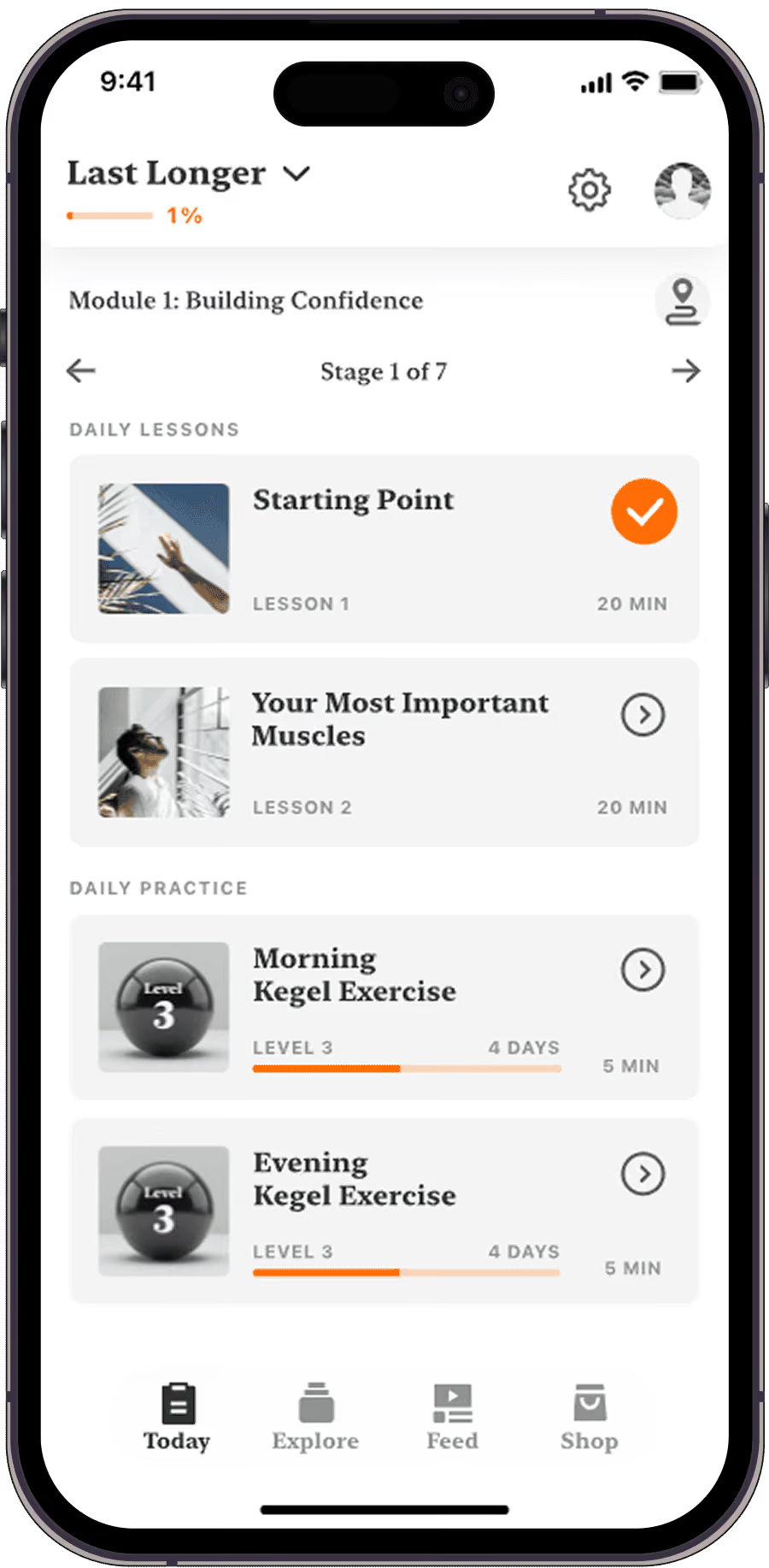
The app puts these practices into a daily plan with step-by-step instructions.
A short questionnaire sets up a plan of physical practices, relaxation and exercises for managing sexual anxiety. It doesn’t identify the cause of your symptoms.
Step 01
Your answers set up your plan. Questions about pelvic symptoms decide whether you start with relaxation or strengthening, but they don’t diagnose muscle tension or weakness.
Step 02
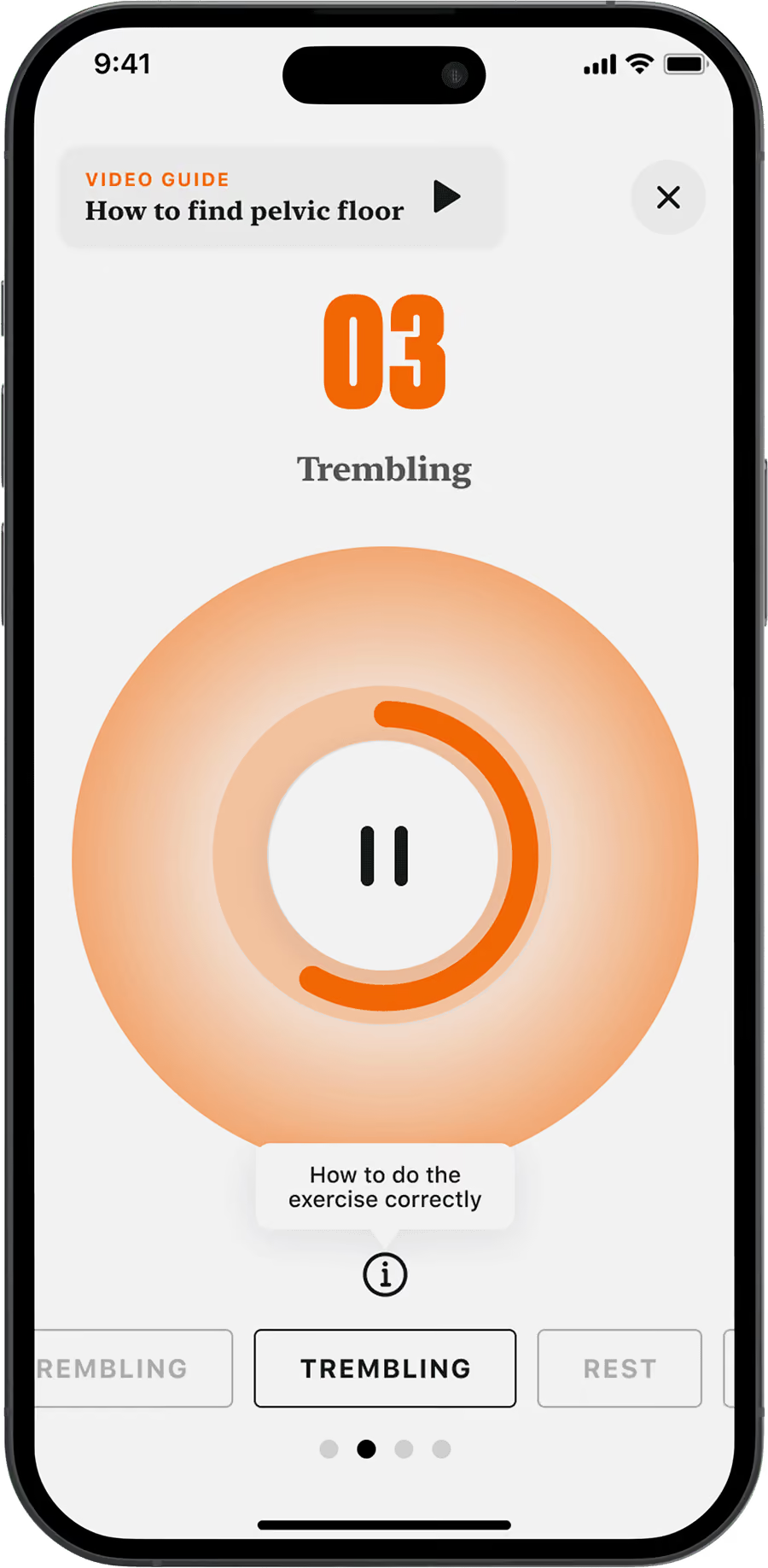
Short lessons and scheduled practices take about 10 to 20 minutes a day; a few practices, such as the full-body touch sessions, run longer on the days they’re scheduled.
Step 03
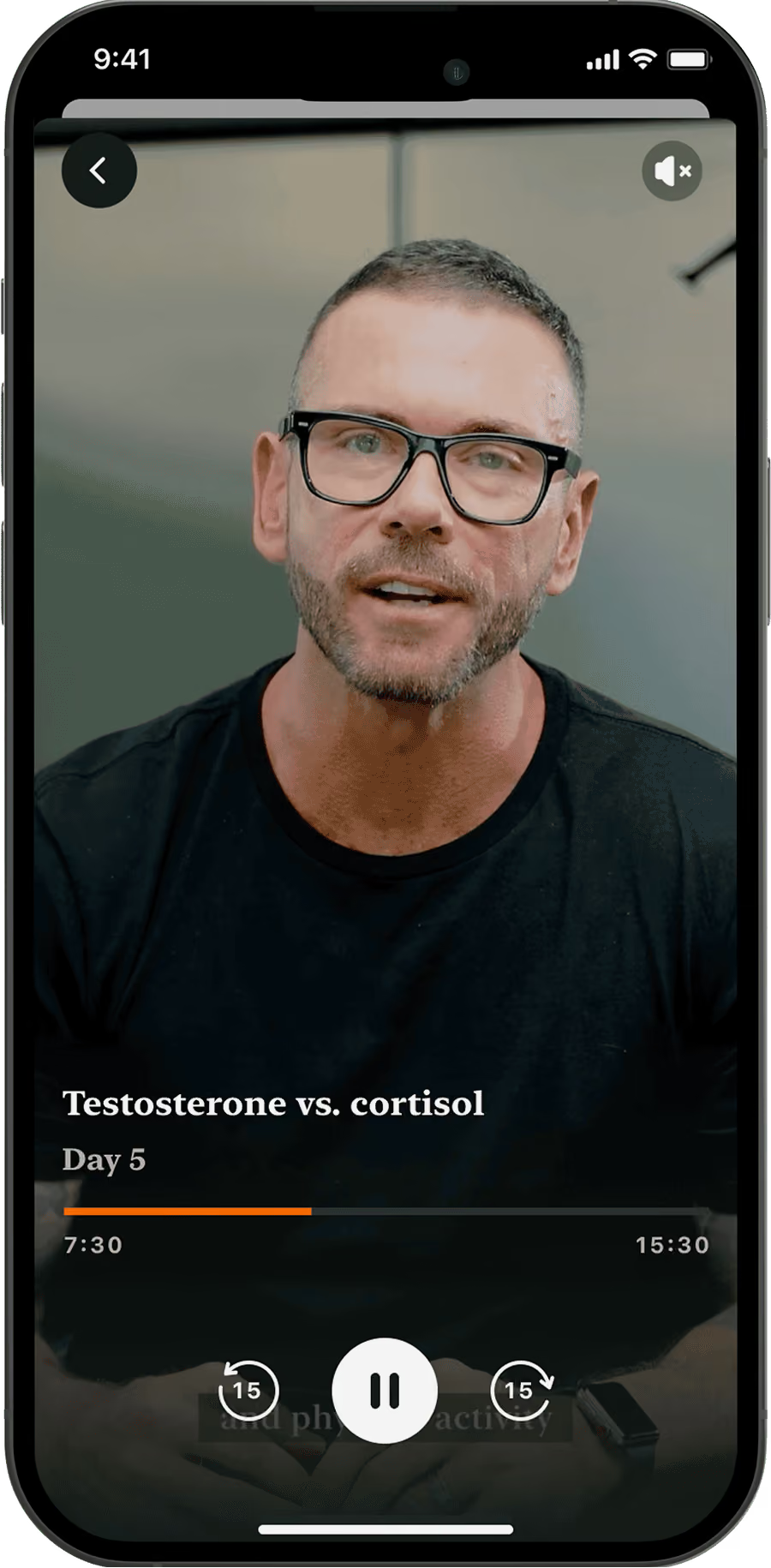
From time to time the app asks follow-up questions so you can look back on your practice. If symptoms persist or get worse, get professional advice rather than relying on the plan alone.
Answer a few questions and follow the guided practices at your own pace.
When erections are difficult is useful information for a clinician, but it can’t separate physical from psychological causes on its own. Morning or solo erections don’t rule out a physical cause either.
Note whether the change was sudden or gradual and whether anything else changed around that time, such as medication, health or stress.
Describe whether it happens alone, with a partner or in several situations. That helps an assessment, though it doesn’t confirm a cause.
Conditions such as diabetes, high blood pressure and circulation problems can contribute to erection difficulties. Tell your clinician about medicines, smoking and other relevant health factors.
A clinician may ask about your medical and sexual history, examine you and arrange tests where appropriate. The assessment depends on your symptoms; not everyone needs the same tests.
Keep It Hard combines five areas of practice. They help you learn and practise; they’re not a proven treatment for porn-induced ED.
If you’re wondering how to cure porn-induced ED or how to fix porn-induced ED, start by checking whether porn really is the cause. The right support depends on your health and symptoms. These practices work on sensation and pressure; they’re not a proven cure for porn-induced ED.
One practice involves gentle touch without trying to create an erection. The program schedules ten-minute sessions three times a week for two weeks. The aim is to become more comfortable noticing sensations while firmness varies. You can stop whenever you need to.
Another practice explores how you respond to different levels of stimulation. Follow the full guided instructions and keep the touch comfortable. It is scheduled for twenty to thirty minutes, twice weekly for four weeks. If it involves pelvic floor contractions that hurt or feel unsuitable, seek advice before continuing.
A session counts as practice even without an erection. One response doesn’t prove that something is wrong, or that you’ve recovered.
The full-body practice gradually explores different kinds of touch, starting away from the genitals. It’s scheduled for twenty minutes, three times a week, for at least two months. The stages can take different amounts of time. Follow your comfort and don’t force yourself to continue.
The daily plan keeps these instructions and schedules in one place, but it can’t find the cause of symptoms or replace individual care. If a practice brings up strong distress or difficult memories, get support from a therapist.
Your response in one situation doesn’t define your sexual health.
There’s no standard recovery timeline for erection problems put down to porn. Each practice has its own schedule, but a schedule isn’t a prediction of when things will improve.
If you’re asking how to recover from porn-induced ED, a professional assessment helps more than a deadline. Progress depends on the actual causes, the support you get and your circumstances.
The Coach doesn’t diagnose or treat erectile dysfunction. If difficulties persist or keep coming back, get a medical assessment, even if they only happen with a partner.
If you want to know what porn-induced ED treatment involves, a clinician can test the assumption that porn is the cause and look at physical, psychological and relationship factors. Treatment depends on what they find.
If touch exercises bring up trauma-related distress or serious concerns about your body, work with a qualified therapist. You can stop an exercise at any point.
If pornography use itself feels difficult to control or causes distress, you can discuss that with a qualified professional too, without assuming it explains every erection difficulty.
Follow the instructions at a manageable pace and get advice about symptoms that need attention.
From a survey of The Coach users who finished their first four weeks:
From the App Store, Google Play and Trustpilot, in their own words.
“This app is just what I needed when my confidence was at an all time low. I felt stressed and completely lost all interest to the point where I struggled to get it up. But then I took a chance on this app. Daily listening and going through the exercises sometimes even half-mindedly. Well! Let’s just say she definitely noticed the change and now can’t seem to get enough of it 😁👍”
“The daily pelvic floor (Kegel) exercises are short, only 5 to 10 minutes each, and they’re split nicely: one session in the morning and one in the evening. This makes it very easy to stay consistent without feeling overwhelmed. In just a few weeks, I’ve noticed clear improvements in my erection quality, stamina, and ability to ‘stay hard’ longer.”
“I wish I found this app 20 years ago when I got married. I saw the ad and read the symptoms I could check most of the boxes. I take medication as a last resort, so when I saw the natural approach I thought I would give it a try. I am happy for the results I have gotten and I appreciate the tips and advice. Thank you The Coach Team”
“Before signing on to the coach I struggle have erection. I started using the coach in the first week of January, 2026 and by the 2nd week I’d already started seeing improvement in my erection. The Coach is not only about kegel exercise but is a complete package and includes psychological , emotional and physical exercise as well and this has improved my wellbeing in all these areas.”
Their results are their own. Answer a few questions to get your own plan.
We built this program with sex coaches, urologists, endocrinologists and sex therapists.
Gerard Greene
Specialist men’s health physiotherapist and senior lecturer at Coventry University.
Dr. Susie Gronski
Licensed physical therapist, certified sexuality counselor, and founder of a men’s pelvic health clinic.
Natalie Goldberg
Certified sex and family therapist dedicated to improving intimate relationships and personal well-being.
Dr. Amy Pearlman
Board-certified urologist specializing in male sexual wellness, performance, and hormonal health.
Dr. Justin Houman
MD, UCLA-trained urologist and male reproductive specialist focusing on sexual health.
Cameron Fraser
Certified sexologist and tantric yoga teacher who coaches men on sexual wellness and performance.
Ben Greenfield
13-time Ironman triathlete, bestselling author, and recognized expert in health, fitness, and performance.
Dr. Gary Shlifer
DO, board-certified internal medicine physician specializing in preventative care, nutrition, and anti-aging.
It’s a term for erection difficulties people put down to porn. The label doesn’t prove the cause, and the pattern of your erections can’t rule out physical, psychological or relationship factors.
No one can say from the label alone. Many erection difficulties can be treated or managed, but what helps, and how much, depends on the cause. A clinician can assess your situation.
There’s no fixed timeline. The practice schedules in the app show how the exercises are spread out, not how long recovery takes. If symptoms persist, get them assessed rather than waiting for a particular week.
No. Keep It Hard gives you guided practices and lessons; it doesn’t prescribe a porn “detox” or promise that stopping will end erection difficulties. If your porn use causes distress or feels hard to control, get professional support.
Short video, audio and text lessons, scheduled practices and a daily plan that brings them together. Most days take about 10 to 20 minutes; a few practices run longer. It doesn’t replace a clinical assessment.
No. You can start these practices on your own, without any equipment. Some later activities involve a partner; try them only when you both want to.