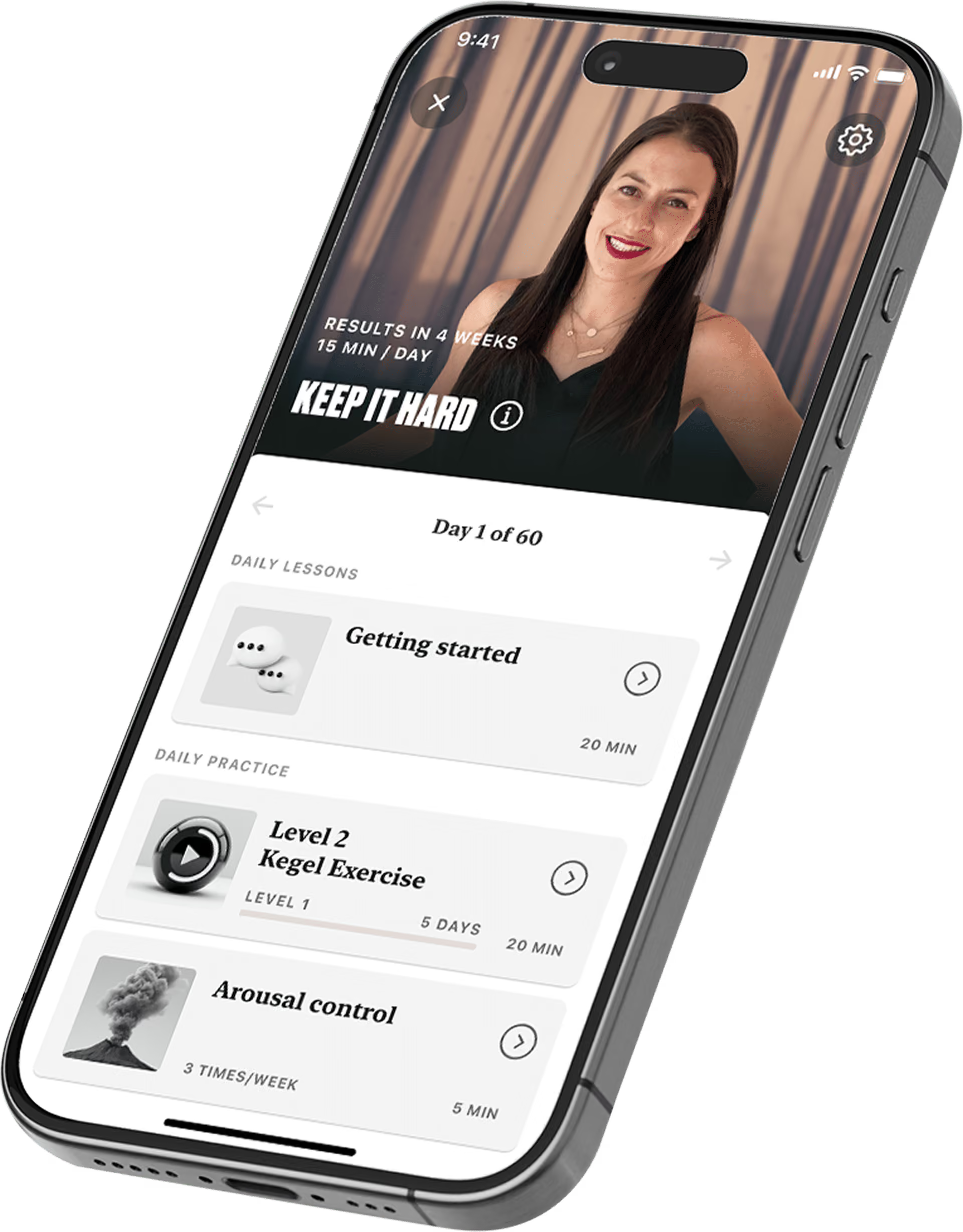
An erection is firm when blood flows into the penis and stays there. That takes healthy blood vessels, pelvic floor muscles that help hold the blood in, and enough calm for arousal to build. To get harder, stronger erections, look after your heart and circulation, train your pelvic floor and take the pressure off sex. Keep It Hard, a program in The Coach app, teaches pelvic floor exercises, relaxation and arousal skills step by step.
Get my planAn erection is a matter of blood flow. When you’re aroused, your brain sends signals along your nerves, the arteries in your penis widen and blood fills two chambers of spongy tissue. As the chambers swell, they press on the veins that would drain the blood away, and the pelvic floor muscles at the base of the penis help squeeze those veins shut. The more blood flows in and the better it stays in, the firmer the erection.
So an erection can end up softer than you’d like when less blood flows in, when blood drains away too easily, or when you’re too tense for arousal to build. Common reasons include:
Getting hard and staying hard depend on the same process. If your erection starts firm but fades during sex, see our guide to staying hard during sex.
An erection depends on the same circulation as the rest of your body, so what protects your heart also protects your erections. These habits help:
Because good circulation underpins every erection, our guide to increasing blood flow to the penis goes into more detail.
To get an erection, your body needs arousal and enough calm to let blood flow in. Trying to force it, or checking how hard you are, adds pressure and can switch on the stress response. These steps help arousal build on its own:
Keep It Hard includes a guided solo exercise for learning how your arousal works and adds it to your daily plan.
The fight-or-flight response doesn’t only switch on in danger. Worry about how you’ll perform can set it off too and pull blood away from the penis, which is why it can be hard to get an erection when you’re nervous, even if you want sex.
A disappointing night can also make you anxious about the next one, and avoiding sex usually makes that fear grow. Four things can ease it:
If anxiety seems to be the main thing holding you back, our guide to psychological erectile dysfunction explains how to tell and what helps.
Pelvic floor muscles can get in the way of erections in two ways: when they’re weak, and when they’re so tense they can’t relax. Tense muscles need relaxing before they need strengthening. If yours are tense, spend the first three weeks on relaxation, such as slow belly breathing and gentle stretching, and ask a doctor or a men’s health physiotherapist to check them. These signs can point to tension:
Pelvic floor training is a practical way to strengthen erections, because these muscles help keep blood in the penis. If you have no signs of tension, you can start strengthening straight away; if you do, stick with stretching and relaxing the muscles for now:
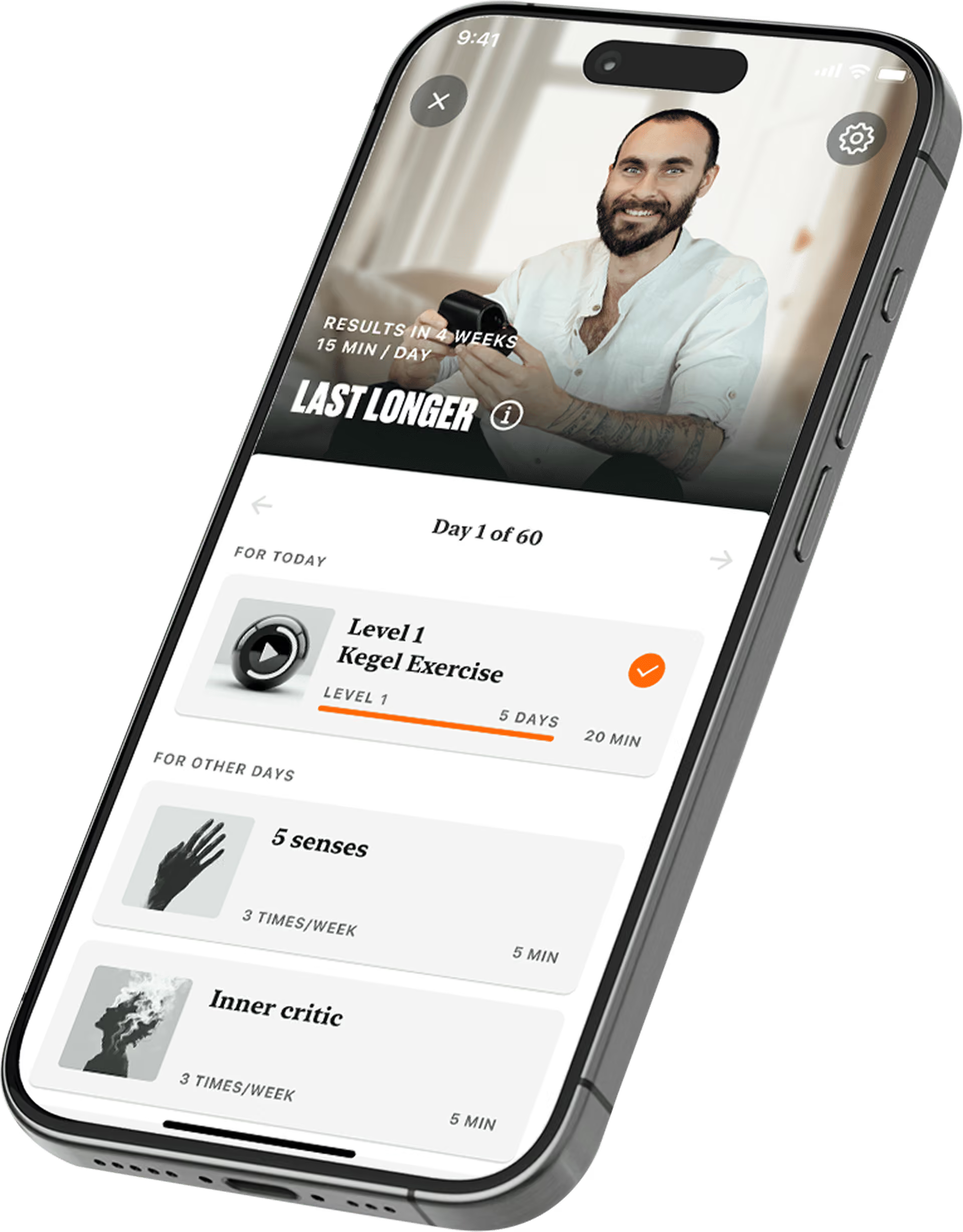
In Keep It Hard, pelvic floor training starts with a short check. The exercises that suit you then join your daily plan, and reverse Kegels follow after the first week.
Healthy blood flow, a trained pelvic floor and less pressure in bed all support firmer erections.
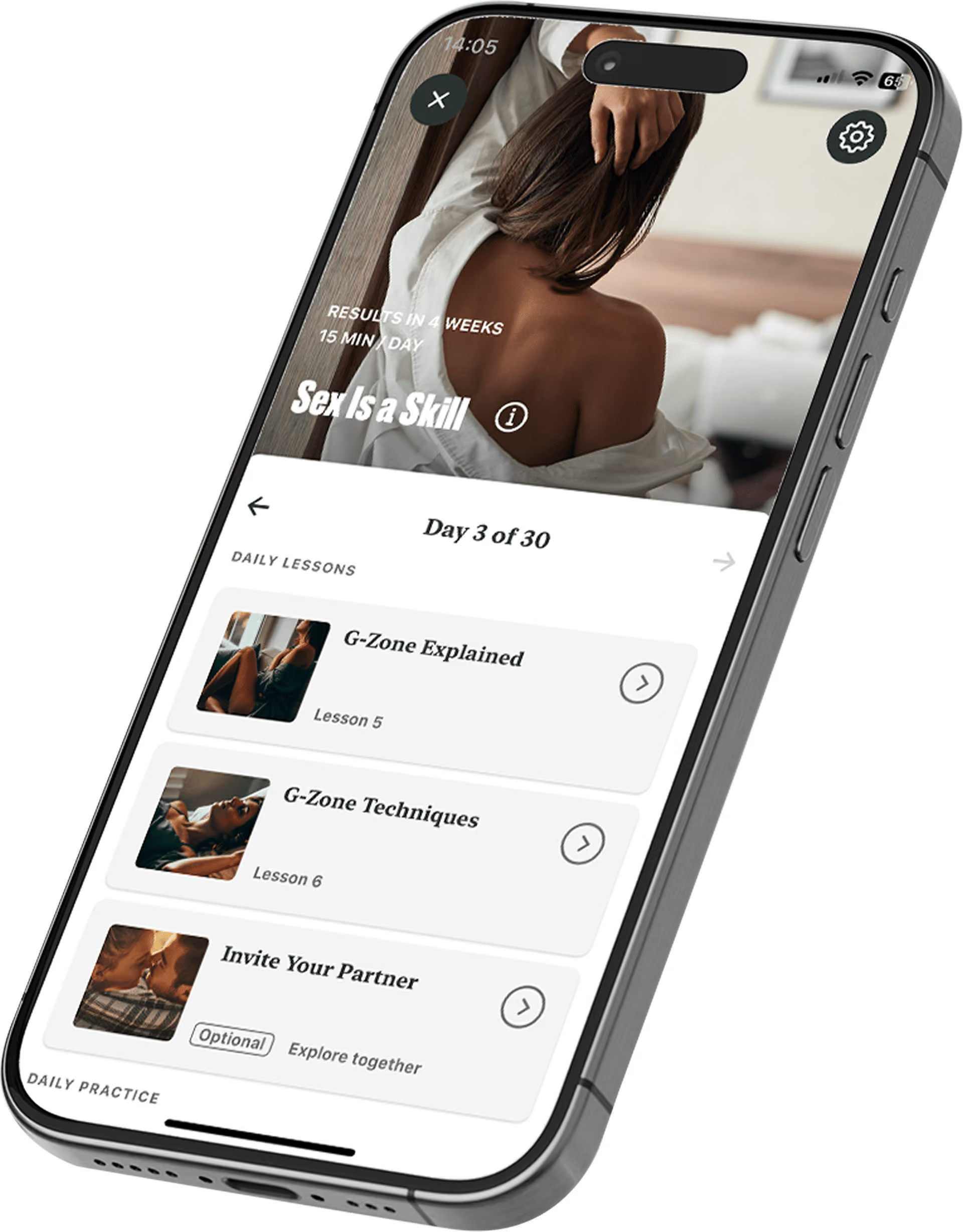
Keep It Hard is a program in The Coach app for men who want stronger, more reliable erections. Its 17 lessons combine work on anxiety, pelvic floor training and sex skills, and daily practice takes about 10 to 20 minutes.
A short check shows whether to start by relaxing your pelvic floor or by strengthening it, and the exercises then join your daily plan.
A guided solo practice shows you how much stimulation you need and how your erection responds, with no partner and no pressure.
Breathing, grounding through your senses and exercises for the critical inner voice help you stay calm before and during sex.
Answer a few questions to get a personal plan that shows where to begin. Keep It Hard then lays out what to practice each day.
Habits and training can help, but a softer erection can also be an early sign of a health problem. See a doctor if any of these apply:
A doctor will usually check your blood pressure, cholesterol and blood sugar, and may test your testosterone. For more on the medical side, see our guide to erectile dysfunction.
Worrying alone about your erection adds pressure. When your partner knows what’s going on, you can slow down together, spend longer on foreplay and enjoy sex that doesn’t depend on penetration.
It also helps to talk about what turns each of you on. Pick a calm moment outside the bedroom, start with what you enjoy, and treat it as something you work on as a team.
These figures come from a survey of The Coach users after their first four weeks. They describe what users reported, not a promise for every man.
Pelvic floor training, relaxation and arousal practice work best when you repeat them regularly. Your plan sets how often to do each one and adds new exercises as you progress.
Reviews from men using the app, in their own words.
“This program has helped me get a harder erection without pills. I don’t have issues with pre-mature EJ. I just can’t EJ at all during intercourse but this issue is separate from this program. You have to do program everyday and there’s no quick fix. Anything thats body related takes time so stick with it.”
“Before signing on to the coach I struggle have erection. I started using the coach in the first week of January, 2026 and by the 2nd week I’d already started seeing improvement in my erection. The Coach is not only about kegel exercise but is a complete package and includes psychological , emotional and physical exercise as well and this has improved my wellbeing in all these areas.”
“I wish I found this app 20 years ago when I got married. I saw the ad and read the symptoms I could check most of the boxes. I take medication as a last resort, so when I saw the natural approach I thought I would give it a try. I am happy for the results I have gotten and I appreciate the tips and advice. Thank you The Coach Team”
“Been using the app for a couple weeks now and if anything it has helped with my overall health. The work out does a good job at getting the blood flowing. There is lots of great information about men’s health and your sexual health.”
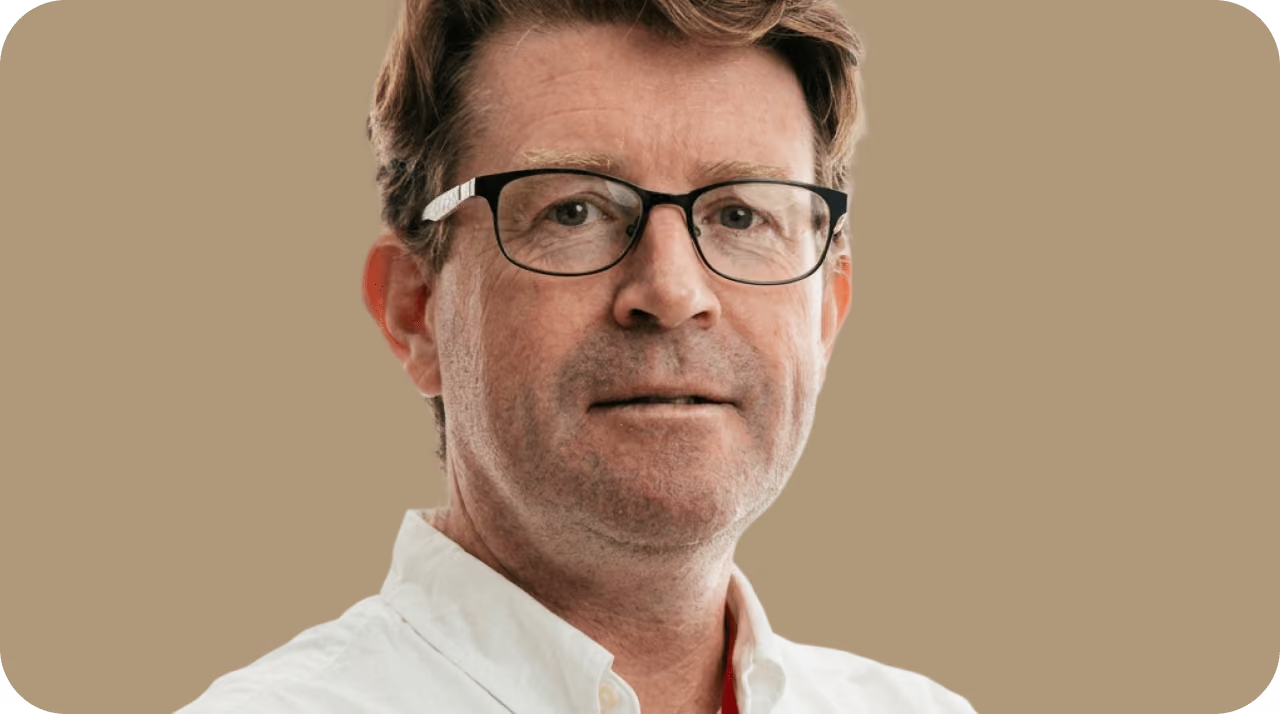
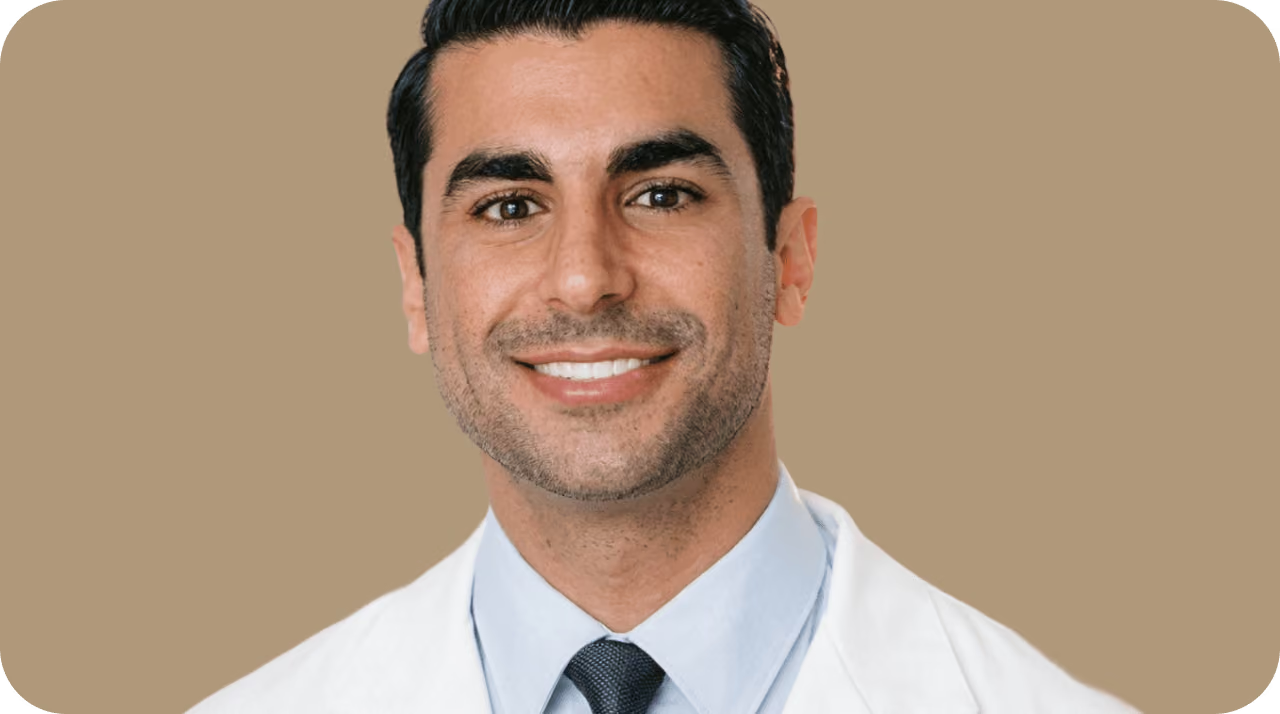
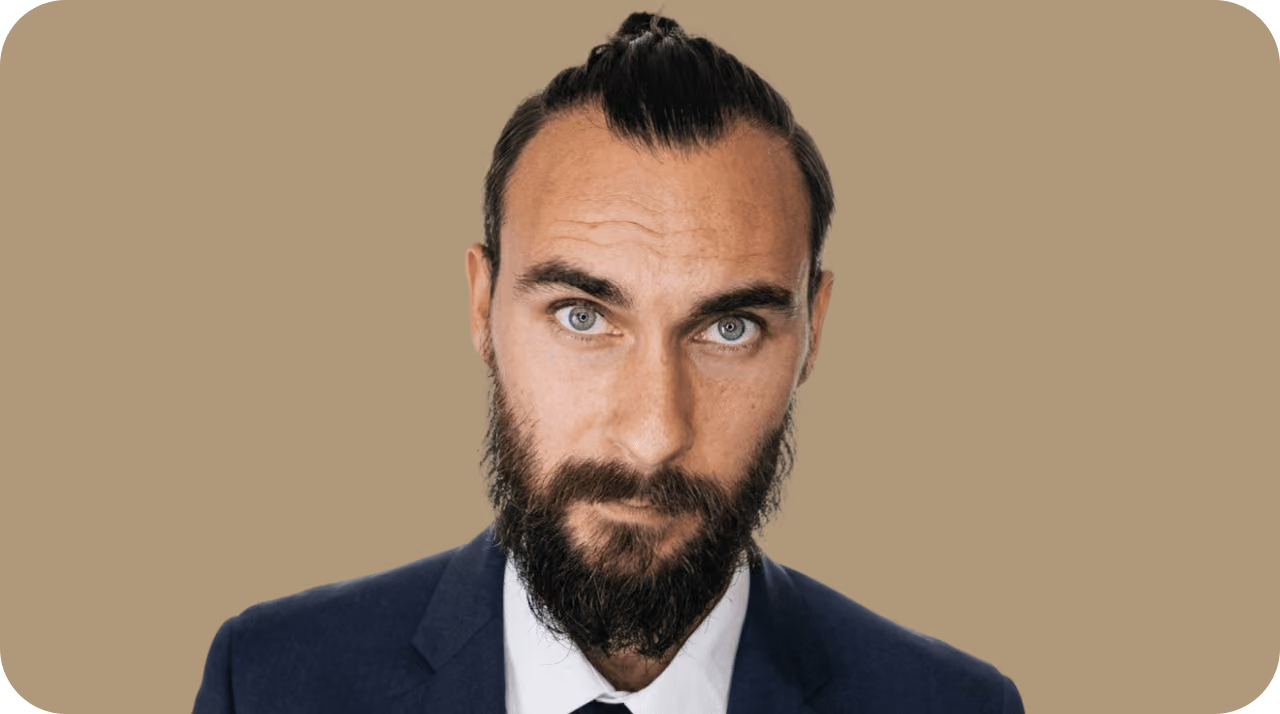
Keep It Hard was developed with specialists in men’s health, among them urologists, physiotherapists, a sex therapist and a sex coach.
Gerard Greene
Specialist men's health physiotherapist and senior lecturer at Coventry University.
Dr. Susie Gronski
Licensed physical therapist, certified sexuality counselor, and founder of a men's pelvic health clinic.
Natalie Goldberg
Certified sex and family therapist dedicated to improving intimate relationships and personal well-being.
Dr. Amy Pearlman
Board-certified urologist specializing in male sexual wellness, performance, and hormonal health.
Dr. Justin Houman
MD, UCLA-trained urologist and male reproductive specialist focusing on sexual health.
Cameron Fraser
Australia's leading men's sex coach, specializing in male sexual wellness and performance.
Ben Greenfield
13-time Ironman triathlete, bestselling author, and recognized expert in health, fitness, and performance.
Dr. Gary Shlifer
DO, board-certified internal medicine physician specializing in preventative care, nutrition, and anti-aging.
Look after your heart and blood vessels with regular exercise, no smoking, less alcohol and a healthy weight. Train your pelvic floor, and take the pressure off sex so arousal can build. If a health condition is behind the problem, a doctor needs to look at it, and these habits are still worth keeping up.
Not necessarily. Erections vary with mood, tiredness, alcohol and how aroused you are, and an occasional softer one is normal. Doctors call it erectile dysfunction when getting or keeping an erection firm enough for sex is a regular problem.
Common reasons include stress, tiredness, alcohol, less exercise, weight gain, a weaker pelvic floor and health problems such as high blood pressure or diabetes. Some medicines play a part too. If the change has been gradual or happens in every situation, see a doctor.
They can. The pelvic floor muscles help keep blood in the penis, so training them supports firmer erections. Train once or twice a day and relax the muscles fully between squeezes. If your pelvic floor feels tense or painful, start with relaxation instead and ask a doctor or a men’s health physiotherapist to check it. For more ways to train, see our guide to exercises for erectile dysfunction.
They can change. Many men need more time and more direct touch to get hard as they get older. Age isn’t the whole story, though: blood vessel health, pelvic floor strength and stress matter at any age, so they’re always worth working on.
It depends on the cause, and progress is rarely steady. Expect weeks of regular practice rather than days: you train your pelvic floor once or twice a day, and if it’s tense, you start with three weeks of relaxation.
Slow down and spend longer on foreplay, breathe slowly, focus on what feels good rather than on your erection, and switch to a position where you don’t have to hold up your own weight.
No. Pelvic floor training, breathing exercises and the solo arousal exercise are all done on your own. Keep It Hard covers partner skills, such as talking about sex, foreplay and positions, later in the program.
About 10 to 20 minutes. Some practices are daily and others less often, and your plan shows what to do each day.