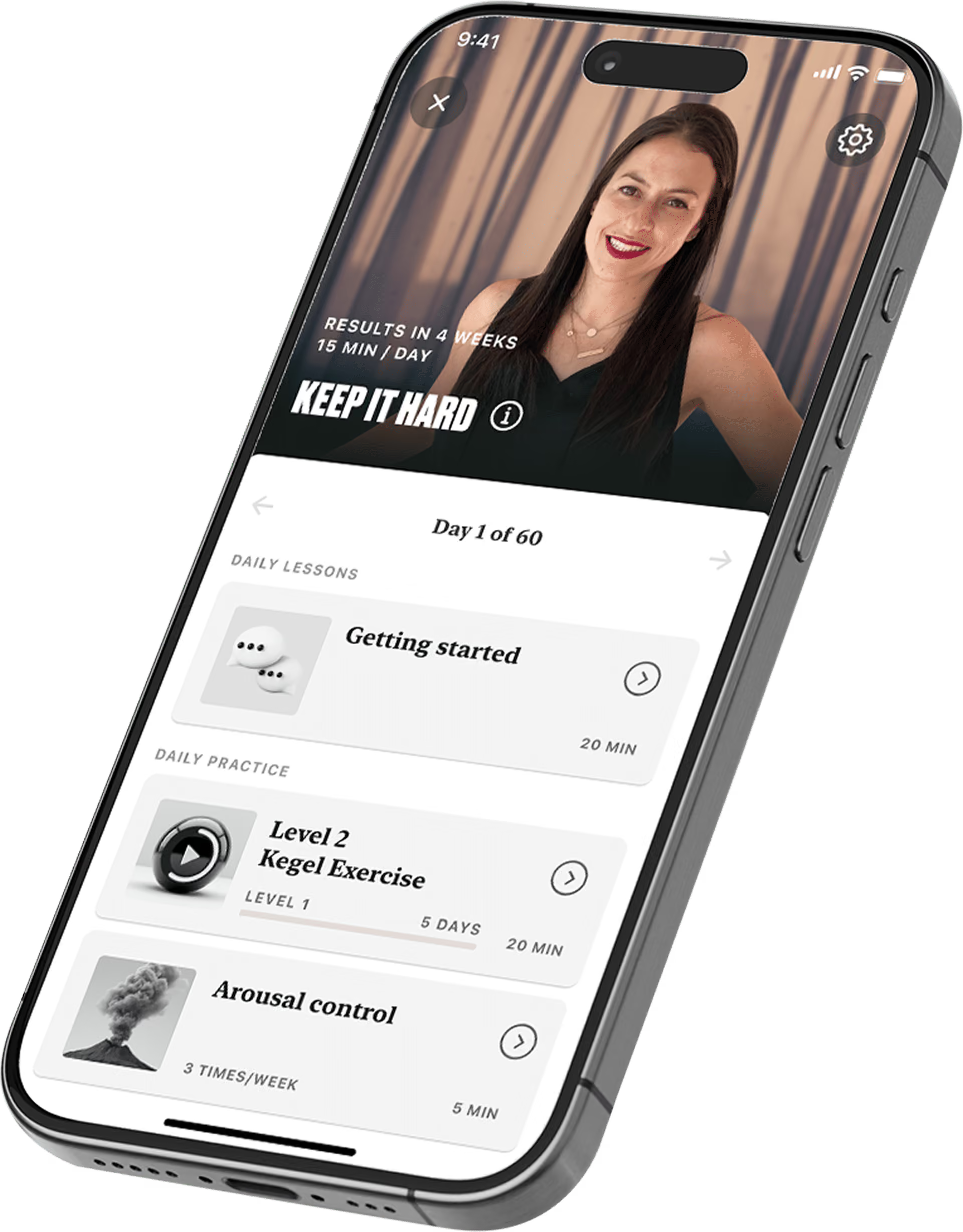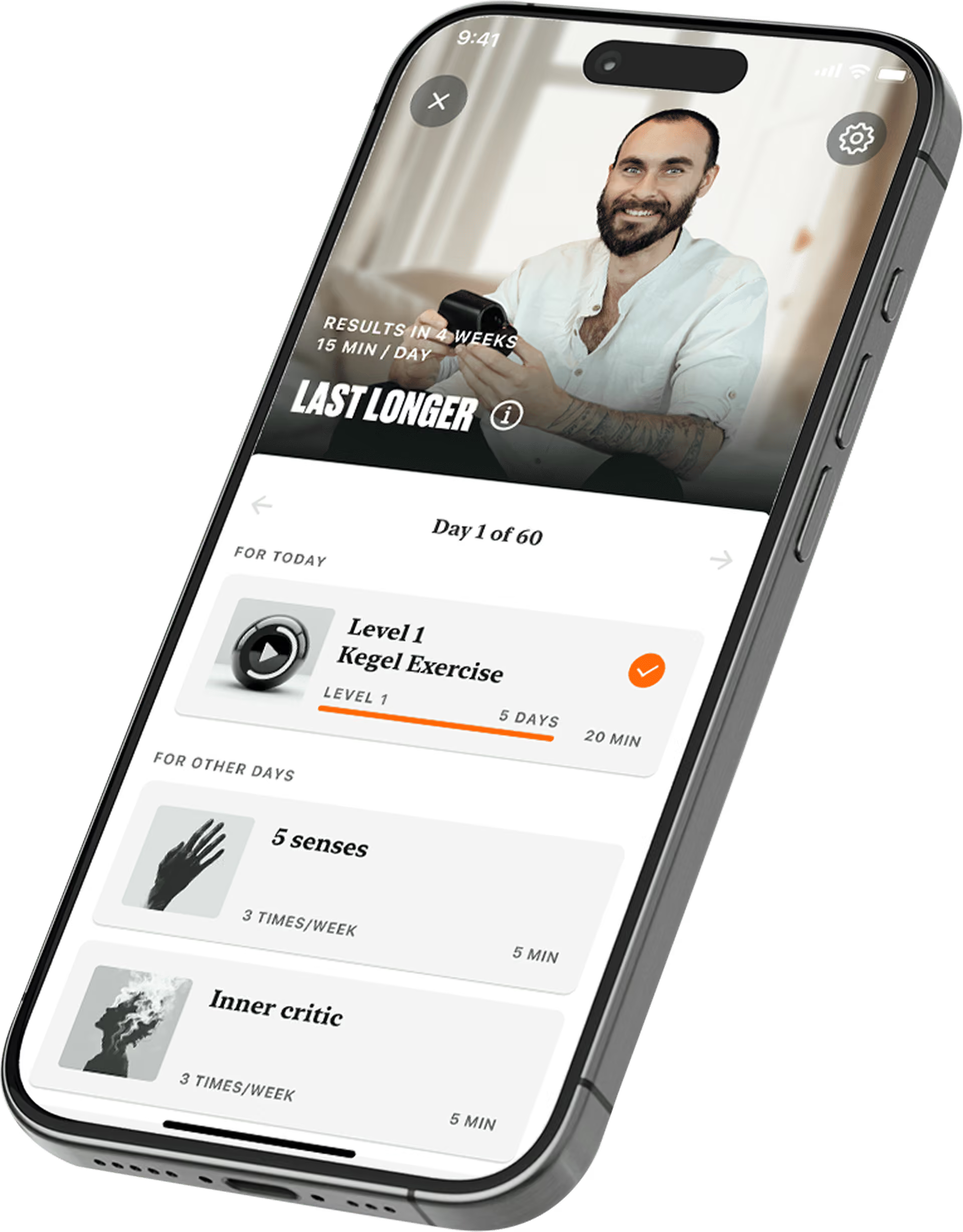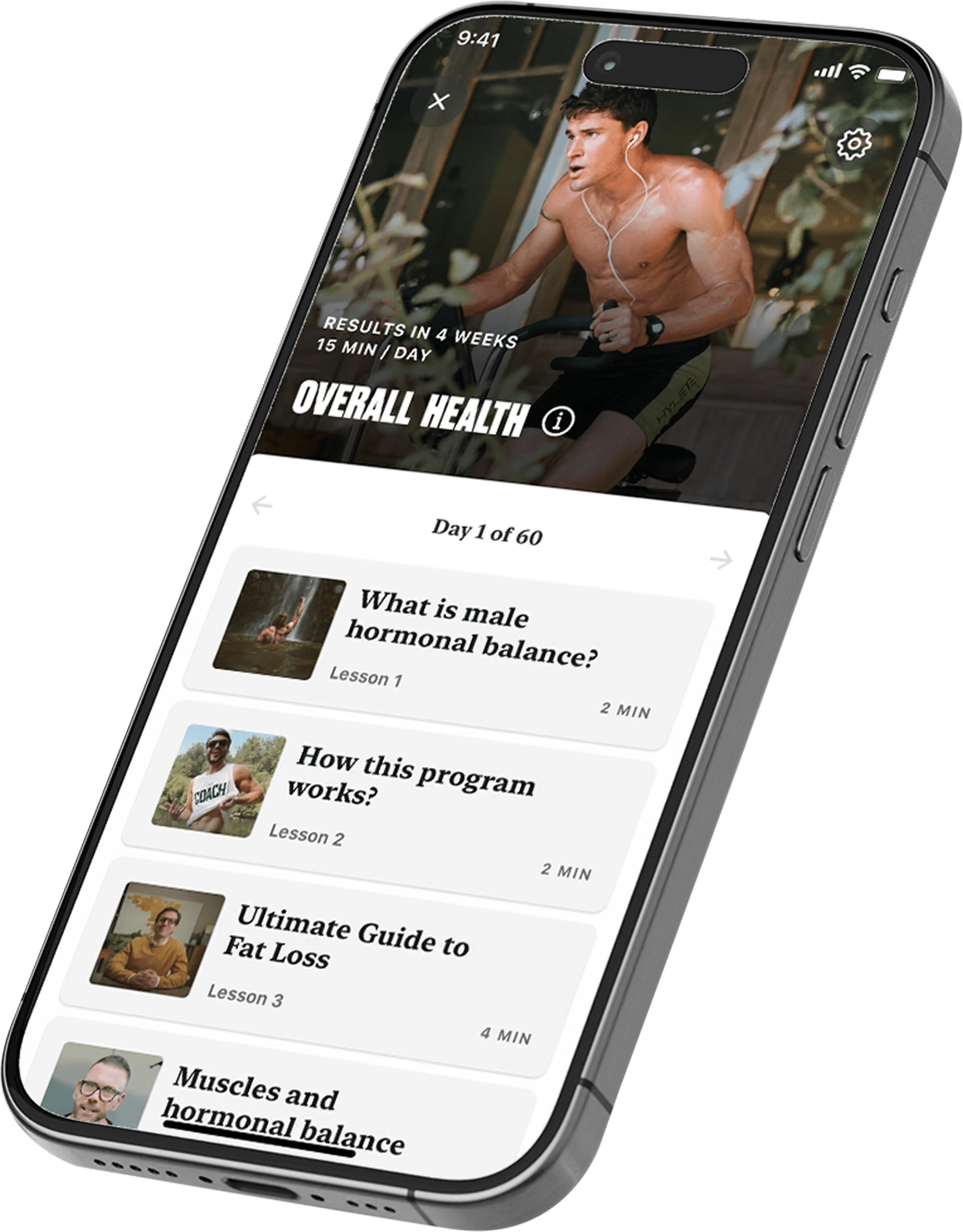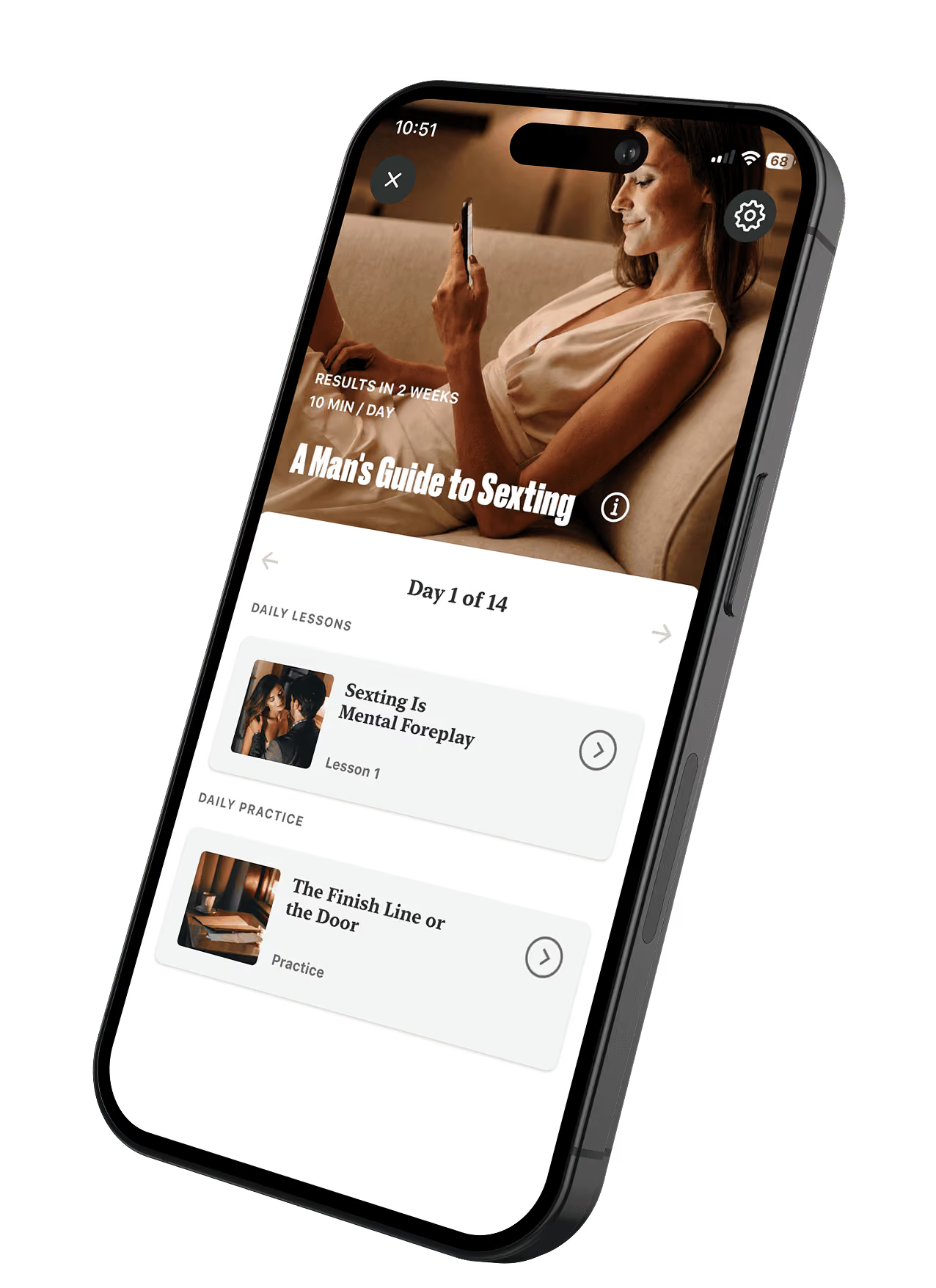
Erectile dysfunction (ED) self-care means the things you can do yourself to support your erections: habits that protect blood flow to the penis, training for the pelvic floor muscles that keep blood in it, and ways to calm the stress and worry that can stop an erection. Most men with ED have more than one cause, so it helps to work on several at once. Self-care doesn’t replace a doctor’s check, because erection problems can come from medical conditions and can be an early warning sign of heart disease. Keep It Hard, a program in The Coach app, puts pelvic floor training and calming exercises into a daily plan you can follow at home, without pills.
Get my planAn erection depends on a chain of events. Your brain responds to arousal, the blood vessels in your penis relax and let blood in, and your pelvic floor muscles press on the veins so the blood stays there. Erectile dysfunction happens when a link in that chain breaks, and in most men physical and psychological causes mix and affect each other.
Self-care works on the parts you can influence yourself:
Some causes need a doctor, not just self-care, and our guide to erectile dysfunction explains what they are.
Erections depend on healthy blood vessels, and the arteries that supply the penis are small, so damage can show there early. The habits that protect your heart protect your erections too:
For more on circulation, our guide to increasing blood flow to the penis covers exercises as well as habits.
Your pelvic floor muscles press on the veins of the penis and keep blood inside during an erection. When they’re weak, blood drains away and the erection fades; when they’re too tight, they may press on the artery that brings blood in. So before you train them, check which applies to you.
Signs of a tense pelvic floor include pelvic pain, constipation or straining on the toilet, frequent or urgent urination, a slow stream and pain when you ejaculate or sit. What to do next:
Keep It Hard includes the same check and adds the matching pelvic floor exercises to a daily plan, along with the breathing and relaxation practices that go with them. A few questions show you where to begin.
Erections start with signals from your brain, and fear can interrupt them. When you’re anxious about sex, your body reacts as if to a threat: the fight-or-flight response kicks in and sends blood to your arms and legs, away from your penis. One disappointing night can leave you worried about the next, and that worry makes another problem more likely.
Three habits help break that pattern:
If worry seems to be the main problem, our guide to psychological erectile dysfunction explains how to work on it.
Self-care is something you keep doing, not something you do once, and six principles make it easier:
Sex therapists use a touch exercise to ease anxiety about sex, and it has a solo version. You touch your own body slowly and pay attention to the sensations, which moves your focus away from your penis and from whether you’re getting an erection.
Practice for about 20 minutes, three times a week, for at least two months, and move through five levels at your own pace:
Keep It Hard includes this exercise and a version for couples, along with other exercises for arousal and anxiety. Each one you try is added to your daily plan at the recommended frequency.
Erections depend on your blood vessels, your muscles and your mind, and you can work on all three.
Keep It Hard is a self-guided program for men who want stronger, more reliable erections without pills. Its 17 lessons cover how erections work, anxiety, the pelvic floor and sex with a partner, and every practice you try is added to a daily plan of about 10 to 20 minutes. It doesn’t diagnose or treat medical causes; that stays with your doctor.
A check for a tense or weak pelvic floor, then relaxation, stretching and Kegel training to match.
Breathing and grounding exercises, and work on the self-critical thoughts that can stop an erection.
Solo exercises for letting arousal build, letting an erection fade and bringing it back, and feeling at ease with a soft penis.
A few questions are enough to get a plan that shows which practices to begin with. After that, Keep It Hard sets out what to do each day.
See a doctor soon after erection problems start, even while you work on self-care. They can be an early warning sign of heart trouble, appearing some 3 to 5 years before any heart symptoms, and doctors have many ways to treat physical causes. These signs make a physical cause more likely:
If you’re not sure whether your problem is mainly physical or psychological, our guide to why you can’t get hard explains how to tell.
Erection problems affect both of you, and keeping quiet about them adds pressure. Telling your partner what’s happening and what you’re working on can ease that pressure and get you their support.
Choose a calm moment rather than right after a difficult night, talk about the problem as something you face together, and use “I” statements, such as “I get tense when…”, instead of blaming.
While you practice, sex doesn’t have to mean penetration. Touch, foreplay and oral sex keep you close without the pressure of needing an erection.
These figures come from a survey of The Coach users after their first four weeks. They show what users reported, not a result every man will see.
Change is easier to notice when you measure it. Time how long you can hold a pelvic floor squeeze, write the number down and check it once a week, so you can see how your training develops. Keep It Hard includes this check-in with its pelvic floor training, and the quiz sets up your plan.
Reviews from men using the app, in their own words.
“I wish I found this app 20 years ago when I got married. I saw the ad and read the symptoms I could check most of the boxes. I take medication as a last resort, so when I saw the natural approach I thought I would give it a try. I am happy for the results I have gotten and I appreciate the tips and advice. Thank you The Coach Team”
“This program has helped me get a harder erection without pills. I don’t have issues with pre-mature EJ. I just can’t EJ at all during intercourse but this issue is separate from this program. You have to do program everyday and there’s no quick fix. Anything thats body related takes time so stick with it.”
“I have known all these exercises for a while but I was not able to stay consistent for a long time. I like that the app is engaging and makes you keep coming back to do your workouts. I also like that includes breathing exercises and psychological aspects as well. So it is all in one.”
“This app is just what I needed when my confidence was at an all time low. I felt stressed and completely lost all interest to the point where I struggled to get it up. But then I took a chance on this app. Daily listening and going through the exercises sometimes even half-mindedly. Well! Let’s just say she definitely noticed the change and now can’t seem to get enough of it 😁👍”
Keep It Hard was developed with specialists in men’s health, among them urologists, an internal medicine doctor, physical therapists, a sex therapist and a sex coach.
Gerard Greene
Specialist men's health physiotherapist and senior lecturer at Coventry University.
Dr. Susie Gronski
Licensed physical therapist, certified sexuality counselor, and founder of a men's pelvic health clinic.
Natalie Goldberg
Certified sex and family therapist dedicated to improving intimate relationships and personal well-being.
Dr. Amy Pearlman
Board-certified urologist specializing in male sexual wellness, performance, and hormonal health.
Dr. Justin Houman
MD, UCLA-trained urologist and male reproductive specialist focusing on sexual health.
Cameron Fraser
Australia's leading men's sex coach, specializing in male sexual wellness and performance.
Ben Greenfield
13-time Ironman triathlete, bestselling author, and recognized expert in health, fitness, and performance.
Dr. Gary Shlifer
DO, board-certified internal medicine physician specializing in preventative care, nutrition, and anti-aging.
There’s no guaranteed cure, at home or anywhere else. What you can do at home is work on the things that affect erections and are in your hands: your habits, your pelvic floor and the stress response. Medical causes, such as diabetes or narrowed arteries, need a doctor, so get checked as well.
Herbal pills, special foods and other home remedies for erectile dysfunction are popular, but the evidence for most of them is mixed, supplements aren’t tested the way medicines are, and some can interact with medicines you take. Ask a doctor or pharmacist before you try one. The natural approaches with the clearest support protect your blood vessels: exercise, not smoking, drinking less and keeping a healthy weight.
Not every cause can be prevented, but you can lower the risk with the habits that protect your heart and blood vessels: staying active, not smoking, drinking moderately and keeping a healthy weight. Keeping your blood pressure, cholesterol and blood sugar in check with your doctor’s help matters too.
The habits and exercises are gentle, but stop any exercise that causes pain and have the pain checked. If you have a heart condition or haven’t been active for a while, ask your doctor before you increase your physical activity.
They can help when a weak pelvic floor is part of the problem, because these muscles keep blood in the penis. If your pelvic floor is tense, relax it first and add Kegels once the tension eases; our guide to exercises for erectile dysfunction explains the main ones.
Yes. The habits and exercises can go alongside whatever your doctor recommends. Tell your doctor what you’re doing, so they have the full picture.
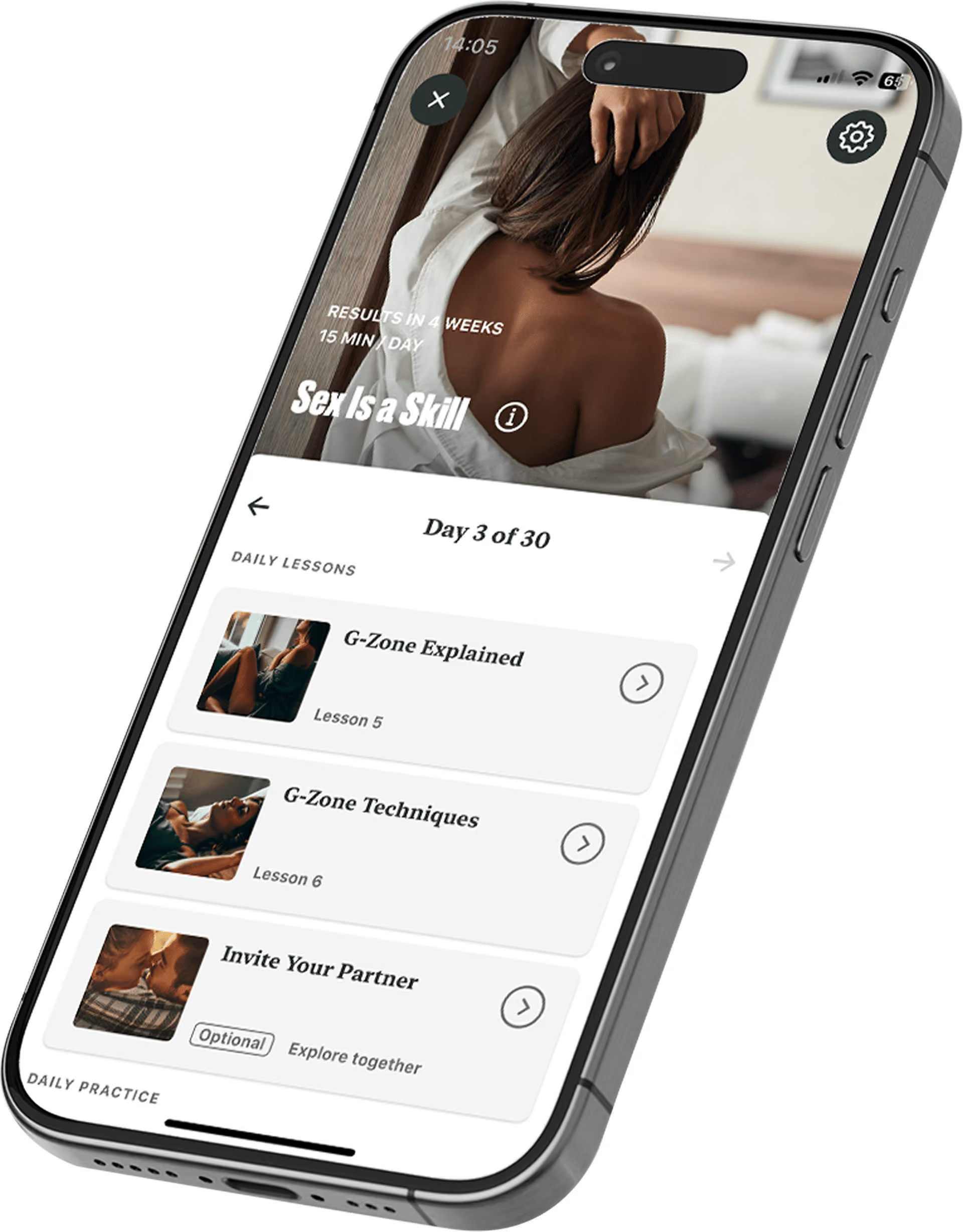
No. The breathing exercises, the solo touch exercise, the arousal exercises and the pelvic floor training are done alone. The touch exercise for couples and the lessons on foreplay and positions are for when you have a partner.
About 10 to 20 minutes. Some practices are daily and others a few times a week; your plan shows what to do each day.
Self-care for erectile dysfunction means steady work on your habits, your pelvic floor and the stress response, alongside your doctor’s advice. Keep It Hard gives you the exercises and a daily plan for them, in about 10 to 20 minutes a day. A few questions get you started.