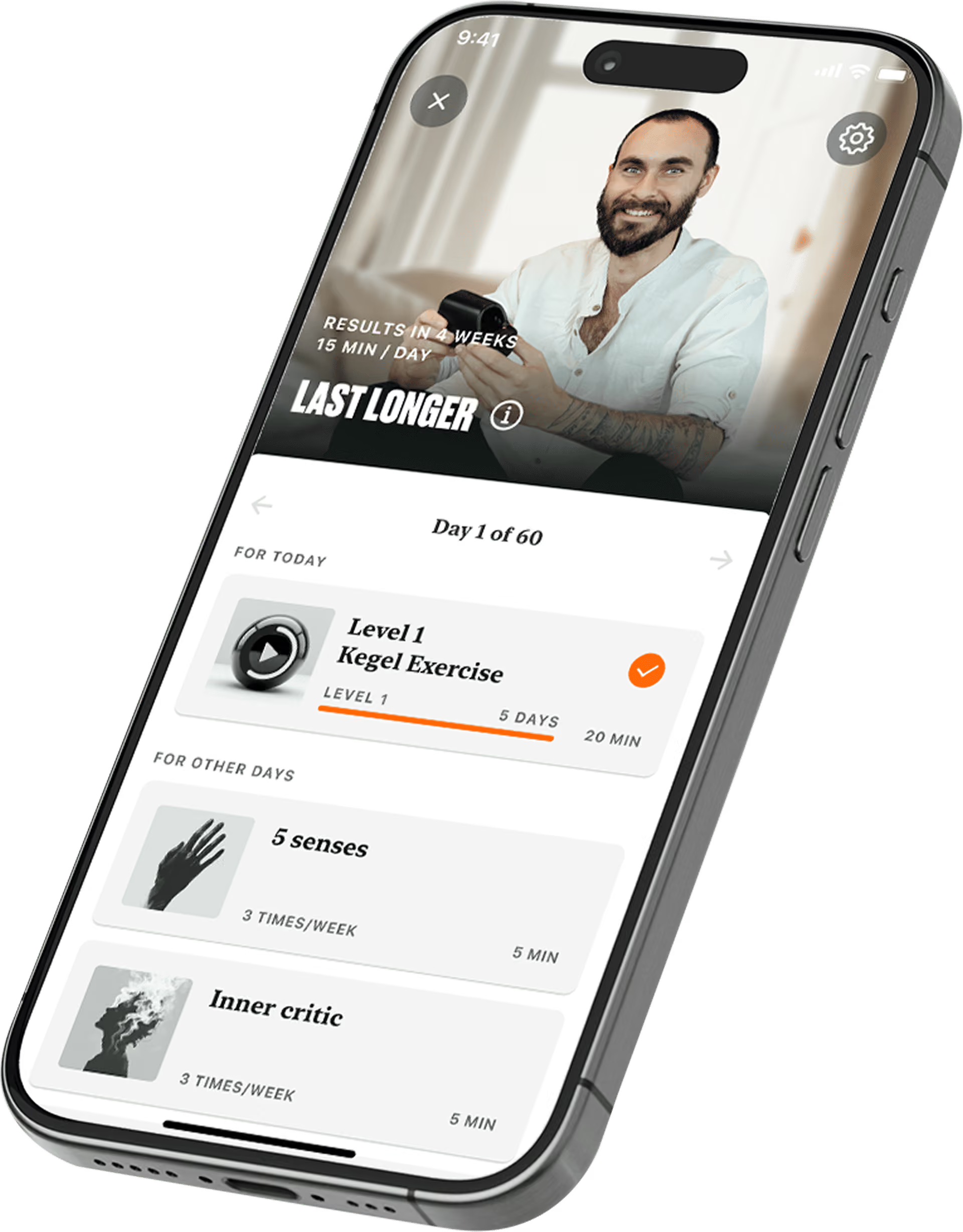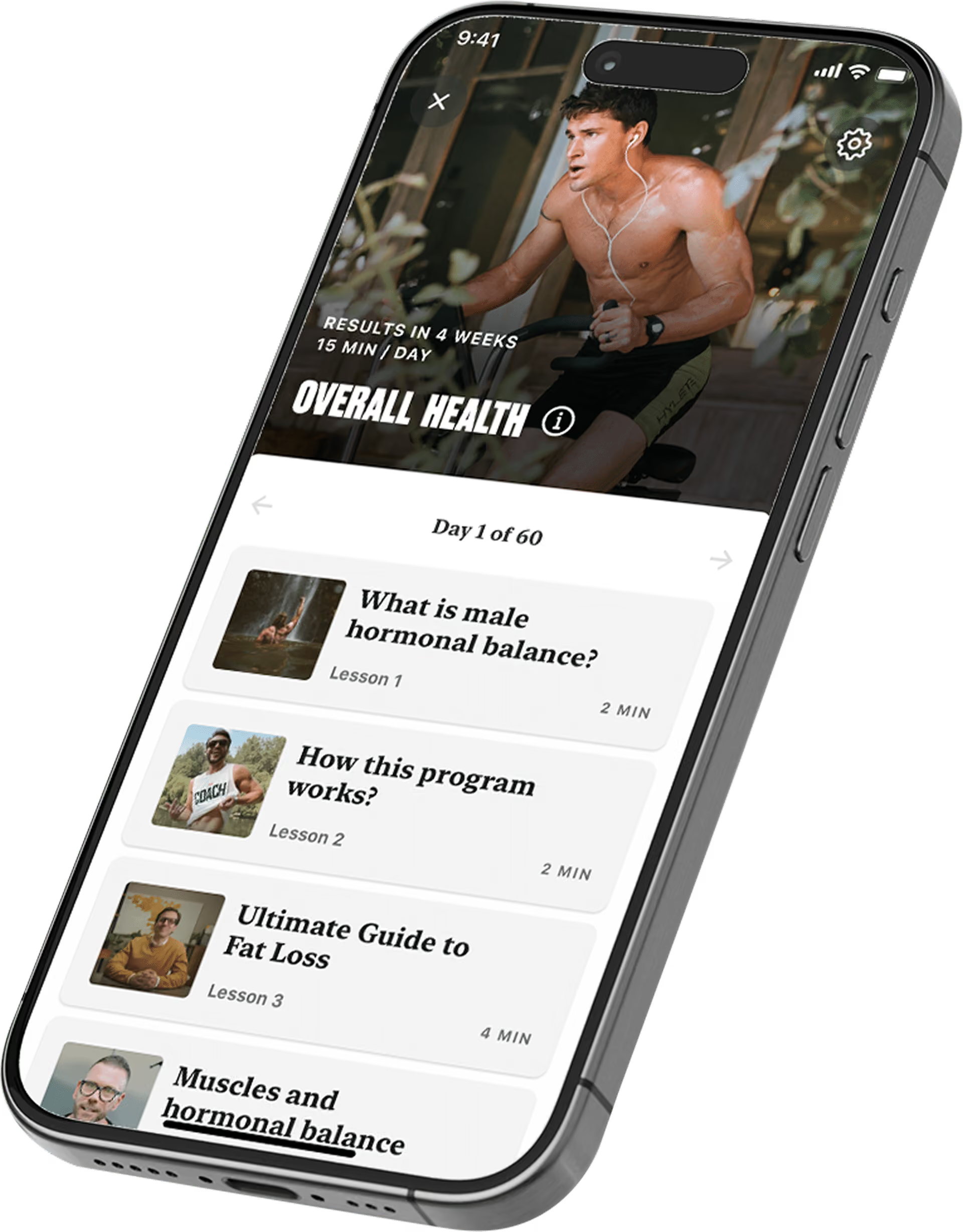
Step 01
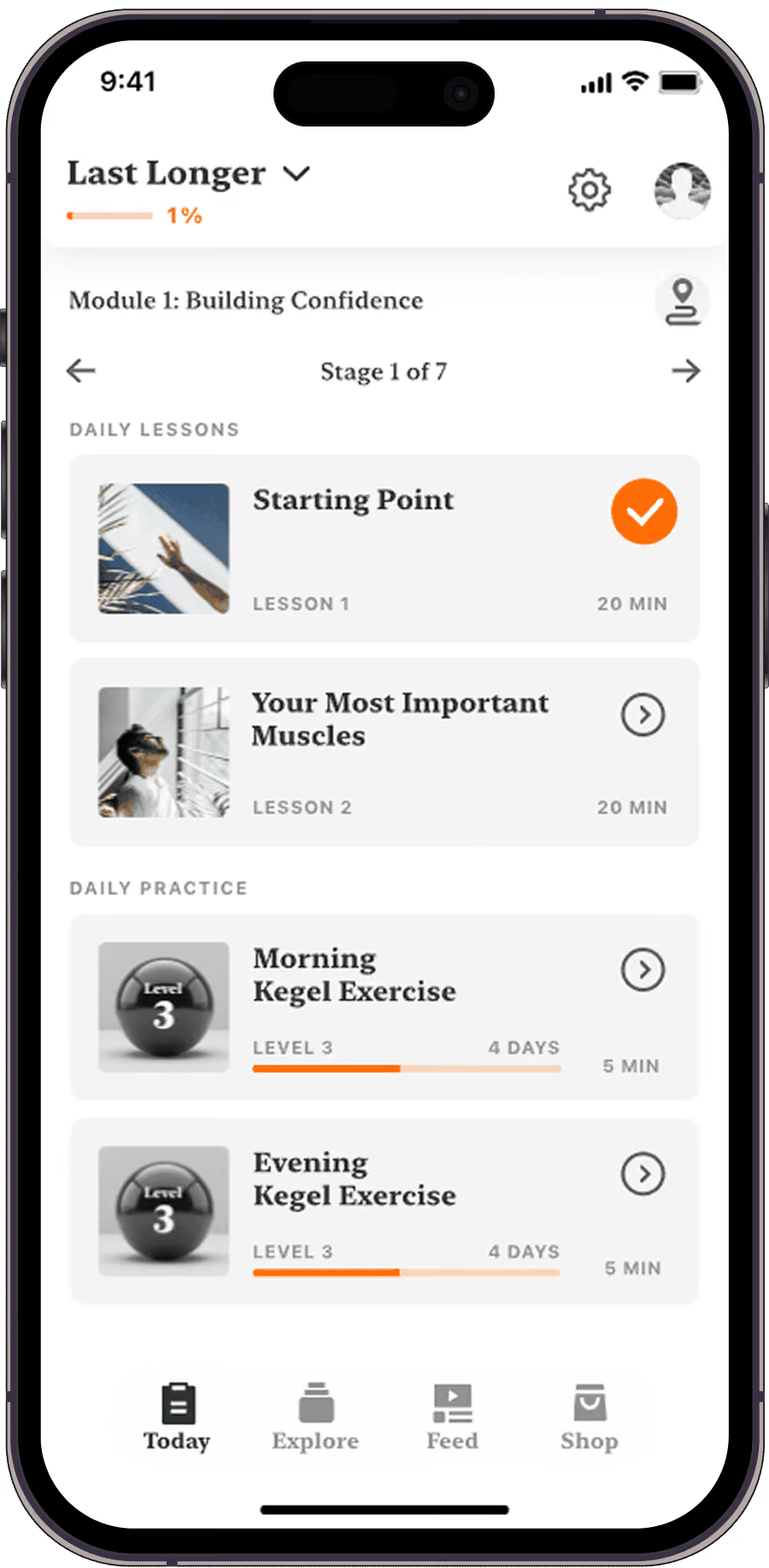
Start with a few questions
A few questions set your starting point. Inside the program, questions about pelvic pain and urinary symptoms decide whether you start with relaxation or strengthening; they don’t diagnose anything.

A venous leak means blood drains out of the penis too quickly to keep an erection firm. Other problems can feel the same, so only a urologist’s assessment, sometimes with tests, can confirm it. Pelvic floor exercises may help when they suit you, but they don’t replace diagnosis or treatment. Keep It Hard, a program in The Coach app, guides you through pelvic floor practice and exercises for anxiety around sex.
Get my planA venous leak, also called venous leakage or veno-occlusive dysfunction, occurs when the penis cannot retain enough blood for a firm erection. It can make an erection difficult to maintain. A clinician assesses the cause using your history, an examination and, when needed, tests such as a penile Doppler ultrasound.
An erection depends on increased blood flow into the erectile tissue and reduced flow out through the veins. Pelvic floor muscles contribute to firmness. Changes in blood vessels, nerves, arousal or muscle function can affect this process, which is why several causes can produce similar symptoms.
For the role of circulation, see our guide to increasing blood flow to the penis.
Keep It Hard is The Coach’s program of exercises for erection difficulties. It combines pelvic floor practice, relaxation and exercises for anxiety around sex in a daily plan, with an estimated ten to twenty minutes of practice a day.
Step 01
A few questions set your starting point. Inside the program, questions about pelvic pain and urinary symptoms decide whether you start with relaxation or strengthening; they don’t diagnose anything.
Step 02
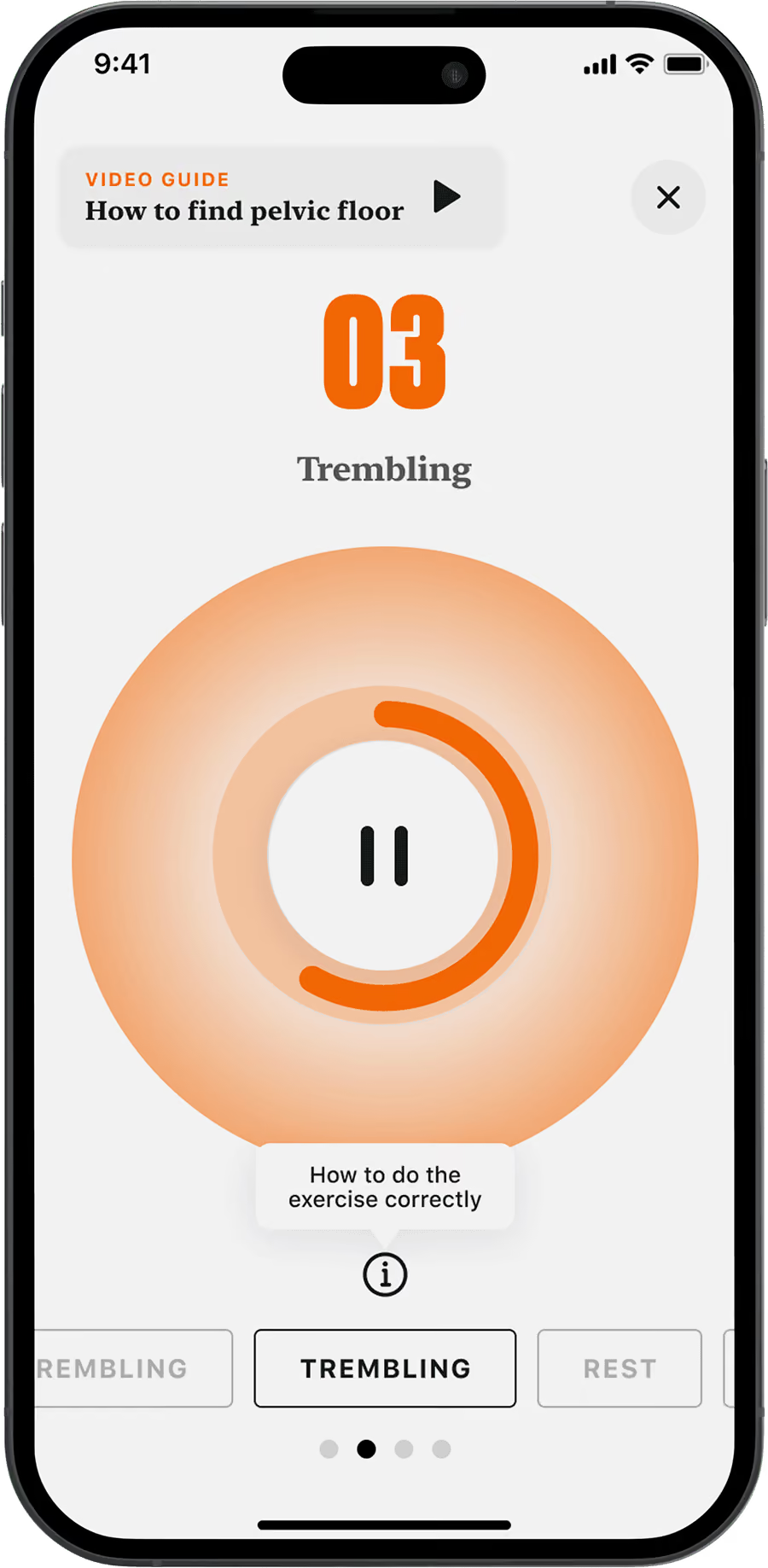
Lessons and exercises explain what to practise and how it fits into your plan. Follow the recommended schedule and allow time for rest.
Step 03

The program includes relaxation and pelvic floor work. Reverse Kegels are introduced after the first training week. If you have pain or persistent tension, ask a clinician what is appropriate before continuing.
The pelvic floor muscles help support erection firmness. Exercises can improve their strength and coordination when weakness is part of the problem. If the muscles are tense or painful, a pelvic health physiotherapist can help you learn to relax them before you add strengthening.
Venous leak symptoms can include difficulty keeping an erection firm despite continued stimulation. But that pattern can also occur with anxiety, changes in blood flow or other health conditions. How an erection feels does not tell you which cause applies; discuss recurring symptoms with a urologist.
For other possible causes of erection problems, see our guide to erectile dysfunction.
Venous leak treatment depends on the cause and your individual assessment. A urologist may discuss medicines, devices or procedures and explain the likely benefits, limitations and risks.
Pelvic floor exercises are sometimes sold as venous leakage treatment. They work on the muscles, not on the tissue that holds blood in, so they aren’t a reliable venous leak fix.
There is no exercise routine that guarantees a cure. Ask your clinician whether pelvic floor training is suitable alongside your care, and whether you need guidance from a pelvic health physiotherapist.
Pelvic floor tension can affect urination, bowel movements and comfort when sitting. These symptoms can also have other causes. They are reasons to seek advice, not a way to diagnose yourself. If you have pain, stop exercises that aggravate it and consult a clinician before strengthening.
Exercises for venous leak usually mean pelvic floor exercises. They train the muscles involved in erection firmness; they are not a treatment for damaged tissue or a substitute for medical care.
Before trying a venous leak exercise at home, check whether strengthening is appropriate for you. Good technique includes a controlled contraction, a full release and enough rest between sessions.
Venous leakage exercises may support muscle function, but improvement varies and does not prove that a venous leak has resolved. For a wider range of practices and advice on where to start, see our guide to exercises for erectile dysfunction.
Pelvic floor training supports muscle function. A urologist assesses the cause of a venous leak and discusses treatment.
Pelvic floor muscles contribute to erection firmness. Training them may help when muscle function is part of the problem, while exercises for anxiety address another possible contributor.
Pelvic floor exercises help you learn to contract and relax the right muscles. When weakness contributes to erection problems, suitable training may improve their function.
Worry about losing an erection can make it harder to stay aroused. Breathing, attention and gradual practice can help you respond to that worry with less pressure.
If your pelvic floor is tense or painful, adding contractions may aggravate symptoms. Get advice on relaxation and on when strengthening is appropriate.
More contractions aren’t always better. Allow time for the muscles to relax between sessions, and seek advice if exercises cause pain or make symptoms worse. Take the quiz to find a starting point for guided practice.
Seek professional advice in these four situations.
From a survey of The Coach users after their first four weeks. These results describe their experiences; they do not measure the effect of training on venous leak.
Those numbers come from users’ own reports, and your results will depend on your situation. Answer a few questions to get a guided plan of your own.
Reviews from real users, quoted as written.
“I started the Coach program because there was some real inconsistency in my response to stimulus. In fact I was beginning to believe that my sexual life was on its way out the door. I was pretty desperate to find a solution and I stumbled across The Coach. It has been a game changer. I had always been very active and definitely utilized the smooth muscle group that made my manhood pretty resilient.”
“This program has helped me get a harder erection without pills. I don’t have issues with pre-mature EJ. I just can’t EJ at all during intercourse but this issue is separate from this program. You have to do program everyday and there’s no quick fix. Anything thats body related takes time so stick with it.”
“I’ve been using The Coach app for about 3-4 weeks now, and I’m genuinely impressed with the results. The app is super easy to follow. The daily pelvic floor (Kegel) exercises are short, only 5 to 10 minutes each, and they’re split nicely: one session in the morning and one in the evening. This makes it very easy to stay consistent without feeling overwhelmed.”
“I wish I found this app 20 years ago when I got married. I saw the ad and read the symptoms I could check most of the boxes. I take medication as a last resort, so when I saw the natural approach I thought I would give it a try. I am happy for the results I have gotten and I appreciate the tips and advice. Thank you The Coach Team”
Our programs are developed with sexual-health researchers, therapists and clinicians, including urologists and men’s health physiotherapists. See your own clinician for diagnosis and treatment.
Gerard Greene
Specialist men's health physiotherapist and senior lecturer at Coventry University.
Dr. Susie Gronski
Licensed physical therapist, certified sexuality counselor, and founder of a men's pelvic health clinic.
Natalie Goldberg
Certified sex and family therapist dedicated to improving intimate relationships and personal well-being.
Dr. Amy Pearlman
Board-certified urologist specializing in male sexual wellness, performance, and hormonal health.
Dr. Justin Houman
MD, UCLA-trained urologist and male reproductive specialist focusing on sexual health.
Cameron Fraser
Australia's leading men's sex coach, specializing in male sexual wellness and performance.
Ben Greenfield
13-time Ironman triathlete, bestselling author, and recognized expert in health, fitness, and performance.
Dr. Gary Shlifer
DO, board-certified internal medicine physician specializing in preventative care, nutrition, and anti-aging.
A penile venous leak, or veno-occlusive dysfunction, means the penis does not retain enough blood to keep an erection firm. A urologist assesses the cause using your history, an examination and any tests they consider necessary.
Difficulty maintaining a firm erection despite continued stimulation can be one symptom. But anxiety, vascular conditions and other causes can produce the same pattern. Recurring symptoms need medical assessment; they cannot confirm a venous leak on their own.
Changes in erectile tissue can affect the mechanism that limits blood leaving the penis during an erection. Several conditions can contribute to erection difficulties, so a urologist needs to assess the cause rather than infer it from symptoms alone.
No. Exercises and home remedies can’t be relied on to cure a venous leak. A urologist can discuss the options that fit your diagnosis. Pelvic floor training may help muscle function where it suits you, but it doesn’t replace treatment.
Kegels may help when weak pelvic floor muscles contribute to erection difficulties. Kegel exercises for venous leak train those muscles; they don’t repair damaged tissue or guarantee improvement. If your pelvic floor is tense or painful, get advice before adding contractions.
If you’re wondering how to fix a venous leak, a urologist can explain your options after assessing the cause. Exercises to fix a venous leak cannot be relied on as a cure. Pelvic floor practice may help muscle function when it’s appropriate for you.
A urologist may discuss medicines, devices or procedures based on your diagnosis and needs. Ask about the expected benefits, risks and alternatives. The Coach provides guided practice, not medical treatment.
Start by getting advice on relaxation, comfortable breathing and gentle stretching. Add strengthening only when it is appropriate. If you have pain or worsening symptoms, stop the exercise and consult a clinician or pelvic health physiotherapist.
Progress varies with the cause of your symptoms and the type of practice. Regular training takes time, and a practice schedule is not a promise of results. If you are not improving, ask a clinician to review the cause and your technique.
Yes, if you suspect a venous leak. A clinician can assess your symptoms and decide whether you need tests. Ask whether pelvic floor exercises are appropriate alongside your care.
Keep It Hard combines pelvic floor exercises, relaxation and practices for anxiety around sex in a daily plan. Lessons use video, audio and text. The estimated daily practice is ten to twenty minutes, and other men’s programs are also available in The Coach.
You can begin the solo practices without special equipment. The program also includes exercises with a partner, which you can work on when appropriate.