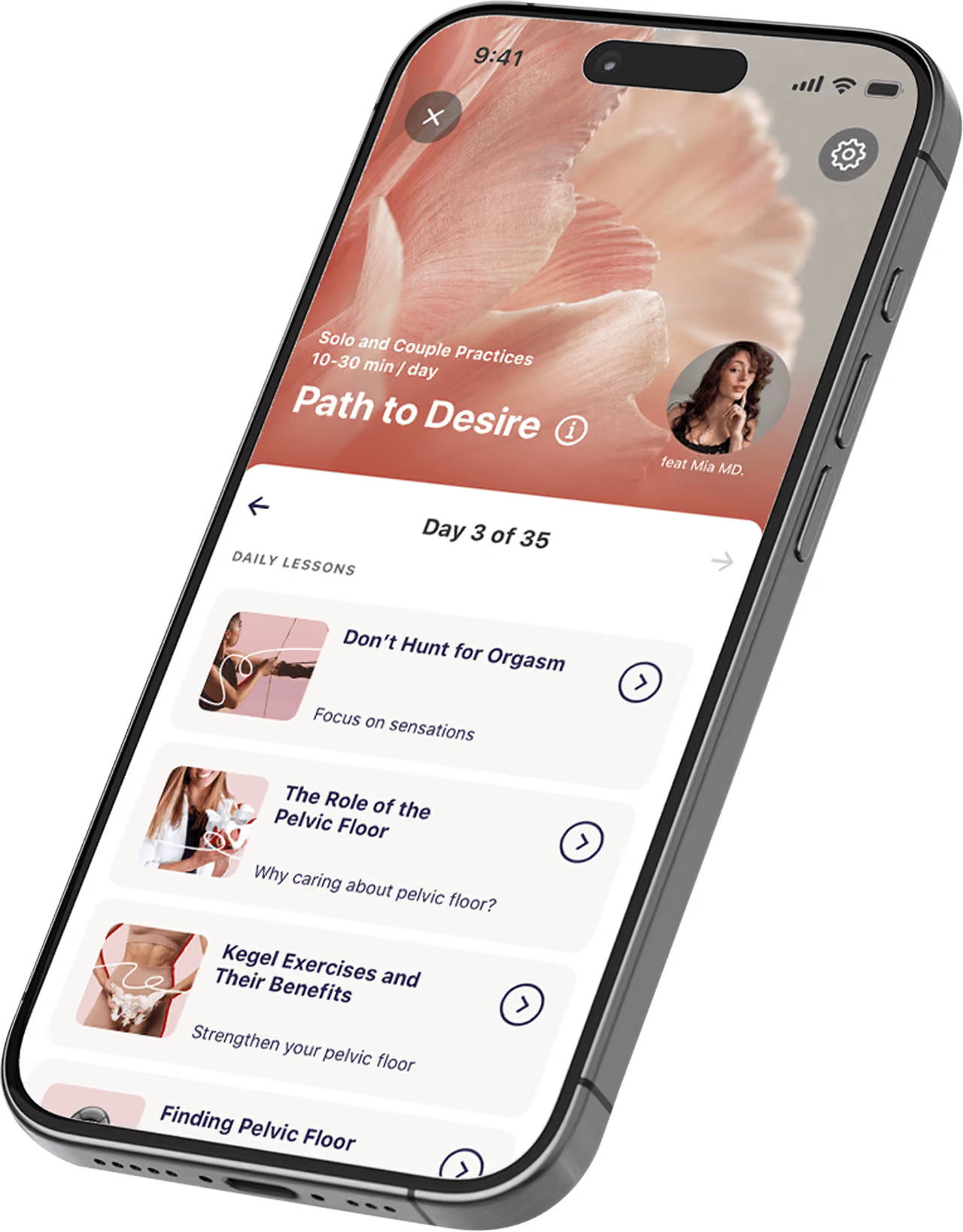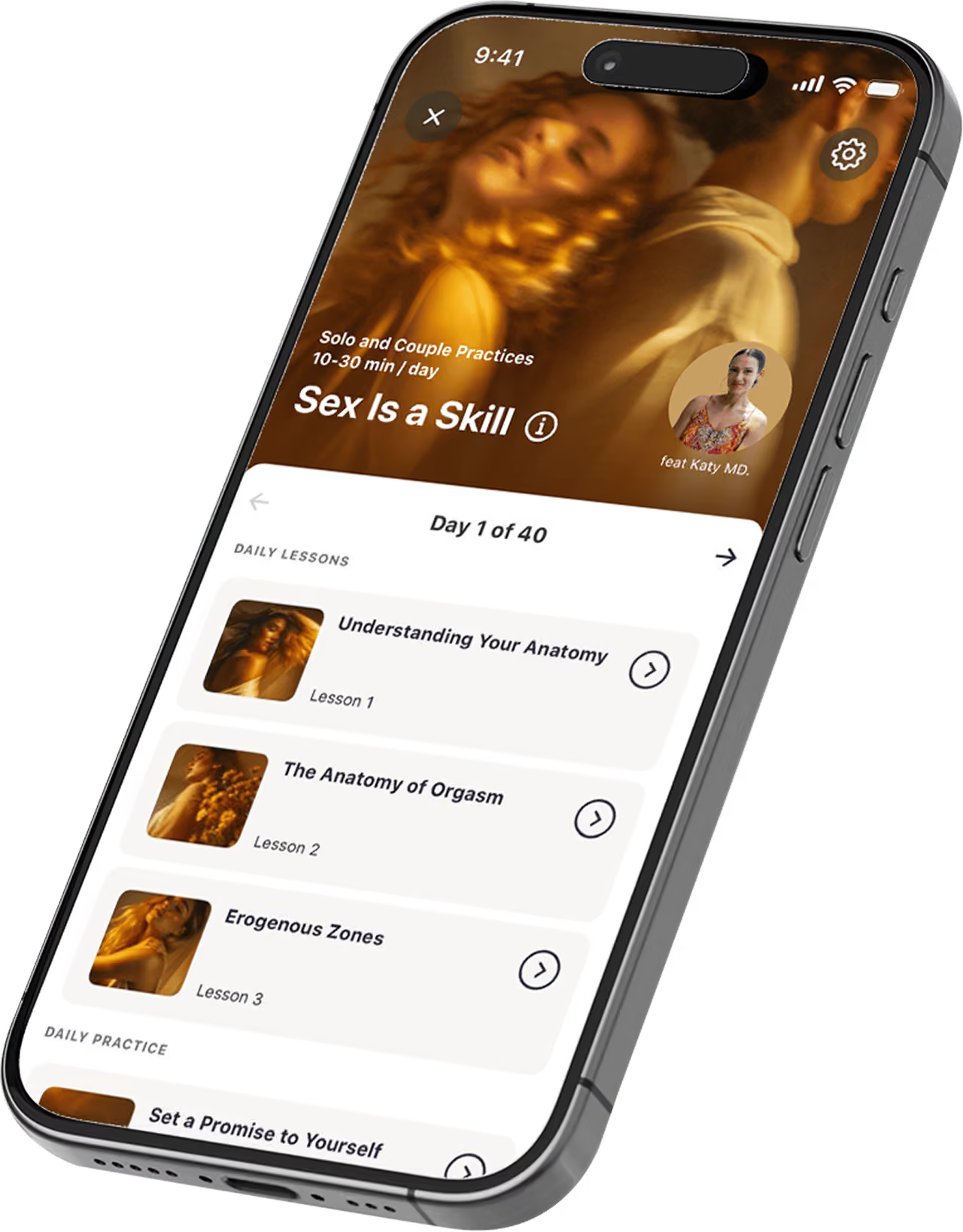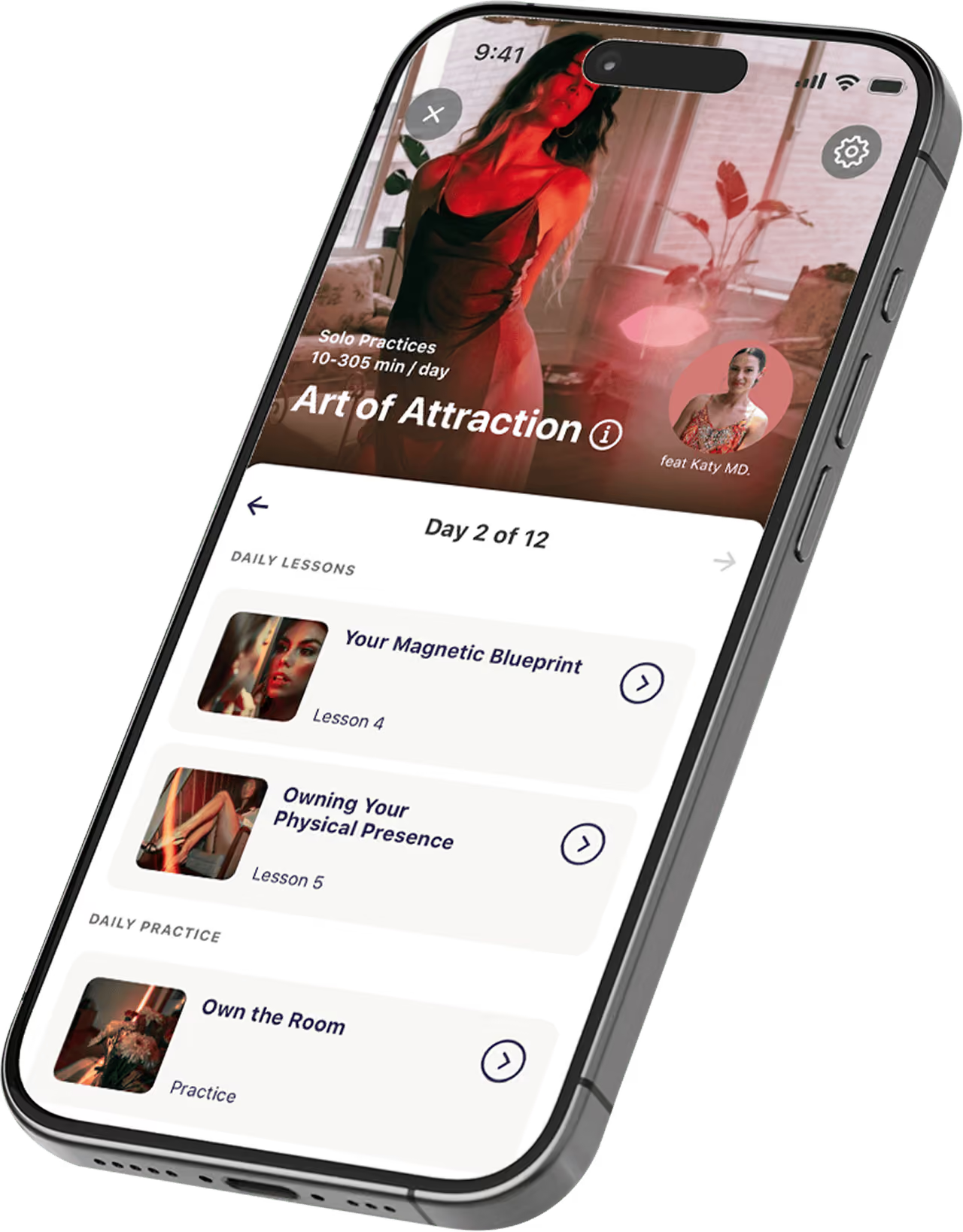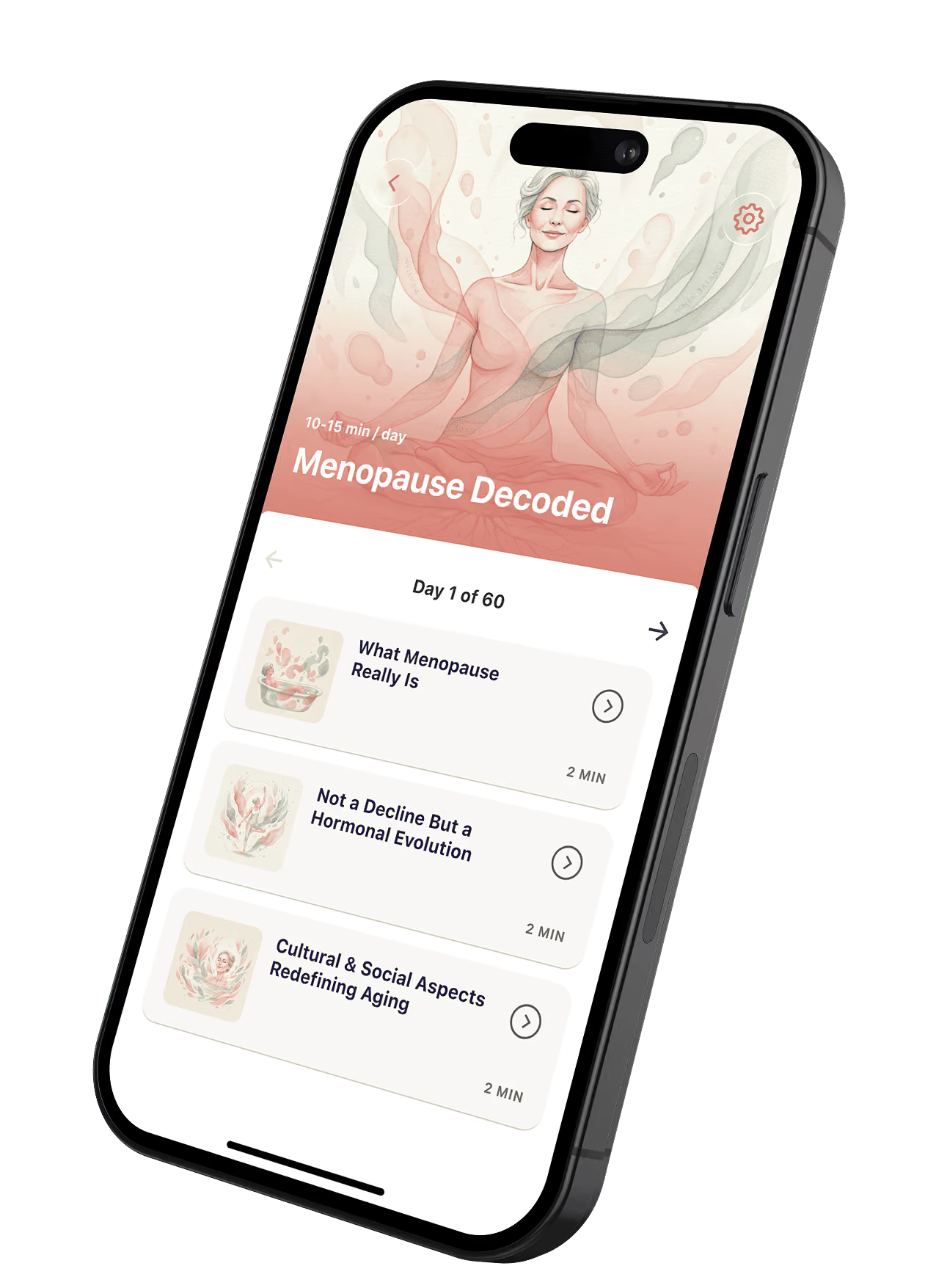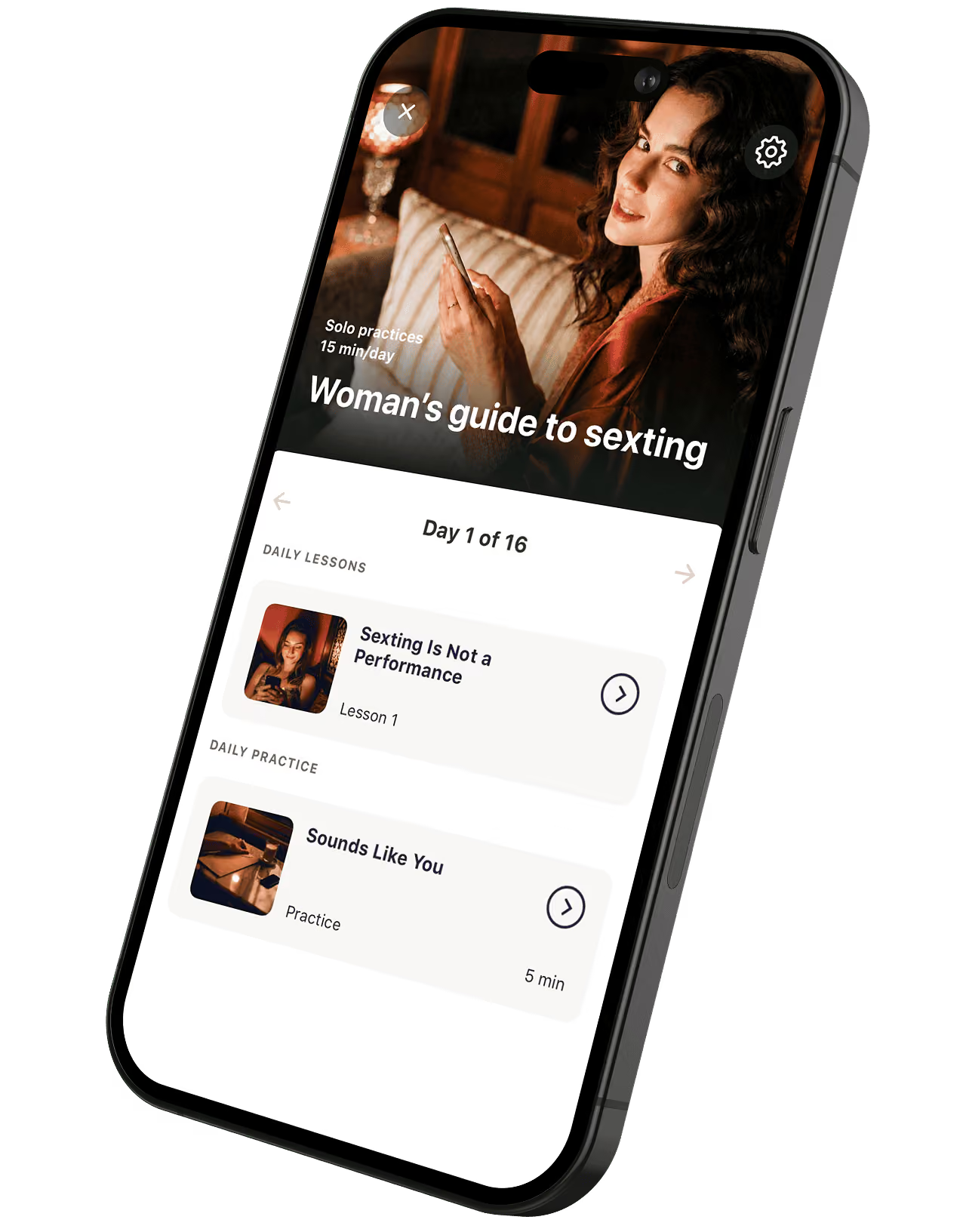
A yes, no, maybe list is a list of sexual activities and ideas that you and your partner each sort on your own: yes for what you enjoy or want to try, no for what you don’t want, and maybe for what you’re curious about under the right conditions. Then you compare answers and start with the ideas you both marked yes. It turns a hard conversation into something you do together, and every no is respected. Path to Desire, a program in The Coach for Her app, helps you explore new things with your partner at a pace that feels safe for both of you.
Get my planMark each idea yes, no or maybe on your own, without guessing what your partner will choose. Anything that doesn’t apply to you is a no, and you can add whatever is missing.
Feeling little interest while you read is common, and it doesn’t mean you’ll feel nothing in the moment. For many women, desire shows up once closeness and touch have begun, not before. This is called responsive desire.
Agree on a few rules before either of you starts. They make it safe to answer honestly.
The list is a way to start a conversation, not a test you pass or fail. Go through it step by step and leave time to talk once you’ve compared answers.
Choose a calm moment when neither of you is tired, rushed or upset.
If you’d like guidance for these conversations, Path to Desire covers curiosity, safe exploration and talking about sex in its lessons and practices. A short quiz is the first step toward a personal plan.
Exploring is easier when both of you know you can say no.
Path to Desire is a self-paced, five-week program in The Coach for Her. With short lessons and daily practices, it starts with your own desire, then turns to your partner and to what you can explore together.
The first lessons help you understand what turns you on and off, how stress affects desire and why desire often follows closeness.
Practices for open conversations about preferences and limits, listening without judging, and talking after sex about what worked.
Ideas for sensory play, new shared experiences and small steps outside your comfort zone, with a safe word and a conversation afterward.
You start by answering a few short questions about yourself, and your plan is based on your answers.
A sex bucket list is a short list of bigger experiences you’d both like to have one day: a weekend away with no plans except each other, a whole evening of massage and slow touch, a night in a hotel in your own city or a lazy Sunday in bed. A yes, no, maybe list shows you what you both want; a bucket list turns those shared yeses into plans.
Build it from your answers: pick three to five ideas you both marked yes, write them on one list and roughly agree when you’d like to try each one. Keep the list open so either of you can cross something off or add something new.
When you’re ready to suggest something from your list, read our guide on how to initiate sex.
Two people’s lists often look quite different. A no from your partner is about that idea, not about you. Focus on what you share, even if it’s only a few ideas, and let the rest go.
If one of you feels pressured, put the list aside and talk about the pressure instead. If sex has become painful, see a doctor. If the exercise brings up difficult memories, talking to a therapist can help.
If nothing on the list appeals to you at the moment, read about why you might not want sex anymore.
From a survey of The Coach users who finished their first four weeks:
You might want to feel more relaxed about trying new things, talk about sex without awkwardness or understand your own desire better. A short quiz leads to a personal plan that shows you where to begin.
Women describe their experience with The Coach for Her in their own words.
“I am super impressed with how well explained is everything, the practices are soft, relaxed, nothing is pushed or forced. Honestly is a lot more than I expected ❤️”
“The coach has awoken my mind to new sensations and ideas on a much deeper thoughtful level I am really enjoying it. Thanks”
“I founded the Coach App very informative. It really helped me learn more about my health and how to improve my intimacy with my husband. I would recommend it”
“I have learnt so much about myself and relationships that I never thought was possible”
The Coach works with clinical researchers, certified sex therapists and medical professionals, among them a urologist and an OB-GYN.
Dr. Jessica Yih
Urologist and director of women's sexual health and male infertility at UCI.
Dr. Kirti S. Patel
Board-certified ob/gyn and host of The Gynarchy, a women's-health podcast.
Dr. Justin Lehmiller
PhD in social psychology and senior research fellow at the Kinsey Institute.
Dr. Paula Hall
Accredited sexual and relationship psychotherapist, registered with leading professional bodies in psychotherapy.
Natalie Goldberg
Certified sex and family therapist dedicated to improving intimate relationships and personal well-being.
Dr. Susie Gronski
Licensed physical therapist, certified sexuality counselor, and founder of a men's pelvic health clinic.
Dr. Gary Shlifer
DO, board-certified internal medicine physician specializing in preventative care, nutrition, and anti-aging.
Dr. Joshua Roland
MD, sleep medicine specialist, and clinical instructor at the David Geffen School of Medicine, UCLA.
Maybe means you’re curious or open to something under certain conditions, such as a particular setting, a slower pace or a gentler version. Talk about those conditions before you try anything you marked maybe, and remember that a maybe can still become a no.
We don’t offer a download, but it’s easy to make your own. Copy the ideas you want to use into a document, add your own, then print it or save it as a PDF. Make one copy for each of you so you can answer separately.
Choose a relaxed moment and present it as something you can do together rather than as criticism of your sex life. For example: “I’d love to find out what we’d both enjoy trying. Want to fill this in separately and compare?”
Your no stands. You don’t have to explain it, and your partner shouldn’t try to change your mind. If you like, you can talk about what appeals to them in that idea; sometimes there’s a related idea you’d both be comfortable with.
No. It works for any couple, whether you’ve been together for a few months or for decades. In a long relationship, it can bring up wishes that neither of you has ever mentioned.
Whenever something changes: a new stage of life, more stress or simply new curiosity. Coming back to it every couple of months keeps the conversation going.
No. Much of the early work is about your own desire, body and stress, and you can do it alone. Lessons on exploring together, such as the yes, no, maybe exercise, are there when you and your partner feel ready.