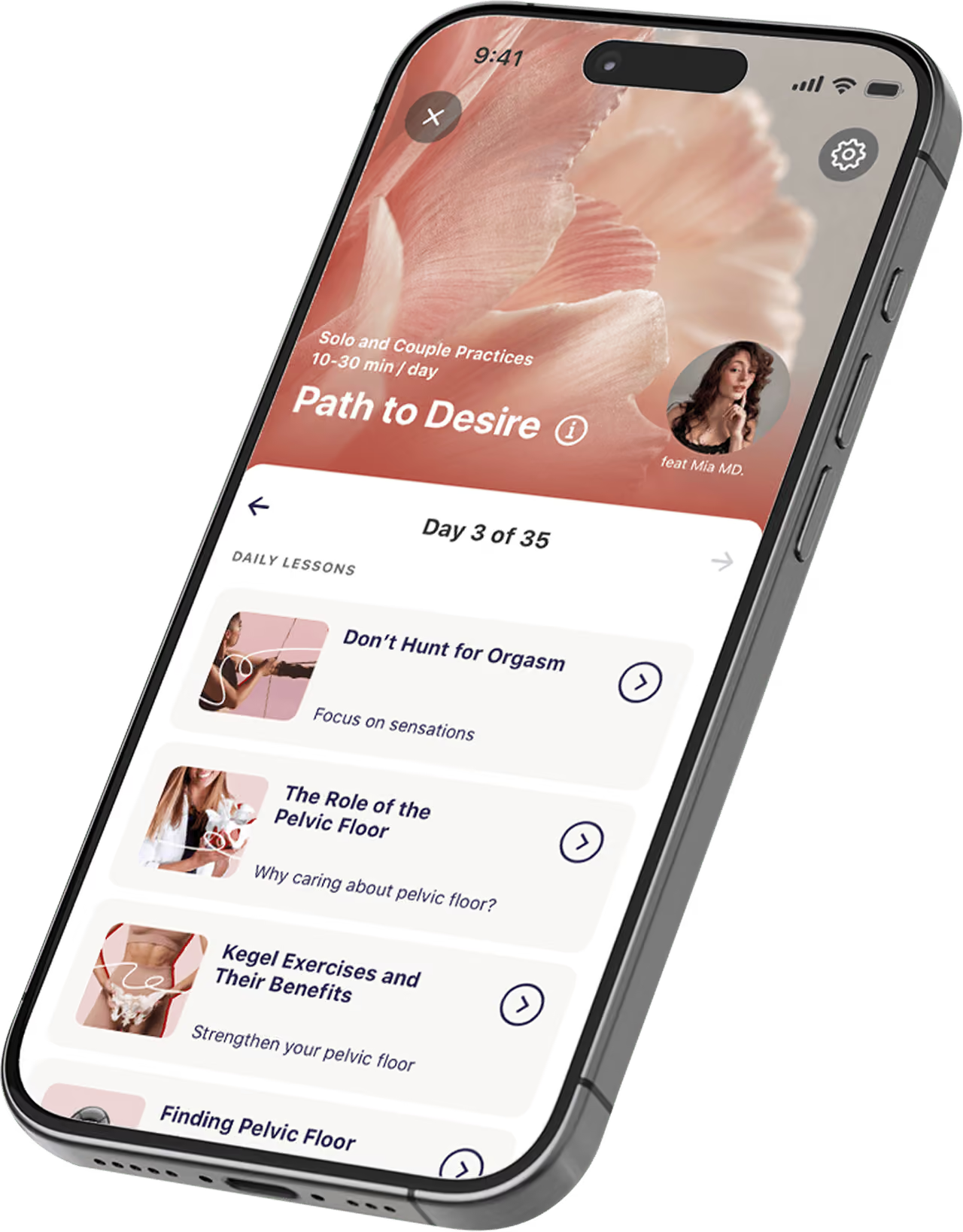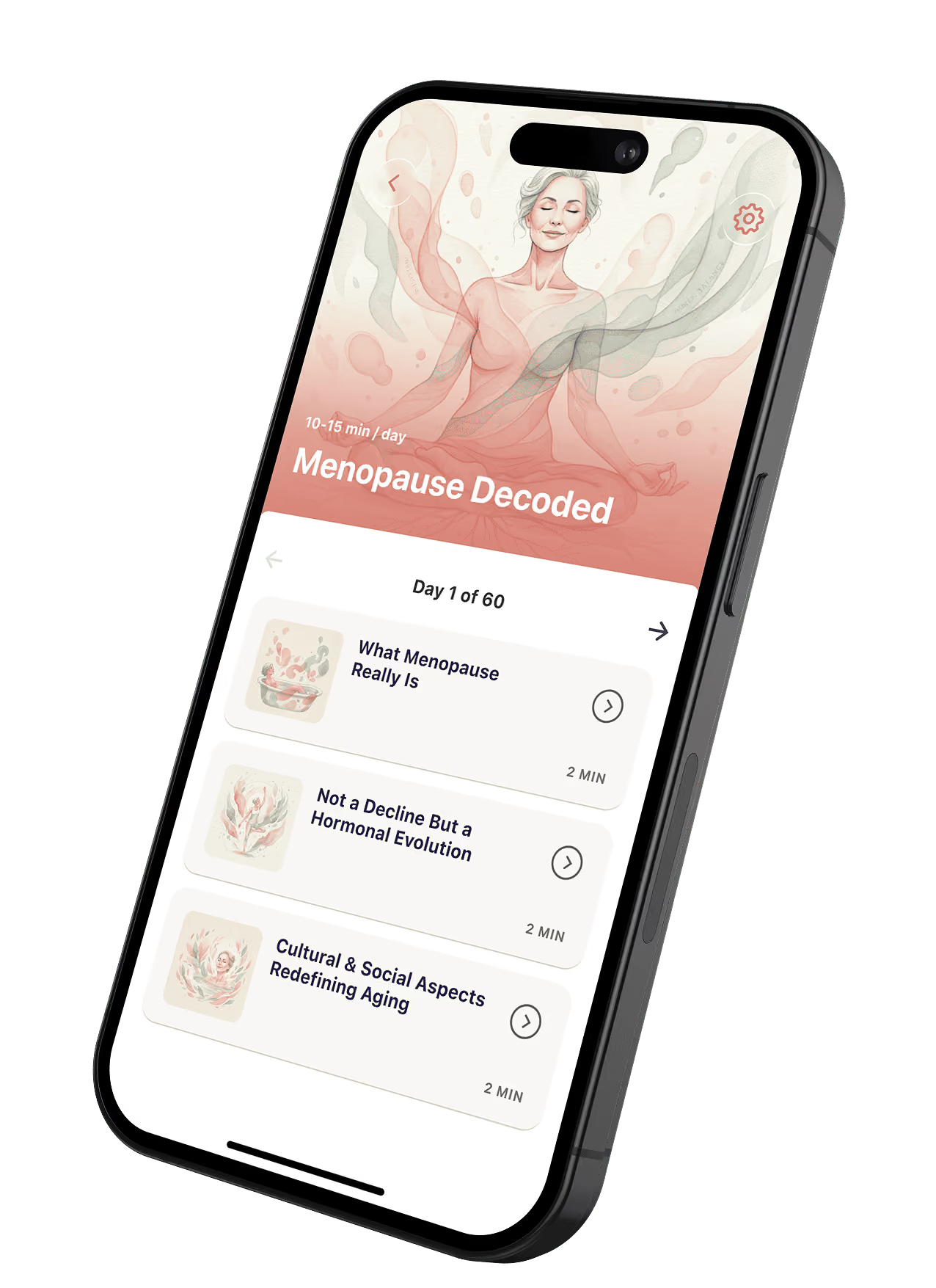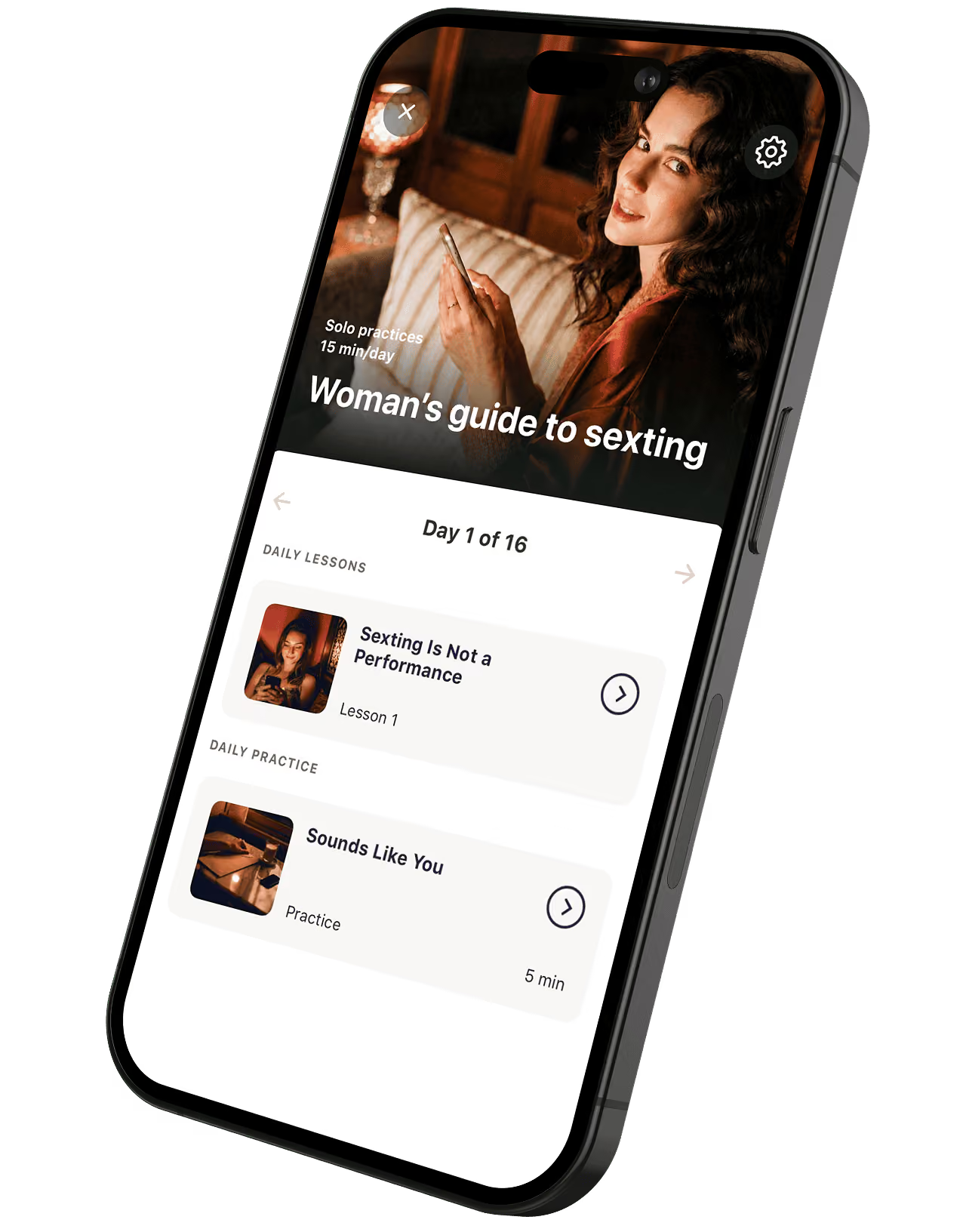
Sensate focus exercises are a slow way of touching each other in turns, with no aim of arousal, orgasm or sex. One of you touches, the other simply notices what they feel, and afterward you talk about it. Sex therapists have used the method for decades: with nothing to achieve, it’s easier to relax and notice what touch actually feels like. Path to Desire, a program in The Coach for Her app, includes sensate focus practices for you alone and with your partner. You start with a personal plan.
Get my planSet aside time when you won’t be interrupted, and agree beforehand that the session won’t lead to sex. Knowing that nothing has to happen next is what lets you both relax.
If you rarely feel like being touched at all, our guide on why you might not want sex anymore looks at the common reasons.
In sensate focus, touch isn’t a step toward sex. It’s something to notice for its own sake, and four simple principles keep it that way.
You don’t need a partner to begin. Practicing sensate focus with your own hands helps you notice what touch feels like before you share the exercise with your partner.
Set aside ten minutes or so, and repeat the exercise on several days in a row.
Path to Desire starts with solo practices like this one, adds sensate focus with your partner later in the program and includes lessons on being present during sex. A short quiz is the first step toward your personal plan.
Less pressure, more feeling.
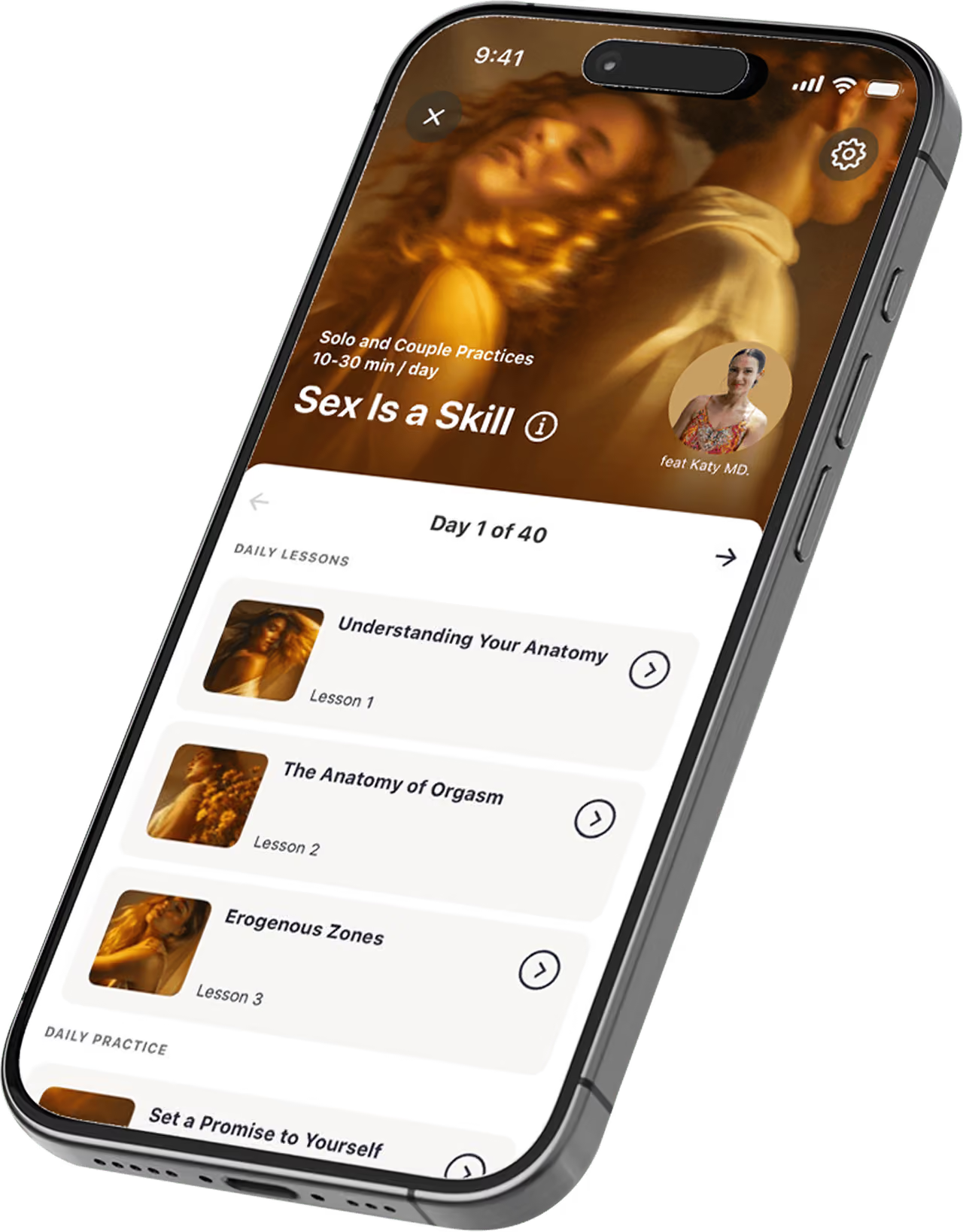
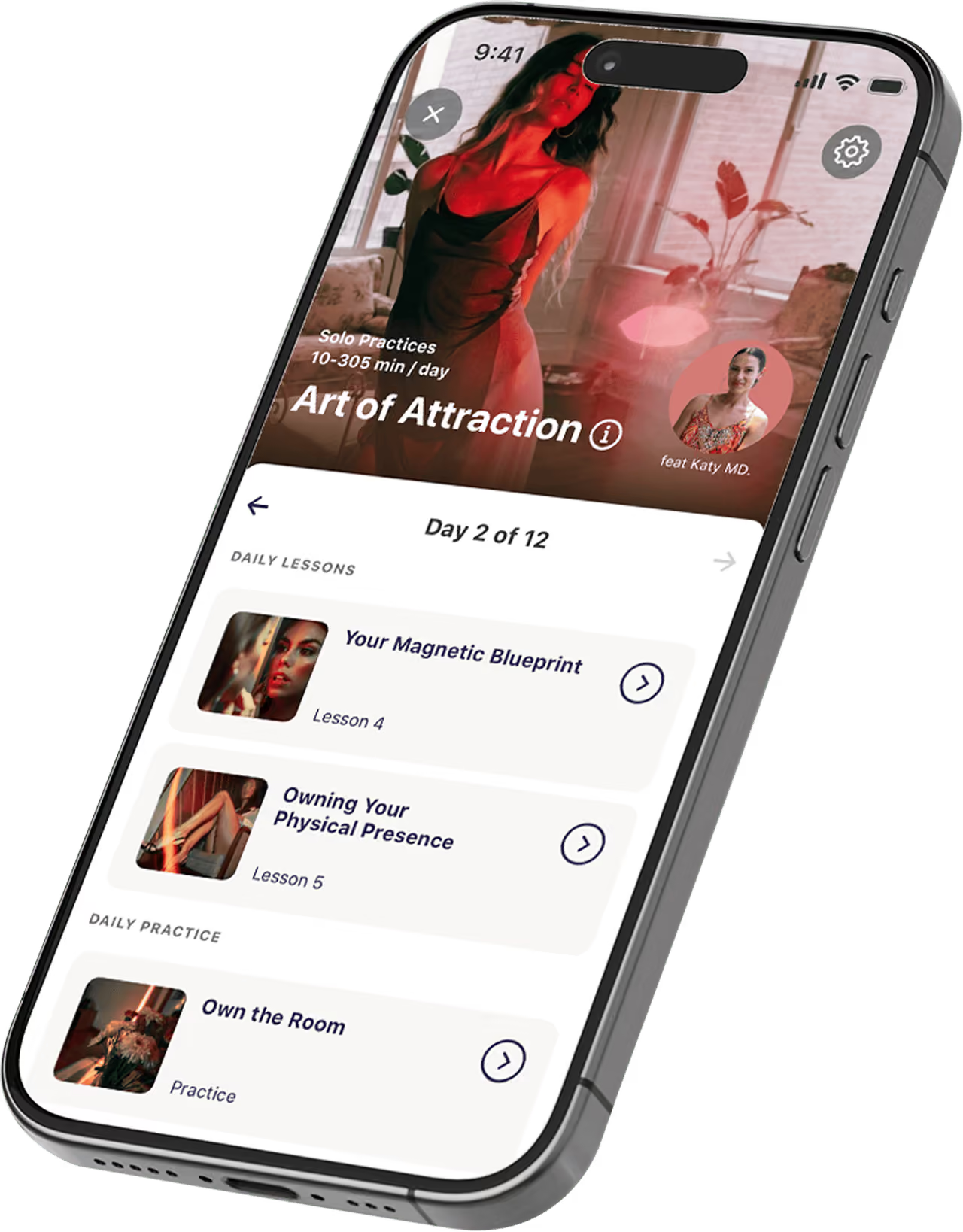
Path to Desire is a self-paced, five-week program in The Coach for Her, made up of short lessons and daily practices. You begin with your own desire and your own body, then move on to your partner and to what you can explore together.
Lessons on being present during sex, with a body scan and slow breathing to help you relax.
Practices that start with your own body and later include your partner, with questions to talk about afterward.
Why chasing orgasm adds tension, and how slowing down can make you more sensitive to touch.
Answer a few short questions, and your plan shows you where to begin. You can try sensate focus on your own first and invite your partner later.
Sex therapists usually teach sensate focus in stages. In the first, you touch each other’s whole body except the breasts and genitals. When that feels relaxed, you include these areas, still with no aim of orgasm and no intercourse. Later, you touch each other at the same time instead of taking turns, and only in the last stage does intercourse become part of the exercise.
There’s no fixed timetable. Stay with a stage until you both feel at ease, and go back a step whenever it starts to feel like pressure. If you’re trying sensate focus because sex hurts, see a doctor first; if anxiety gets in the way, a sex therapist can guide you through the stages.
For other ways to build closeness in a long-term relationship, see our guide on how to rekindle intimacy.
Sensual touch is slow, affectionate touch that is about pleasure and closeness rather than sex: stroking someone’s back, a hand on the neck, a long hug or a massage with warm oil. It can lead to sex, but it doesn’t have to.
Sensate focus is a structured form of sensual touch. You take turns, agree in advance that it won’t lead to sex and pay close attention to what you feel. Everyday sensual touch has no rules: a back rub while you talk, or lying close and breathing together before sleep.
If desire often shows up only once you’re already being touched, read our guide to responsive desire.
From a survey of The Coach users who finished their first four weeks:
Whether you want less pressure around sex or simply want to enjoy touch more, your personal plan gives you a first step.
Women describe their experience with The Coach for Her in their own words.
“Friendly daily practices that gently and compassionately bring you closer to your sensual self”
“I am super impressed with how well explained is everything, the practices are soft, relaxed, nothing is pushed or forced. Honestly is a lot more than I expected ❤️”
“The programs are super easy to follow and have taught me so much about my own body! Definitely recommend”
“The coach has awoken my mind to new sensations and ideas on a much deeper thoughtful level I am really enjoying it. Thanks”
The Coach works with clinical researchers, certified sex therapists and medical professionals, among them a urologist and an OB-GYN.
Dr. Jessica Yih
Urologist and director of women's sexual health and male infertility at UCI.
Dr. Kirti S. Patel
Board-certified ob/gyn and host of The Gynarchy, a women's-health podcast.
Dr. Justin Lehmiller
PhD in social psychology and senior research fellow at the Kinsey Institute.
Dr. Paula Hall
Accredited sexual and relationship psychotherapist, registered with leading professional bodies in psychotherapy.
Natalie Goldberg
Certified sex and family therapist dedicated to improving intimate relationships and personal well-being.
Dr. Susie Gronski
Licensed physical therapist, certified sexuality counselor, and founder of a men's pelvic health clinic.
Dr. Gary Shlifer
DO, board-certified internal medicine physician specializing in preventative care, nutrition, and anti-aging.
Dr. Joshua Roland
MD, sleep medicine specialist, and clinical instructor at the David Geffen School of Medicine, UCLA.
There’s no set rule. For a first session, about ten to fifteen minutes in each role is enough. Practicing a few times a week, rather than once in a while, helps the exercise feel familiar and relaxed.
That’s fine. Notice it, then bring your attention back to the touch. If you agreed that the session won’t lead to sex, keep to it, so neither of you feels you have to act on the arousal.
That’s common, especially at first. When your mind wanders, bring it back to the spot being touched and to how it feels: warm or cool, light or firm. A few slow breaths can help you settle again.
They can, because with no goal to reach there’s nothing to fail at, and that makes it easier to relax. If anxiety stays strong, a sex therapist can guide you through the exercises; if sex is painful, see a doctor first.
Say so. You can ask for a lighter or firmer touch, skip an area or end the session. If touch brings up painful memories, consider working with a therapist before you continue.
No. Wear whatever helps you feel comfortable, whether that’s something soft and loose or nothing at all. Some couples start clothed and undress in later sessions, once they feel at ease.
Yes. The first part of the program focuses on your own desire and body, including solo sensate focus, so you can do it by yourself. The practices for couples are there when you and your partner feel ready.