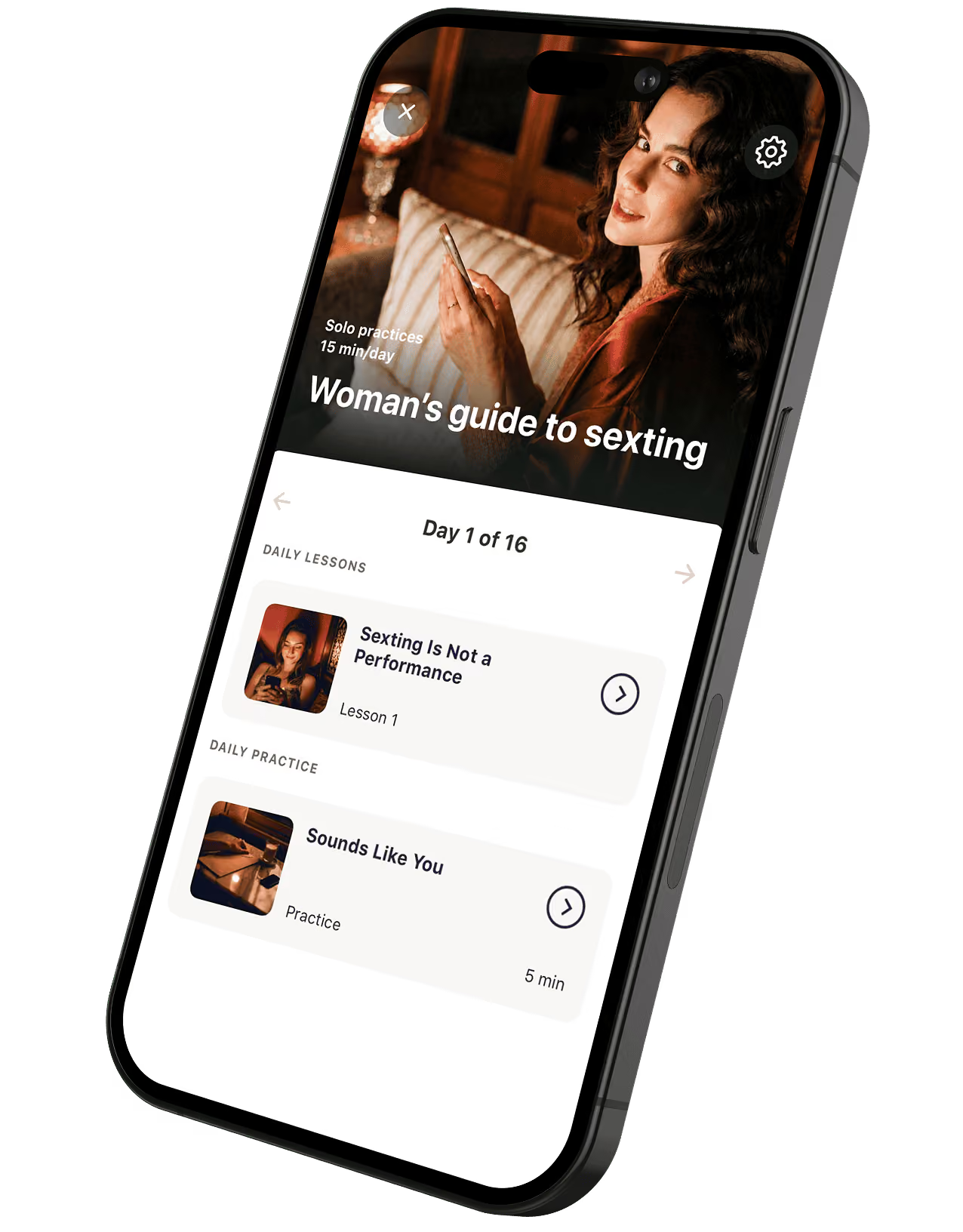
In a long relationship, intimacy usually fades slowly, as routine and stress take over and time for each other gets squeezed out. It comes back gradually too, through small moments of closeness repeated often: regular time alone together, touch that doesn’t have to lead to sex, something new to share and honest talk about what each of you needs. Path to Desire, a program in The Coach for Her app, helps you understand your own desire and reconnect with your partner, starting with a personal plan.
Get my planAt the start of a relationship, closeness comes easily because everything is new. Over the years, a few ordinary things tend to push it aside.
If what has changed is mostly your own interest in sex, see our guide on why you might not want sex anymore.
When people say they want the intimacy back, they often mean several kinds of closeness at once. Each one can fade on its own, and each one can be rebuilt.
A romantic weekend away can help, but closeness usually comes back through small things you do regularly, until being close feels like part of ordinary life again.
Pick one or two to start with, and agree on them together if you can.
If you’d like a guided way to do this, Path to Desire combines daily practices, for you alone and for the two of you, with lessons on desire, connection and talking about sex. A short quiz is the first step toward your personal plan.
A few minutes of closeness every day can do more for intimacy than one grand gesture.
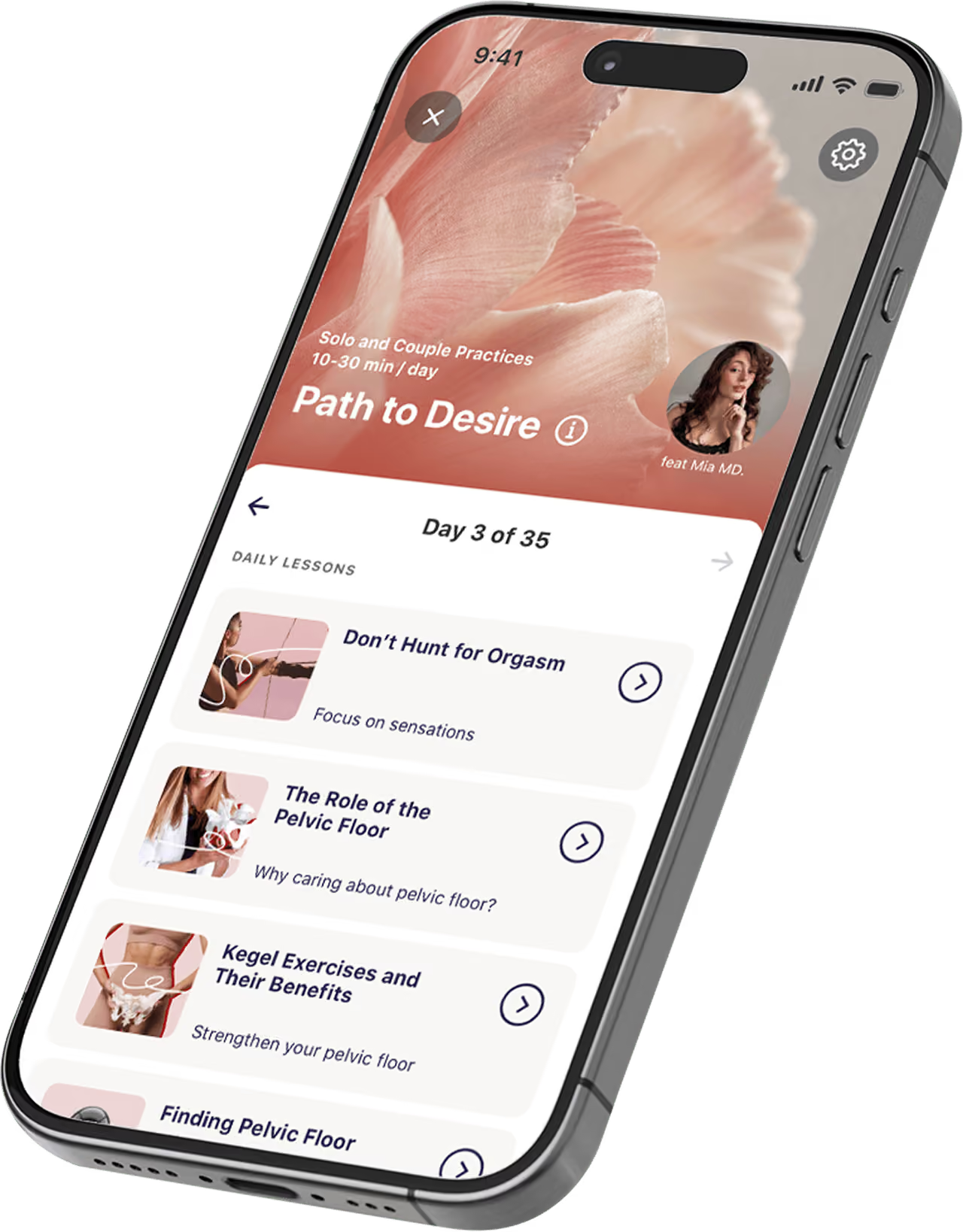
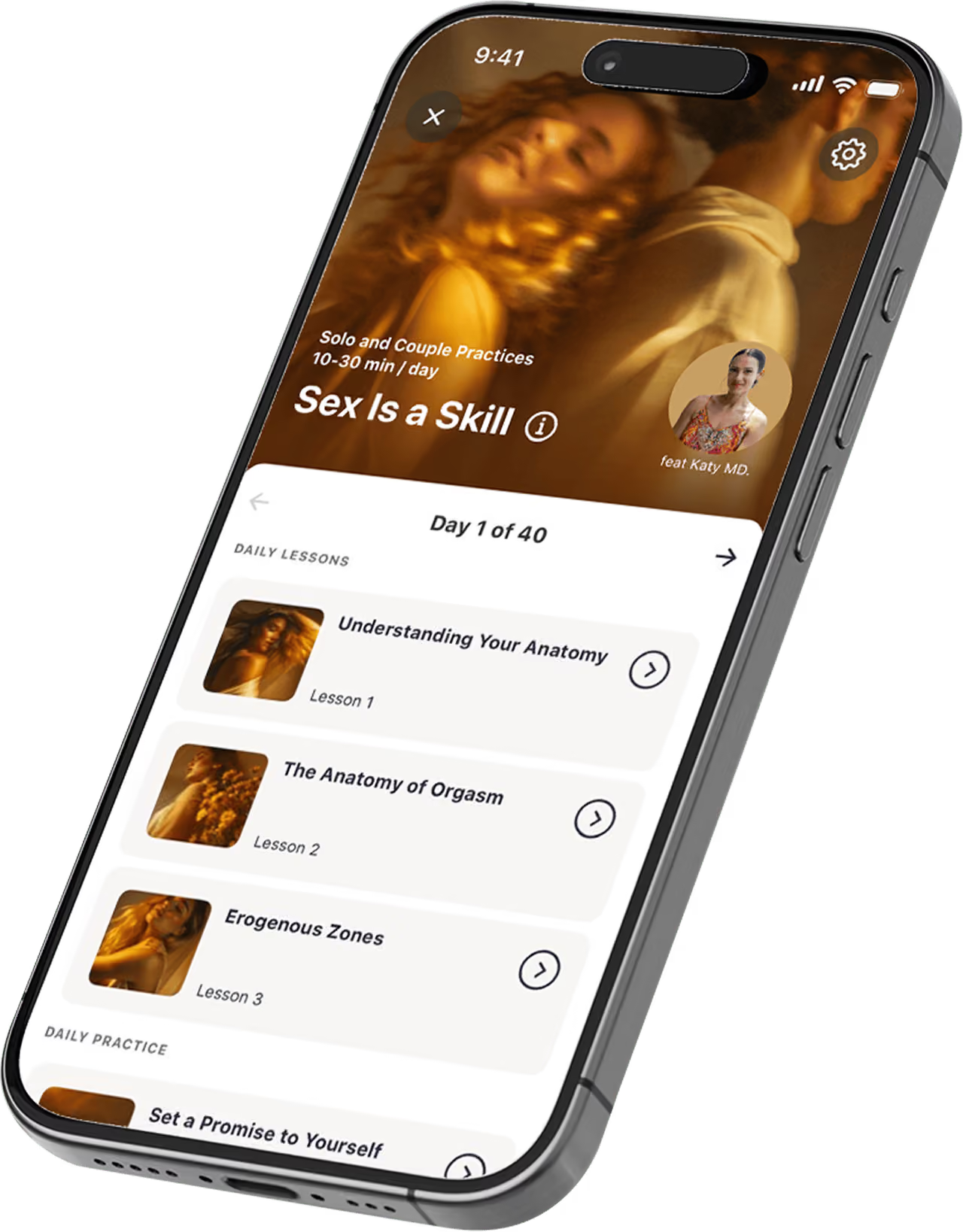
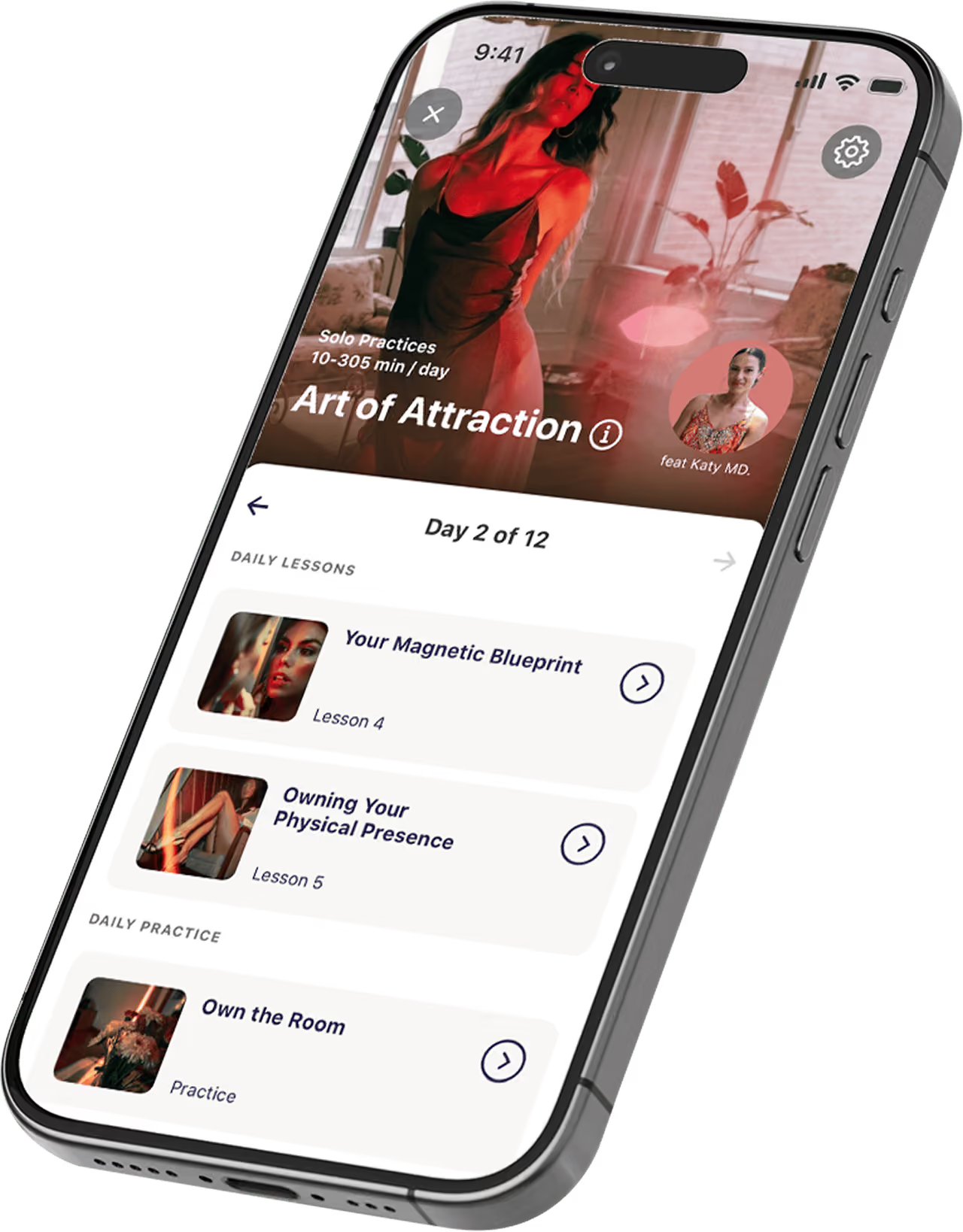
Path to Desire is a self-paced, five-week program in The Coach for Her, built on short lessons and daily practices. It starts with your own desire, then turns to your partner and to what you can explore together.
Learn what turns you on and what holds you back, how stress and context shape desire and why desire sometimes appears only once closeness has begun.
Practices for couples, such as massage, breathing together and slow touch with no goal, help you feel close without pressure.
Lessons on open conversations, shared rituals and regular check-ins help you say what you want and hear what your partner needs.
A few short questions shape a plan that shows you where to begin. You can start on your own, even if your partner isn’t ready to join in.
Emotional intimacy in marriage, or in any long relationship, means feeling known and safe with your partner: you can say what worries you or what you want without expecting to be judged. It grows from attention. Ask open questions you don’t know the answer to, such as “What’s something you’ve wanted to try lately?”, notice how your partner’s mood shifts and give them your full attention when you’re together.
When you talk about something difficult, take turns: one of you speaks, and the other repeats back what they heard before answering. Talk about your own feelings rather than your partner’s faults, for example “I feel lonely when we don’t spend time together,” not “You never make time for me.” Say thank you for everyday things, too. If old conflicts keep coming back, a couples therapist can help you work through them.
If you feel close but the attraction has faded, see our guide on what to do when you’re not attracted to your husband.
The spark usually means desire and a sense of excitement between you. Routine dulls it, and surprise brings some of it back. Kiss your partner in the middle of an ordinary moment, send a flirty message during the day, whisper a compliment or suggest making out in the kitchen instead of waiting for bedtime. Unexpected gestures like these show your partner that you still want them.
When you have sex, change one thing at a time: a new place or time of day, a blindfold, a massage that turns into something more, or a slower pace than usual. Agree that either of you can say no or stop, so that trying something new feels safe. Planned evenings and spontaneous moments work well together: the plan gives you the time, and the surprise keeps it exciting.
When you want to take the first step yourself, see our guide on how to initiate sex.
From a survey of The Coach users who finished their first four weeks:
You might want more affection, more time together, easier conversations or more desire in bed. Rather than trying everything at once, start from a personal plan based on your answers to a few short questions.
Women describe their experience with The Coach for Her in their own words.
“It really helped me learn more about my health and how to improve my intimacy with my husband. I would recommend it”
“I absolutely love this app! I’ve only had it for a couple weeks and noticed so many changes in myself and my relationship.”
“Very approachable. I hadn’t ever used an app like this but I feel like it has given me perspective about my own body and has enhanced intimacy. Educational and engaging, I am enjoying it.”
“It helps me understand myself better, not just emotionally but also in how I connect with others. I like that everything is broken into small, simple lessons, so it doesn’t feel overwhelming.”
The Coach works with clinical researchers, certified sex therapists and medical professionals, among them a urologist and an OB-GYN.
Dr. Jessica Yih
Urologist and director of women's sexual health and male infertility at UCI.
Dr. Kirti S. Patel
Board-certified ob/gyn and host of The Gynarchy, a women's-health podcast.
Dr. Justin Lehmiller
PhD in social psychology and senior research fellow at the Kinsey Institute.
Dr. Paula Hall
Accredited sexual and relationship psychotherapist, registered with leading professional bodies in psychotherapy.
Natalie Goldberg
Certified sex and family therapist dedicated to improving intimate relationships and personal well-being.
Dr. Susie Gronski
Licensed physical therapist, certified sexuality counselor, and founder of a men's pelvic health clinic.
Dr. Gary Shlifer
DO, board-certified internal medicine physician specializing in preventative care, nutrition, and anti-aging.
Dr. Joshua Roland
MD, sleep medicine specialist, and clinical instructor at the David Geffen School of Medicine, UCLA.
Yes. Familiarity dulls novelty, but it doesn’t mean the intimacy is gone for good. Couples often reconnect once they make regular time for each other, touch without pressure and bring something new into their routine.
Intimacy in marriage is the closeness between partners: feeling emotionally known and safe, physical affection, sexual connection and time spent enjoying each other. Sex is one part of it, not the whole of it.
Emotional intimacy is feeling understood and accepted; physical intimacy is closeness through touch, from holding hands to sex. They support each other: many people find it easier to want sex when they feel emotionally close, and affectionate touch can make it easier to open up.
Start with what you can do yourself: small gestures of affection, attention and appreciation, without pressing for sex. Then talk about it at a calm moment and say what you miss rather than what he’s doing wrong. If he keeps withdrawing, or something seems to be weighing on him, a couples therapist can help you both talk about it.
There’s no set timeline. It depends on what pushed you apart and on how much time and attention you can give each other. Keeping up a few changes matters more than how fast things move.
If every attempt to talk turns into an argument, if trust has been broken or if one of you feels resentful most of the time, a couples therapist can help. If desire has dropped suddenly or sex has become painful, see a doctor as well.
Yes. Much of the early work focuses on your own desire, stress and body, and you can do it alone. Practices for couples, such as massage, breathing together and talking about sex, are there when you both feel ready.