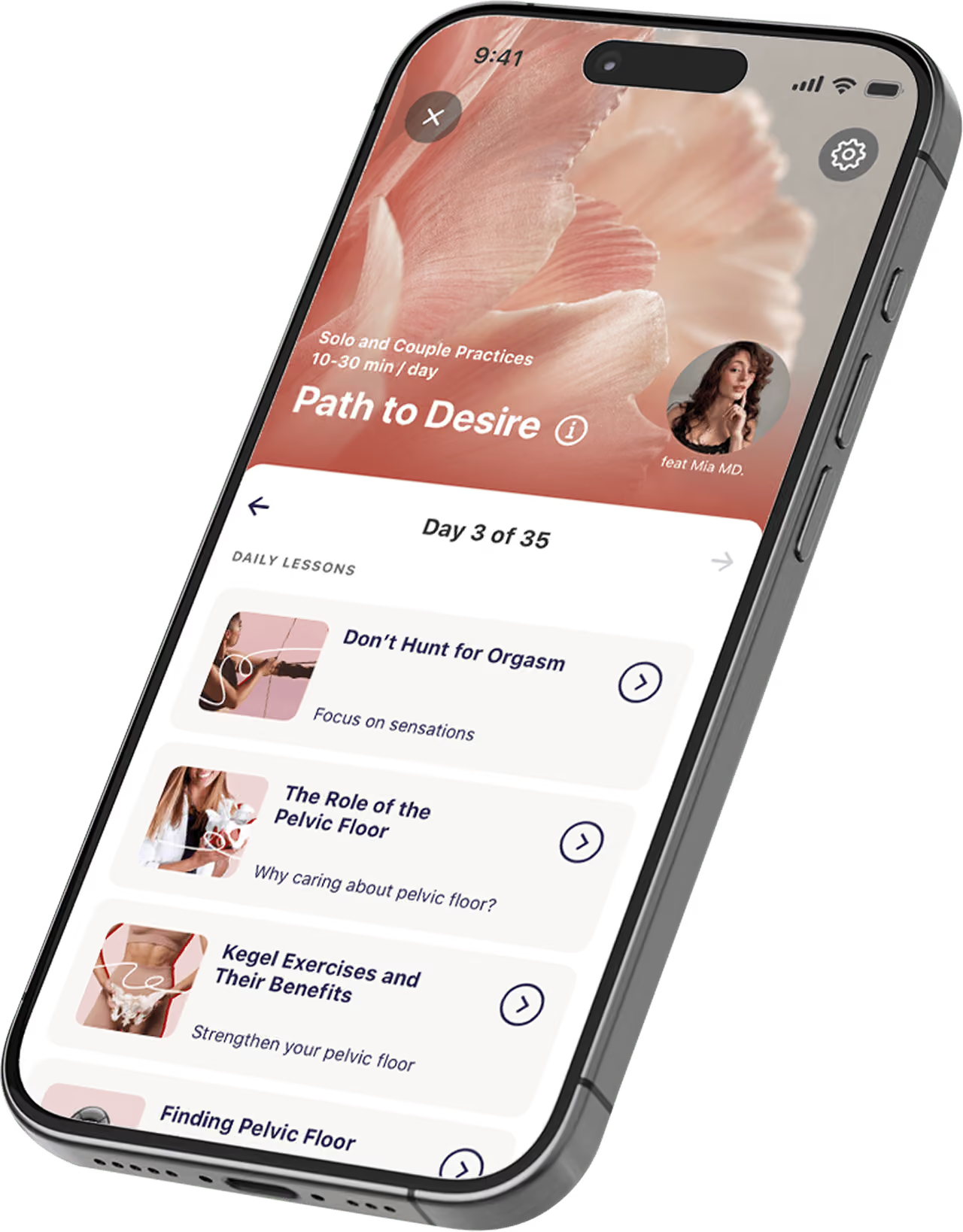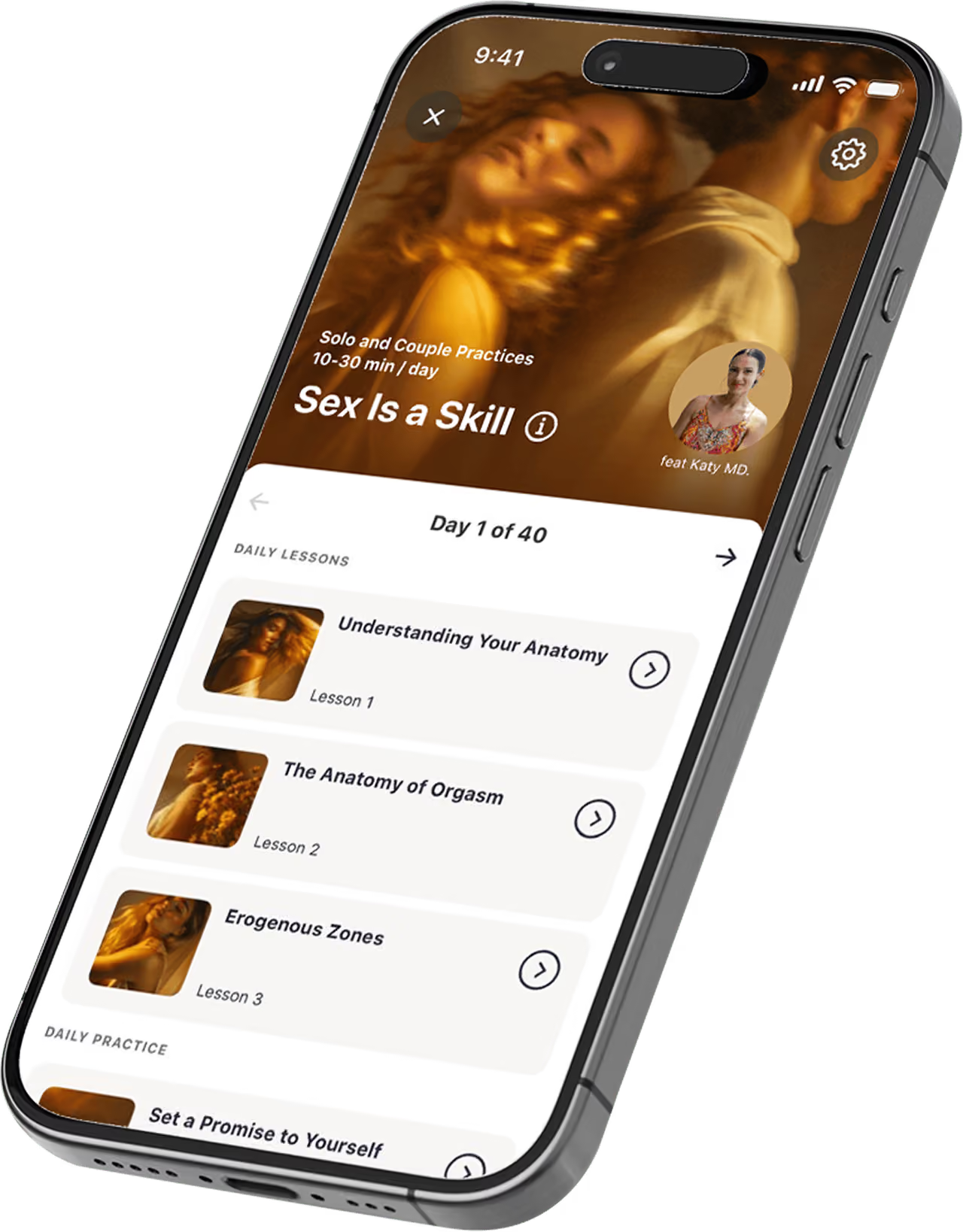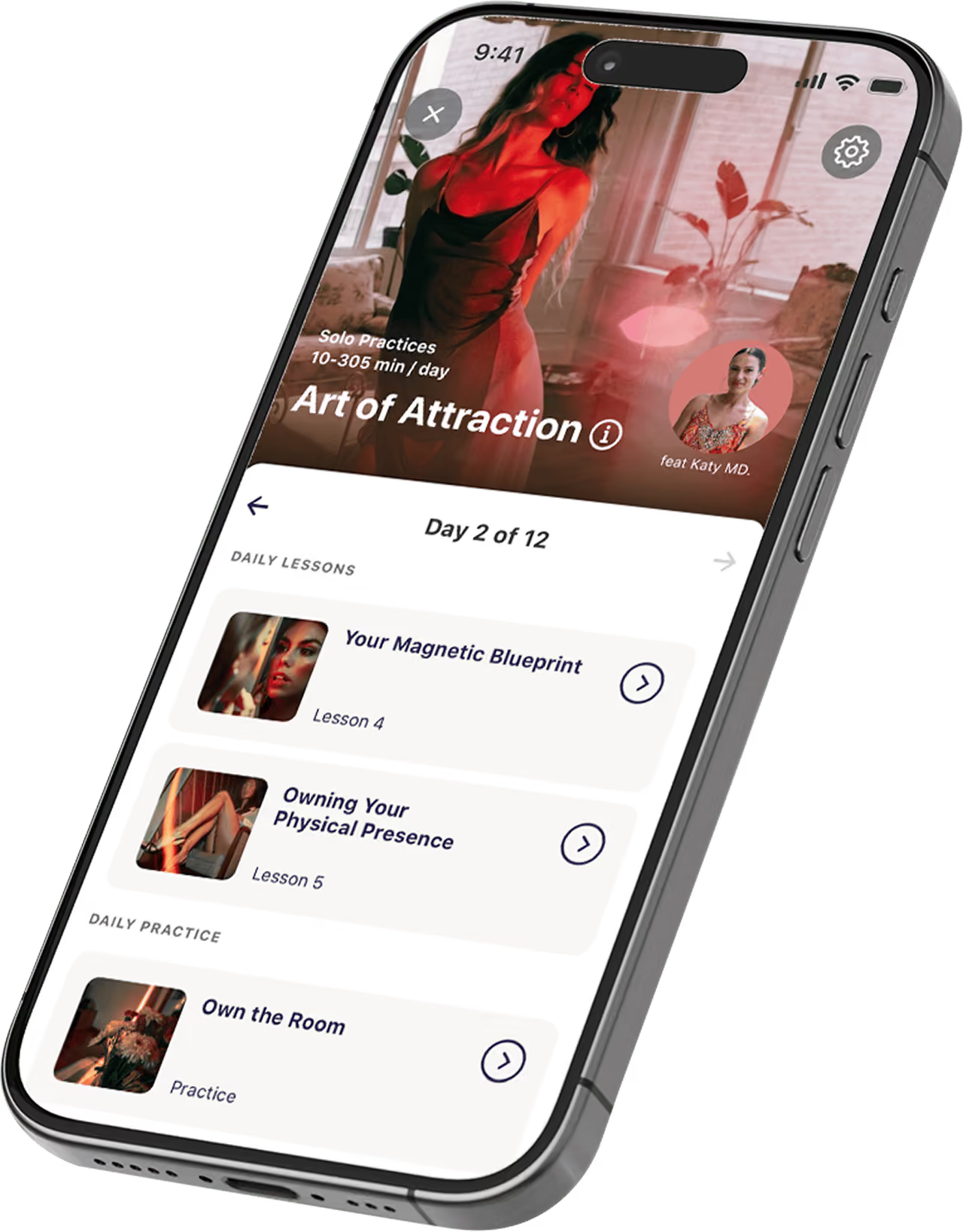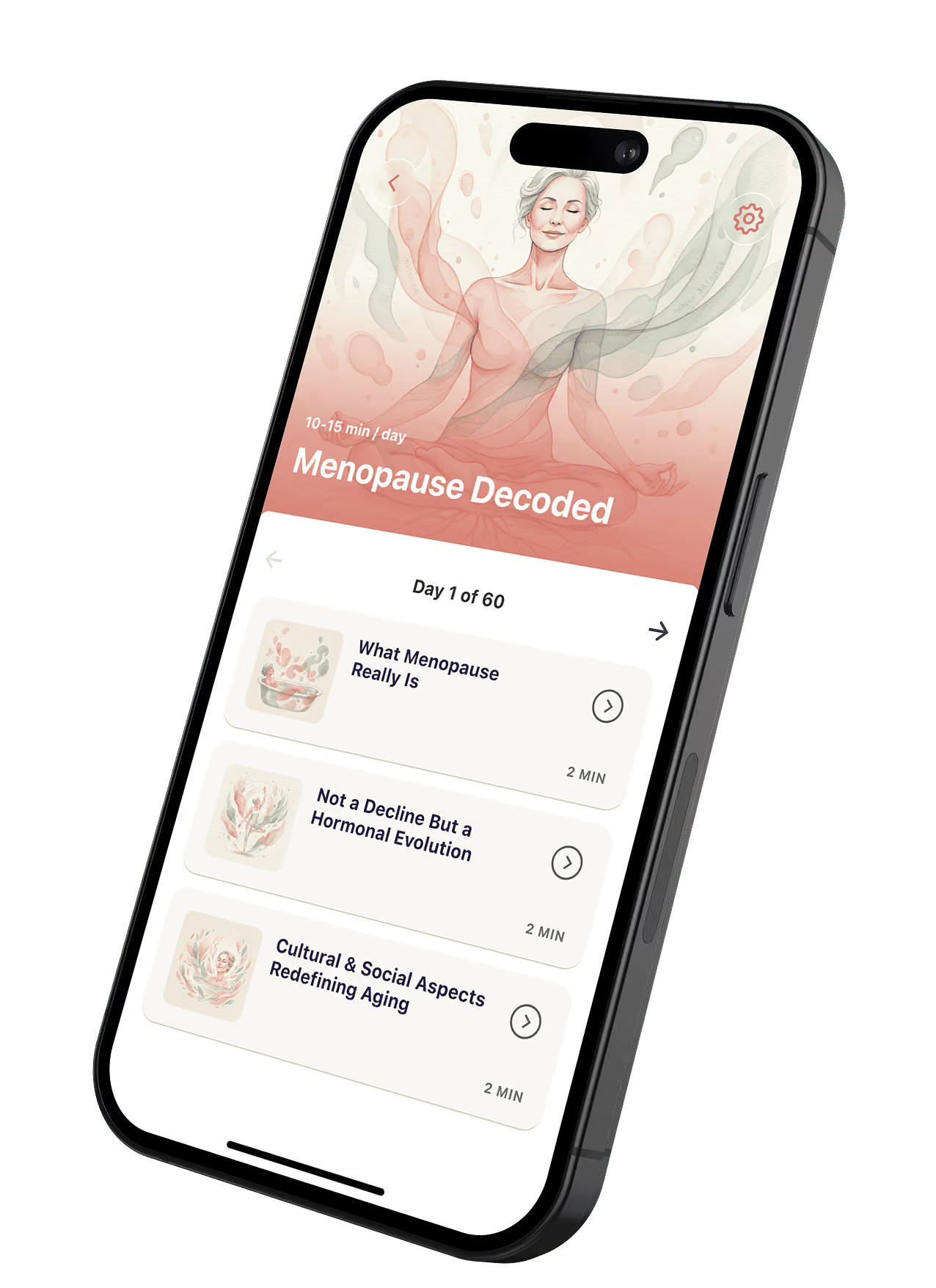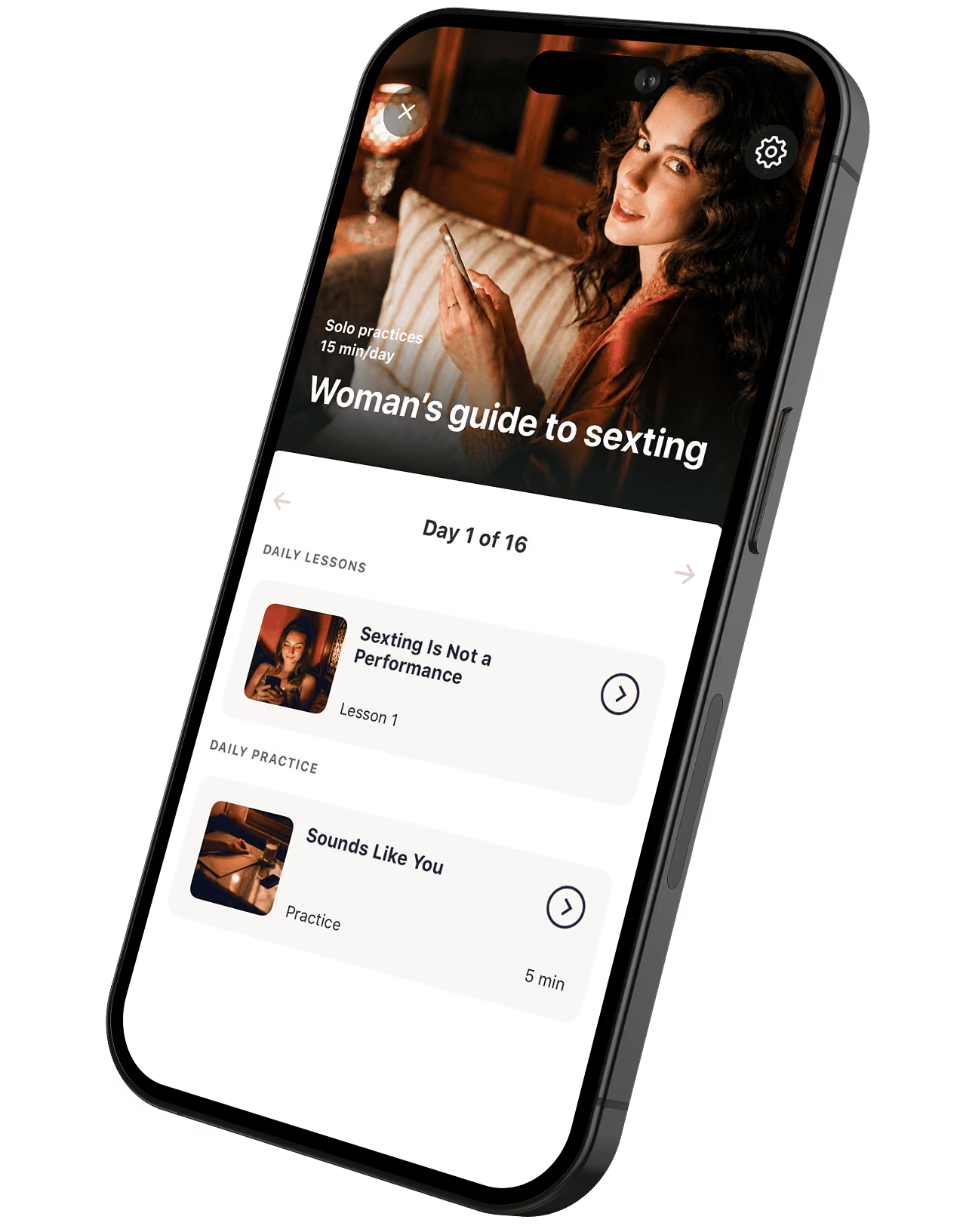
Feeling less attracted to your husband, or feeling no desire for him at all, is common in long relationships. Routine, stress, resentment that hasn’t been talked through and too little time as a couple can all dull attraction, and so can changes in your own body and desire. It doesn’t have to mean you’ve stopped loving him, and it isn’t necessarily permanent: desire responds to the conditions around it, and many of those can change. Path to Desire, a program in The Coach for Her app, helps you understand what shapes your desire and find new ways to feel close to your husband.
Show me where to startAttraction in a long relationship rarely fades for one reason alone. Look at what has changed between the two of you, in your daily life and in yourself.
In a long relationship, desire also tends to work differently: for many women it builds once closeness and touch have begun, rather than arriving first as a spark. This is called responsive desire.
Noticing that the attraction has faded can be unsettling, especially if you still love your husband. It often says less about your love than it seems to at first.
You can’t force attraction, but you can change the conditions it depends on: how you get along, how much time you spend as a couple, how much feels new between you and how much pressure surrounds sex.
Start with one step that feels manageable; you don’t need to try everything at once.
If you’d like a structured way to work on this, Path to Desire combines lessons on desire, relationship barriers and novelty with daily practices you can do on your own or with your husband. A short quiz is the first step toward a personal plan.
Much of what shapes attraction in a long relationship is something you can work on, alone or together.
Path to Desire is a self-paced, five-week program in The Coach for Her, built on short lessons and daily practices. It starts with your own desire, then turns to your partner and to new ways of being close.
Learn what excites you and what holds you back, how stress gets in the way and why desire often follows closeness rather than coming first.
Lessons on conflict, routine and talking about sex help you deal with the relationship problems that dull desire, with practices for listening and speaking without blame.
Practices for couples, such as a guided massage, breathing together and touch without a goal, help you reconnect without pressure to have sex.
A few short questions shape your plan, and you can begin on your own, whether or not your husband joins in.
Feeling no desire for your husband can hurt you both: you may feel guilty or under pressure, and he may feel rejected. It helps to ask whether desire is missing only with him or in general. If you still feel desire on your own or in fantasies, your desire hasn’t gone, and something between you, such as resentment, routine or distance, may be getting in the way.
If you’re open to closeness, try starting without any goal: a long kiss, a massage or lying together in a relaxed setting. For many women, desire appears once touch has begun, and agreeing that either of you can stop at any point makes it easier to begin. Sex you don’t want is never the answer, and closeness shouldn’t feel like a duty.
If you’ve lost interest in sex in general, start with our guide on why you might not want sex anymore.
Telling your husband “I’m not attracted to you” can hurt him without showing either of you what to do next. Talking about what you miss and what you’d like to build together is more likely to help: more time alone as a couple, less tension over chores, something new to look forward to. Pick a time when neither of you is rushed, talk about your feelings rather than his faults, and ask how he sees things.
If resentment runs deep or the same conversation keeps ending in an argument, a couples therapist can help you both talk more openly.
When you feel ready to take the lead with him, see our guide on how to initiate sex.
From a survey of The Coach users who finished their first four weeks:
You might want to understand what changed, clear the air between you or feel desire for your husband again. A few questions lead to a personal plan that shows you where to start.
Women describe their experience with The Coach for Her in their own words.
“Sex and desire, in particular, are areas I want to improve in my personal life with my partner. For the first time, I don’t feel like an outsider, and I’ve realized that most of the things I was struggling with are actually quite normal.”
“I absolutely love this app! I’ve only had it for a couple weeks and noticed so many changes in myself and my relationship.”
“It really helped me learn more about my health and how to improve my intimacy with my husband. I would recommend it”
“I have learnt so much about myself and relationships that I never thought was possible”
The Coach works with clinical researchers, certified sex therapists and medical professionals, among them a urologist and an OB-GYN.
Dr. Jessica Yih
Urologist and director of women's sexual health and male infertility at UCI.
Dr. Kirti S. Patel
Board-certified ob/gyn and host of The Gynarchy, a women's-health podcast.
Dr. Justin Lehmiller
PhD in social psychology and senior research fellow at the Kinsey Institute.
Dr. Paula Hall
Accredited sexual and relationship psychotherapist, registered with leading professional bodies in psychotherapy.
Natalie Goldberg
Certified sex and family therapist dedicated to improving intimate relationships and personal well-being.
Dr. Susie Gronski
Licensed physical therapist, certified sexuality counselor, and founder of a men's pelvic health clinic.
Dr. Gary Shlifer
DO, board-certified internal medicine physician specializing in preventative care, nutrition, and anti-aging.
Dr. Joshua Roland
MD, sleep medicine specialist, and clinical instructor at the David Geffen School of Medicine, UCLA.
Common reasons include routine and familiarity, unresolved resentment, too little time as a couple, stress and exhaustion, and changes in your own body or desire, for example after having a baby or around menopause. Several often overlap, so look at what has changed in your relationship, your daily life and yourself.
Yes. The intensity of the early months usually fades as novelty wears off, and many couples go through stretches when desire is low. It’s worth addressing when it bothers you or your partner, or when it comes with resentment or distance.
Yes. Love, care and sexual desire are connected, but they don’t always move together. Many women love their partner and still feel little desire for a while, especially during stressful periods or when routine has taken over.
It can. When tension between you eases, you have more time as a couple, something feels new again and sex comes with less pressure, desire has more room to return. There’s no set timeline, though.
Honesty helps, but how you say it matters. Instead of announcing a verdict, talk about what you miss and what you’d like to change together, and ask for his view. If the conversation keeps getting stuck, a couples therapist can help.
Only if you want to. Some women find that desire appears once closeness begins, and choosing to start with touch, knowing you can stop at any point, is different from sex out of obligation. Sex you don’t want won’t bring attraction back and can make things harder.
Yes. Much of the early work focuses on your own desire, body and stress, and you can do it alone. Practices for couples, such as planning time together and talking about sex, are there when you both feel ready.