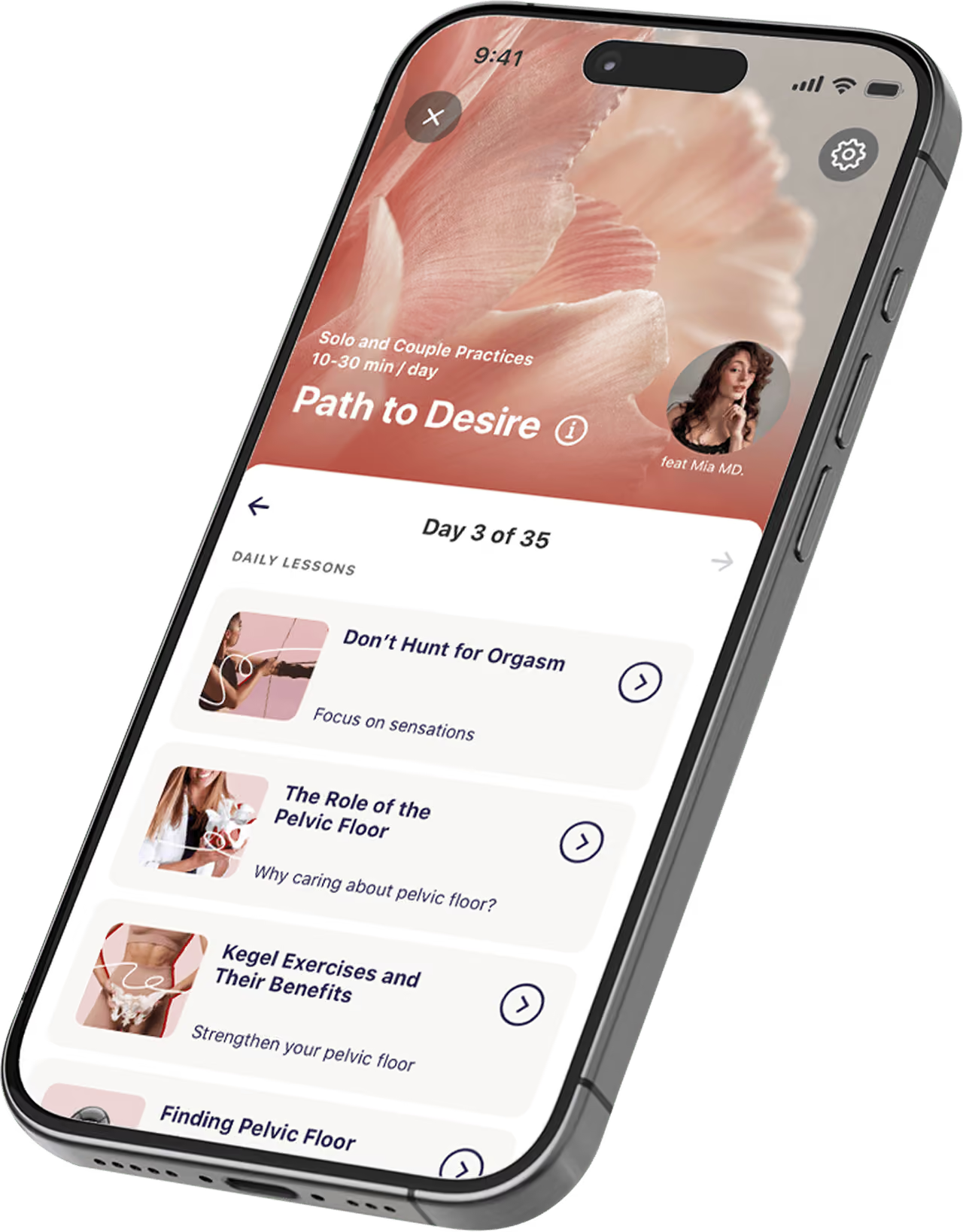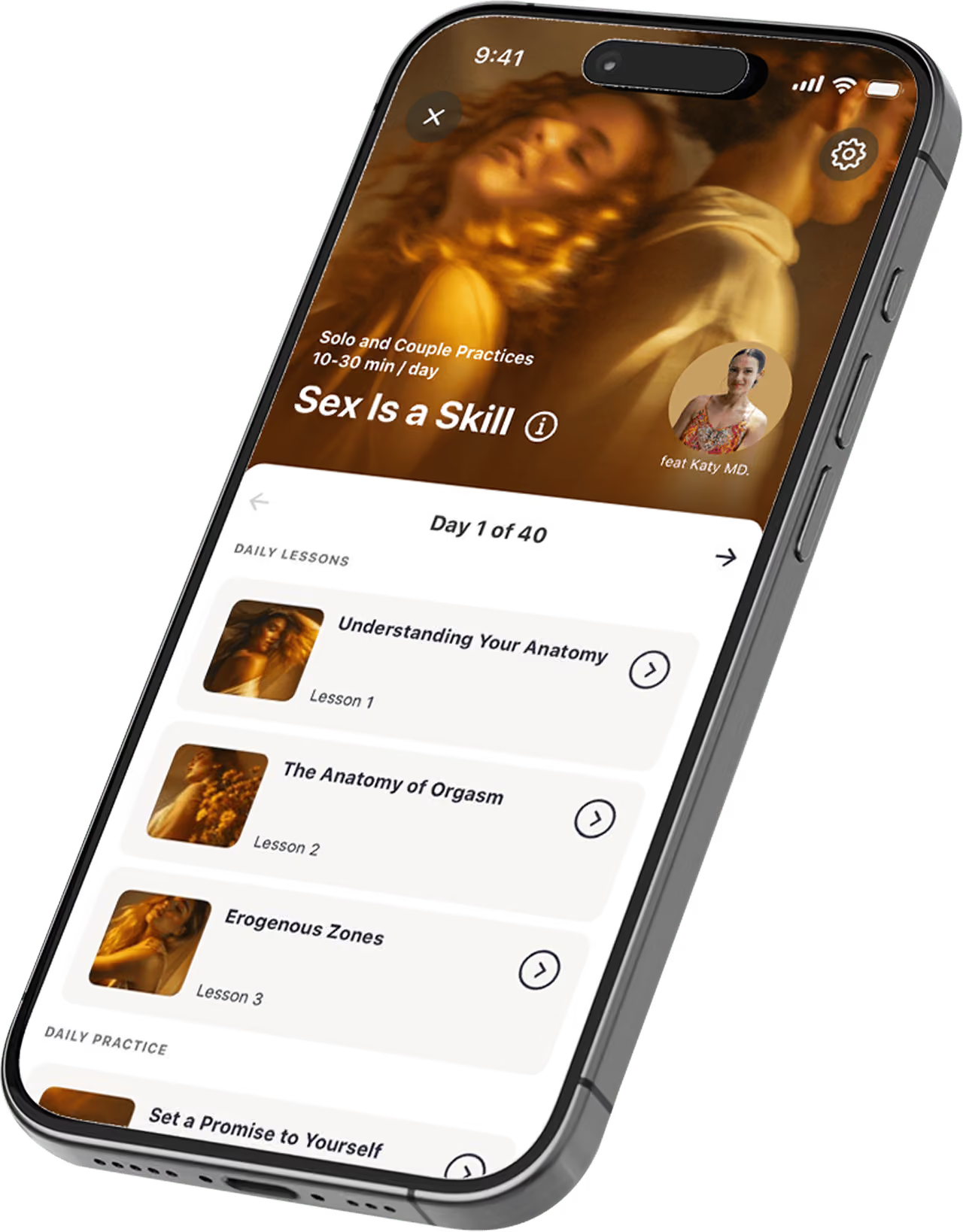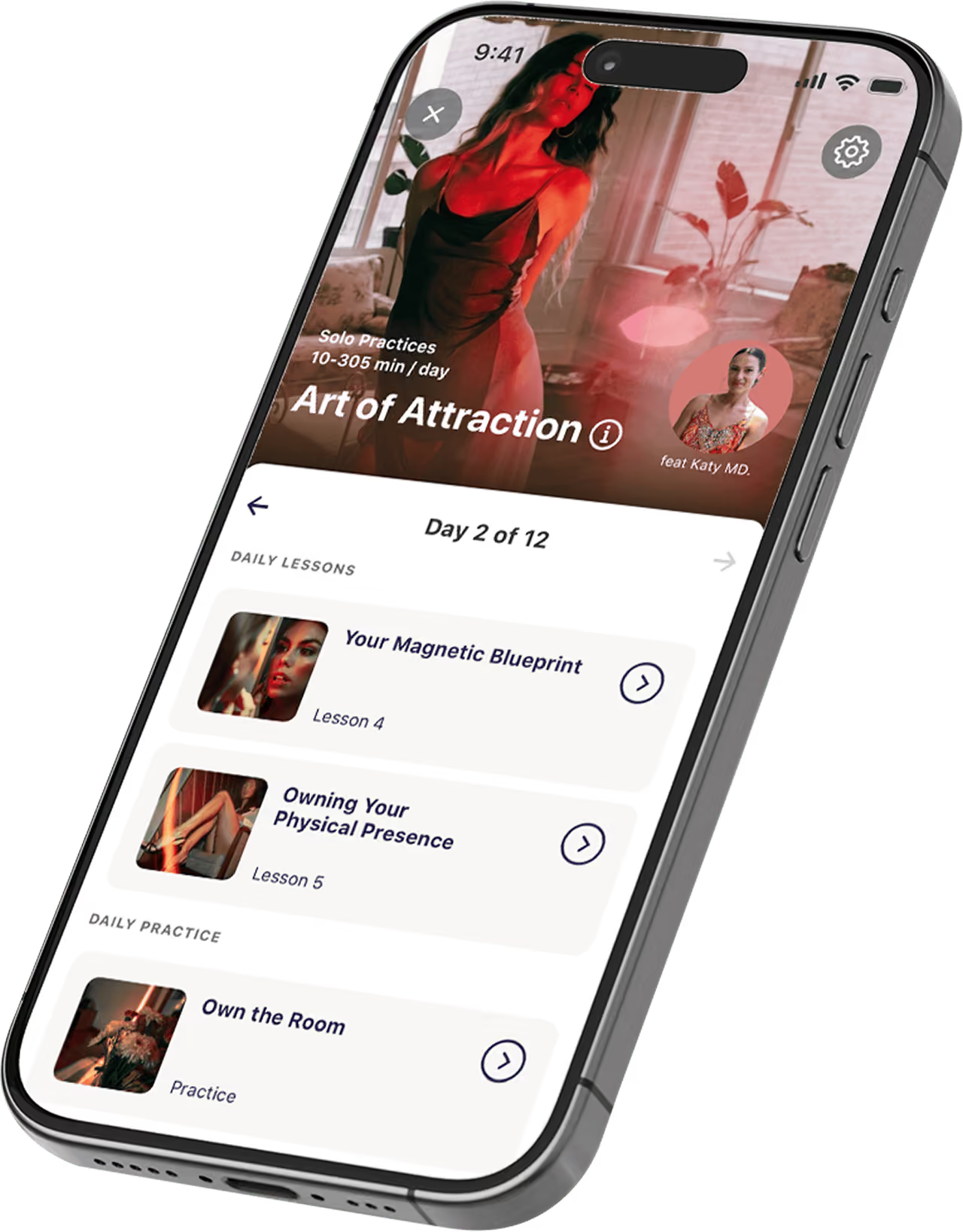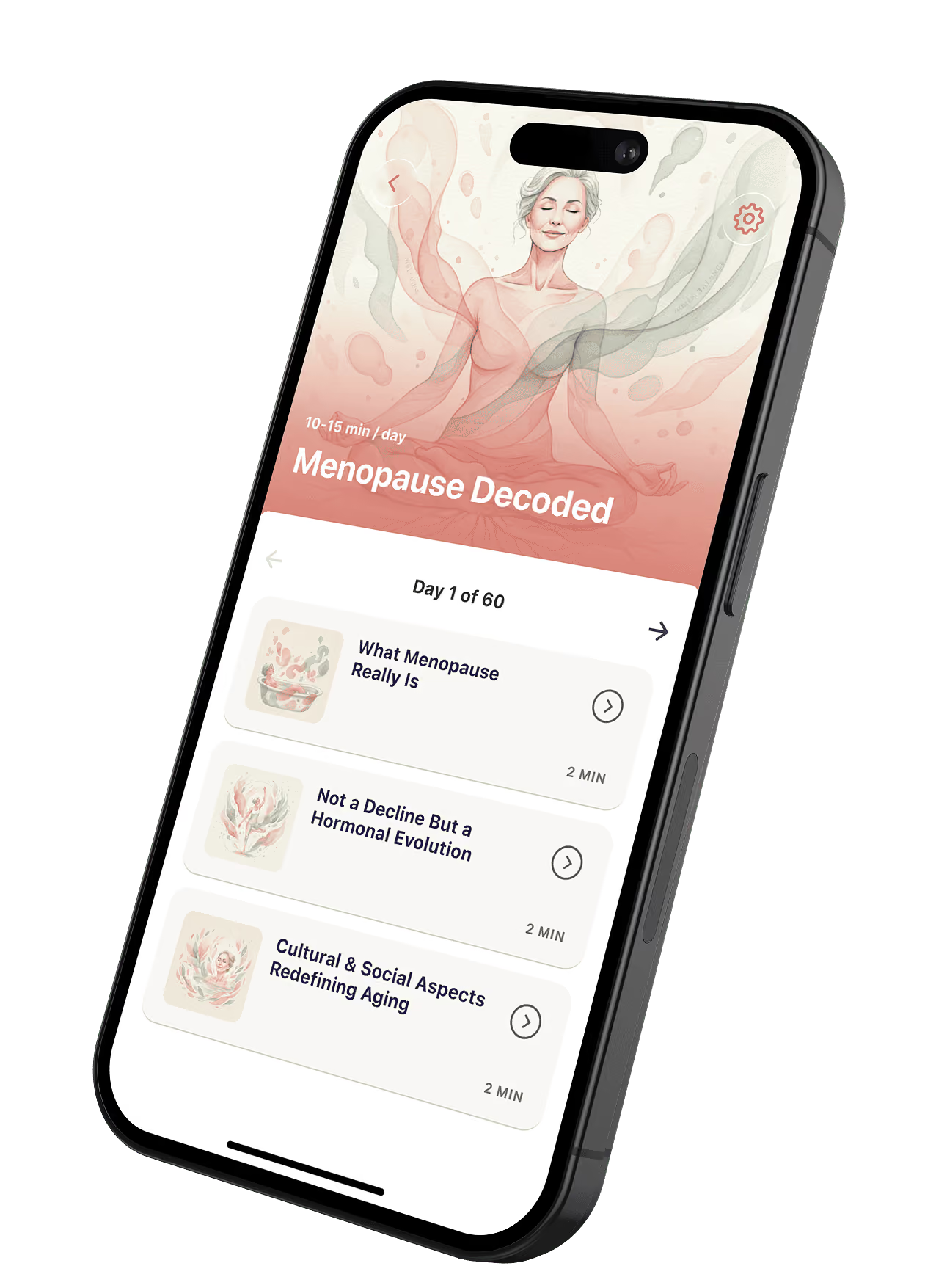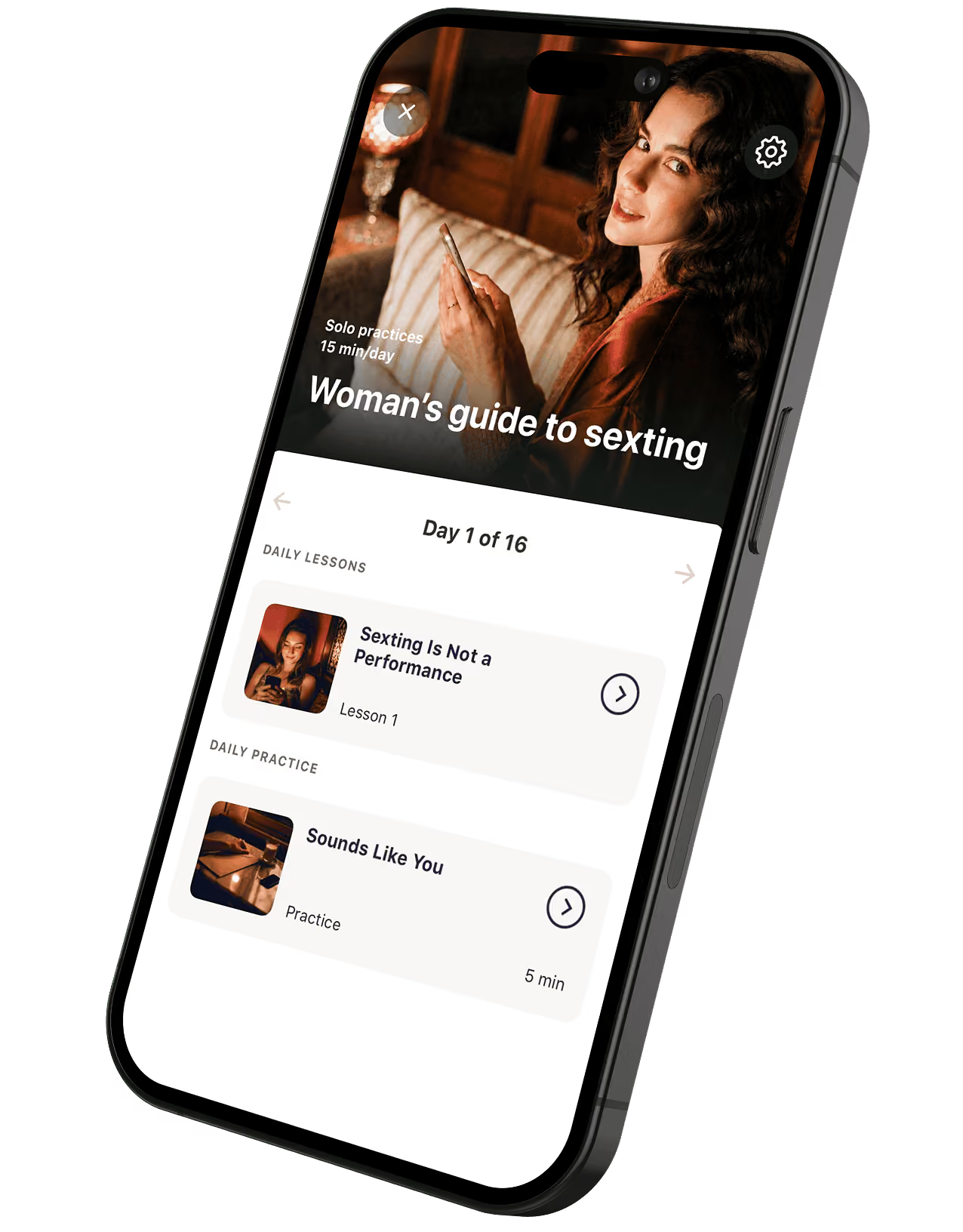
Mismatched libido, also called desire discrepancy, means that one partner wants sex more often than the other. It’s common in long relationships and doesn’t mean that either of you is broken. Stress, unresolved conflict, hormonal changes and big life events often widen the gap, and what helps is treating it as a difference you share rather than one person’s fault. Path to Desire, a program in The Coach for Her app, helps you understand your own desire and work on the gap together with your partner.
Show me where to startCouples rarely want sex at exactly the same rate, and the gap between two partners can grow or shrink over the years. Several things can create that gap or widen it.
There’s no correct amount of sex for a couple. If you’re curious about averages, see our guide on how often married couples have sex.
When you want sex at different rates, it’s easy to start seeing each other as the problem: one partner as cold, the other as demanding. Neither label is fair.
A difference in desire hurts most when it turns into a cycle: one of you asks, the other says no, and both of you feel worse each time. You break the cycle by working on it as a team instead of arguing about who is right.
Start with one or two of these and come back to the topic every few weeks, because desire changes over time.
If you’d like a structured way to work on the gap, Path to Desire combines lessons on mismatched desire, stress and talking about sex with daily practices you can do on your own or with your partner. A short quiz is the first step toward a personal plan.
A gap in desire is something you can work on together, not a verdict on either of you.
Path to Desire is a self-paced, five-week program in The Coach for Her, built on short lessons and daily practices. It starts with your own desire, then turns to your partner and to what you can build together.
Learn what excites you and what holds you back, how stress gets in the way and why desire sometimes follows closeness instead of coming first.
Lessons on mismatched desire explain the higher- and lower-desire roles, what drives them and how to talk about them without accusations.
Learn what affects men’s desire, from stress and health to the pressure to perform, and how myths like “men always want sex” get in the way.
A few short questions shape your plan. You can start on your own, whether or not your partner joins in.
If your husband wants sex every day and you don’t, a hug can start to feel like a request, and avoiding touch may seem easier than saying no again. Pressure tends to lower desire further, so it helps to separate affection from sex first.
Tell him what would make sex more inviting for you: more rest, more help at home, time to warm up, touch that doesn’t have to go anywhere. For many women, desire builds once closeness has begun. If you’re open to being touched, agreeing that either of you can stop at any point may make it easier to begin. Saying no to sex you don’t want is always fine; sex out of duty tends to make the gap wider, not smaller.
If you’ve lost interest in sex in general, not only with him, start with our guide on why you might not want sex anymore.
If your husband doesn’t want sex anymore, or wants it far less often than you, don’t assume it’s about you. Stress, fatigue, depression, conflict and routine can all lower a man’s desire, and worries about erections or lasting long enough can make some men avoid sex. Low testosterone, conditions such as diabetes and some medications can play a part too, and the myth that men always want sex makes all of this harder to admit.
Bring it up at a calm moment and start with what you miss, for example “I miss being close to you, and I’d like to understand how things are for you.” Suggest closeness with no expectation of sex, so he doesn’t feel tested. If his desire has dropped suddenly or comes with erection problems, low energy or low mood, encourage him to see a doctor; if the conversation keeps stalling, a couples therapist or sex therapist can help.
When you want to reach for him without pressure, see our guide on how to initiate sex.
From a survey of The Coach users who finished their first four weeks:
You might want to understand your own desire, stop arguing about sex or feel close to your partner again. A few questions lead to a personal plan that shows you where to begin.
Women describe their experience with The Coach for Her in their own words.
“Sex and desire, in particular, are areas I want to improve in my personal life with my partner. For the first time, I don’t feel like an outsider, and I’ve realized that most of the things I was struggling with are actually quite normal.”
“It helps me understand myself better, not just emotionally but also in how I connect with others. I like that everything is broken into small, simple lessons, so it doesn’t feel overwhelming.”
“It really helped me learn more about my health and how to improve my intimacy with my husband. I would recommend it”
“I am super impressed with how well explained is everything, the practices are soft, relaxed, nothing is pushed or forced. Honestly is a lot more than I expected ❤️”
The Coach works with clinical researchers, certified sex therapists and medical professionals, among them a urologist and an OB-GYN.
Dr. Jessica Yih
Urologist and director of women's sexual health and male infertility at UCI.
Dr. Kirti S. Patel
Board-certified ob/gyn and host of The Gynarchy, a women's-health podcast.
Dr. Justin Lehmiller
PhD in social psychology and senior research fellow at the Kinsey Institute.
Dr. Paula Hall
Accredited sexual and relationship psychotherapist, registered with leading professional bodies in psychotherapy.
Natalie Goldberg
Certified sex and family therapist dedicated to improving intimate relationships and personal well-being.
Dr. Susie Gronski
Licensed physical therapist, certified sexuality counselor, and founder of a men's pelvic health clinic.
Dr. Gary Shlifer
DO, board-certified internal medicine physician specializing in preventative care, nutrition, and anti-aging.
Dr. Joshua Roland
MD, sleep medicine specialist, and clinical instructor at the David Geffen School of Medicine, UCLA.
Desire discrepancy, or sexual desire discrepancy, is the term therapists use when partners differ in how often or how strongly they want sex. It means the same as mismatched libido, and it describes the couple, not a disorder in either partner.
Yes. Two people rarely want sex at exactly the same rate, and the gap often changes with stress, health and life stages. It’s worth working on when it causes tension, pressure or distance between you.
Talk about it at a calm moment, without blaming either of you. Say what would make sex more appealing for you, agree on closeness that doesn’t have to lead to sex and look for an arrangement that gives each of you something, such as planned time together. You never have to have sex you don’t want.
Duty sex means having sex out of obligation, when you don’t want it, to keep the peace or avoid an argument. It may ease tension for a night, but over time it can make sex feel like a chore and desire even harder to find. Choosing to start with touch you’re open to, knowing you can stop, is something different.
It can. When stress eases, conflicts get talked through and sex comes with less pressure, the gap can narrow. You don’t need identical desire, just an arrangement that feels fair to both of you.
If talking about sex keeps ending in a fight, if one of you feels pressured or rejected most of the time, or if resentment is building, a couples therapist or a sex therapist can help. If desire dropped suddenly for either of you, see a doctor first to rule out a medical cause.
Yes. Much of the early work focuses on your own desire, body and stress, and you can do it alone. Later lessons explain what affects men’s desire, and practices for couples, such as planning time together and talking about sex, are there when you both feel ready.