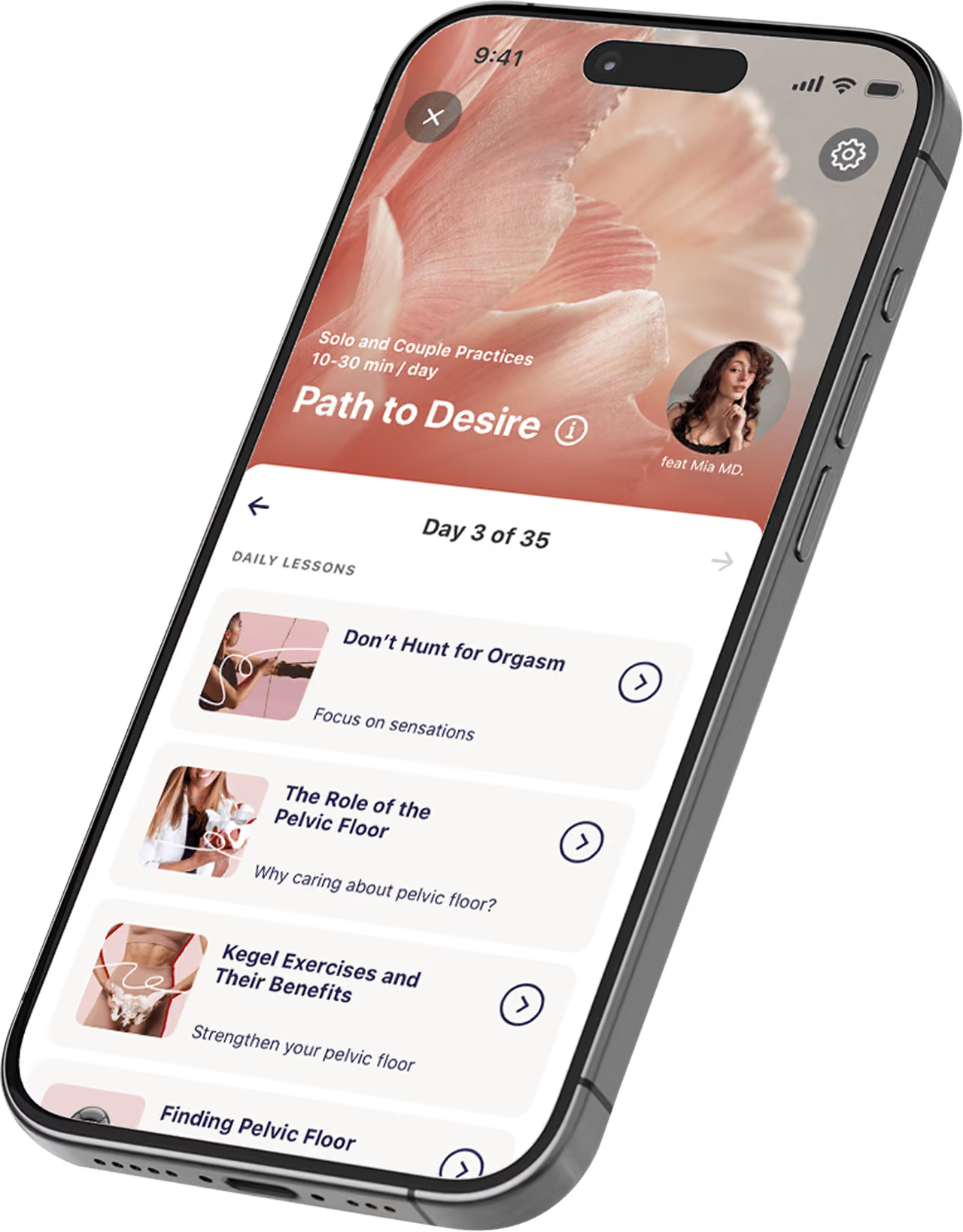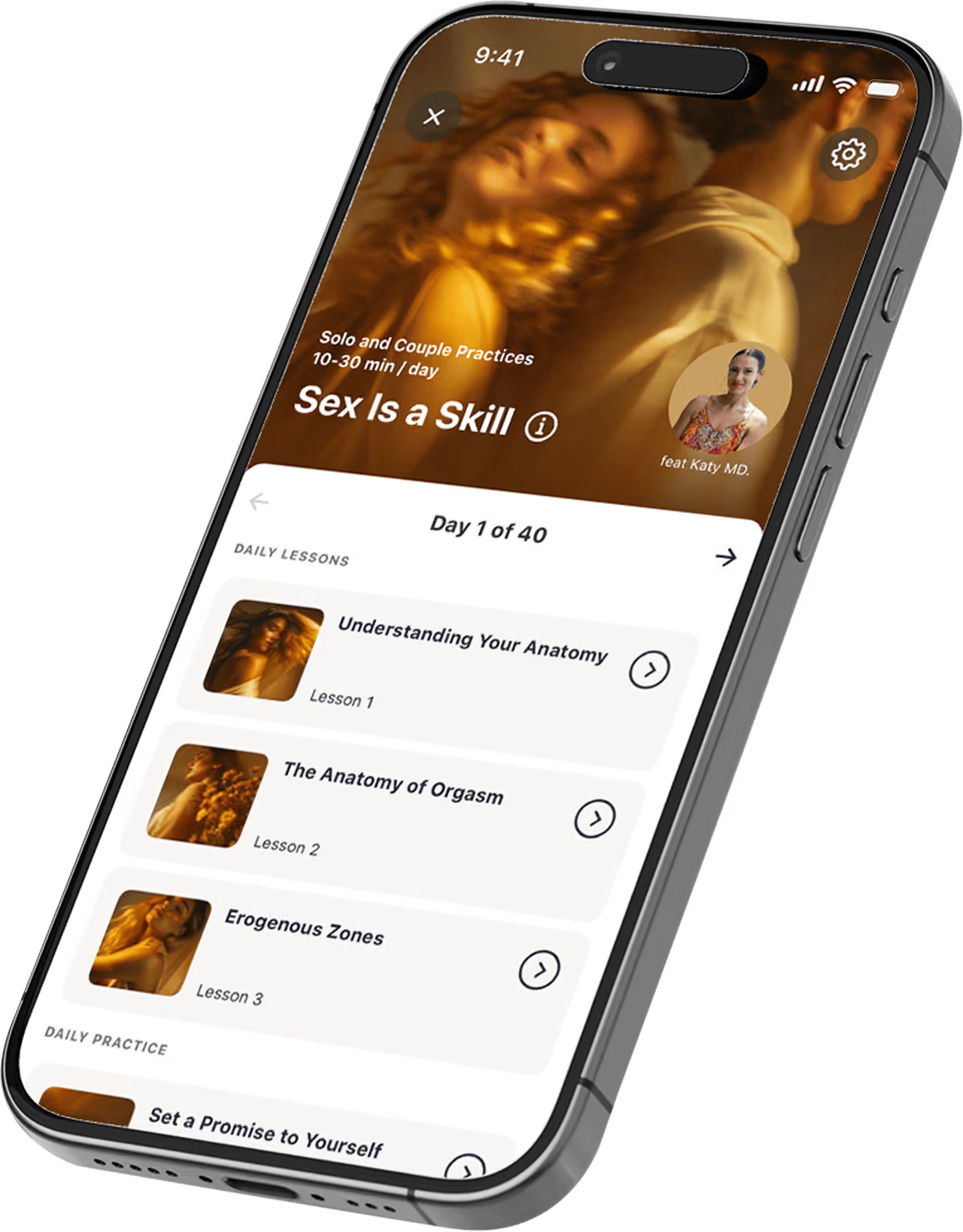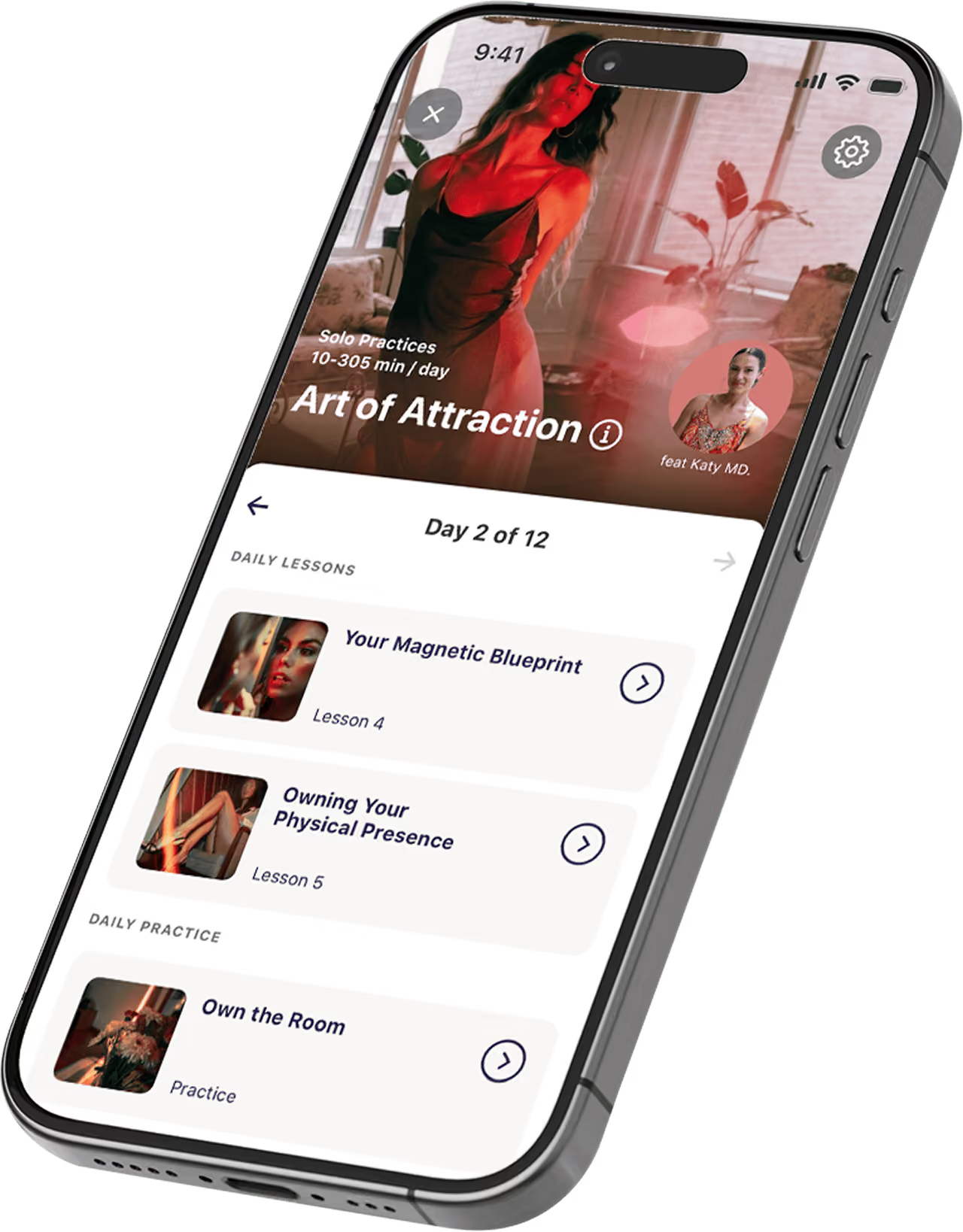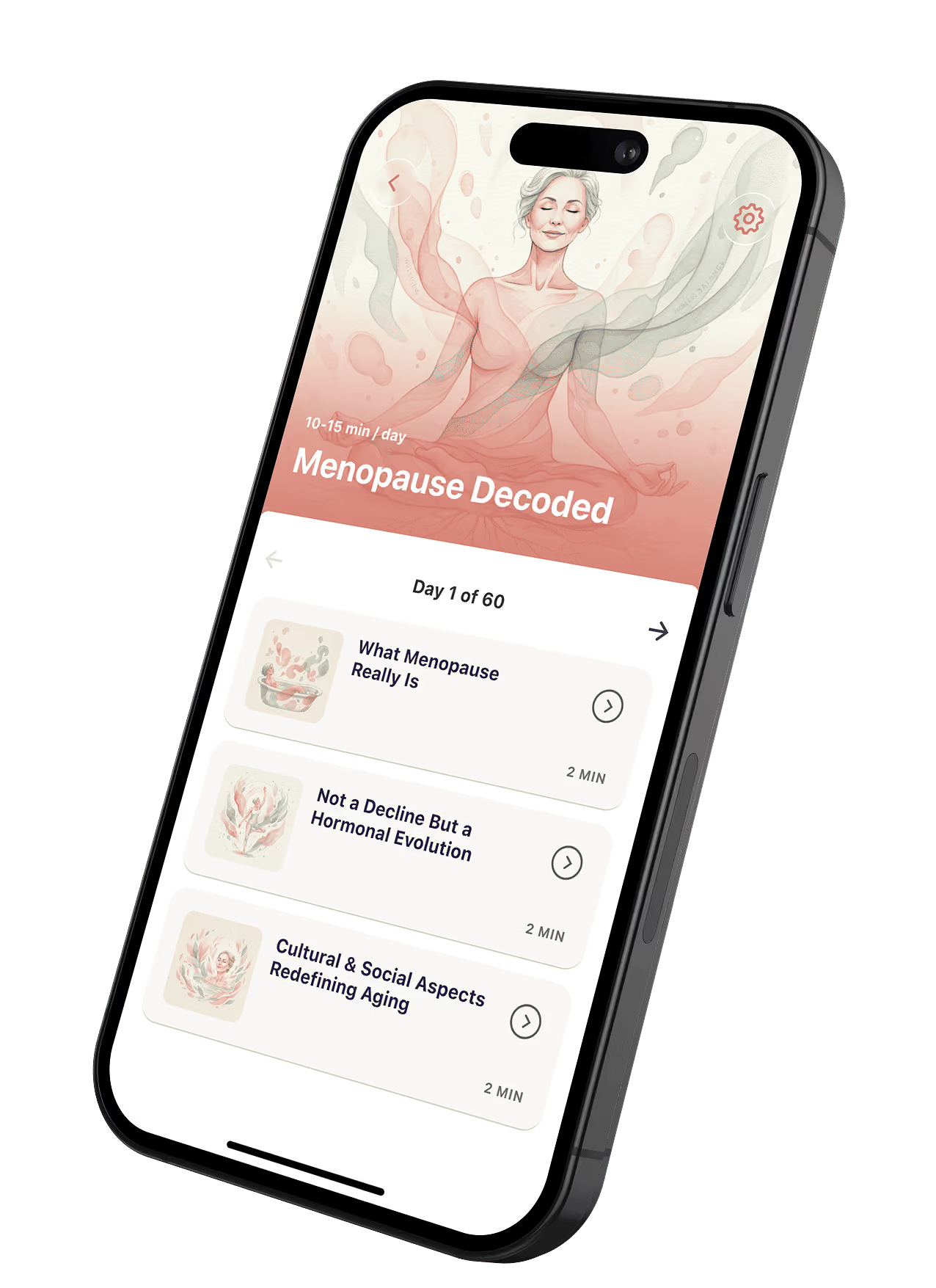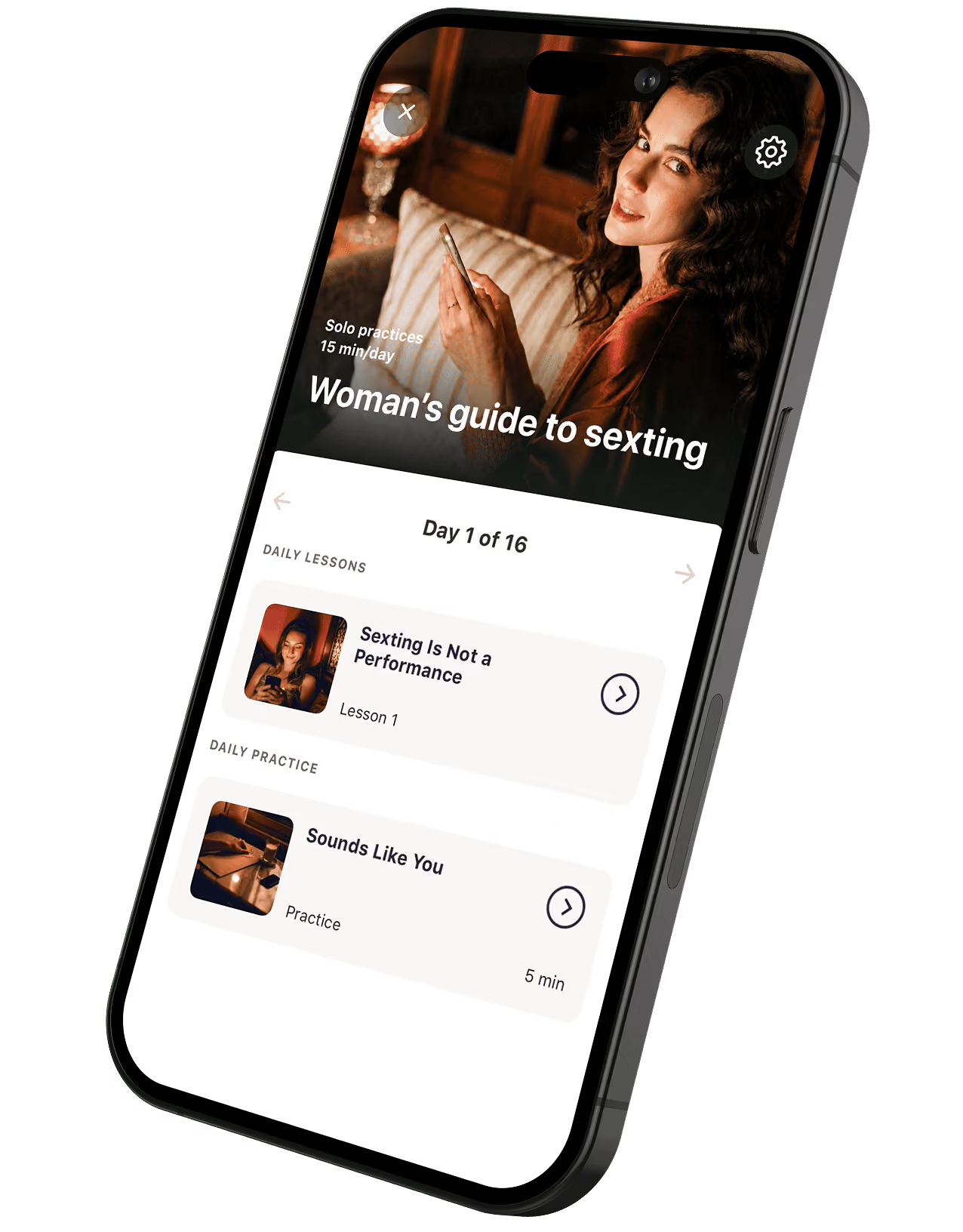
A lack of intimacy in marriage is often about more than sex. It can mean feeling far apart, touching less and talking about little beyond work, children and chores. It’s common in long relationships and rarely has a single cause: stress, old arguments, routine, health and unspoken needs tend to pile up quietly, on both sides. The distance can shrink again, and the first step is to name what you miss and talk about it without blame. Path to Desire, a program in The Coach for Her app, offers lessons and practices on desire, closeness and talking about sex, starting with a personal plan.
Get my planA loss of intimacy in marriage rarely happens overnight, so the change is easy to miss. These are some of the signs that the closeness between you has worn thin.
If what has changed is mostly your own desire for sex, our guide on why you might not want sex anymore looks at the common reasons.
Most causes fall into four groups. They often feed each other, and usually both of you play a part.
When there’s no intimacy in your marriage, it’s tempting to wait for things to improve by themselves. Small, deliberate steps usually help more than waiting.
You can take the first step on your own; the others work best when you both take part.
If you’d like support with steps like these, Path to Desire has short lessons and daily practices on what holds desire back, how to talk about sex and how to touch without pressure. You answer a few questions and get a personal plan.
Naming what’s missing, without blame, is where closeness starts to come back.
Path to Desire is a self-paced program in The Coach for Her that runs over five weeks, with short lessons and daily practices. It begins with your own desire and body, then turns to your partner and to what you can explore together.
Lessons on how stress, health, routine and conflict hold desire back, and on what helps it return.
Practices for listening to each other, speaking in “I” statements and starting conversations about sex.
Touch practices for couples, such as massage and slow touch with no goal, and ideas for being close without sex.
A few short questions shape a plan that shows you where to begin. Much of the early work is done on your own, so you can start even if your husband isn’t ready to join in.
A marriage without emotional intimacy can run smoothly from the outside: you share a home and a schedule, but not much of your inner life. You stop talking about worries, hopes and feelings, and you no longer feel fully known. Emotional and sexual closeness are linked, so desire often fades once you stop feeling close.
One simple practice is a short talk at the end of the day, about 15 to 20 minutes long. One of you talks about the day for around 10 minutes while the other listens without interrupting or giving advice and then sums up what they heard. Then you switch. Done most evenings, it gives each of you a regular moment of full attention.
For more ways to bring closeness back, see our guide on how to rekindle intimacy.
If there’s no intimacy in your marriage because your husband avoids it, it’s easy to take it personally. But a man’s desire can drop for many reasons: stress, tiredness, low mood, health problems, some medications or low testosterone. Worries about erections or performance can make him avoid closeness altogether, and the belief that men always want sex can make that hard for him to admit.
Raise it gently and without accusation: say what you miss, ask what has been weighing on him and listen before you answer. If he mentions erection problems, exhaustion or low mood, encourage him to see a doctor, because these can have medical causes. If your conversations keep reaching the same dead end, a couples therapist can help you both talk it through.
If he simply wants sex less often than you do, see our guide to mismatched libido.
From a survey of The Coach users who finished their first four weeks:
Whether you miss conversation, affection or sex, you can begin with a personal plan based on your answers to a few short questions.
Women describe their experience with The Coach for Her in their own words.
“It really helped me learn more about my health and how to improve my intimacy with my husband. I would recommend it”
“I absolutely love this app! I’ve only had it for a couple weeks and noticed so many changes in myself and my relationship.”
“I have learnt so much about myself and relationships that I never thought was possible”
“Very approachable. I hadn’t ever used an app like this but I feel like it has given me perspective about my own body and has enhanced intimacy. Educational and engaging, I am enjoying it.”
The Coach works with clinical researchers, certified sex therapists and medical professionals, among them a urologist and an OB-GYN.
Dr. Jessica Yih
Urologist and director of women's sexual health and male infertility at UCI.
Dr. Kirti S. Patel
Board-certified ob/gyn and host of The Gynarchy, a women's-health podcast.
Dr. Justin Lehmiller
PhD in social psychology and senior research fellow at the Kinsey Institute.
Dr. Paula Hall
Accredited sexual and relationship psychotherapist, registered with leading professional bodies in psychotherapy.
Natalie Goldberg
Certified sex and family therapist dedicated to improving intimate relationships and personal well-being.
Dr. Susie Gronski
Licensed physical therapist, certified sexuality counselor, and founder of a men's pelvic health clinic.
Dr. Gary Shlifer
DO, board-certified internal medicine physician specializing in preventative care, nutrition, and anti-aging.
Dr. Joshua Roland
MD, sleep medicine specialist, and clinical instructor at the David Geffen School of Medicine, UCLA.
Periods with less closeness are common, especially with young children, illness, stress or big life changes. What matters is whether it bothers one of you and how long it lasts. If the distance has become the norm and one of you is unhappy, it’s worth talking about rather than waiting.
Many people feel lonely, unwanted or rejected, and some start to doubt their own attractiveness. The hurt can turn into resentment, more arguments or long silences. Distance also feeds itself: the less close you feel, the harder it is to reach out.
It can, though rarely all at once. Talking honestly about what each of you misses, settling old conflicts and making regular time for touch without pressure all help. How long it takes depends on what pushed you apart.
Choose a calm, private moment, not the end of an argument. Say what you miss and how you feel, for example “I miss being close to you,” then ask how he sees it and listen before you answer. One conversation rarely settles everything, so agree to come back to it.
Say once, calmly, that it matters to you and that you’d like to hear his side when he’s ready. Small gestures of warmth that ask for nothing in return can make the next conversation easier. If talks keep stalling, suggest seeing a couples therapist together, or go on your own first.
See a couples therapist if every conversation ends in an argument, if trust has been broken or if resentment has taken over. See a doctor if sex has become painful, if desire has dropped suddenly for either of you or if there are signs such as erection problems, exhaustion or low mood.
Yes. The program begins with your own desire and body, and much of the early work is done on your own. The practices for couples are there when you and your husband feel ready.