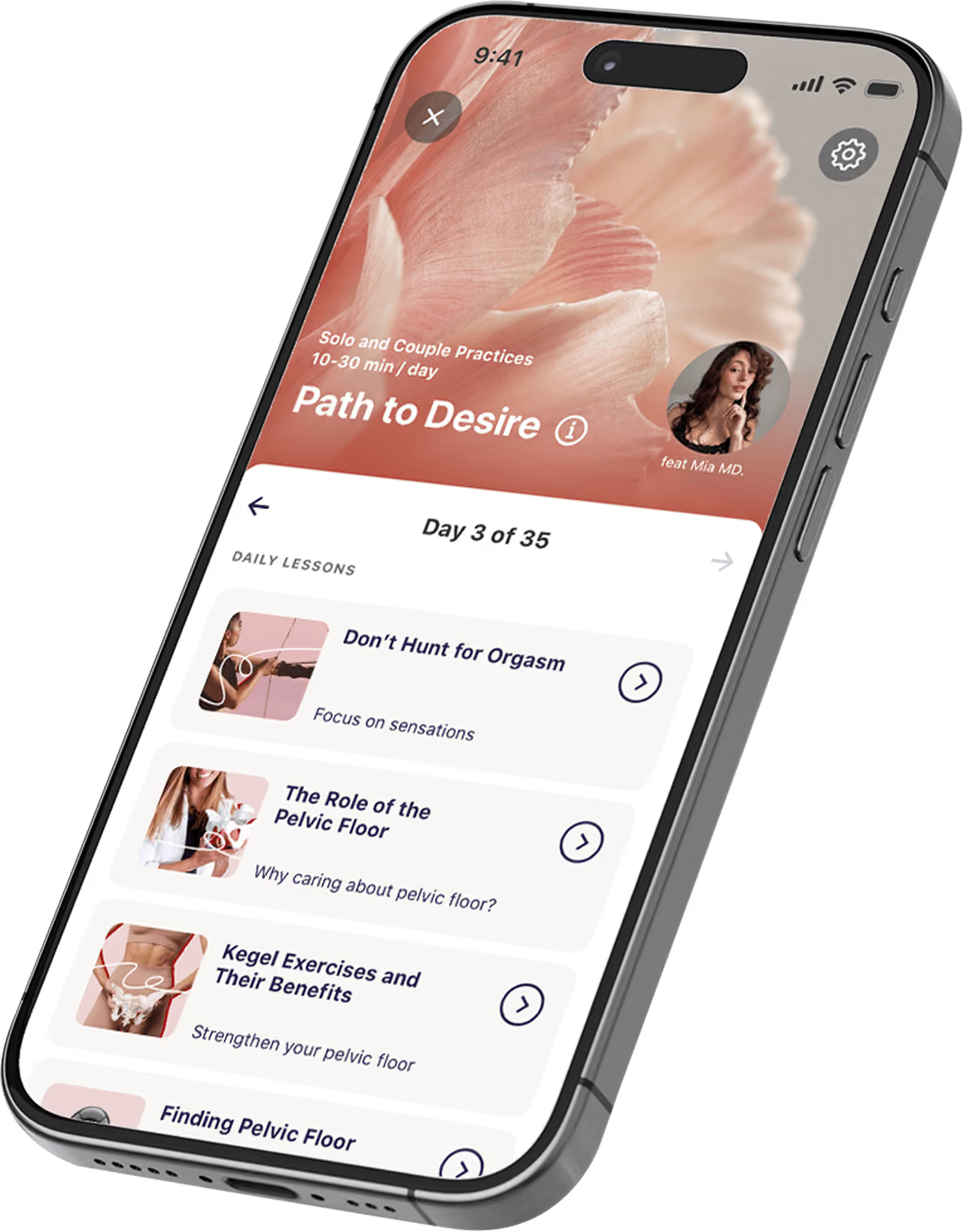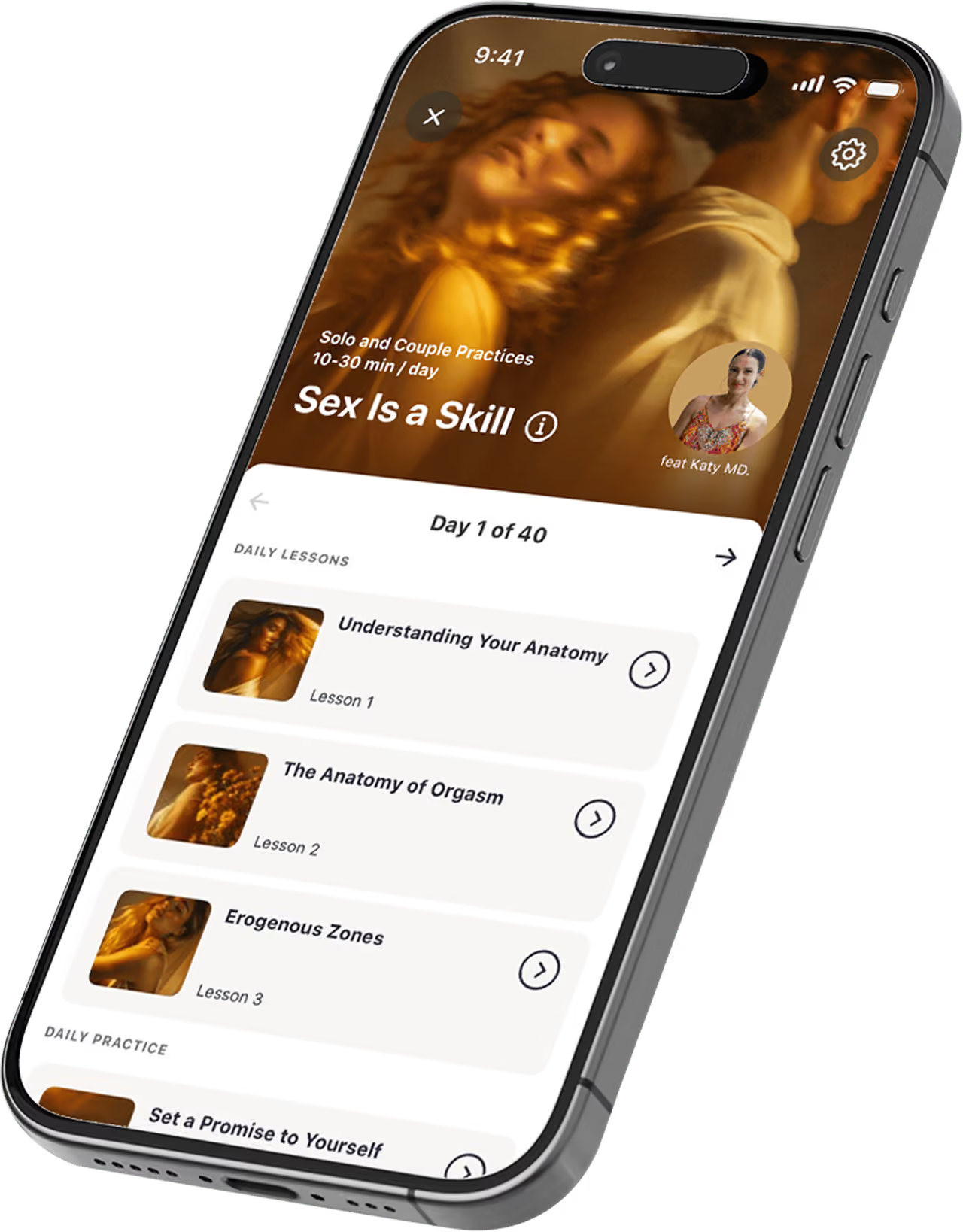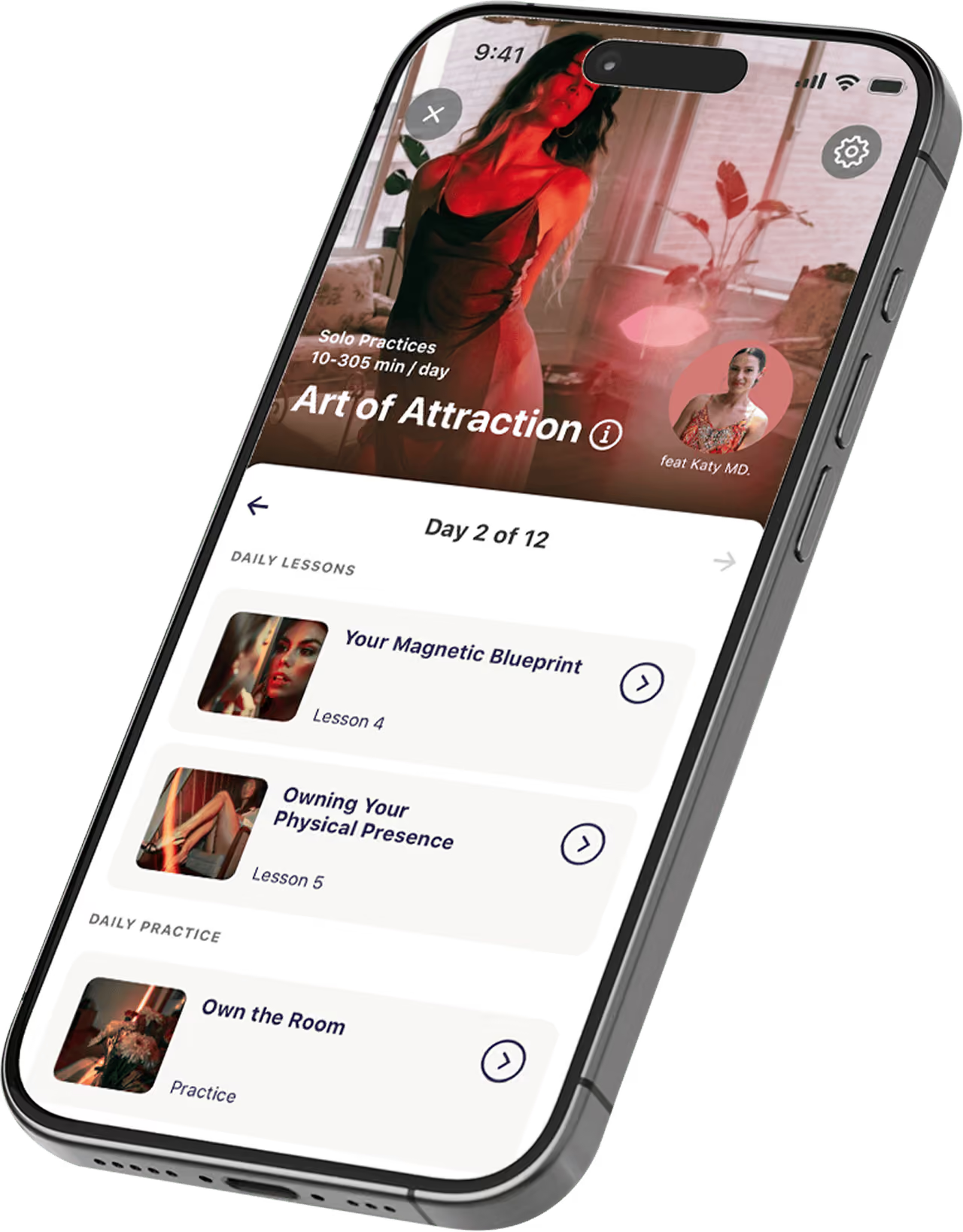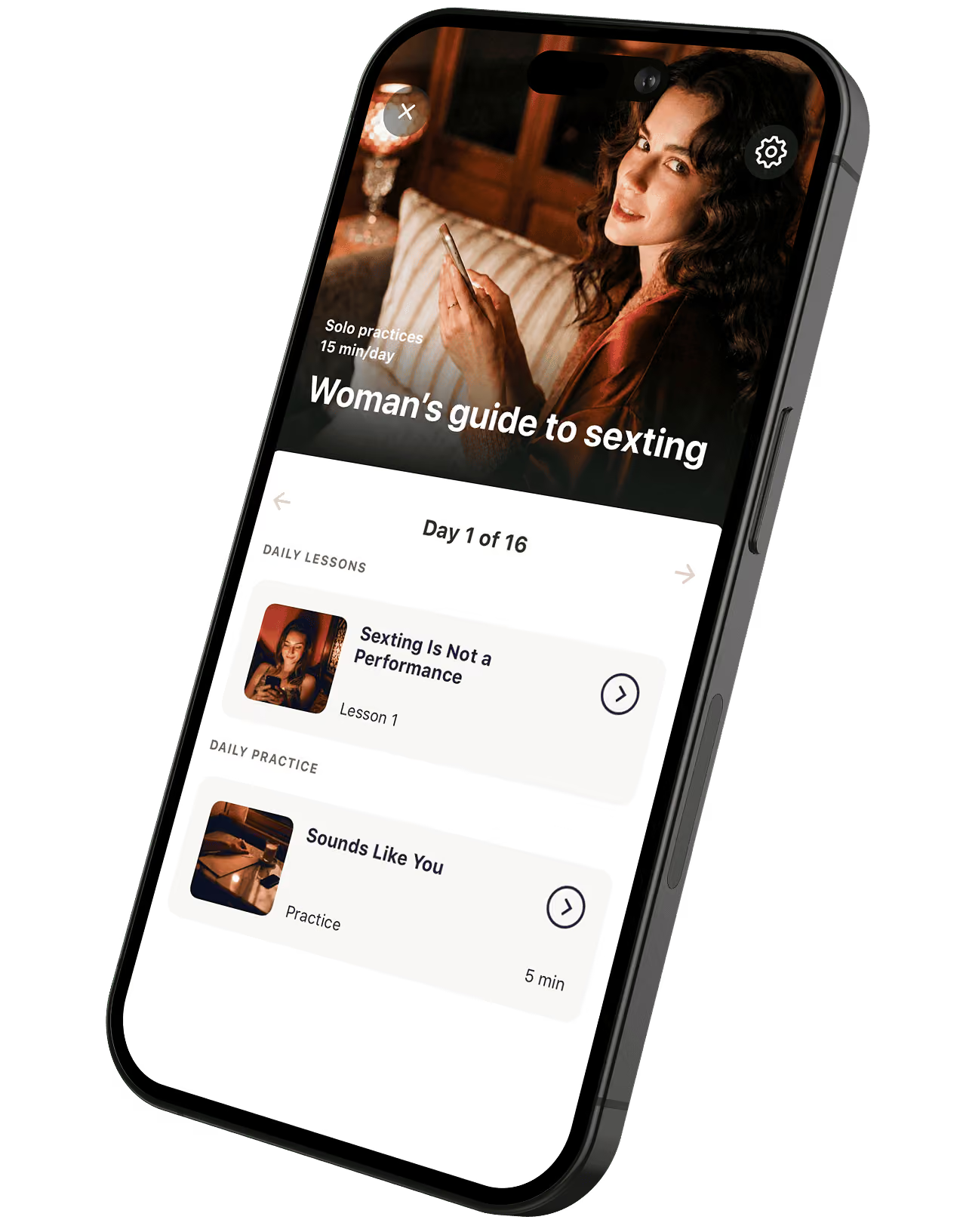
Sexual fantasies are a normal part of women’s sexuality. Some of the most common themes are romance, being desired, sex in a new place, sensory play, role-play and taking turns being in control. A fantasy is something you imagine, not a plan, and it can include things you’d never want to do. You decide what to do with it: keep it to yourself, use it to get in the mood or share it with your partner. Path to Desire, a program in The Coach for Her app, helps you understand what turns you on and explore it at your own pace.
See my planWomen’s sexual fantasies vary widely, but certain themes come up again and again. Here are six common types of sexual fantasies, with examples. You may recognize yourself in several of them, in a single detail or in none at all.
If few of these themes appeal to you, that’s normal too. For many women, desire builds once touch and closeness have begun rather than starting with a fantasy. This is known as responsive desire.
Yes. Fantasizing is a common and healthy part of sexuality, and having fantasies is nothing to be ashamed of.
Exploring your fantasies starts in private, with curiosity rather than judgment. You don’t have to act on anything; the aim is simply to notice what excites you.
For the first steps, choose a time when you feel relaxed and won’t be interrupted.
If you’d like guidance, Path to Desire covers turn-ons, fantasies and the shame many people feel about them, with private journaling practices that help you discover what excites you. A short quiz is the first step toward a personal plan.
Your fantasies are yours to keep, to share or to try.
Path to Desire is a self-paced, five-week program in The Coach for Her, built on short lessons and daily practices. It starts with your own desire, then turns to your partner and to what you can explore together.
Learn what turns you on and off, how stress affects desire and why, for many women, desire follows closeness rather than coming first.
Lessons cover arousal triggers, the role of fantasy and the themes women fantasize about most often, with practices that help you notice what turns you on.
Lessons on body image and on why fantasies are a normal part of sexuality help you feel more at ease with your own desires.
You start with a few short questions, and your plan is based on your answers.
Choose a calm, private moment rather than the middle of sex, and start with something light. You might say: “There’s something I’ve been thinking about. Can I tell you about a fantasy?” Talk about what excites you rather than what your partner should do, and ask about their fantasies too, without pressure to answer.
Sharing a fantasy isn’t a promise to act it out. If you both want to try something, agree beforehand on what appeals to you, where your limits are and a word or signal that means “pause.” Start with a gentle version, check in with each other along the way and talk afterward about what you enjoyed.
To find out which ideas you’d both like to try, you can each fill out a yes, no, maybe list.
Some fantasies feel confusing or embarrassing, especially when they don’t match your values or the sex you actually want. Shame about fantasies usually comes from the messages we absorb about sex, not from the fantasy itself. You can simply let an unwanted fantasy pass; you never have to act on it or tell anyone.
If a fantasy keeps returning in a way that distresses you, or if it’s connected to painful memories, talking to a therapist can help.
If what troubles you is that your fantasies have faded along with your interest in sex, read about why you might not want sex anymore.
From a survey of The Coach users who finished their first four weeks:
You might want to feel more relaxed about your fantasies, understand what turns you on or find it easier to talk about sex with your partner. A short quiz leads to a personal plan that shows you where to begin.
Women describe their experience with The Coach for Her in their own words.
“I love this app because it has useful, science-backed information presented in an interesting way. No stigma, no shame - just a lot of useful information and exercises. Highly recommend”
“Very approachable. I hadn’t ever used an app like this but I feel like it has given me perspective about my own body and has enhanced intimacy. Educational and engaging, I am enjoying it.”
“The coach has awoken my mind to new sensations and ideas on a much deeper thoughtful level I am really enjoying it. Thanks”
“Friendly daily practices that gently and compassionately bring you closer to your sensual self”
The Coach works with clinical researchers, certified sex therapists and medical professionals, among them a urologist and an OB-GYN.
Dr. Jessica Yih
Urologist and director of women's sexual health and male infertility at UCI.
Dr. Kirti S. Patel
Board-certified ob/gyn and host of The Gynarchy, a women's-health podcast.
Dr. Justin Lehmiller
PhD in social psychology and senior research fellow at the Kinsey Institute.
Dr. Paula Hall
Accredited sexual and relationship psychotherapist, registered with leading professional bodies in psychotherapy.
Natalie Goldberg
Certified sex and family therapist dedicated to improving intimate relationships and personal well-being.
Dr. Susie Gronski
Licensed physical therapist, certified sexuality counselor, and founder of a men's pelvic health clinic.
Dr. Gary Shlifer
DO, board-certified internal medicine physician specializing in preventative care, nutrition, and anti-aging.
Dr. Joshua Roland
MD, sleep medicine specialist, and clinical instructor at the David Geffen School of Medicine, UCLA.
Common themes include romance and emotional closeness, being desired, sex in a new place or at an unusual time, sensory play such as a blindfold or massage, role-play, and taking or giving up control with a partner you trust. Every woman’s mix is different.
Yes, it’s common. A fantasy about a celebrity, a colleague or a stranger says little about your feelings for your partner. It’s your mind creating arousal, and it stays private unless you decide to share it.
That’s common. Fantasies often include things you wouldn’t want in real life, and they’re safe to imagine because they stay in your mind. You don’t have to act on a fantasy, share it or feel guilty about it.
Only if you want to. Sharing can build trust and bring new ideas into your sex life, but some fantasies are more exciting kept private. If you do share one, choose a calm moment and make it clear that telling isn’t the same as asking to act it out.
That’s normal. Some women rarely fantasize, and for many, desire builds from touch and closeness rather than from imagination. If you’d like to explore, start by noticing what has turned you on in the past: a touch, a setting or something someone said. If a lack of desire bothers you, talking to a doctor or therapist can help.
They can. Imagining a scenario that excites you before or during sex can help you get in the mood and keep your attention on pleasure. Fantasies aren’t a treatment, though: if low desire lasts or worries you, talk to a doctor.
No. Much of the early work, including the lessons on turn-ons and fantasies, focuses on your own desire, body and stress, and you can do it alone. Lessons on exploring together are there when you and your partner feel ready.