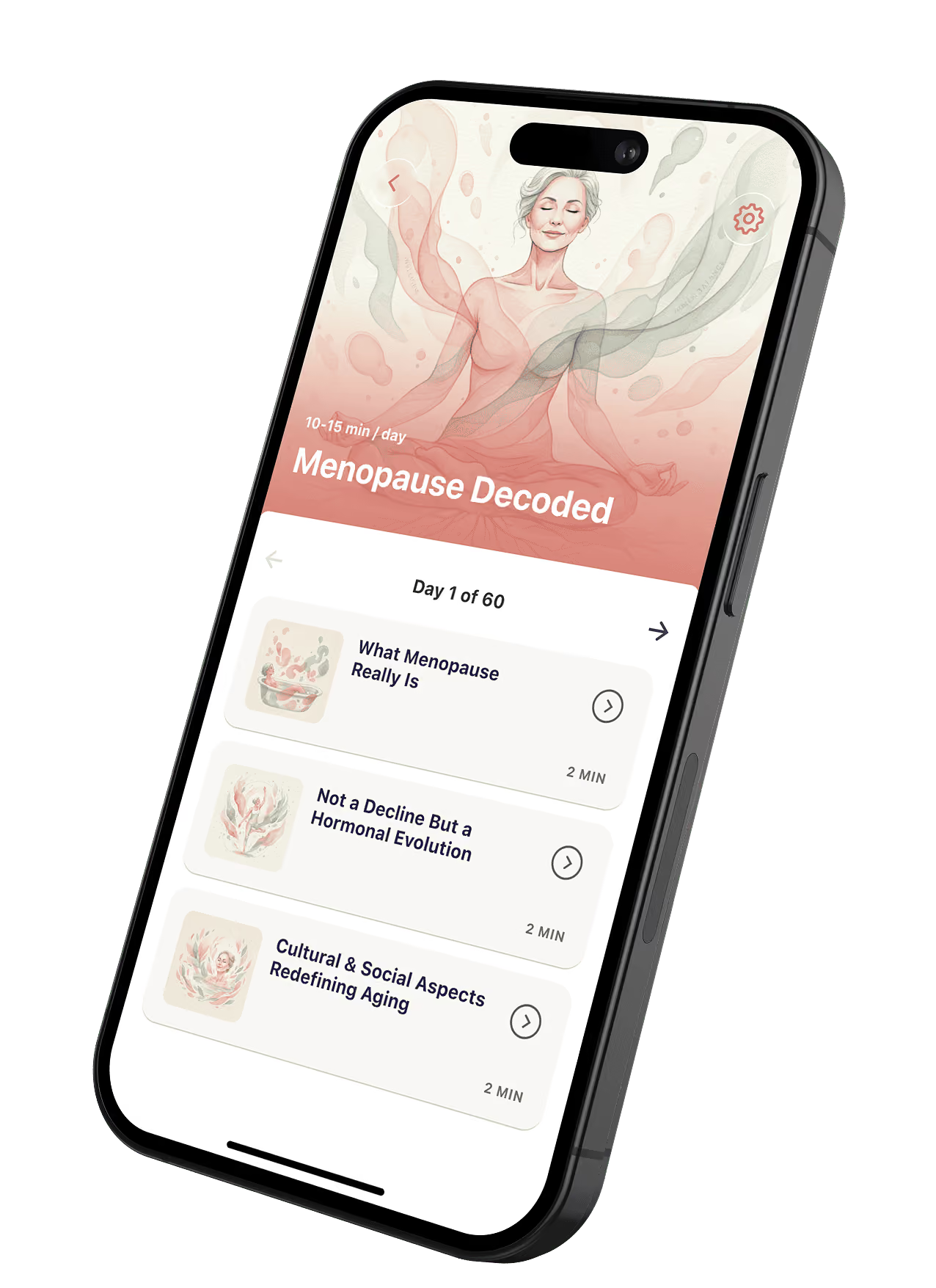
Perimenopause is the transition before menopause, when estrogen and progesterone levels change and periods may become irregular. It usually begins in your 40s, sometimes in your late 30s, and can affect sleep, mood and sexual comfort. Menopause is confirmed after twelve months without a period, when there is no other cause. The Menopause Decoded program in The Coach for Her app helps you understand these changes and find practical ways to manage daily life.
Get my planDuring perimenopause, ovulation becomes less regular and hormone levels fluctuate. Periods may change, and symptoms can come and go over several years.
For more detail on common and less familiar perimenopause symptoms, see our guide to unusual perimenopause symptoms.
What age does perimenopause start? It usually begins in your 40s, though it can start in your late 30s. Changes in periods, sleep or mood may be the first signs of perimenopause.
You do not need several symptoms before asking for help. Speak to a doctor if a change worries you or affects daily life.
Three beliefs make the transition harder than it has to be.
The words get used as if they meant the same thing. They don’t, and knowing which phase you’re in changes what to expect next.
When people compare perimenopause vs menopause, the difference comes down to this: perimenopause is a transition that can last years, while menopause is the point when periods have stopped for good, confirmed after twelve months without one. Whichever phase you’re in, the quiz can help you choose where to start.
Perimenopause is the transition before menopause. Its length and symptoms vary.
Changes in reproductive hormones can affect sleep, temperature, mood and other functions. Stress and health conditions can also influence symptoms.
Estrogen helps regulate body temperature and affects skin, vaginal tissue and brain function. Changing levels can contribute to symptoms in several areas.
Progesterone rises after ovulation. As ovulation becomes less regular, its pattern changes too. This may contribute to changes in sleep and mood.
Hormone levels do not fall at a steady rate. Symptoms may be more noticeable some weeks than others.
The quiz asks about sleep, mood, stress, energy and intimacy to help personalize your plan.
These habits can support sleep, comfort and long-term health during the transition. Choose one that fits your needs.
Not sure which habit to try first? Choose the one that matches the symptom that bothers you most. To rate your symptoms, seeour guide to perimenopause quizzes.
Do not assume every change is due to perimenopause. Ask for medical advice about the following symptoms.
Take notes with you: your top three symptoms, when they started, and the questions you want answered.
From a survey of The Coach users who finished their first four weeks:
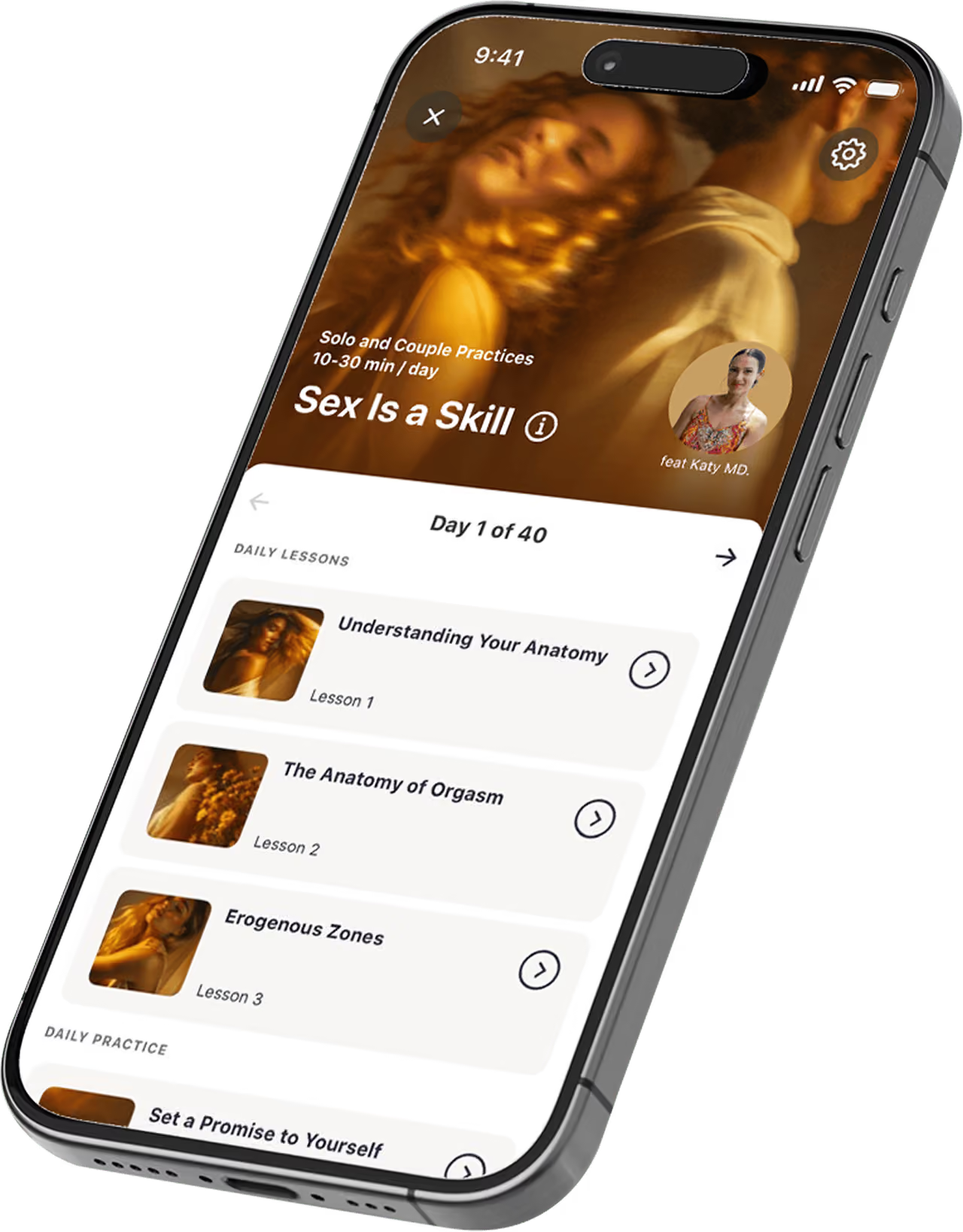
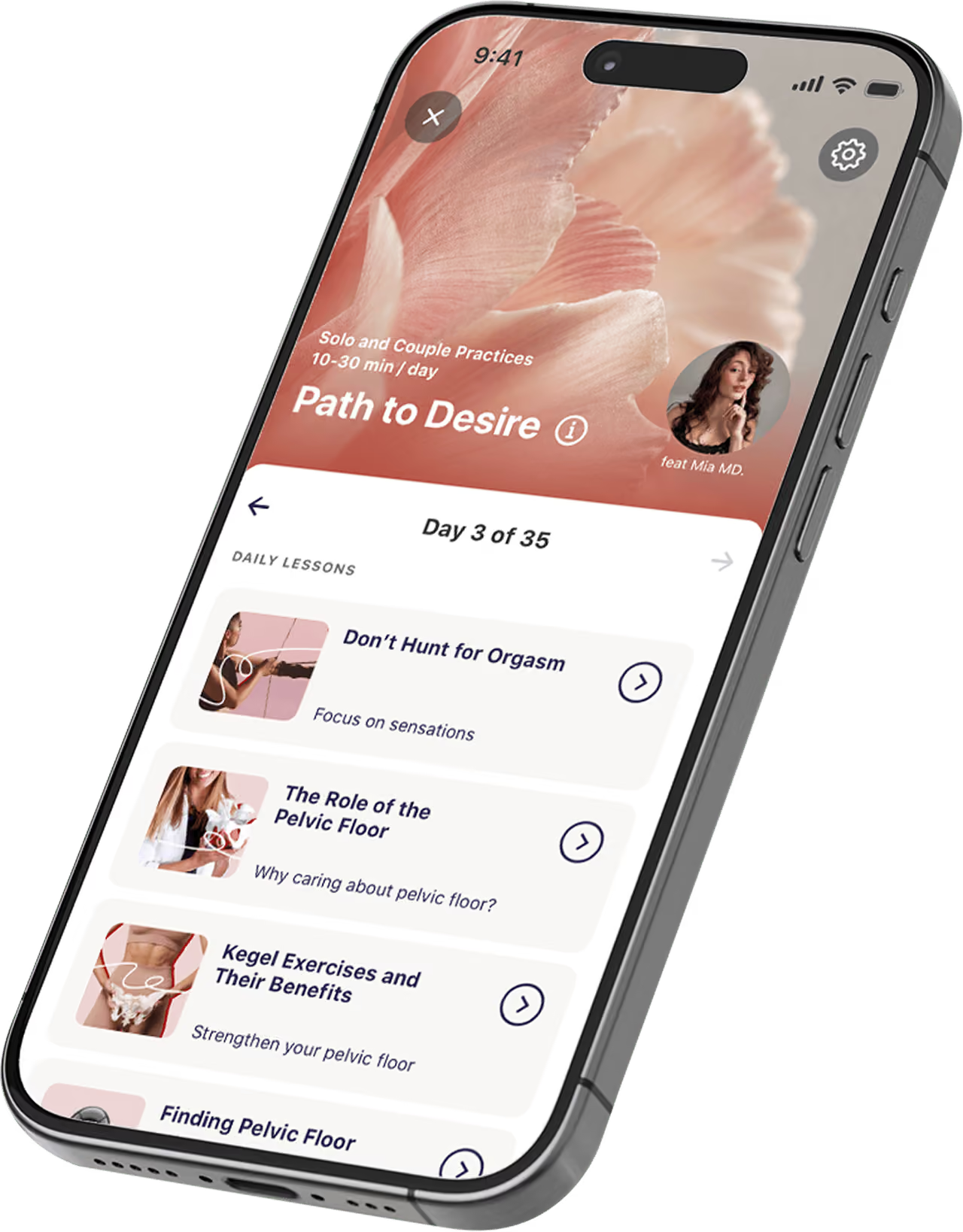
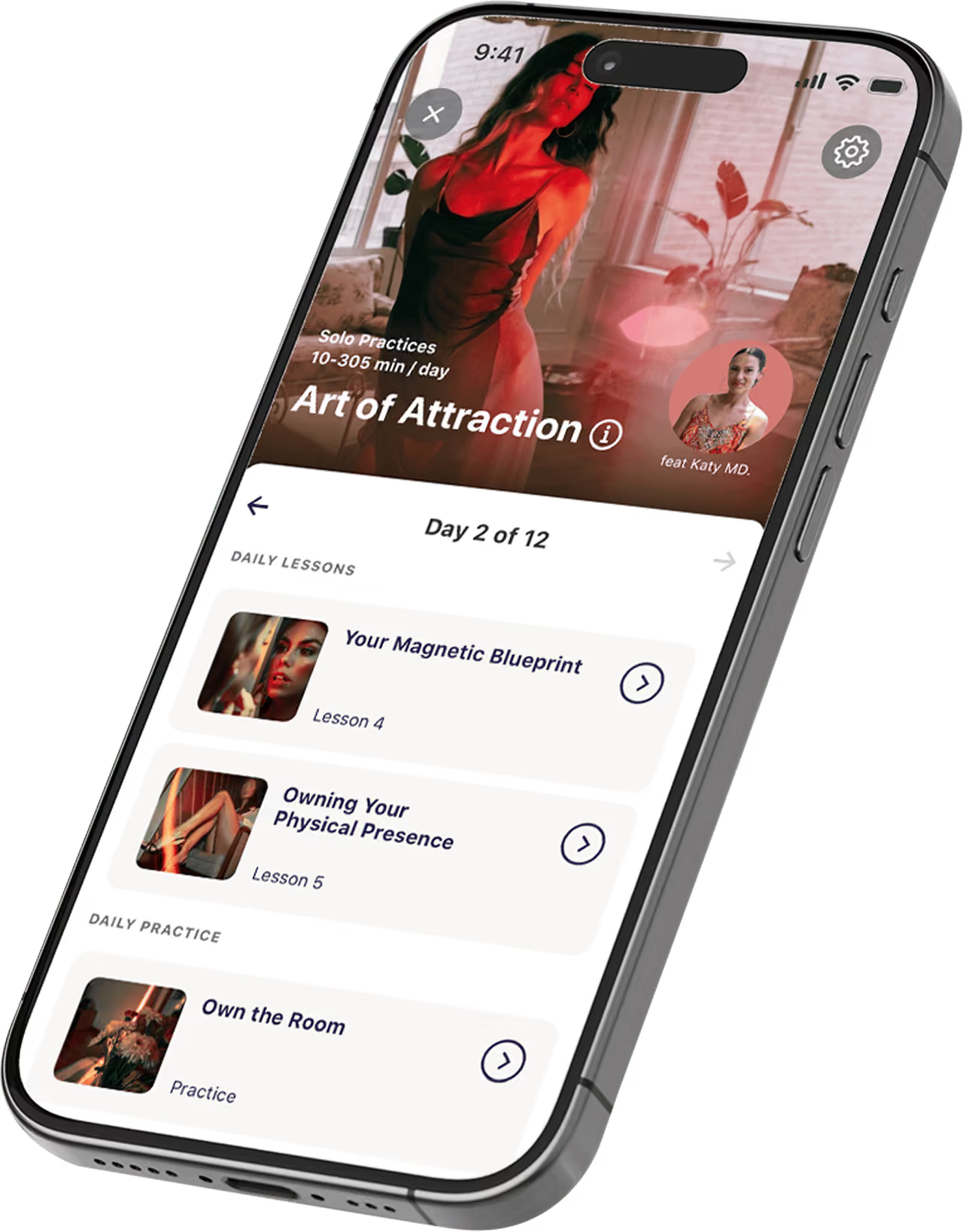
Menopause Decoded in The Coach for Her explains the stages of menopause and the changes you may notice. Lessons cover sleep, mood, nutrition, movement and intimacy. Short exercises help you reflect on symptoms and prepare questions for your doctor.
You can work through the lessons at your own pace and use your notes to prepare for a medical appointment.
Reviews from The Coach users, quoted as written.
“I founded the Coach App very informative. It really helped me learn more about my health and how to improve my intimacy with my husband. I would recommend it”
“I recently started using The Coach (for her) and am so pleased so far. The information included is educational and also so fun. I love that the lessons are broken down into small lessons making it easy to learn in whatever time you have, whether that be minutes or hours.”
“I was not expecting such a complete app. There’s so much helpful information, practical tips, and exercises. I also love that it’s focused not just on sex, but on women’s health as a whole. I’m really excited to dive deeper into everything the app has to offer.”
“I love this app because it has useful, science-backed information presented in an interesting way. No stigma, no shame - just a lot of useful information and exercises. Highly recommend”
Clinical researchers, certified sex therapists and medical professionals, among them an OB-GYN and a sleep medicine specialist.
Dr. Jessica Yih
Urologist and director of women's sexual health and male infertility at UCI.
Dr. Kirti S. Patel
Board-certified ob/gyn and host of The Gynarchy, a women's-health podcast.
Dr. Justin Lehmiller
PhD in social psychology and senior research fellow at the Kinsey Institute.
Dr. Paula Hall
Accredited sexual and relationship psychotherapist, registered with leading professional bodies in psychotherapy.
Natalie Goldberg
Certified sex and family therapist dedicated to improving intimate relationships and personal well-being.
Dr. Gary Shlifer
DO, board-certified internal medicine physician specializing in preventative care, nutrition, and anti-aging.
Dr. Joshua Roland
MD, sleep medicine specialist, and clinical instructor at the David Geffen School of Medicine, UCLA.
Rick Brennan
Certified personal trainer, strength coach, sports nutritionist, and professional WFF athlete.
On average about four years, though for some women it’s a few months and for others closer to ten. It ends at menopause, which is confirmed once you’ve gone twelve months without a period.
Perimenopause can begin in your late 30s. If your periods stop or hot flashes begin before 40, see a doctor to check the cause and discuss any care you need.
Yes. Ovulation becomes less regular, but pregnancy is still possible. Ask your clinician how long you need contraception; the advice depends on your age, periods and the method you use.
Premenopause broadly means the time before menopause. Perimenopause is the transition leading up to menopause, when hormone levels and periods change. People sometimes use the words interchangeably, so ask your doctor what they mean in your case.
Menopause Decoded is a program in The Coach for Her. It includes lessons on hormonal changes, sleep, mood, concentration, nutrition, exercise and intimacy. Practical exercises include a 21-item symptom questionnaire, a ten-minute concentration exercise and questions to prepare for a medical appointment.
No. You don’t need a diagnosis, a device or a partner. The program works from what you notice in your own body, and it helps you prepare for the conversation with your doctor rather than replacing it.