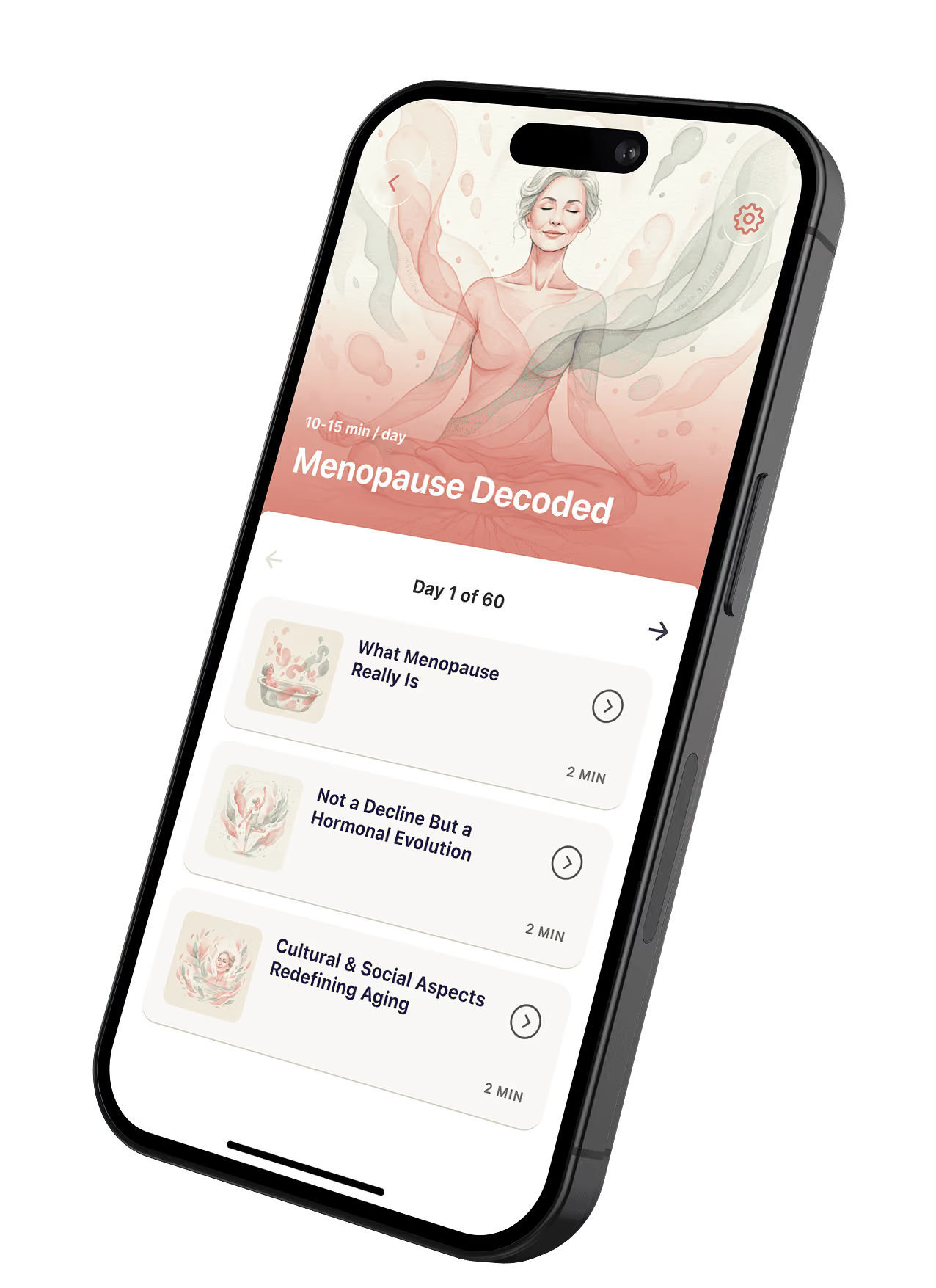
Itchy ears, a burning tongue or tingling can happen during perimenopause, but they can also have other causes. The “34 symptoms of perimenopause” is a popular online list, not a medical checklist. Understanding the symptoms can help you describe what you feel and know when to seek care. The Menopause Decoded program in The Coach for Her app offers lessons and practical guidance for this transition.
Get my planLists of 34 symptoms of perimenopause group together common symptoms, less familiar sensations and longer-term health changes. These six groups make them easier to follow. The list cannot tell you whether a symptom is caused by perimenopause.
Symptoms alone cannot confirm the cause. To understand the transition itself, start with our guide to what perimenopause is.
Itchy ears, tinnitus, a burning tongue and a metallic taste are sometimes reported around menopause. They can also have causes unrelated to hormones. If they persist or bother you, ask a doctor or dentist for advice.
Unfamiliar symptoms are easy to misunderstand. These are three common misconceptions.
Nausea, hair loss and electric shock sensations are reported during perimenopause, as are tingling and dry eyes. That does not mean hormones explain every case. The advice depends on the symptom and how it changes.
Note when symptoms happen and what makes them better or worse, and get medical advice for anything persistent or worsening, even if it began during perimenopause. If you’d like a plan that also covers sleep, mood and stress, the quiz is a good place to start.
Hormonal changes can affect more than your menstrual cycle.
Hormonal changes, sleep and stress can all affect how you feel. They do not explain every new symptom.
Estrogen helps regulate more than periods, including body temperature and the health of skin and vaginal tissue. Changing levels can affect these functions.
Dry skin, eyes or mouth can feel itchy or irritated. Hormonal changes may contribute, but persistent dryness can have other causes too.
Tingling and brief jolts are sometimes reported during the transition. A doctor can help assess them, especially if they are new, persistent or getting worse.
The quiz asks about your everyday wellbeing and intimacy so your plan can reflect what matters to you.
Hormone levels and symptoms change differently for each woman. Even at the same age, your experience may differ from someone else’s. Several factors can contribute.
Start with a manageable change, such as a steadier bedtime or asking for help. Difficult symptoms are not a failure to look after yourself.
Keep a clear record of a new symptom and check whether it needs medical attention.
The standard symptom scales are explained in our guide to perimenopause quizzes.
From a survey of The Coach users who finished their first four weeks:
Menopause Decoded in The Coach for Her explains common and less familiar symptoms, why experiences differ and when to seek medical advice. Lessons cover sleep, mood, food, movement and intimacy, with practical exercises to help you apply what you learn.
You can work through the lessons at your own pace and use your notes to prepare for a medical appointment.
Reviews from The Coach users, quoted as written.
“I was not expecting such a complete app. There’s so much helpful information, practical tips, and exercises. I also love that it’s focused not just on sex, but on women’s health as a whole. I’m really excited to dive deeper into everything the app has to offer.”
“I recently started using The Coach (for her) and am so pleased so far. The information included is educational and also so fun. I love that the lessons are broken down into small lessons making it easy to learn in whatever time you have, whether that be minutes or hours.”
“I love this app because it has useful, science-backed information presented in an interesting way. No stigma, no shame - just a lot of useful information and exercises. Highly recommend”
“Very approachable. I hadn't ever used an app like this but I feel like it has given me perspective about my own body and has enhanced intimacy. Educational and engaging, I am enjoying it.”
Clinical researchers, certified sex therapists and medical professionals, among them an OB-GYN and a sleep medicine specialist.
Dr. Jessica Yih
Urologist and director of women's sexual health and male infertility at UCI.
Dr. Kirti S. Patel
Board-certified ob/gyn and host of The Gynarchy, a women's-health podcast.
Dr. Justin Lehmiller
PhD in social psychology and senior research fellow at the Kinsey Institute.
Dr. Paula Hall
Accredited sexual and relationship psychotherapist, registered with leading professional bodies in psychotherapy.
Natalie Goldberg
Certified sex and family therapist dedicated to improving intimate relationships and personal well-being.
Dr. Gary Shlifer
DO, board-certified internal medicine physician specializing in preventative care, nutrition, and anti-aging.
Dr. Joshua Roland
MD, sleep medicine specialist, and clinical instructor at the David Geffen School of Medicine, UCLA.
Rick Brennan
Certified personal trainer, strength coach, sports nutritionist, and professional WFF athlete.
Yes. Skin can become drier and itchier during perimenopause. Gentle, unscented skin care and cooler showers may help. If you have a rash, broken skin or itching that keeps you awake, see a doctor rather than assuming it is hormonal.
Frozen shoulder causes pain and stiffness and is more common in middle age. Its relationship with menopause is still being studied. If shoulder pain or stiffness limits your movement, seek advice from a doctor or physical therapist.
There is no fixed timeline. Some symptoms come and go, while others last longer. Dryness can continue after menopause. Keeping notes helps you see changes over time, but persistent or worsening symptoms need medical advice.
Yes. Hormones can start to shift while your cycle still looks normal, and sleep, energy or mood often change before your periods do. Irregular periods usually come later in the transition.
Menopause Decoded is a program in The Coach for Her. It includes lessons on hormonal changes, sleep, mood, concentration, nutrition, exercise and intimacy. Practical exercises include a 21-item symptom questionnaire, a ten-minute concentration exercise and questions to prepare for a medical appointment.
No tests, devices or partner. Some support ideas use things you may already have at home, like a fan or a humidifier.