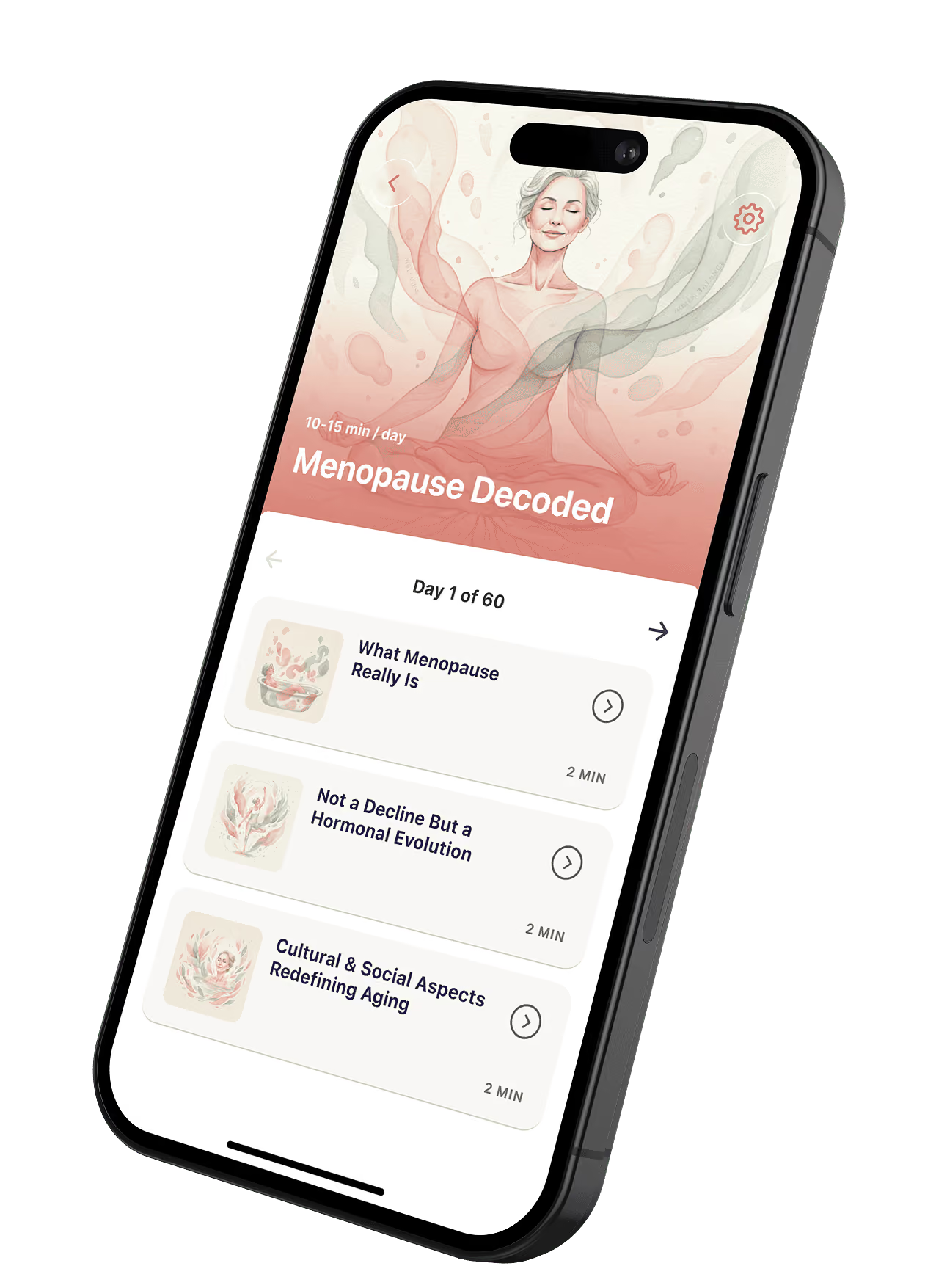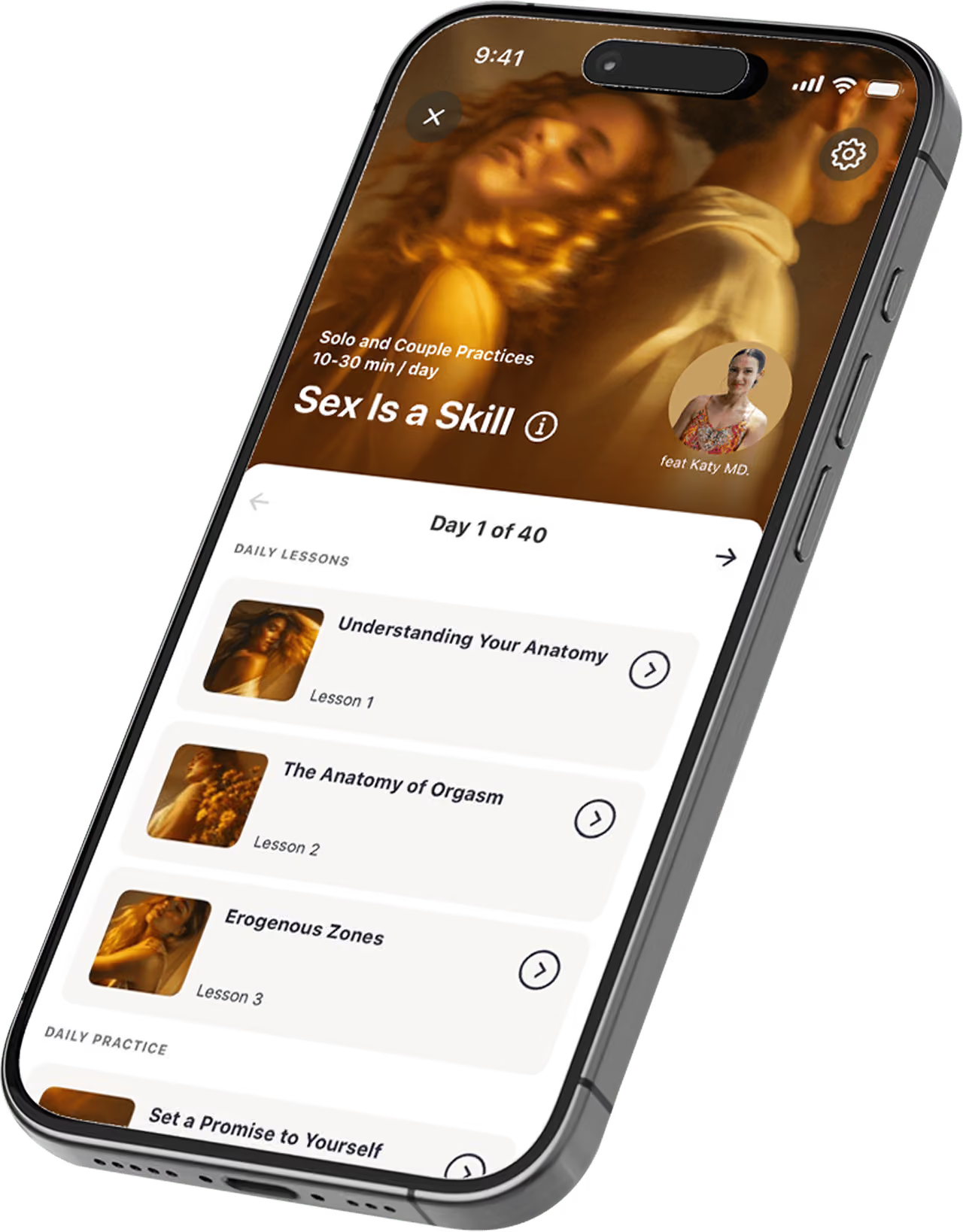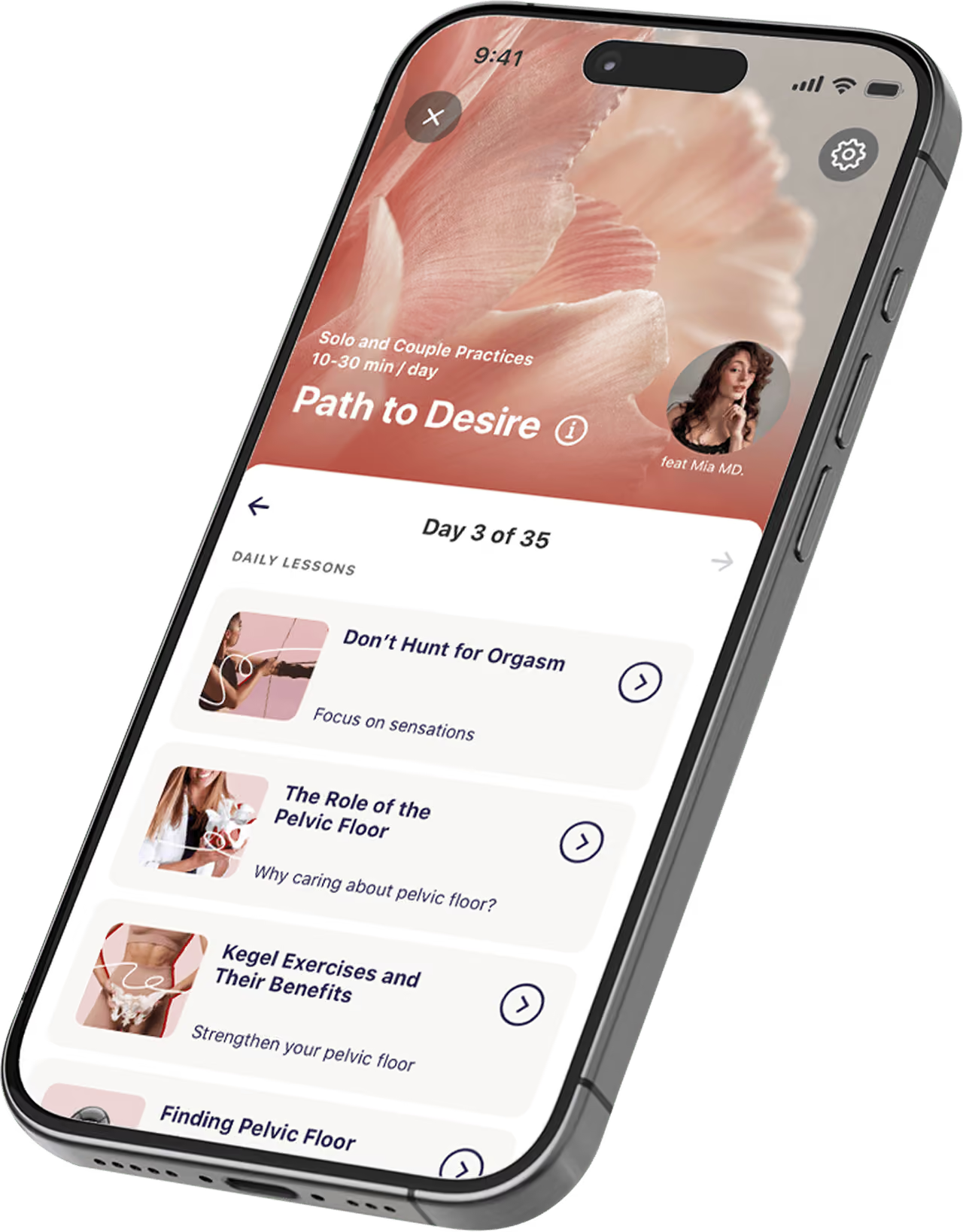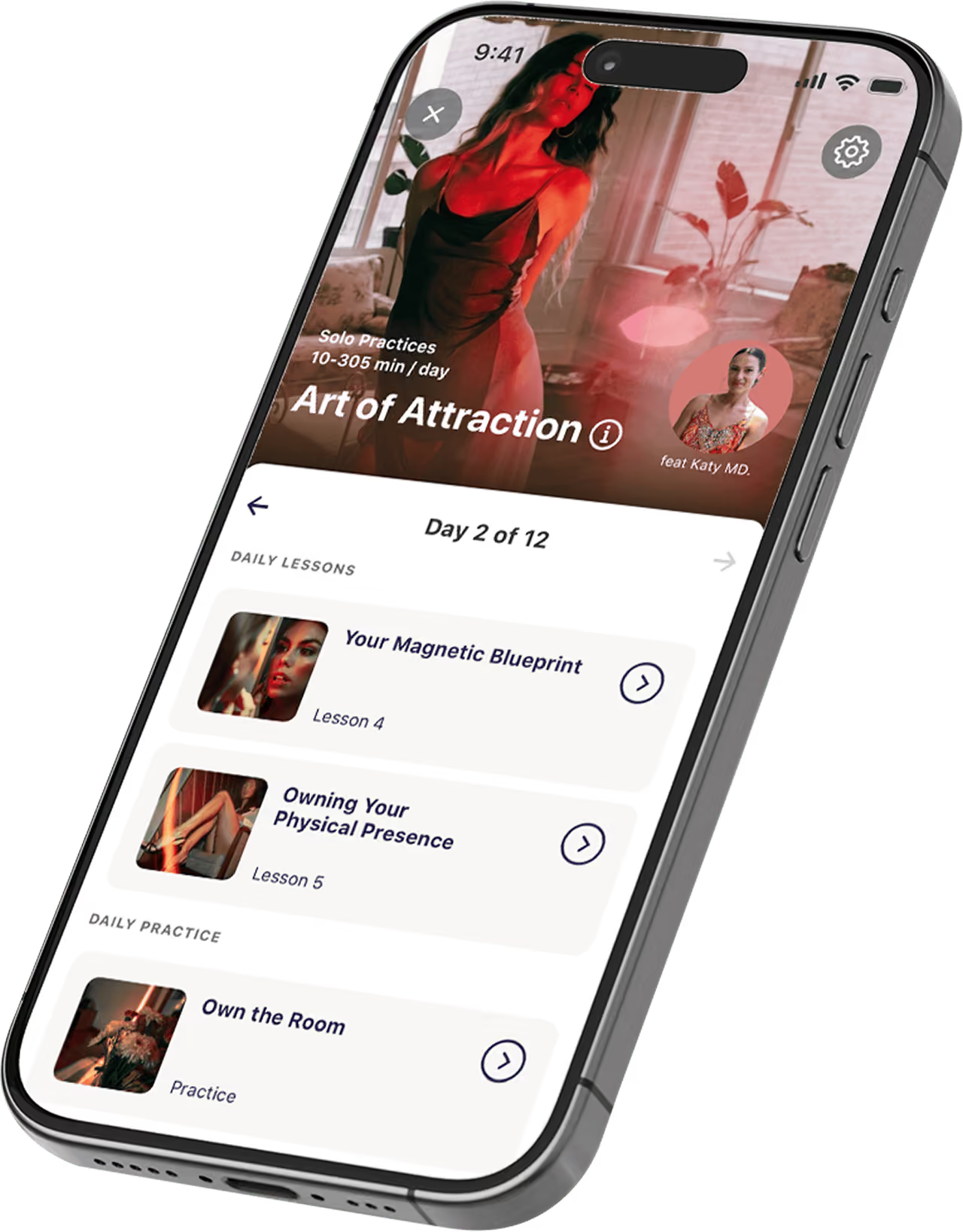
A perimenopause quiz cannot confirm a diagnosis. A symptom questionnaire can help you record what is bothering you and discuss it with a doctor. Our quiz has a different purpose: it asks about wellbeing and intimacy to personalize your Menopause Decoded plan in The Coach for Her app. It does not diagnose perimenopause or replace a medical assessment.
Get my planA perimenopause symptom checklist can help you describe changes in periods, sleep, mood and comfort. Your age and medical history matter too. A clinician considers these together; a symptom count alone cannot confirm perimenopause.
If the signs fit but you’re not sure what this phase actually involves, read our guide to what perimenopause is first.
Clinicians and researchers often use two published questionnaires to measure menopause symptoms.
The Greene Climacteric Scale lists 21 symptoms, from a racing heart, tension and trouble sleeping to headaches, joint pain, hot flashes, night sweats and loss of interest in sex. You rate how much each has bothered you recently, from 0 (not at all) to 3 (extremely), and add them up, so the total runs from 0 to 63.
The Menopause Rating Scale is shorter: 11 complaints in three areas (mood, body, and the bladder and vaginal area), each rated from none to very severe.
Both questionnaires measure how much symptoms bother you, not which stage you’re in. Menopause Decoded groups Greene scores into three ranges. They’re a guide for talking about your score, not diagnostic cut-offs.
Repeating the same questionnaire can help you compare symptoms over time. A score cannot explain what causes them.
Three common misreadings of what a quiz can do.
A menopause quiz and a perimenopause quiz may ask similar questions. Period history adds useful context, but it does not explain every symptom.
Hormonal contraception and some operations can make period patterns harder to interpret, so discuss your situation with a clinician. If you’d like a plan built around how you feel day to day, our quiz is the next step.
A symptom score records discomfort. It does not diagnose perimenopause.
A symptom questionnaire can help you organize what you notice and prepare for a medical appointment.
Answering specific questions about sleep, mood and physical symptoms can make it easier to explain how you feel.
Repeating the same scale every four to six weeks can show whether your answers change. Keep notes about important changes between questionnaires too.
Bring the score and your individual answers to your appointment. They can help you explain which symptoms affect you most.
Our quiz focuses on wellbeing and intimacy to personalize your program. It is separate from the symptom scales used to record discomfort.
Follow the instructions for the questionnaire you choose so your answers are easier to compare later.
For more detail on less familiar symptoms, see our guide to unusual perimenopause symptoms.
From a survey of The Coach users who finished their first four weeks:
The quiz helps personalize your Menopause Decoded plan in The Coach for Her. The program also includes a separate symptom questionnaire you can repeat over time.
You can work through the lessons at your own pace and use your notes to prepare for a medical appointment.
Reviews from The Coach users, quoted as written.
“It is a really nice APP helps you know more about yourself and your body. Helps me to improve day by day.”
“The programs are super easy to follow and have taught me so much about my own body! Definitely recommend”
“I founded the Coach App very informative. It really helped me learn more about my health and how to improve my intimacy with my husband. I would recommend it”
“Very approachable. I hadn't ever used an app like this but I feel like it has given me perspective about my own body and has enhanced intimacy. Educational and engaging, I am enjoying it.”
Clinical researchers, certified sex therapists and medical professionals, among them an OB-GYN and a sleep medicine specialist.
Dr. Jessica Yih
Urologist and director of women's sexual health and male infertility at UCI.
Dr. Kirti S. Patel
Board-certified ob/gyn and host of The Gynarchy, a women's-health podcast.
Dr. Justin Lehmiller
PhD in social psychology and senior research fellow at the Kinsey Institute.
Dr. Paula Hall
Accredited sexual and relationship psychotherapist, registered with leading professional bodies in psychotherapy.
Natalie Goldberg
Certified sex and family therapist dedicated to improving intimate relationships and personal well-being.
Dr. Gary Shlifer
DO, board-certified internal medicine physician specializing in preventative care, nutrition, and anti-aging.
Dr. Joshua Roland
MD, sleep medicine specialist, and clinical instructor at the David Geffen School of Medicine, UCLA.
Rick Brennan
Certified personal trainer, strength coach, sports nutritionist, and professional WFF athlete.
A symptom questionnaire records how you feel; a blood test measures hormone levels. During perimenopause, hormone levels fluctuate, so a single result may not explain your symptoms. A clinician can decide whether testing would be useful in your case.
A symptom quiz can’t rule out pregnancy. Missed periods, nausea, tiredness and mood changes fit both, and you can still get pregnant in perimenopause. If there’s any chance, take a pregnancy test.
It depends on the questionnaire and its purpose. A recognized symptom scale can record how much symptoms bother you. It cannot confirm perimenopause, measure hormone levels or identify a cause. Our quiz personalizes a wellbeing program; it is not a diagnostic test.
After a hysterectomy, periods cannot help identify the transition, even if your ovaries still produce hormones. A clinician can assess your age, symptoms and medical history. Keeping symptom notes may help that conversation.
Menopause Decoded is a program in The Coach for Her. It includes lessons on hormonal changes, sleep, mood, concentration, nutrition, exercise and intimacy. Practical exercises include a 21-item symptom questionnaire, a ten-minute concentration exercise and questions to prepare for a medical appointment.
No. You don’t need lab results, a diagnosis, a device or a partner. The quiz and the program start from what you notice in your own body.