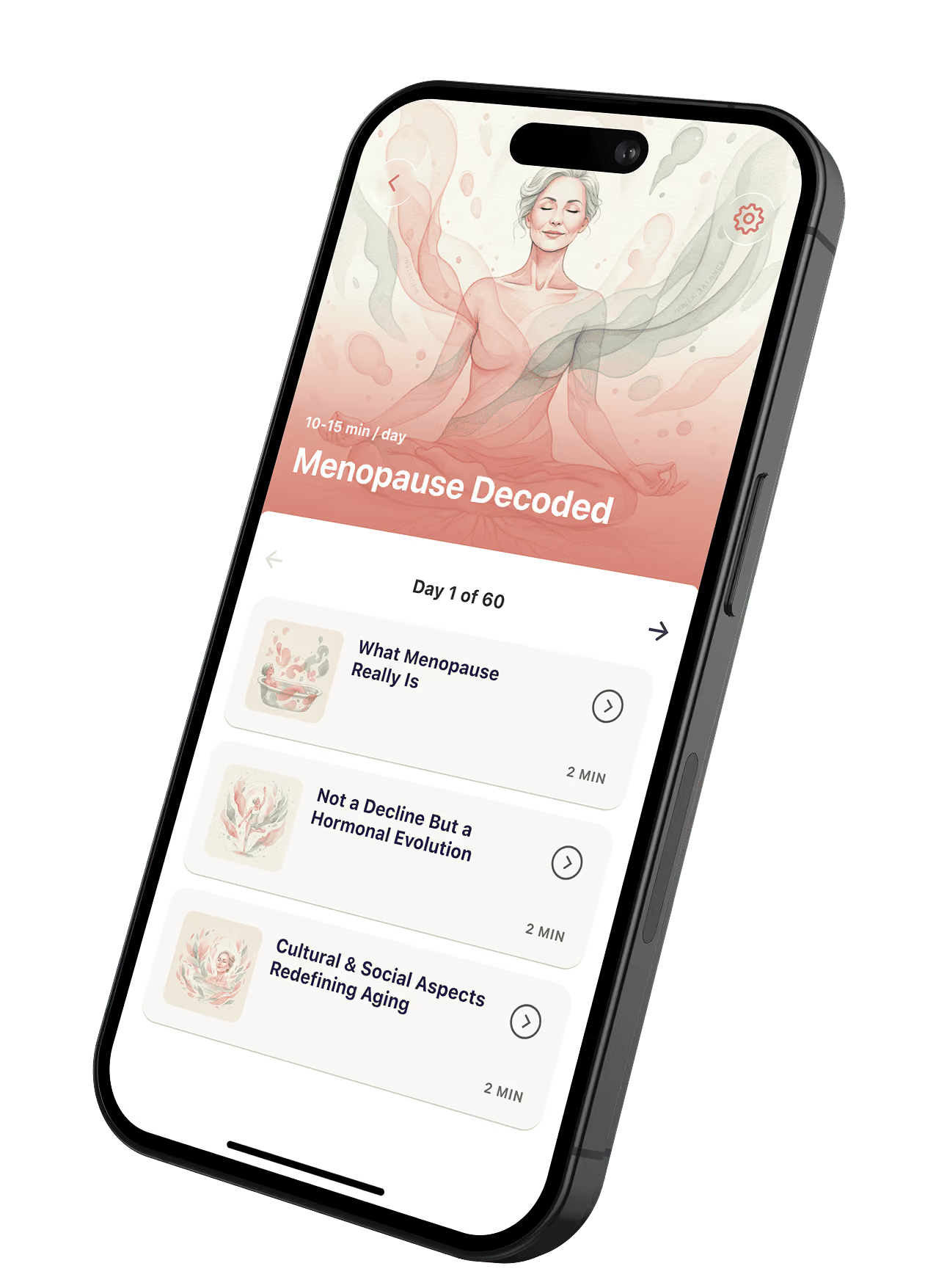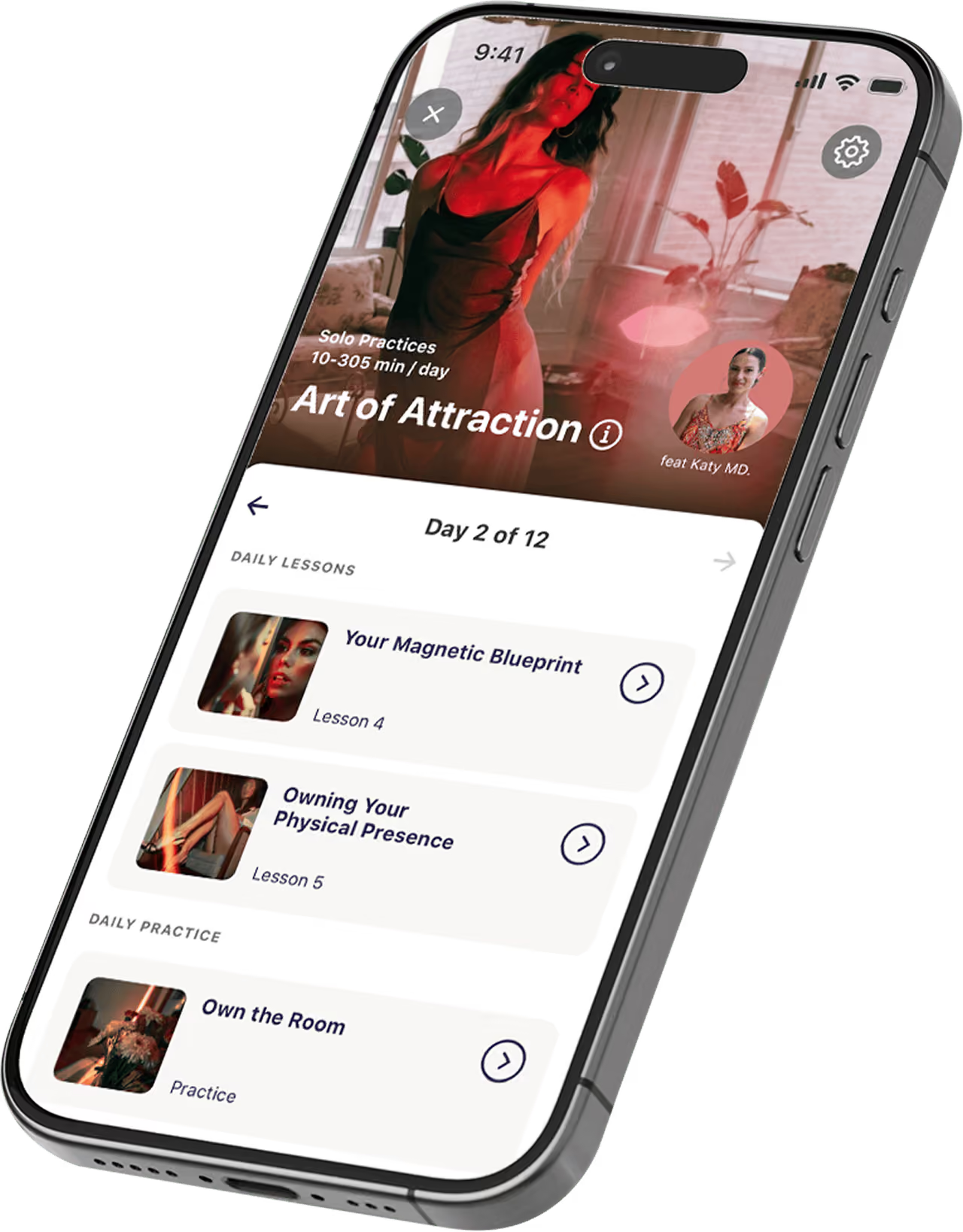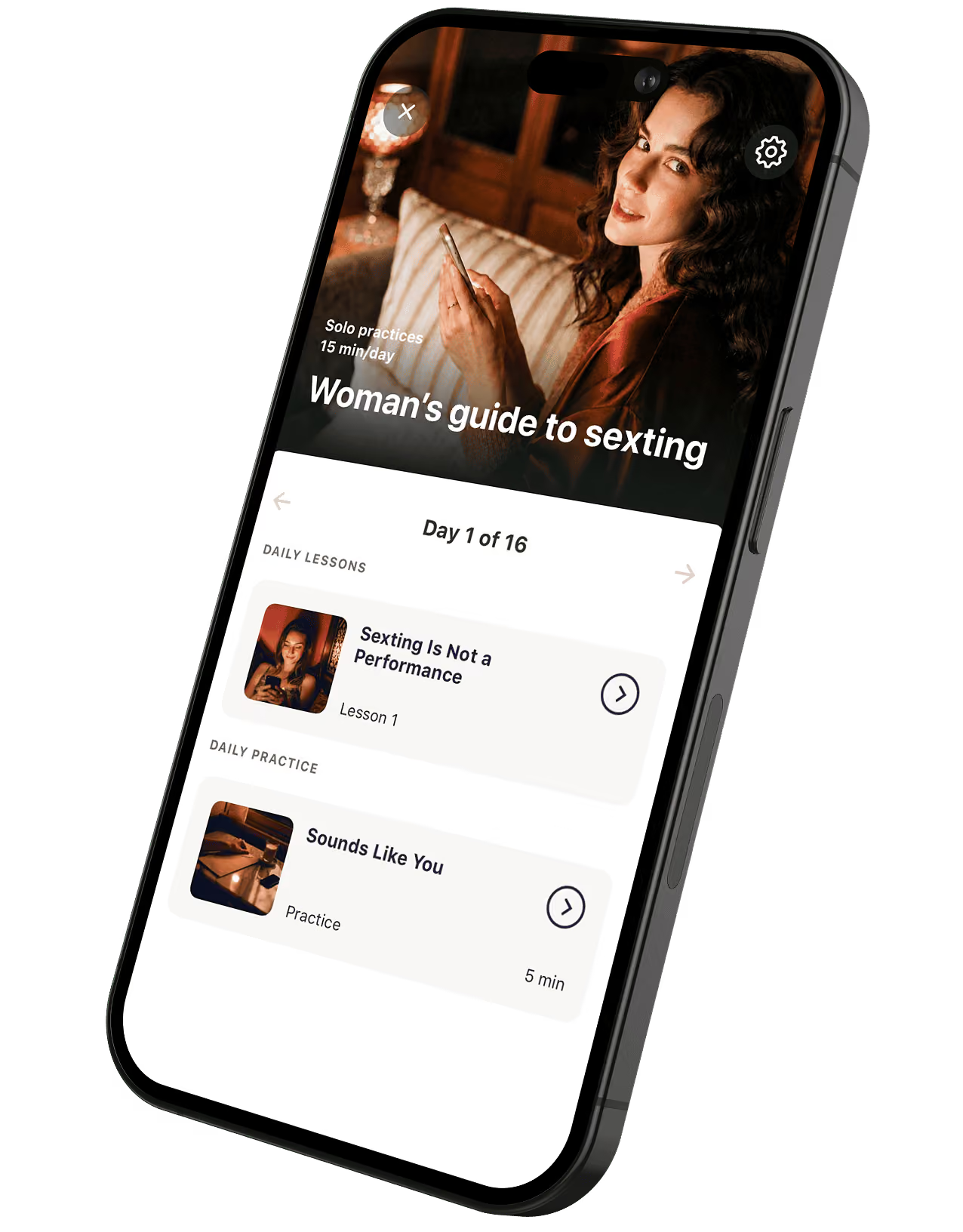
Perimenopause rage describes anger that feels unusually intense or quick to surface. Hormonal changes, broken sleep and stress can contribute, but anger alone cannot confirm the cause. Pause the conversation, breathe comfortably and come back when you can speak without shouting. Menopause Decoded, a program in The Coach for Her app, offers practices for noticing tension and responding more calmly.
Get my planMood can change during the menopausal transition. Poor sleep, everyday pressures and hormonal fluctuations may make irritation harder to manage. None of this means every disagreement is hormonal or that you should dismiss what is bothering you.
For other changes that may occur during this transition, explore unusual perimenopause symptoms.
You may not catch every episode early. Start by noticing one sign that gives you a chance to pause.
Practice these steps when irritation is still manageable. They are a way to pause before reacting, not a guarantee that anger will stop. If anyone is in immediate danger, move to safety and contact local emergency services.
To practice this approach with lessons on stress and body awareness, answer a few questions and find a starting point for your program.
You can take your anger seriously and still take responsibility for how you express it.
Menopause Decoded combines lessons on mood and stress with body awareness and an in-the-moment emotional practice. Use the exercises to notice your response and try a different one. The program is educational and does not replace mental health care.
Learn how mood, sleep and the menopausal transition can overlap. Use that context without assuming hormones explain every feeling or conflict.
A guided body awareness practice invites you to notice where you feel tension. Recognizing a familiar sign can give you a cue to pause.
Practice naming a feeling, noticing your surroundings and choosing one manageable response. Try it with everyday irritation instead of waiting for the most difficult moment.
The quiz asks about sleep, mood, stress and energy, as well as intimacy and desire. Your answers help personalize your plan for Menopause Decoded. It is not a diagnostic test.
If anger is landing on your husband or partner, choose a quieter moment to explain what you have noticed. For example: “I have been more irritable and I want to handle it differently. Can we agree to pause when either of us starts shouting?” The same approach applies whatever your relationship looks like.
Make one concrete request, such as sharing an evening task or giving each other uninterrupted rest. If you said something hurtful, acknowledge it and apologize without blaming hormones. A pause is useful only if you return to the problem; repeated intimidation or fear needs outside support.
To understand the stage you may be in, read what perimenopause is.
From a survey of The Coach users who finished their first four weeks:
You may want to understand your symptoms, make more room for rest or practice managing stress. Use the quiz to find a starting point for your program that reflects what matters to you.
These reviews describe the app and its educational content. They are not evidence that it treats menopause symptoms.
“I was not expecting such a complete app. There’s so much helpful information, practical tips, and exercises. I also love that it’s focused not just on sex, but on women’s health as a whole. I’m really excited to dive deeper into everything the app has to offer.”
“I recently started using The Coach (for her) and am so pleased so far. The information included is educational and also so fun. I love that the lessons are broken down into small lessons making it easy to learn in whatever time you have, whether that be minutes or hours.”
“I love this app because it has useful, science-backed information presented in an interesting way. No stigma, no shame - just a lot of useful information and exercises. Highly recommend”
“Very approachable. I hadn't ever used an app like this but I feel like it has given me perspective about my own body and has enhanced intimacy. Educational and engaging, I am enjoying it.”
Clinical researchers, certified sex therapists and medical professionals, among them an OB-GYN and a sleep medicine specialist.
Dr. Jessica Yih
Urologist and director of women's sexual health and male infertility at UCI.
Dr. Kirti S. Patel
Board-certified ob/gyn and host of The Gynarchy, a women's-health podcast.
Dr. Justin Lehmiller
PhD in social psychology and senior research fellow at the Kinsey Institute.
Dr. Paula Hall
Accredited sexual and relationship psychotherapist, registered with leading professional bodies in psychotherapy.
Natalie Goldberg
Certified sex and family therapist dedicated to improving intimate relationships and personal well-being.
Dr. Gary Shlifer
DO, board-certified internal medicine physician specializing in preventative care, nutrition, and anti-aging.
Dr. Joshua Roland
MD, sleep medicine specialist, and clinical instructor at the David Geffen School of Medicine, UCLA.
Rick Brennan
Certified personal trainer, strength coach, sports nutritionist, and professional WFF athlete.
People use the phrase for intense irritability, a short temper or sudden angry outbursts. It is not a medical diagnosis, and these experiences are not unique to menopause. A new or marked change deserves attention, especially if it affects relationships or everyday life.
There is no fixed duration for an episode or for this pattern during the transition. Do not wait for periods to stop before asking for help. Frequent, distressing or worsening anger is a reason to seek support now.
A clinician first considers what may be contributing, including sleep, stress and other health concerns. Talking therapy and practical coping skills may form part of support. Breathing and grounding exercises are things to practice; an app cannot decide which treatment you need.
Yes, mood difficulties can continue after menopause, but don’t automatically put persistent anger down to it. Tell a healthcare professional when it began, how often it happens and how it affects you.
The program explains the menopausal transition and offers practices for body awareness, stress and everyday wellbeing, along with lessons on sleep, food and movement. It does not identify the cause of a symptom or replace medical care.
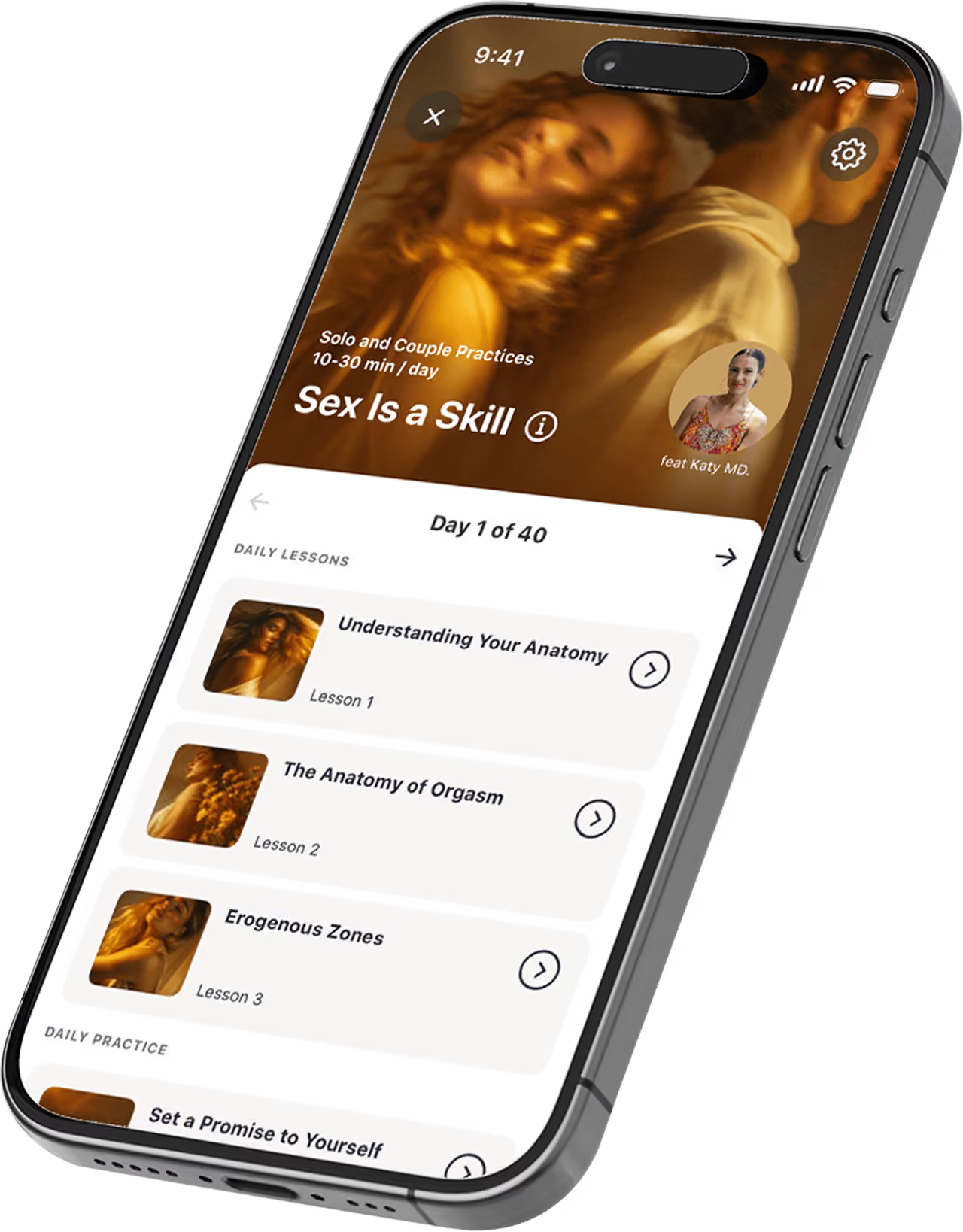
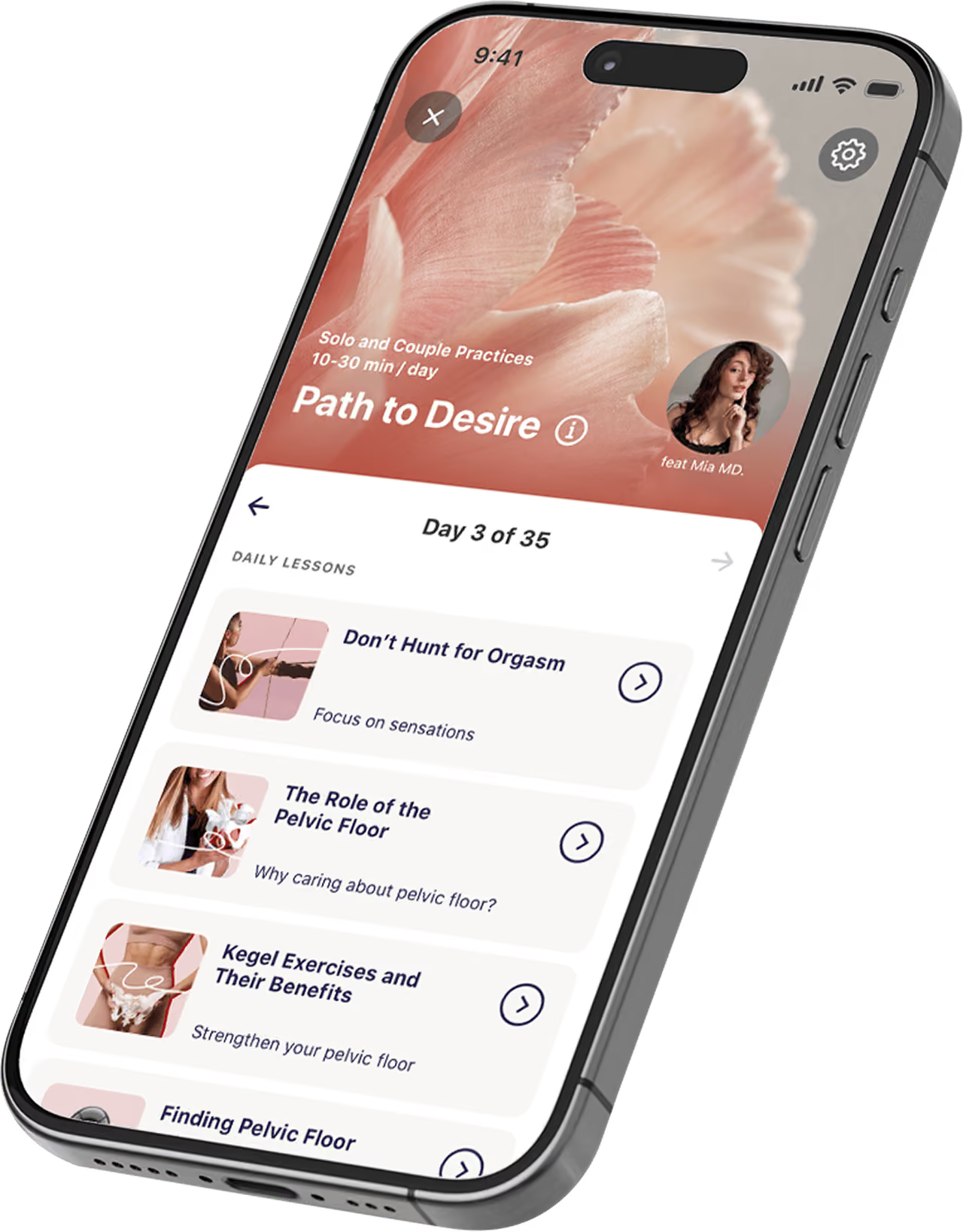
The Coach for Her covers intimate wellbeing as well as sleep, mood, stress and energy. The questions help personalize your program plan. The quiz cannot diagnose menopause or tell you which treatment you need.