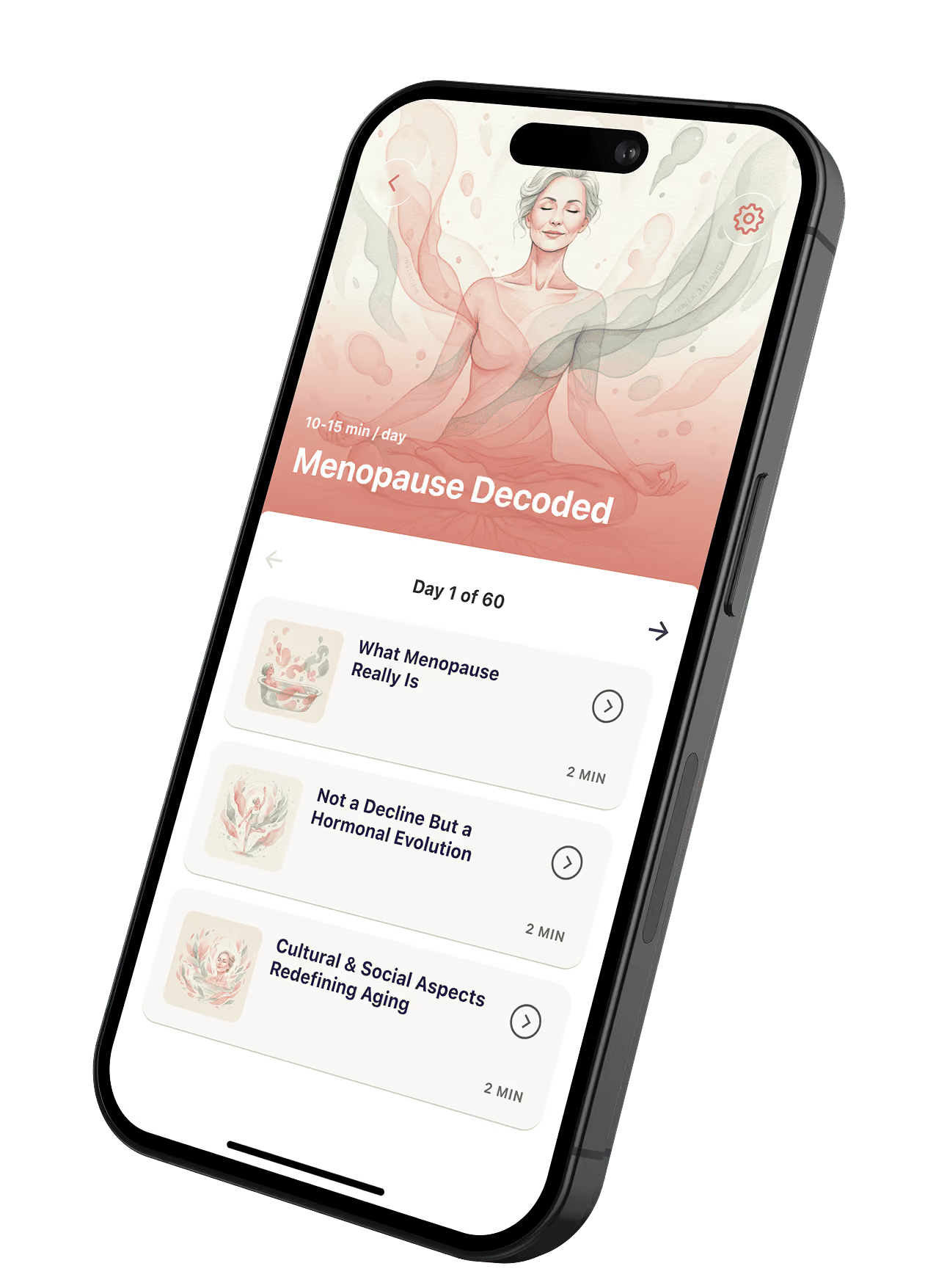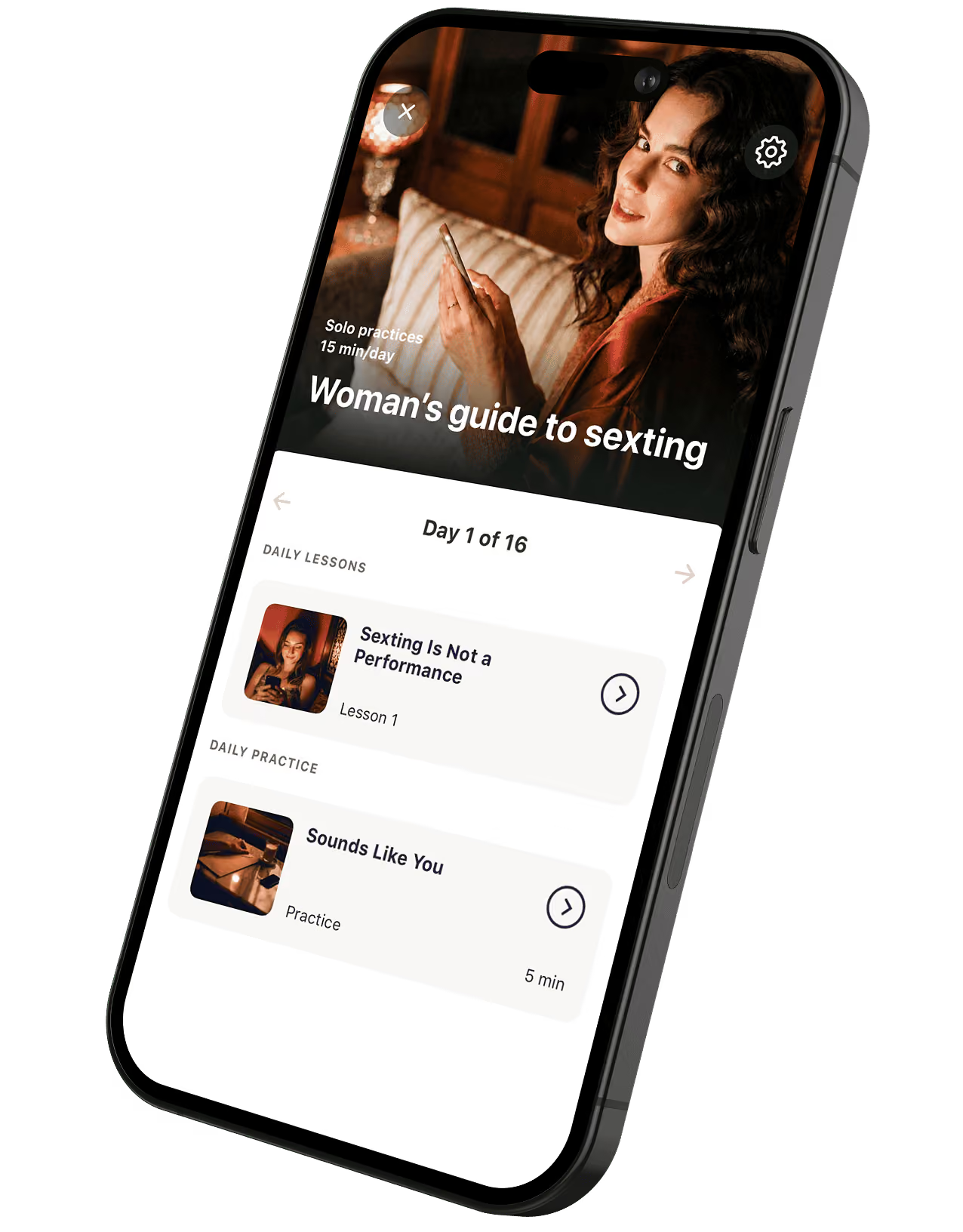
Skin can become drier during perimenopause, but itchy ears can also come from irritation, eczema or an infection. Avoid scratching inside your ears, and get pain, discharge or hearing changes checked. The Menopause Decoded program in The Coach for Her app helps you understand the wider changes of this transition.
Get my planFalling estrogen can contribute to drier skin around menopause, and dry, sensitive skin may itch, including in and around the ears. That’s only part of the picture: the ear canal is lined with skin, and several skin or ear problems can irritate it.
Ear itching is only one possible complaint during this transition. For the wider context, read about unusual perimenopause symptoms.
A new itch is worth noticing, but it does not tell you what caused it.
Start by reducing irritation. These steps are for mild itching without pain, discharge or a hearing change. If any of those symptoms appear, seek prompt medical advice; sudden hearing loss needs immediate care.
For broader concerns such as sleep, stress and intimacy, the quiz can help personalize your menopause plan.
You do not have to know the cause before asking for help.
An ear symptom needs its own explanation. If sleep, mood or other changes are troubling you too, Menopause Decoded in The Coach for Her helps you understand this transition and choose practical habits.
Lessons explain hormones and less familiar symptoms such as itchy ears, without treating every new sensation as a sign of menopause.
A guided body awareness exercise helps you notice tension and how you feel. You can keep your own notes about sleep, discomfort and mood.
Breathing and reflection exercises give you something to try when you feel tense. They help with everyday coping, but they can’t diagnose or treat an ear problem.
The quiz asks about intimacy and desire as well as sleep, mood, stress and energy. Your answers help personalize your plan. It does not assess your hearing or diagnose an ear problem.
Write down when the itching began, whether it affects one or both ears and where you feel it. Add any new products, earbud use, pain, discharge or hearing changes. These details help a clinician decide what to examine.
If your periods or other symptoms have changed, mention those too. Looking at the wider menopause picture and checking the ear itself can happen together. Do not wait to collect a full diary if your hearing changes suddenly.
If you are unsure what this stage means, start with what perimenopause is.
If poor sleep or stress is making everyday life harder, begin with that concern. The quiz gives you a way to choose a starting point for your program while you arrange any medical care you need.
These reviews describe the app and its educational content, not treatment for ear symptoms.
“I was not expecting such a complete app. There’s so much helpful information, practical tips, and exercises. I also love that it’s focused not just on sex, but on women’s health as a whole. I’m really excited to dive deeper into everything the app has to offer.”
“I recently started using The Coach (for her) and am so pleased so far. The information included is educational and also so fun. I love that the lessons are broken down into small lessons making it easy to learn in whatever time you have, whether that be minutes or hours.”
“I love this app because it has useful, science-backed information presented in an interesting way. No stigma, no shame - just a lot of useful information and exercises. Highly recommend”
“Very approachable. I hadn't ever used an app like this but I feel like it has given me perspective about my own body and has enhanced intimacy. Educational and engaging, I am enjoying it.”
Clinical researchers, certified sex therapists and medical professionals, among them an OB-GYN and a sleep medicine specialist.
Dr. Jessica Yih
Urologist and director of women's sexual health and male infertility at UCI.
Dr. Kirti S. Patel
Board-certified ob/gyn and host of The Gynarchy, a women's-health podcast.
Dr. Justin Lehmiller
PhD in social psychology and senior research fellow at the Kinsey Institute.
Dr. Paula Hall
Accredited sexual and relationship psychotherapist, registered with leading professional bodies in psychotherapy.
Natalie Goldberg
Certified sex and family therapist dedicated to improving intimate relationships and personal well-being.
Dr. Gary Shlifer
DO, board-certified internal medicine physician specializing in preventative care, nutrition, and anti-aging.
Dr. Joshua Roland
MD, sleep medicine specialist, and clinical instructor at the David Geffen School of Medicine, UCLA.
Rick Brennan
Certified personal trainer, strength coach, sports nutritionist, and professional WFF athlete.
They can occur at the same time, and drier skin may contribute. But ear itching is not a reliable sign of perimenopause on its own. Irritation, eczema and infection are among the other possibilities.
Yes. Itchy ears during menopause or afterwards can have several causes, and there’s no set time for the itching to stop. If it persists or returns, have your ears checked.
An itch may be more noticeable when there are fewer distractions. Dryness or irritation may still be involved. If it keeps you awake, seek advice instead of repeatedly scratching or cleaning the ear.
Ask a clinician or pharmacist first. Earwax care and treatment for irritated skin are different things, and some products are unsuitable if the eardrum is damaged, so don’t put anything into the ear until you know the likely cause.
No. An ear examination and, when needed, a hearing check can help identify the cause. Menopause Decoded offers education about the transition and practical exercises for everyday wellbeing.
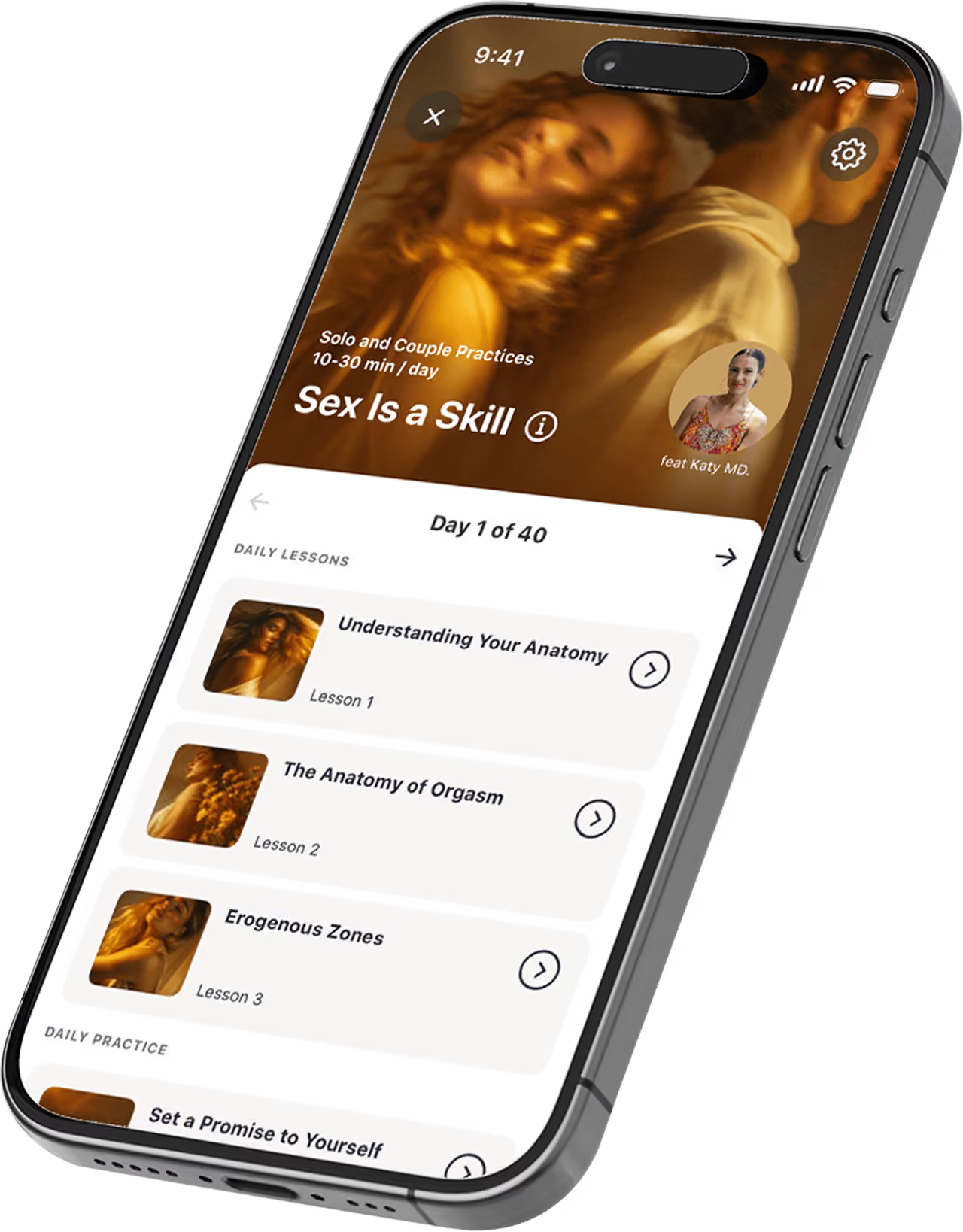
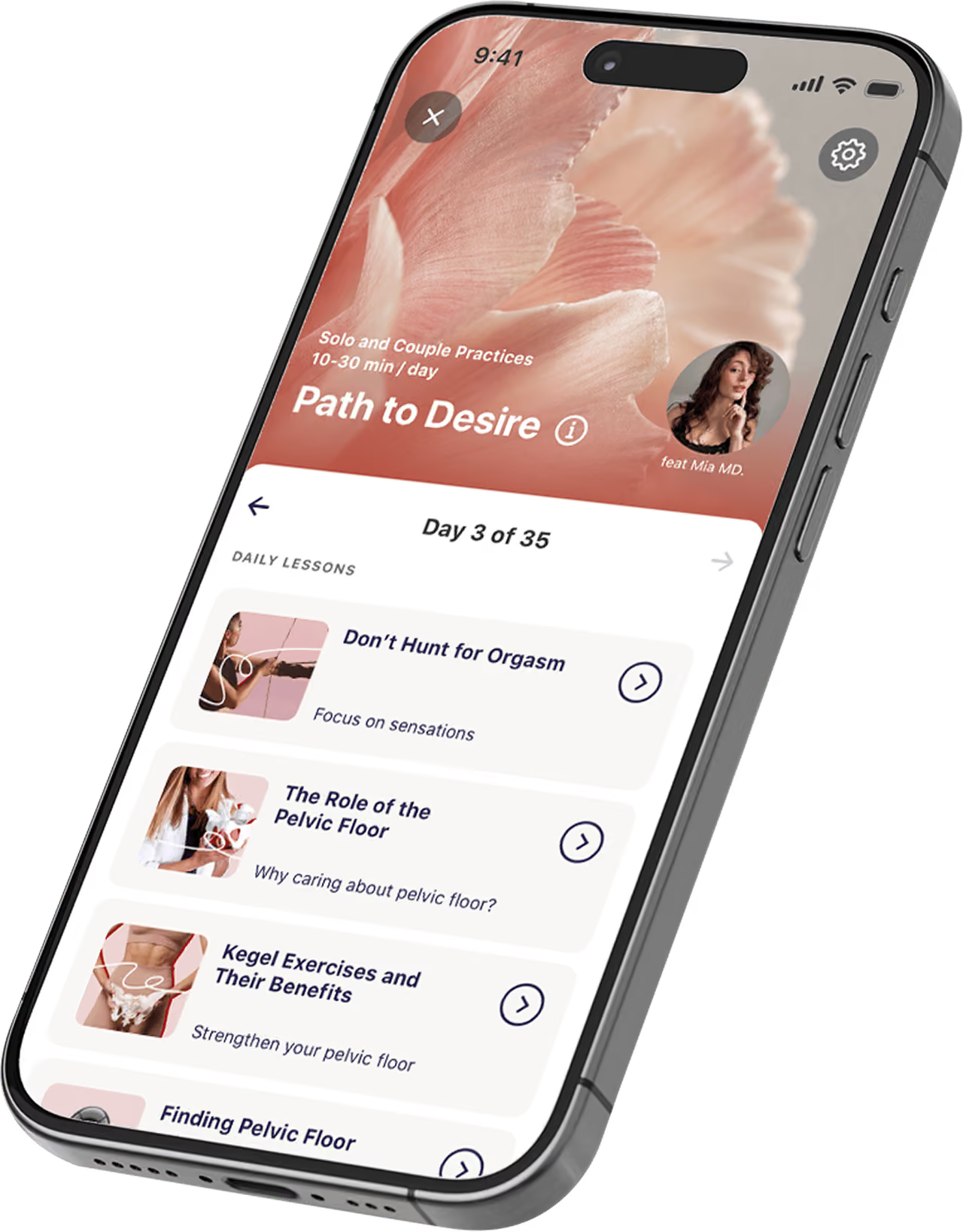
The Coach for Her supports intimate wellbeing as well as everyday concerns. The quiz includes desire and intimacy alongside sleep, mood, stress and energy. It helps personalize a plan; it does not diagnose menopause or an ear condition.