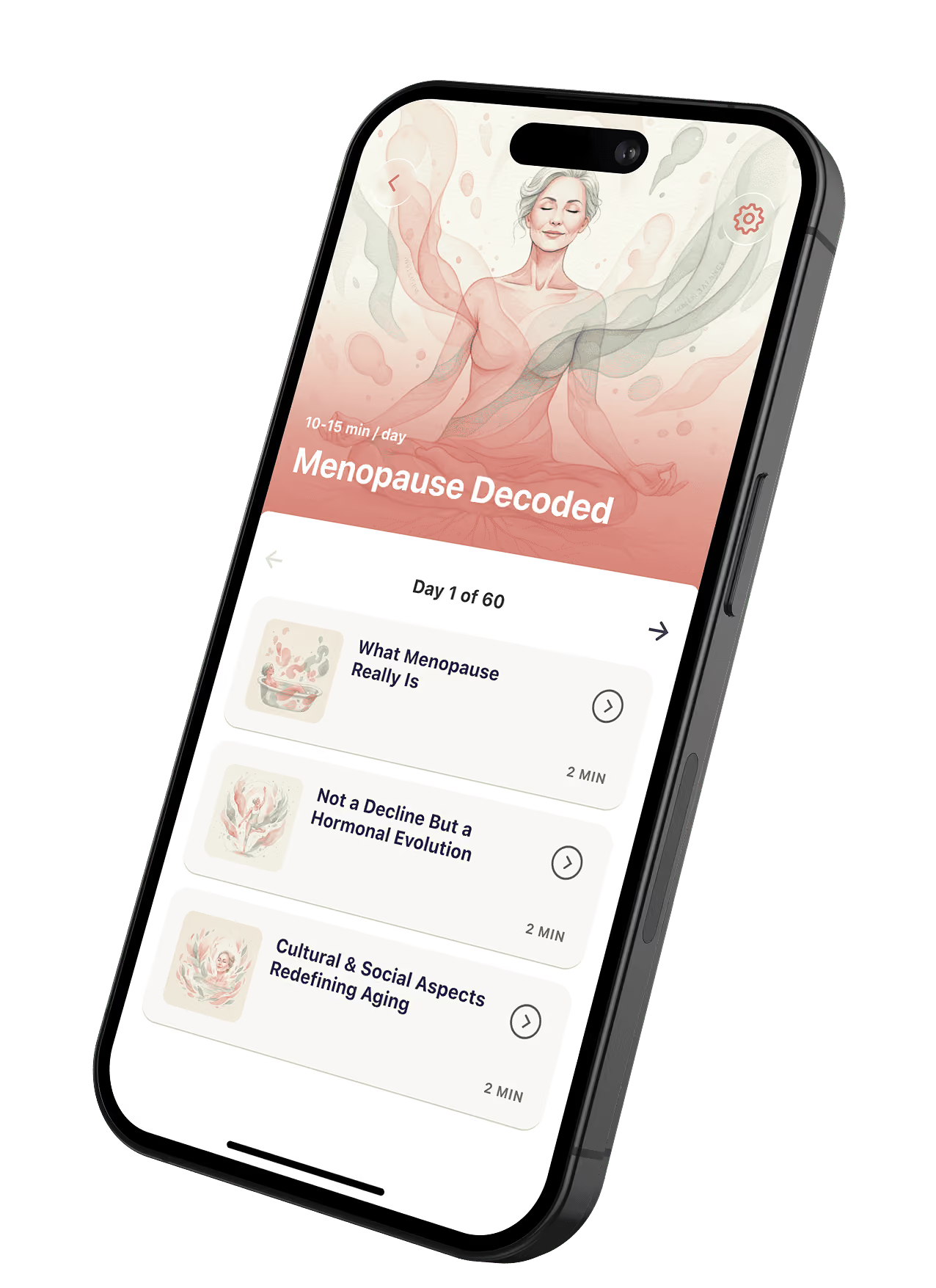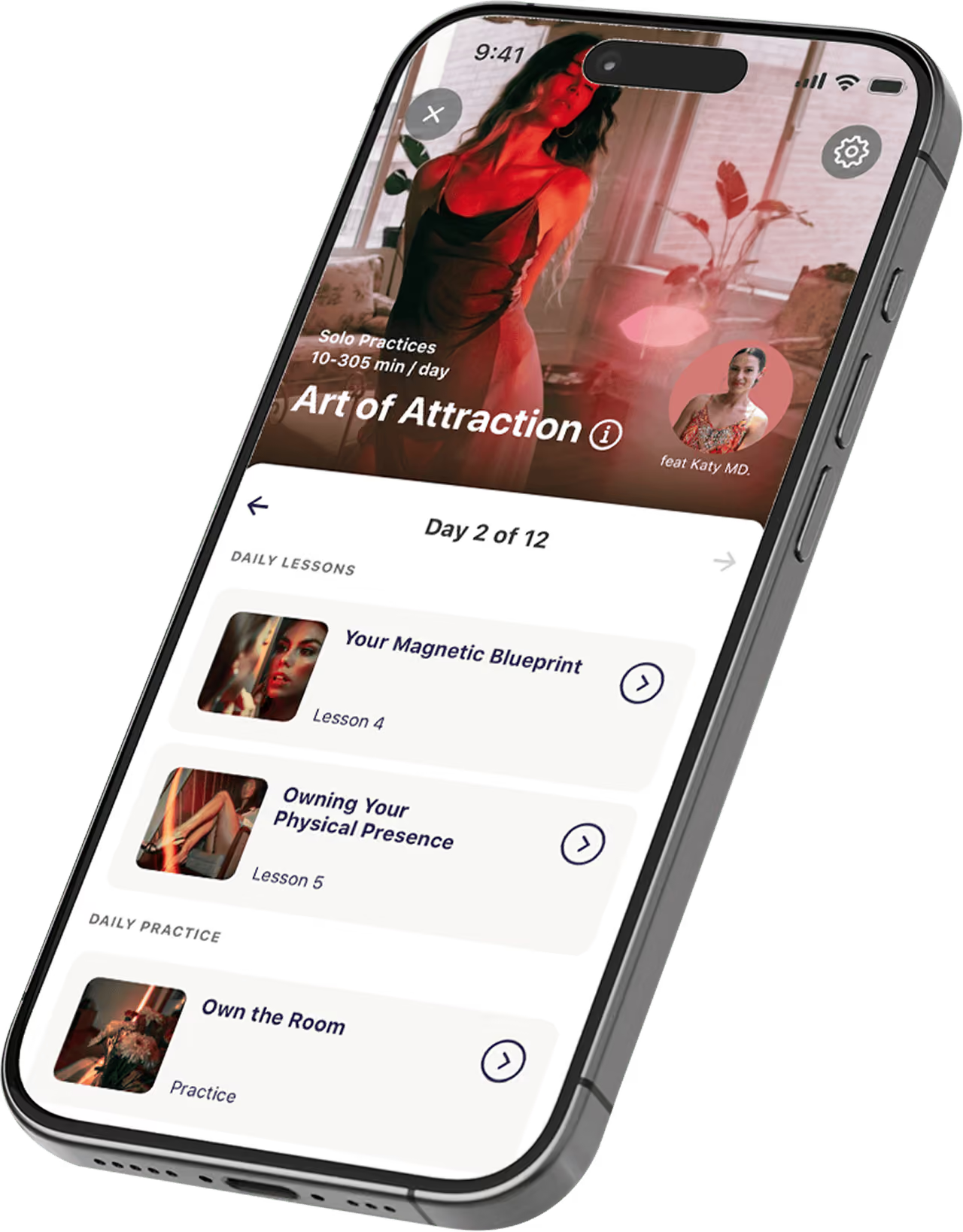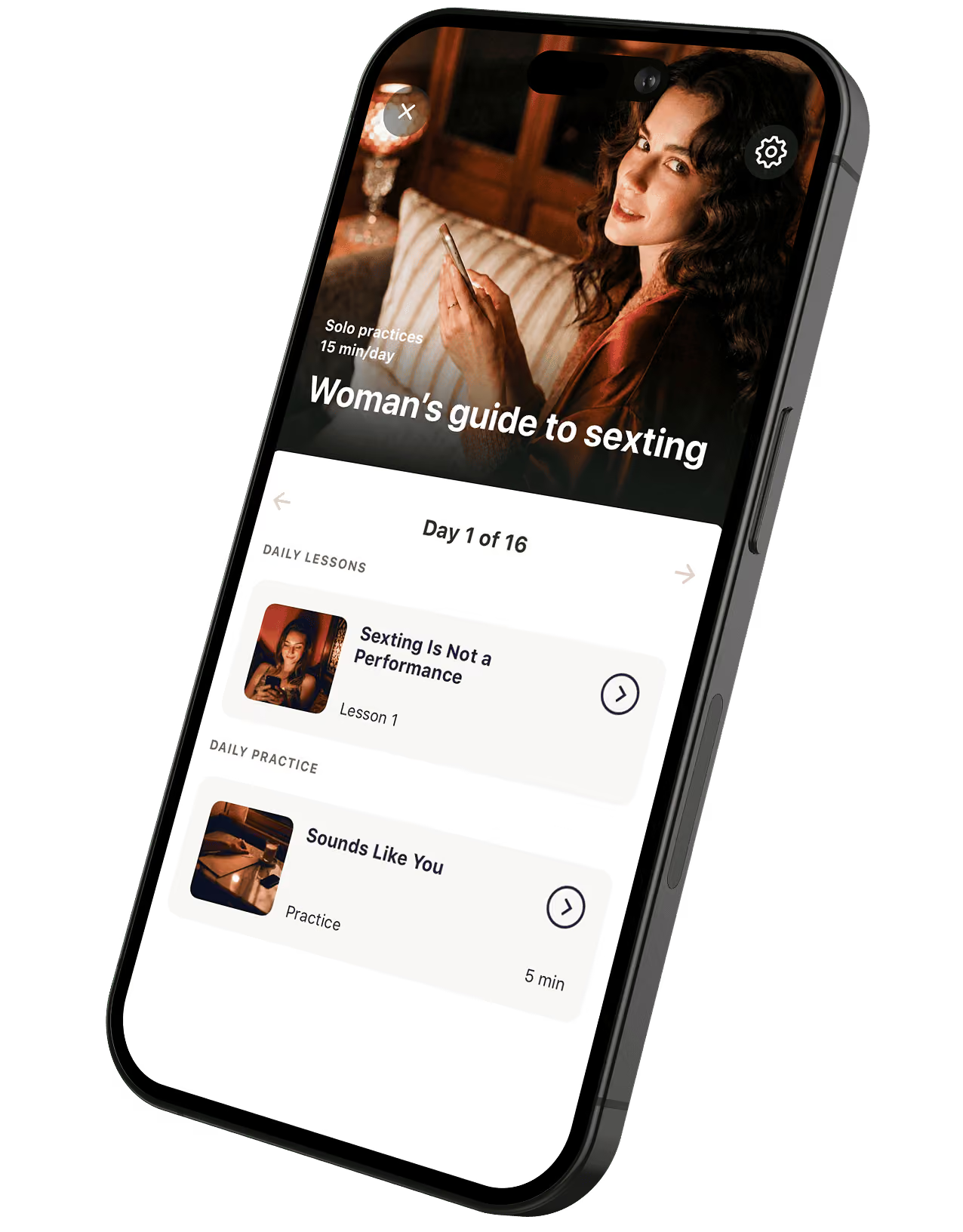
Anxiety and mood swings can begin during perimenopause, before periods stop. Hormonal changes, poor sleep and everyday pressures may all contribute. A brief pause and comfortable breathing can help you cope in the moment; ongoing anxiety deserves professional support. Menopause Decoded, a program in The Coach for Her app, offers lessons and practices for understanding these changes and caring for your emotional wellbeing.
Get my planChanges in estrogen and progesterone can affect mood during the transition. Broken sleep and stressful circumstances can add to the strain. Anxiety may be new or familiar, but its timing alone cannot tell you the cause.
For context on the transition and its other signs, explore what perimenopause is.
A few observations can help you describe the problem and choose useful support. They are not a test of how well you manage menopause.
If you are somewhere safe, try one of these steps. The aim is to make the next moment more manageable, not to force the feeling away.
These practices can support coping. They do not replace care for persistent anxiety, recurring panic attacks or distress that makes daily life difficult.
Menopause Decoded includes practices for naming emotions, paying attention to the body and choosing how to respond. The quiz helps you find a starting point for your program.
You can ask for help before anxiety becomes overwhelming.
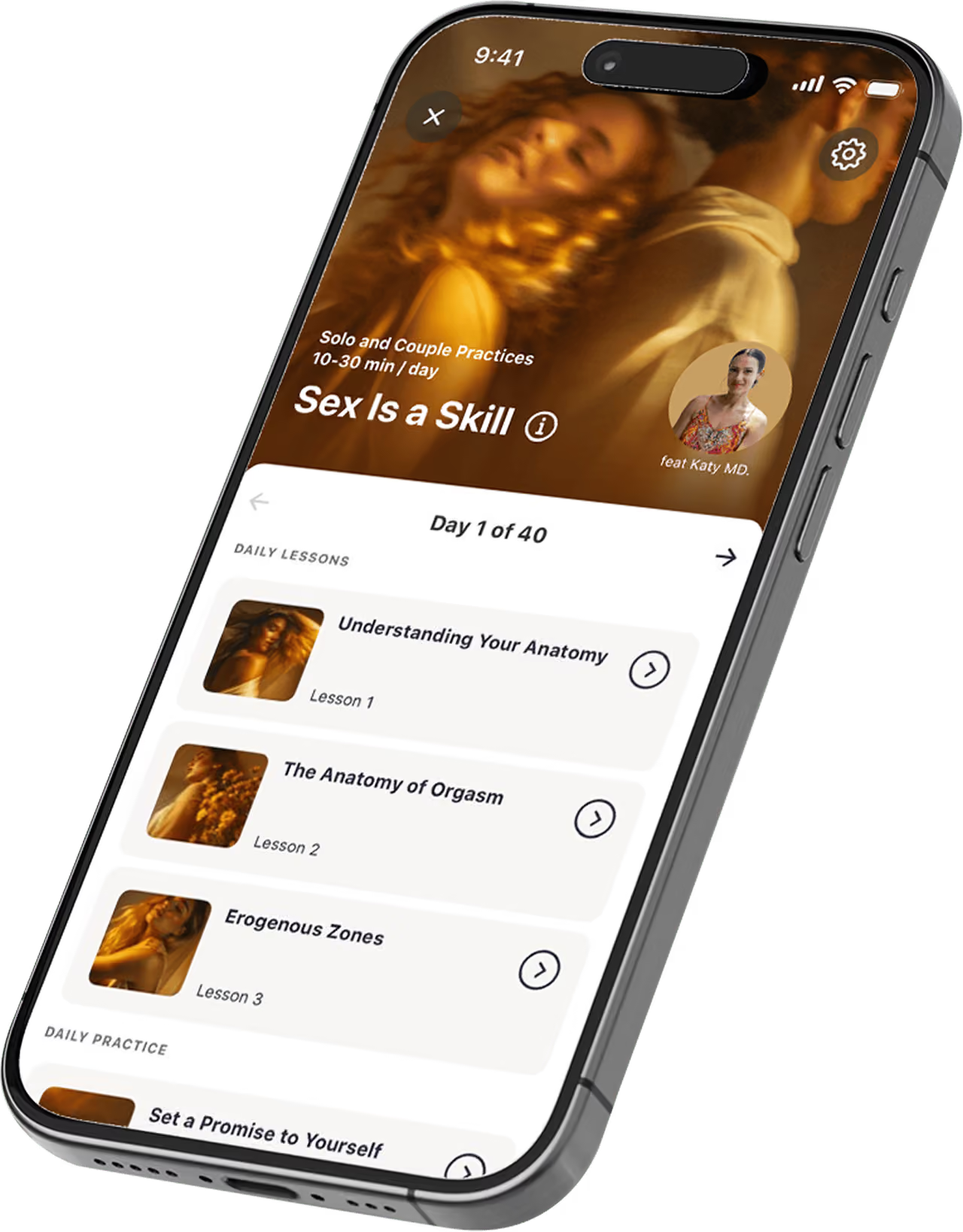
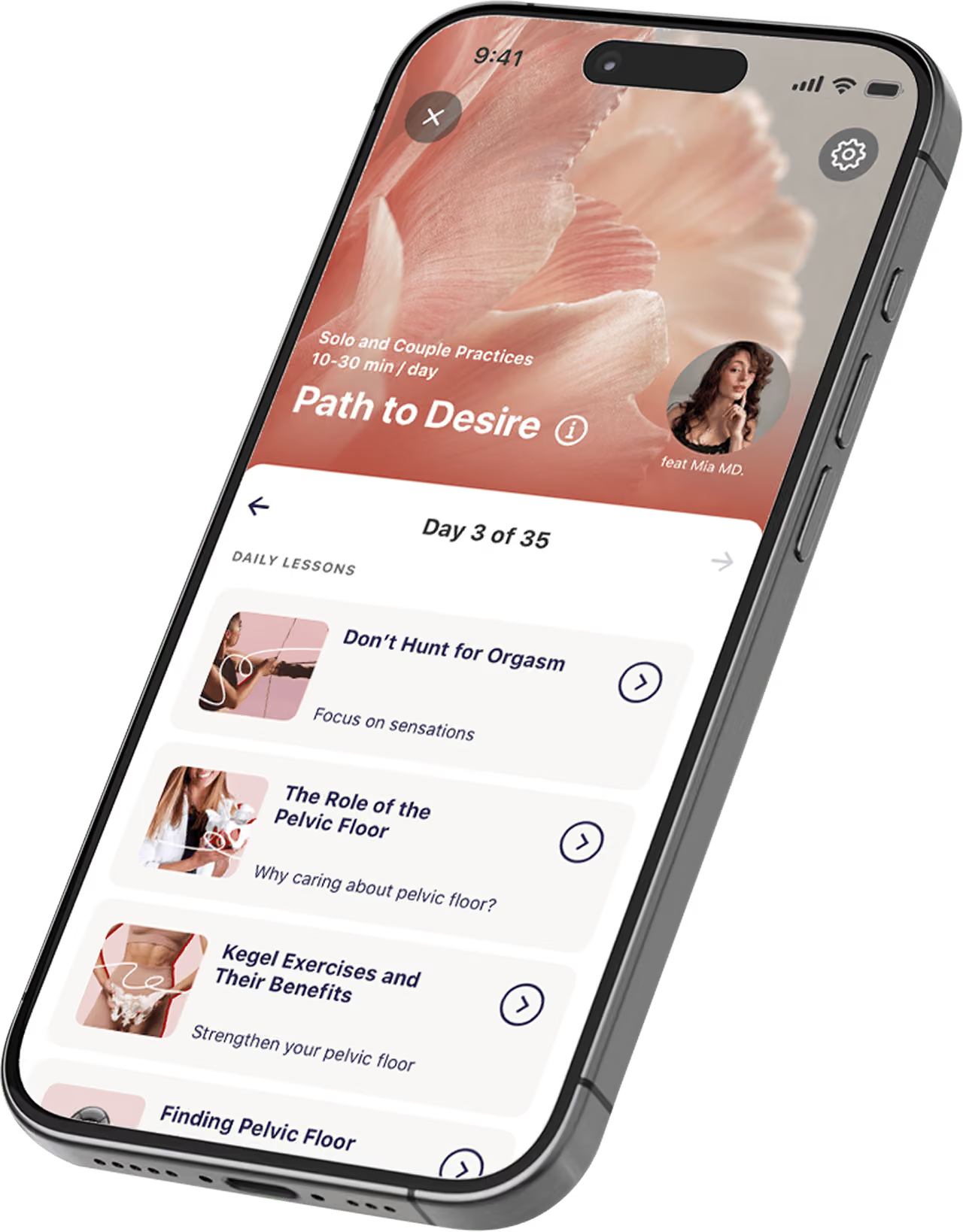
Menopause Decoded in The Coach for Her brings together lessons on symptoms, sleep, food, movement and emotional wellbeing. Use that knowledge to choose an everyday habit to try, alongside any care you need.
Learn what changes during perimenopause and menopause, and why a new symptom still deserves a check instead of being blamed on hormones by default.
A guided body scan helps you notice where you hold tension or discomfort. Your own notes can show what affects your sleep and your day.
Breathing and reflection exercises give you a way to pause when you feel overwhelmed. They can help you cope, though they won’t make a physical symptom go away.
The quiz asks about sleep, mood, stress and energy, as well as intimacy and desire. Your answers help personalize your plan for Menopause Decoded. It is not a diagnostic test.
Speak with a healthcare professional if anxiety keeps returning, you avoid everyday activities or low mood persists. Talking therapies such as cognitive behavioral therapy (CBT) may help. New chest pain, fainting or severe breathlessness needs urgent medical assessment; don’t assume it’s panic. If you might harm yourself or can’t stay safe, seek urgent local help.
If worry is keeping you awake, explore practical advice on perimenopause insomnia.
From a survey of The Coach users who finished their first four weeks:
Understanding your feelings is a useful first step. The program adds guided body awareness, breathing and reflection, so you can try practical responses that fit your day. Answer the quiz questions to personalize your plan.
These reviews describe the app and its educational content. They are not evidence that it treats menopause symptoms.
“I was not expecting such a complete app. There’s so much helpful information, practical tips, and exercises. I also love that it’s focused not just on sex, but on women’s health as a whole. I’m really excited to dive deeper into everything the app has to offer.”
“I recently started using The Coach (for her) and am so pleased so far. The information included is educational and also so fun. I love that the lessons are broken down into small lessons making it easy to learn in whatever time you have, whether that be minutes or hours.”
“I love this app because it has useful, science-backed information presented in an interesting way. No stigma, no shame - just a lot of useful information and exercises. Highly recommend”
“Very approachable. I hadn't ever used an app like this but I feel like it has given me perspective about my own body and has enhanced intimacy. Educational and engaging, I am enjoying it.”
Clinical researchers, certified sex therapists and medical professionals, among them an OB-GYN and a sleep medicine specialist.
Dr. Jessica Yih
Urologist and director of women's sexual health and male infertility at UCI.
Dr. Kirti S. Patel
Board-certified ob/gyn and host of The Gynarchy, a women's-health podcast.
Dr. Justin Lehmiller
PhD in social psychology and senior research fellow at the Kinsey Institute.
Dr. Paula Hall
Accredited sexual and relationship psychotherapist, registered with leading professional bodies in psychotherapy.
Natalie Goldberg
Certified sex and family therapist dedicated to improving intimate relationships and personal well-being.
Dr. Gary Shlifer
DO, board-certified internal medicine physician specializing in preventative care, nutrition, and anti-aging.
Dr. Joshua Roland
MD, sleep medicine specialist, and clinical instructor at the David Geffen School of Medicine, UCLA.
Rick Brennan
Certified personal trainer, strength coach, sports nutritionist, and professional WFF athlete.
There’s no single timeline. It may come and go, and the causes can change. Ask for help when it affects your life; you don’t need to wait for menopause to arrive or for symptoms to become severe.
Yes. Anxiety can continue or begin after menopause, and other causes may contribute. A change in your periods does not determine when anxiety will end.
No. Mood swings describe changes in how you feel; persistent low mood, loss of interest or difficulty functioning needs a professional assessment. Neither should be dismissed as something you simply have to tolerate.
Panic attacks can occur during this stage, but not every sudden physical symptom is anxiety. Get medical advice for new or recurring episodes, and urgent help for symptoms such as chest pain, fainting or severe breathlessness.
They may help you feel less alone and find words for your experience. Someone else’s symptoms, diagnosis or recovery time cannot tell you what is happening to you. Bring your own questions and observations to a professional.
The program explains the menopausal transition and offers practices for body awareness, stress and everyday wellbeing, along with lessons on sleep, food and movement. It does not identify the cause of a symptom or replace medical care.
The Coach for Her covers intimate wellbeing as well as sleep, mood, stress and energy. The questions help personalize your program plan. The quiz cannot diagnose menopause or tell you which treatment you need.