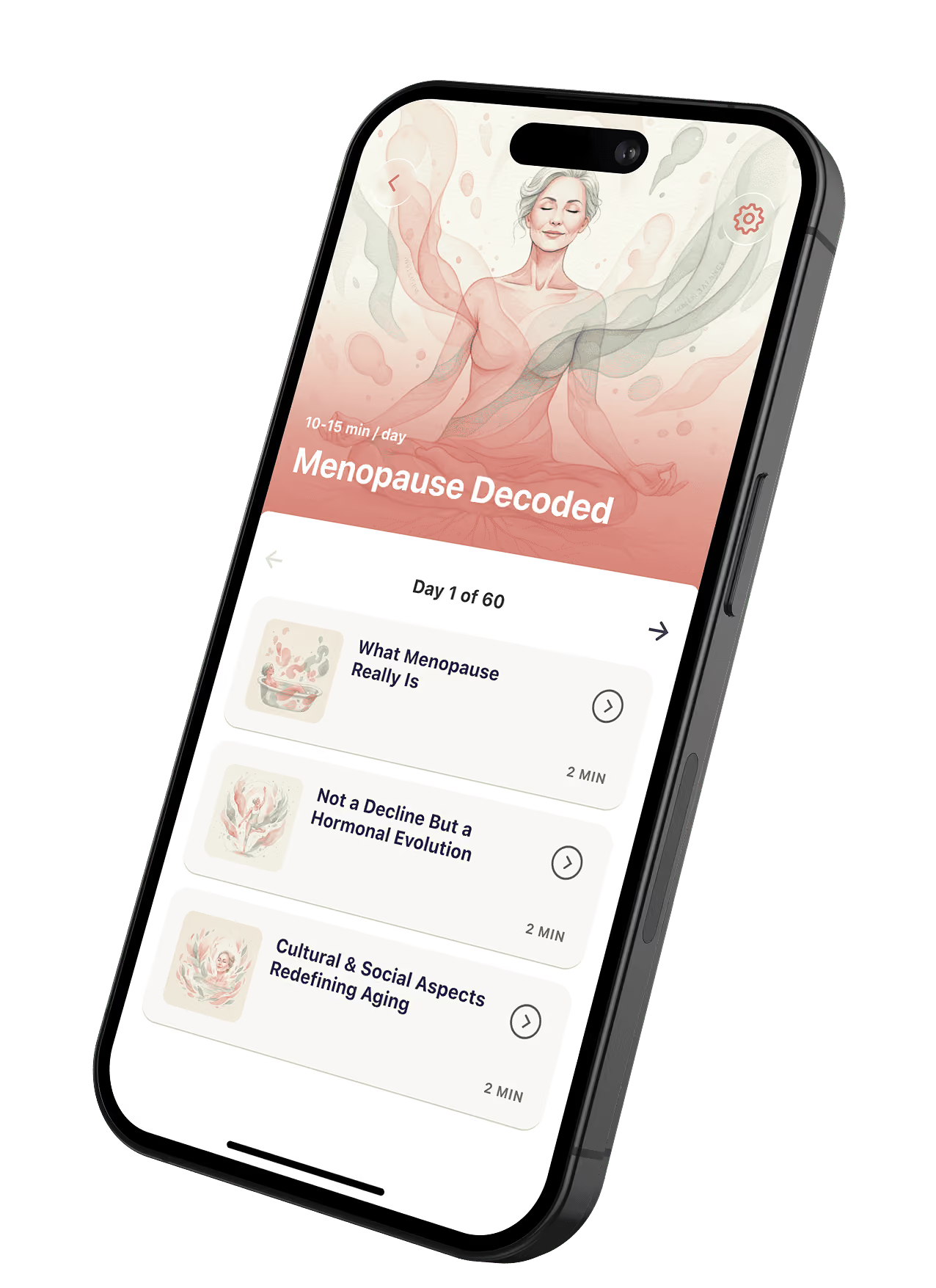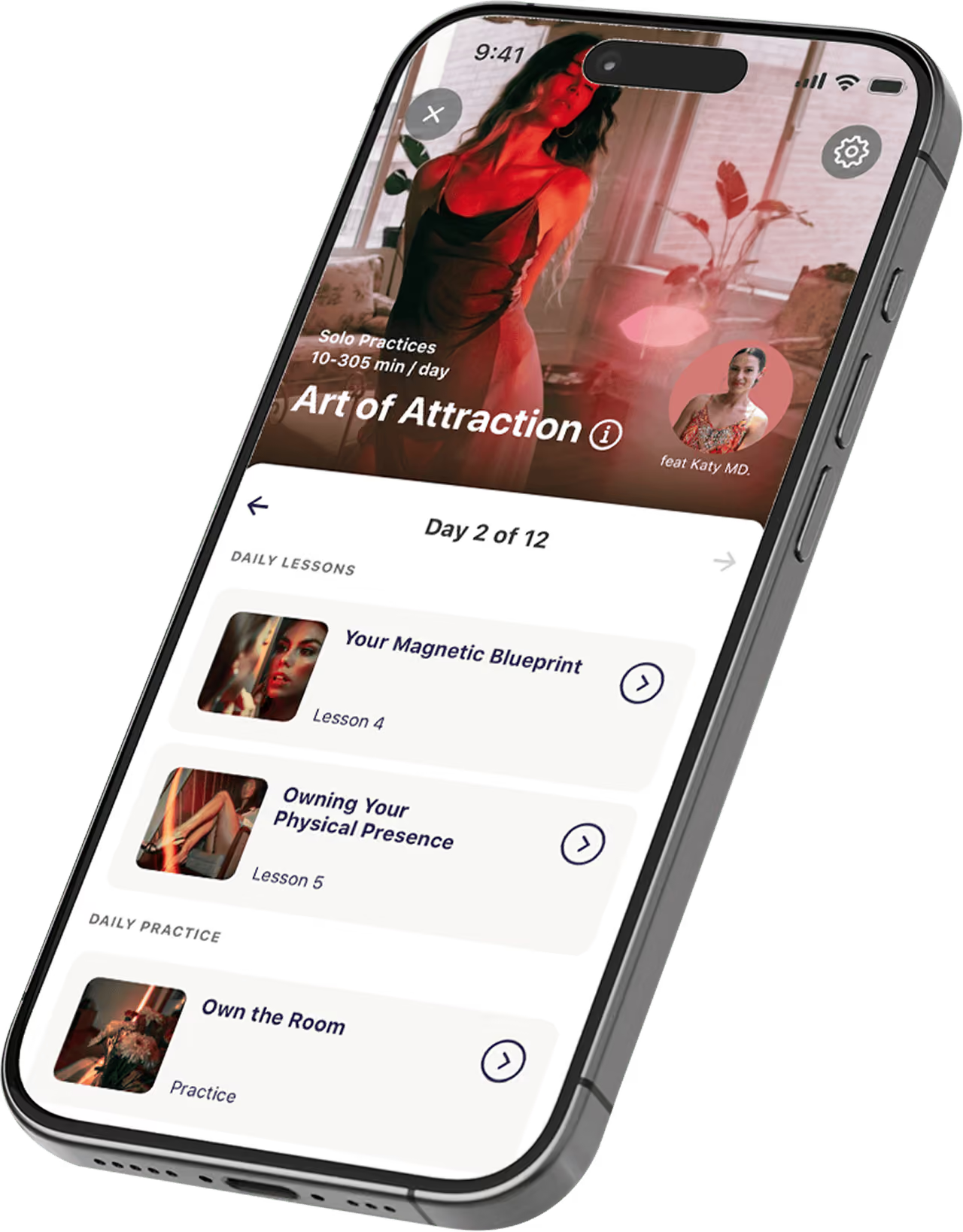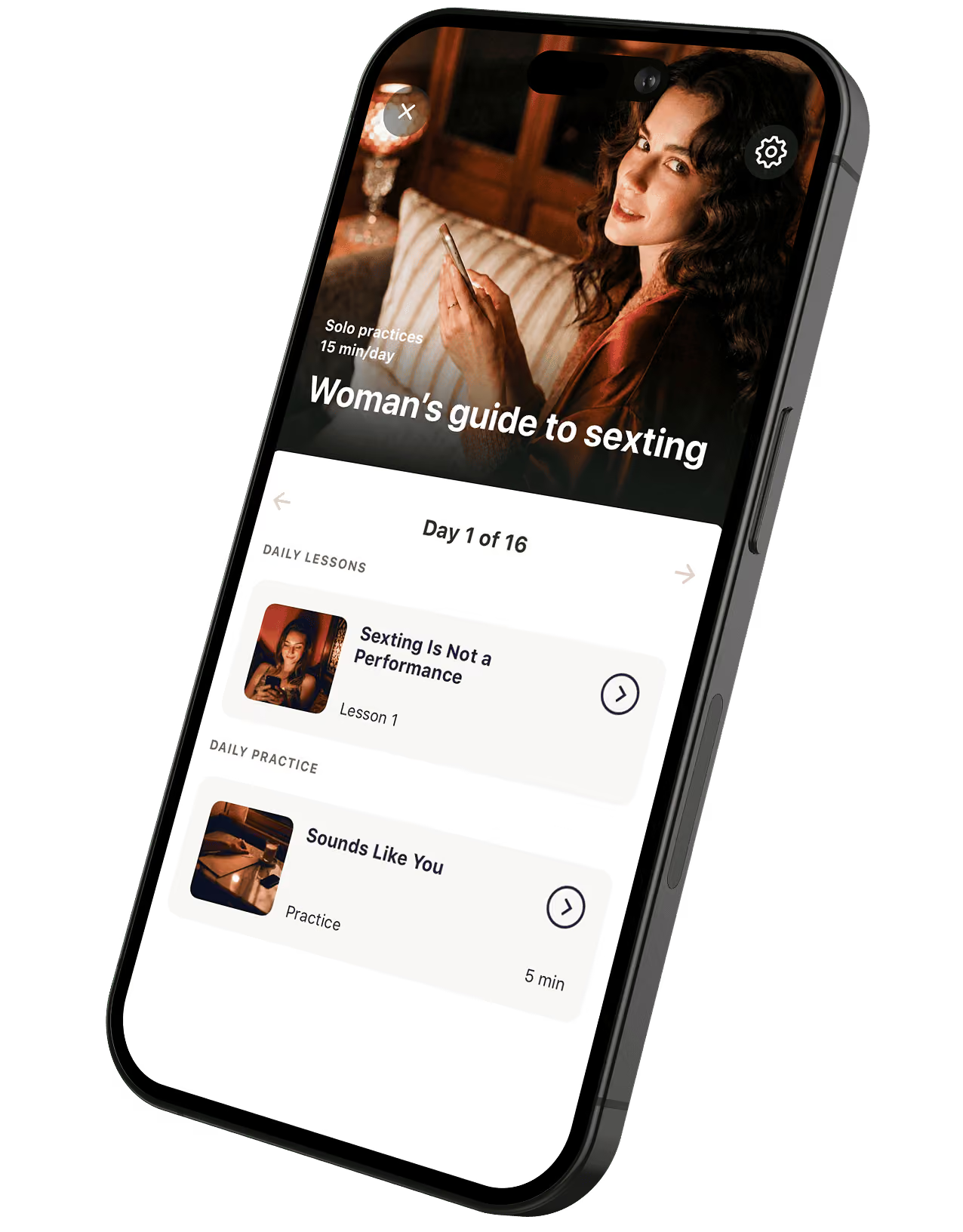
Perimenopause can make it harder to fall asleep or stay asleep, with or without night sweats. A steady wake-up time and a calmer evening are useful starting points; ongoing insomnia deserves care. Menopause Decoded, a program in The Coach for Her app, helps you understand sleep changes and practice everyday ways to manage stress.
Get my planPerimenopause sleep problems can have several causes. Hormonal changes can affect sleep, and night sweats may wake you. Stress, discomfort and worry about the next day can make it harder to settle again. Repeated poor sleep deserves attention rather than being dismissed as inevitable.
To understand the transition alongside sleep changes, explore what perimenopause is.
These feelings can overlap, but they call for different responses. Naming what you notice can make the next step clearer.
Make the evening less demanding and give yourself a regular opportunity to sleep. These habits can support sleep, but they are not a test you have to pass.
If changing your habits has not helped or poor sleep is making daily life hard, ask for medical support. You do not need to keep trying on your own.
Menopause Decoded explains sleep changes and offers body awareness and stress-management practices to use alongside appropriate care. The quiz can help you choose where to start.
A difficult night does not mean you failed at your routine.
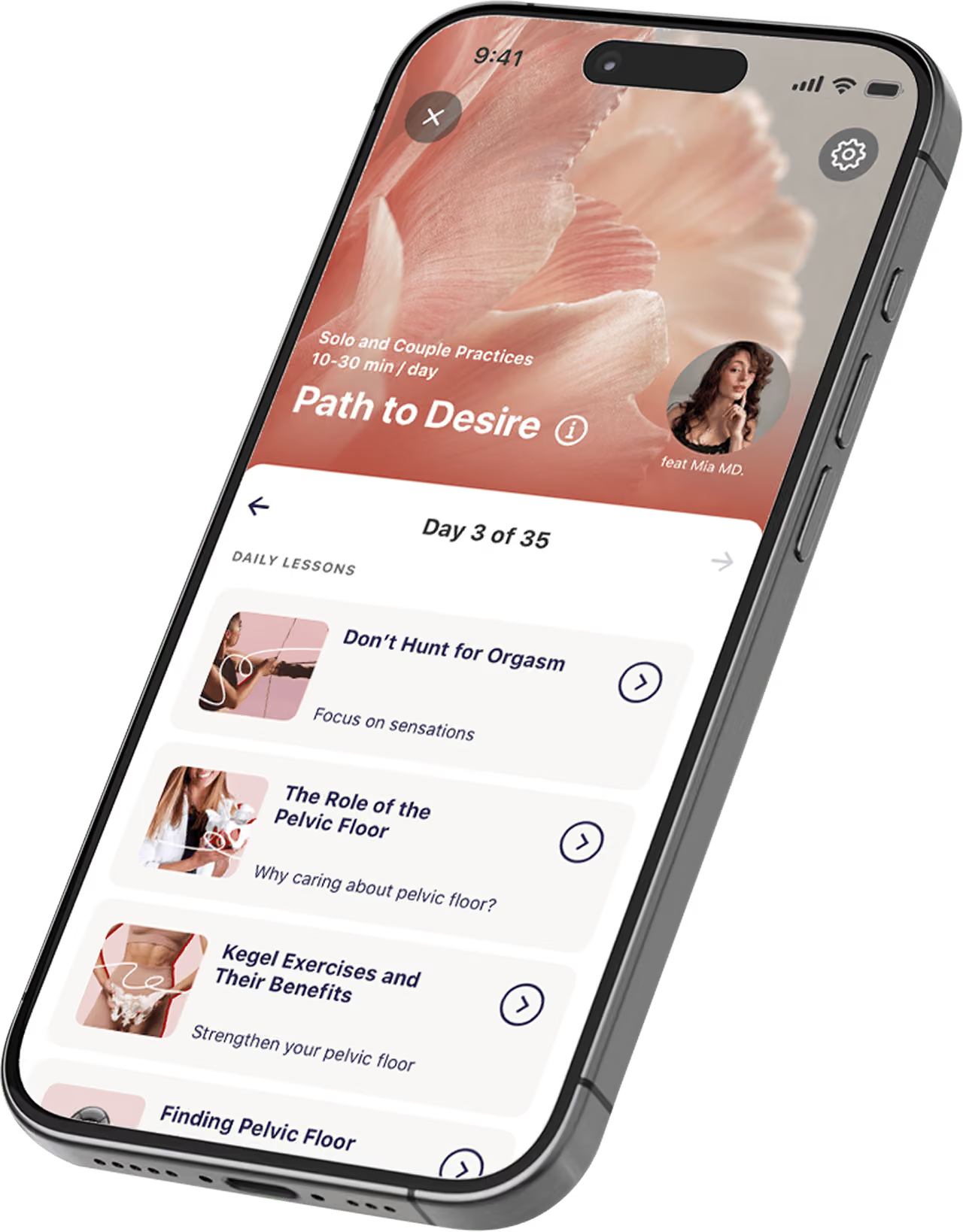
Menopause Decoded includes lessons on sleep and emotions, a guided body awareness practice and exercises for responding to stress. They offer a way to work on everyday coping while you seek care for persistent insomnia.
Learn about sleep disruption during the menopausal transition and how it can interact with mood and daily wellbeing. This is education, not an assessment of your sleep.
A guided body scan helps you notice where you hold tension or discomfort. Your own notes can show what affects your sleep and your day.
Breathing and reflection exercises give you a way to pause when you feel overwhelmed. They can help you cope, though they won’t make a physical symptom go away.
The quiz asks about sleep, mood, stress and energy, as well as intimacy and desire. Your answers help personalize your plan for Menopause Decoded. It is not a diagnostic test.
Seek advice if sleep problems persist, habits are not helping or you are struggling to cope during the day. Mention loud snoring, gasping, restless legs, pain or low mood. A clinician may suggest cognitive behavioral therapy for insomnia (CBT-I), which addresses patterns that keep insomnia going. The program does not provide CBT-I or a sleep diagnosis. Do not drive when sleepy.
For help thinking through low energy during the day, explore menopause fatigue.
From a survey of The Coach users who finished their first four weeks:
You may want to understand your symptoms, make more room for rest or practice managing stress. Use the quiz to find a starting point for your program that reflects what matters to you.
These reviews describe the app and its educational content. They are not evidence that it treats menopause symptoms.
“I was not expecting such a complete app. There’s so much helpful information, practical tips, and exercises. I also love that it’s focused not just on sex, but on women’s health as a whole. I’m really excited to dive deeper into everything the app has to offer.”
“I recently started using The Coach (for her) and am so pleased so far. The information included is educational and also so fun. I love that the lessons are broken down into small lessons making it easy to learn in whatever time you have, whether that be minutes or hours.”
“I love this app because it has useful, science-backed information presented in an interesting way. No stigma, no shame - just a lot of useful information and exercises. Highly recommend”
“Very approachable. I hadn't ever used an app like this but I feel like it has given me perspective about my own body and has enhanced intimacy. Educational and engaging, I am enjoying it.”
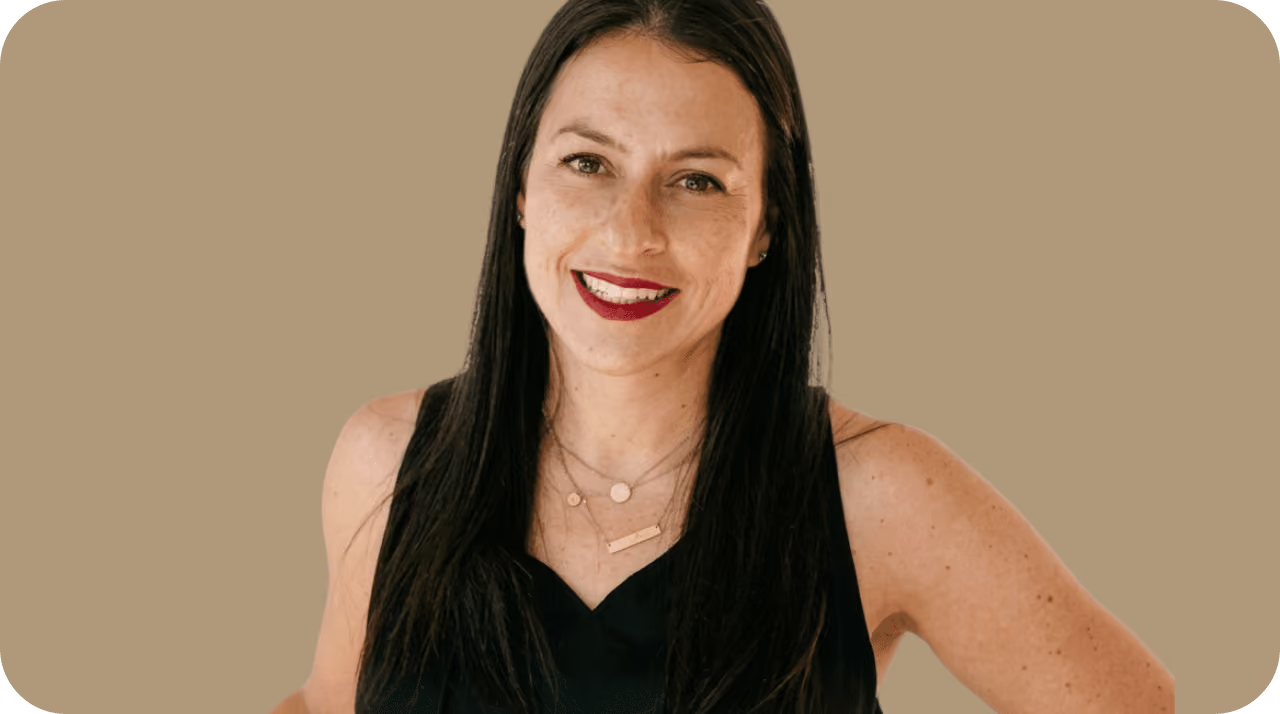
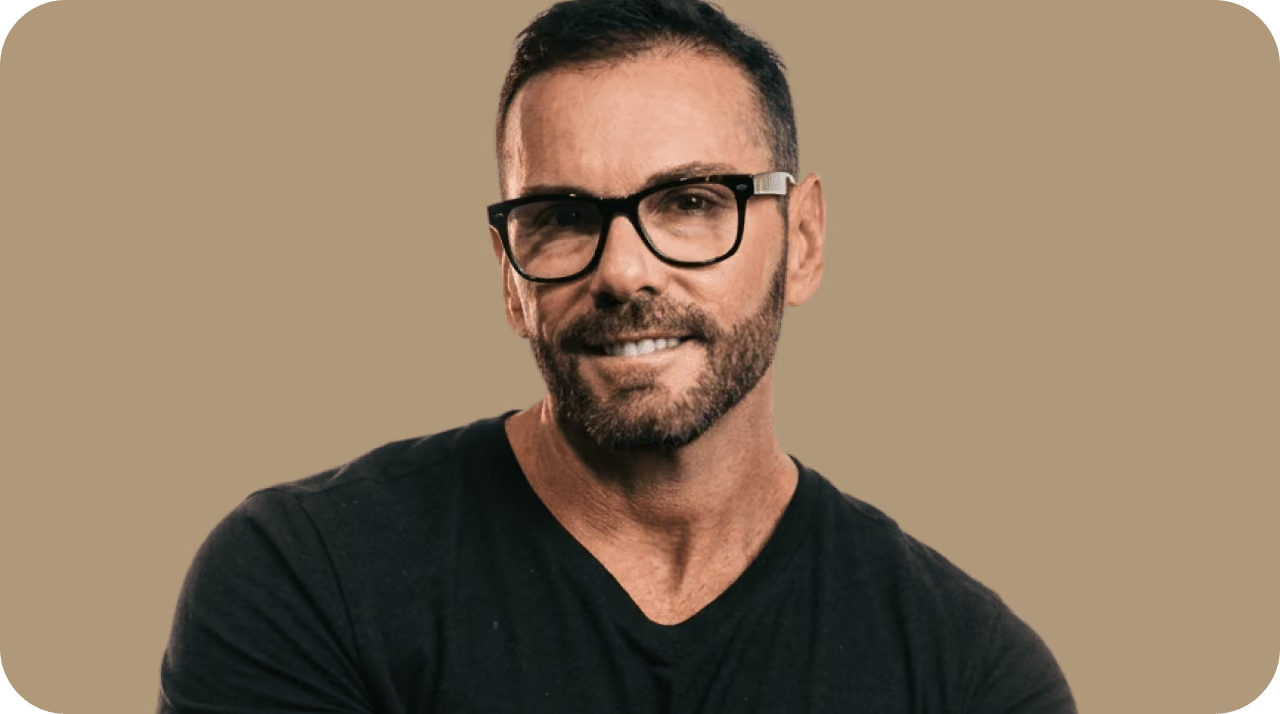
Clinical researchers, certified sex therapists and medical professionals, among them an OB-GYN and a sleep medicine specialist.
Dr. Jessica Yih
Urologist and director of women's sexual health and male infertility at UCI.
Dr. Kirti S. Patel
Board-certified ob/gyn and host of The Gynarchy, a women's-health podcast.
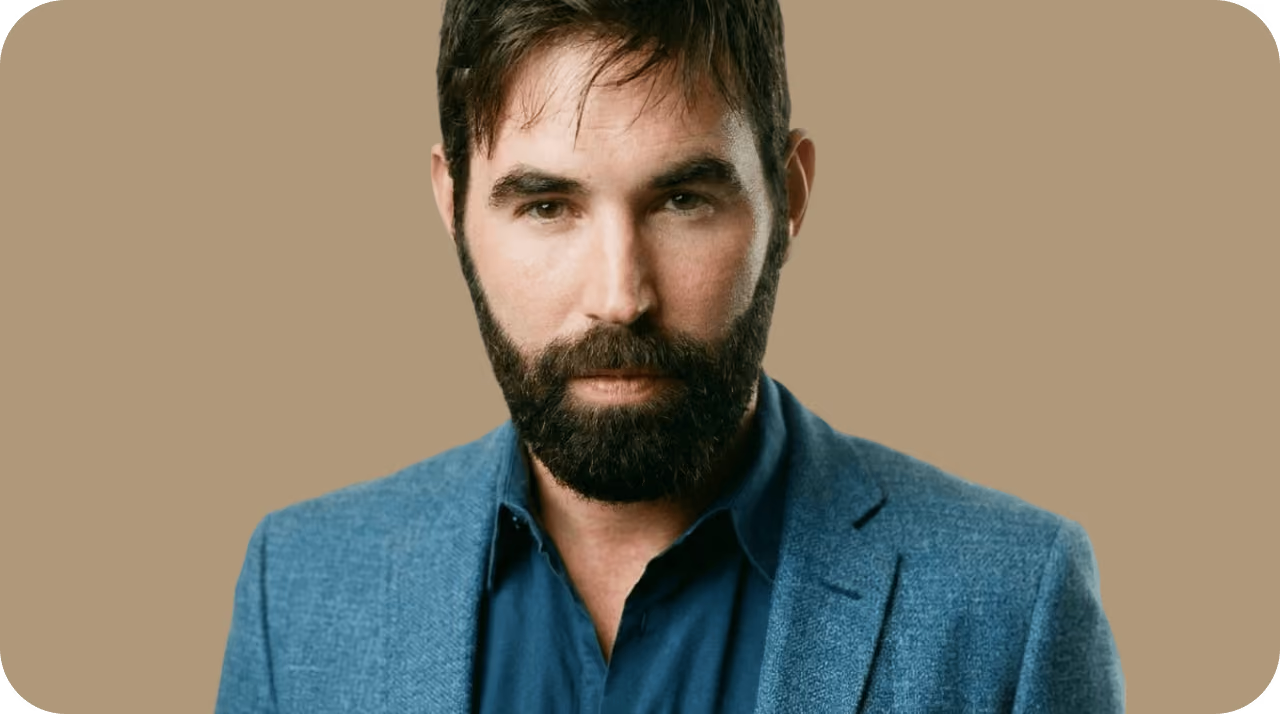
Dr. Justin Lehmiller
PhD in social psychology and senior research fellow at the Kinsey Institute.
Dr. Paula Hall
Accredited sexual and relationship psychotherapist, registered with leading professional bodies in psychotherapy.
Natalie Goldberg
Certified sex and family therapist dedicated to improving intimate relationships and personal well-being.
Dr. Gary Shlifer
DO, board-certified internal medicine physician specializing in preventative care, nutrition, and anti-aging.
Dr. Joshua Roland
MD, sleep medicine specialist, and clinical instructor at the David Geffen School of Medicine, UCLA.
Rick Brennan
Certified personal trainer, strength coach, sports nutritionist, and professional WFF athlete.
Yes. Sleep changes can start during perimenopause while you still have periods. Insomnia alone does not show whether you are in perimenopause, and other causes may need assessment.
There is no reliable deadline for an individual. Sleep problems may come and go or persist, including after menopause. Ask for help based on how sleep is affecting you rather than waiting for the transition to finish.
Waking at a particular hour does not identify a hormone problem. Heat, stress, discomfort and other sleep disturbances can all play a part. Note the pattern and other symptoms if it keeps happening.
A quieter evening, gentle breathing and less clock-watching can reduce pressure around sleep. If anxiety or insomnia persists, seek professional support. Relaxation can be useful without being a complete treatment.
Yes. Night sweats are one possible reason for disrupted sleep, not a requirement. Mention other changes such as pain, snoring, low mood or restless legs when asking for help.
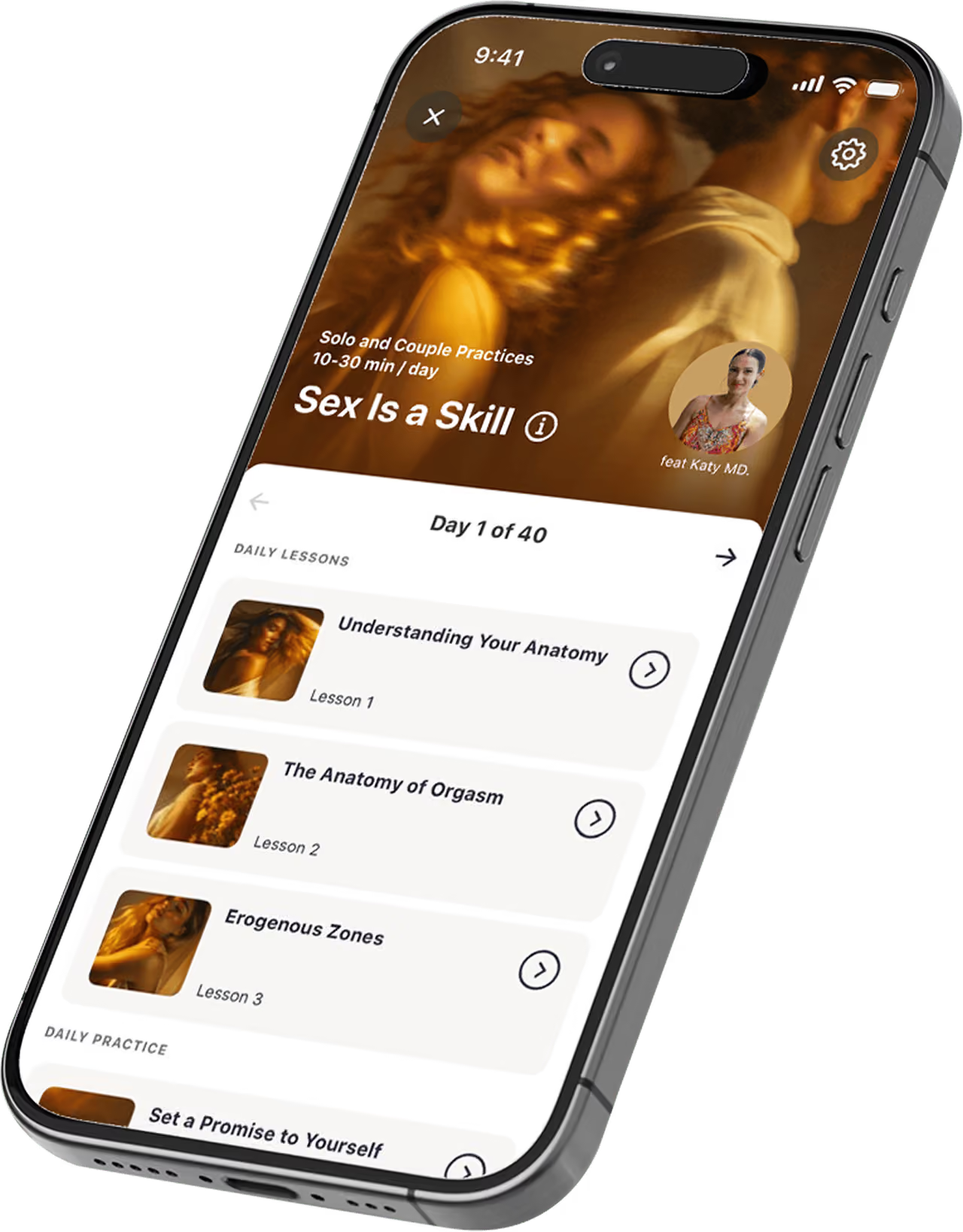
The program explains the menopausal transition and offers practices for body awareness, stress and everyday wellbeing, along with lessons on sleep, food and movement. It does not identify the cause of a symptom or replace medical care.
The Coach for Her covers intimate wellbeing as well as sleep, mood, stress and energy. The questions help personalize your program plan. The quiz cannot diagnose menopause or tell you which treatment you need.