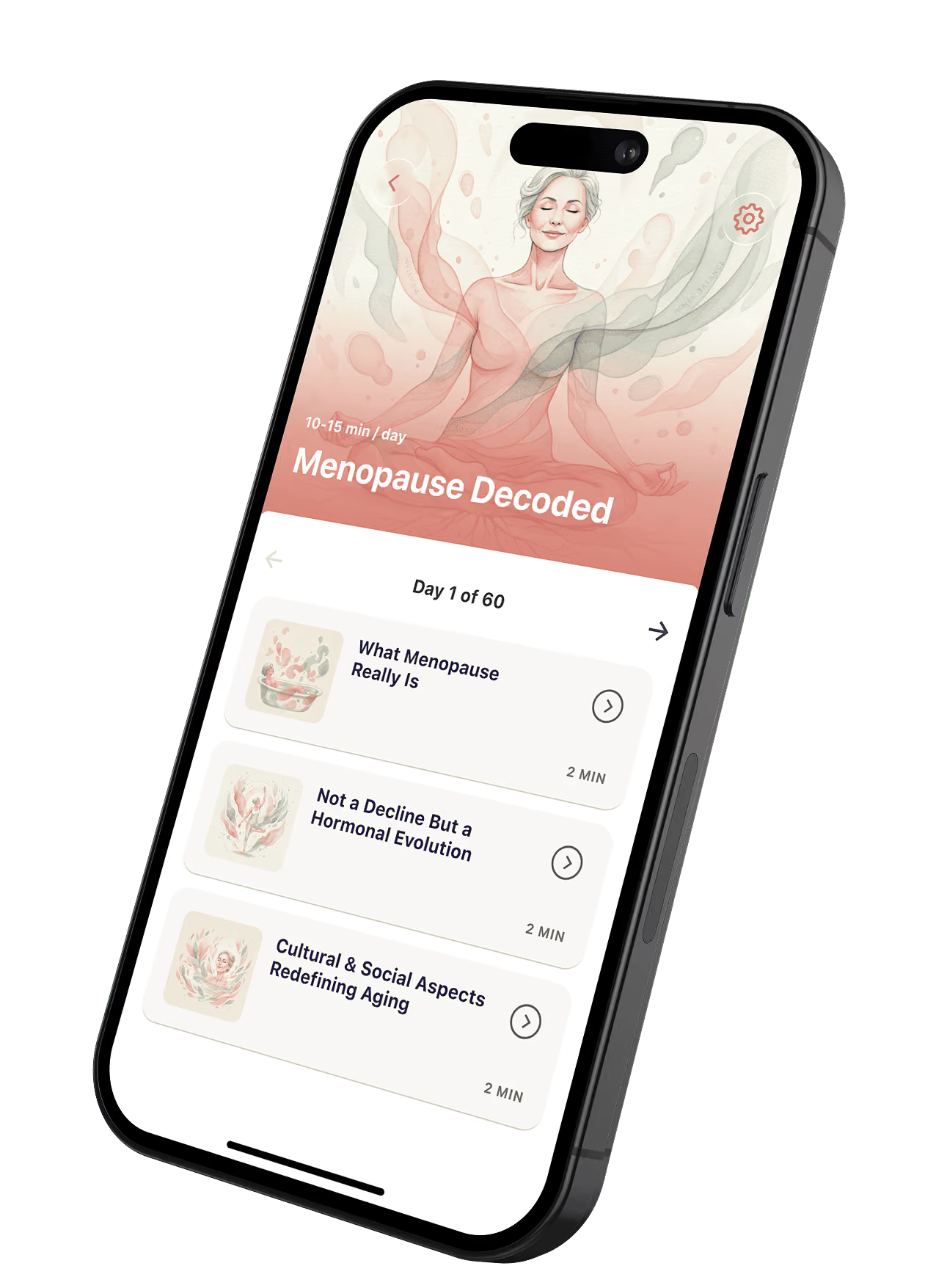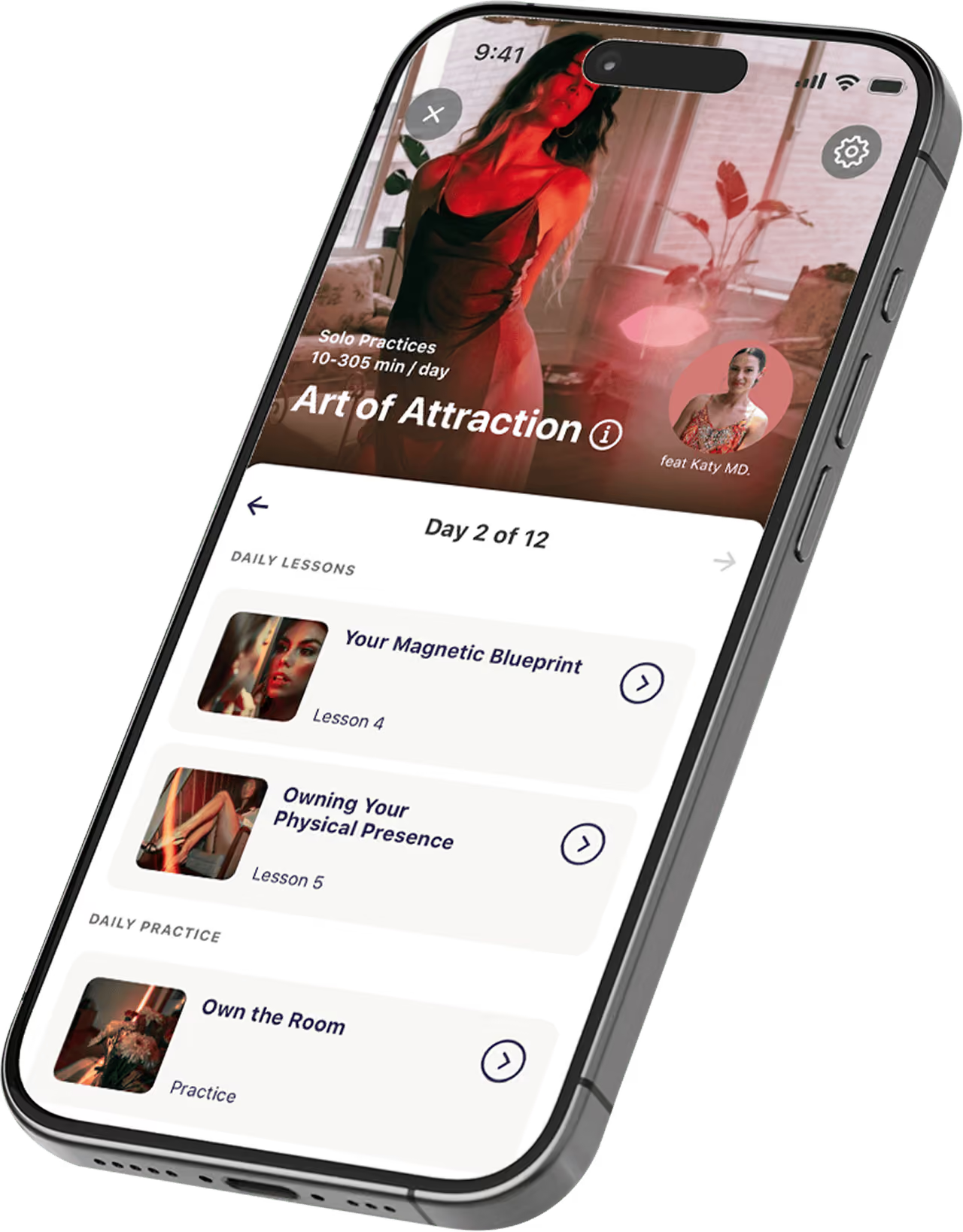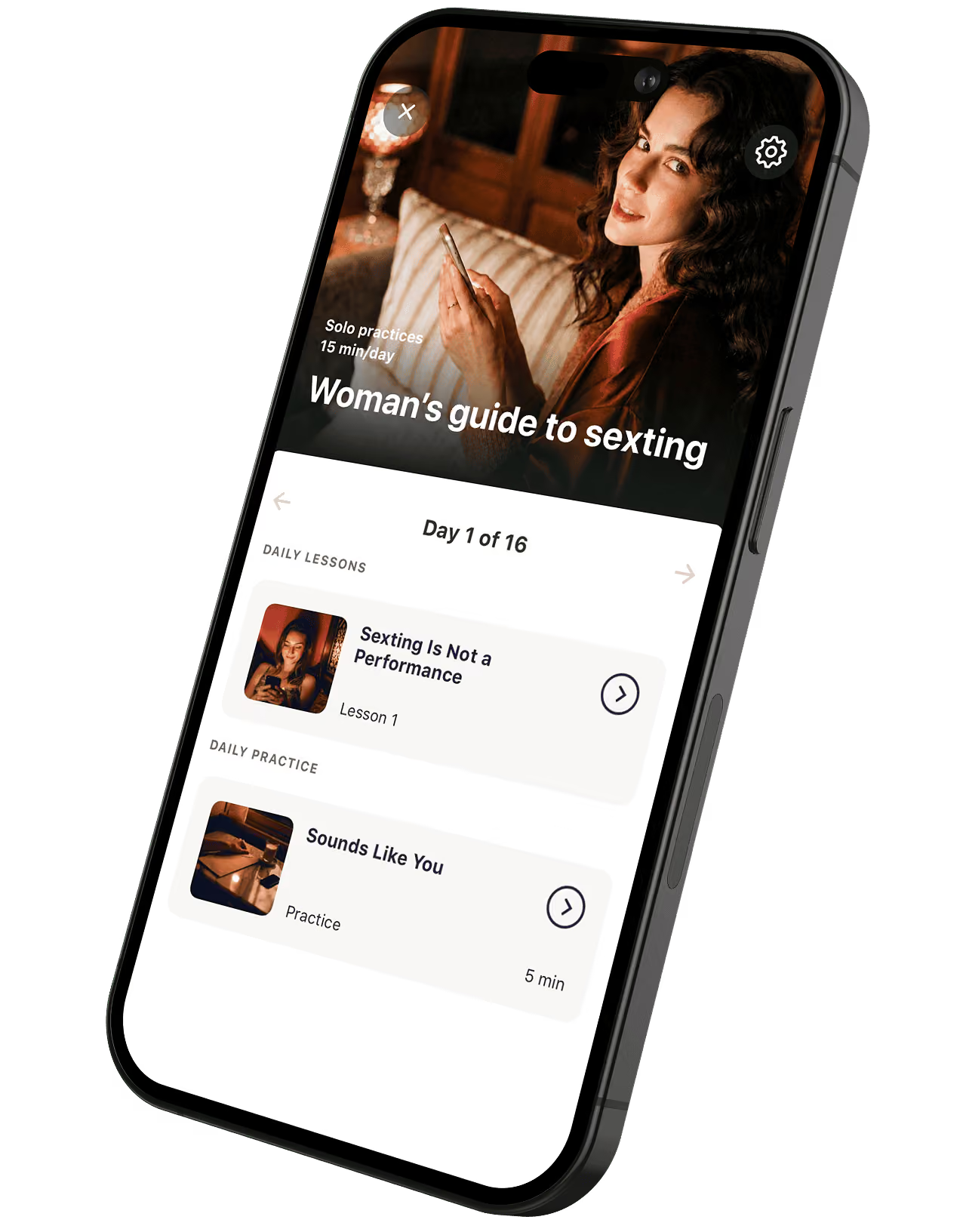
Painful sex after menopause can be linked to vaginal dryness and tissue changes, but other causes need checking too. Stop anything that hurts; lubricant and slower, wanted touch may help with friction. Recurrent pain or any bleeding after menopause needs medical advice. Menopause Decoded, a program in The Coach for Her app, explains these changes and ways to care for your comfort.
Get my planLower estrogen can leave vaginal tissues thinner, drier and less elastic. This can make friction or penetration uncomfortable. Vaginal and urinary changes linked to menopause are often called genitourinary syndrome of menopause, or GSM. Pain alone does not tell you its cause.
Some changes begin before periods stop. Learn more about perimenopause.
Vaginal dryness after menopause may need care between sexual activity as well as during it. Choose products intended for this use, follow their instructions and stop using anything that irritates you.
If you want sexual contact, agree that comfort comes before penetration or orgasm. You can change what you do or stop at any point. These adjustments may reduce friction and pressure; they do not replace assessment of recurring pain.
To learn more about comfort, desire and the menopausal transition, the quiz helps personalize your Menopause Decoded plan.
You can want closeness and still say no to a movement that hurts. You don’t need to endure pain to stay intimate.
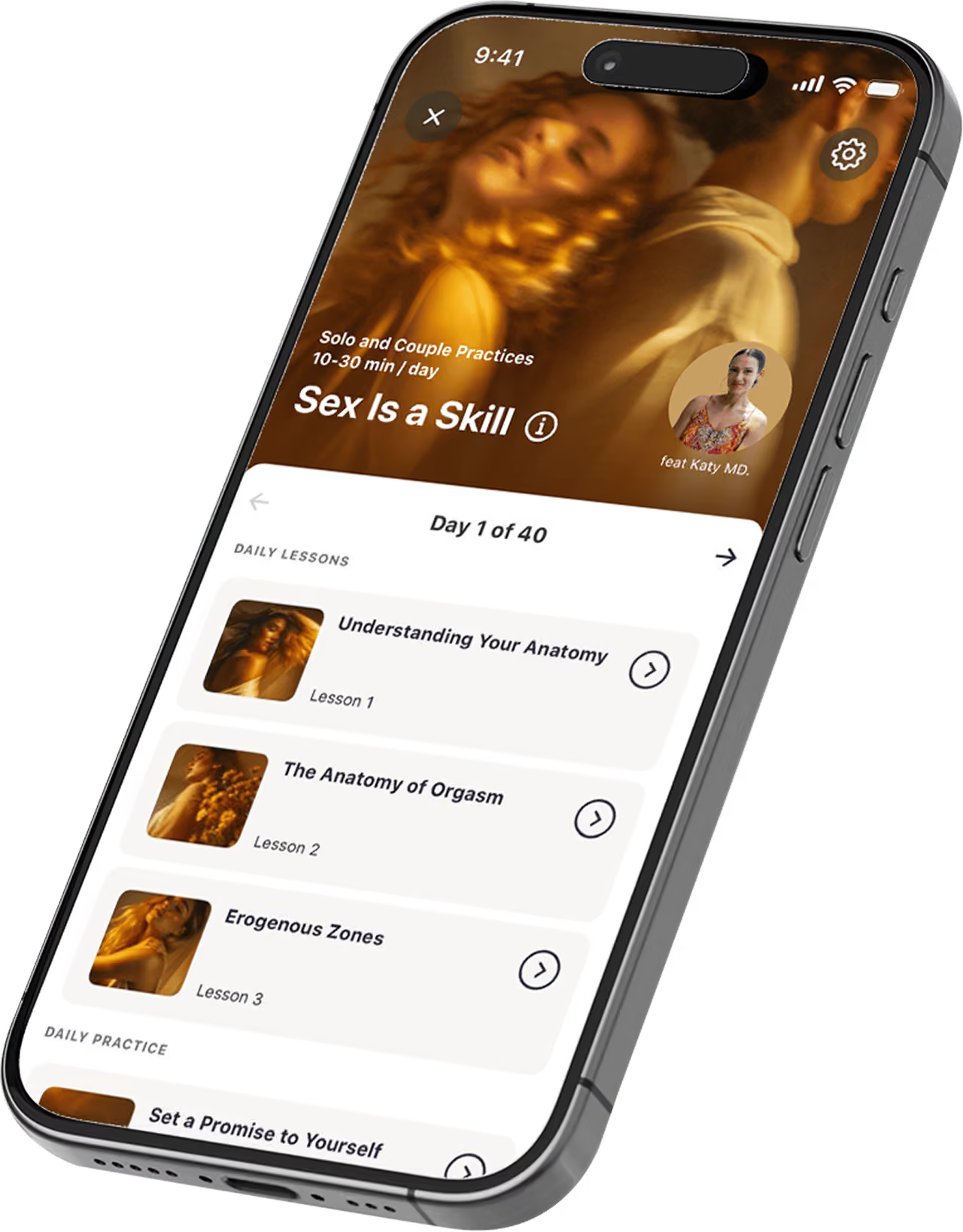
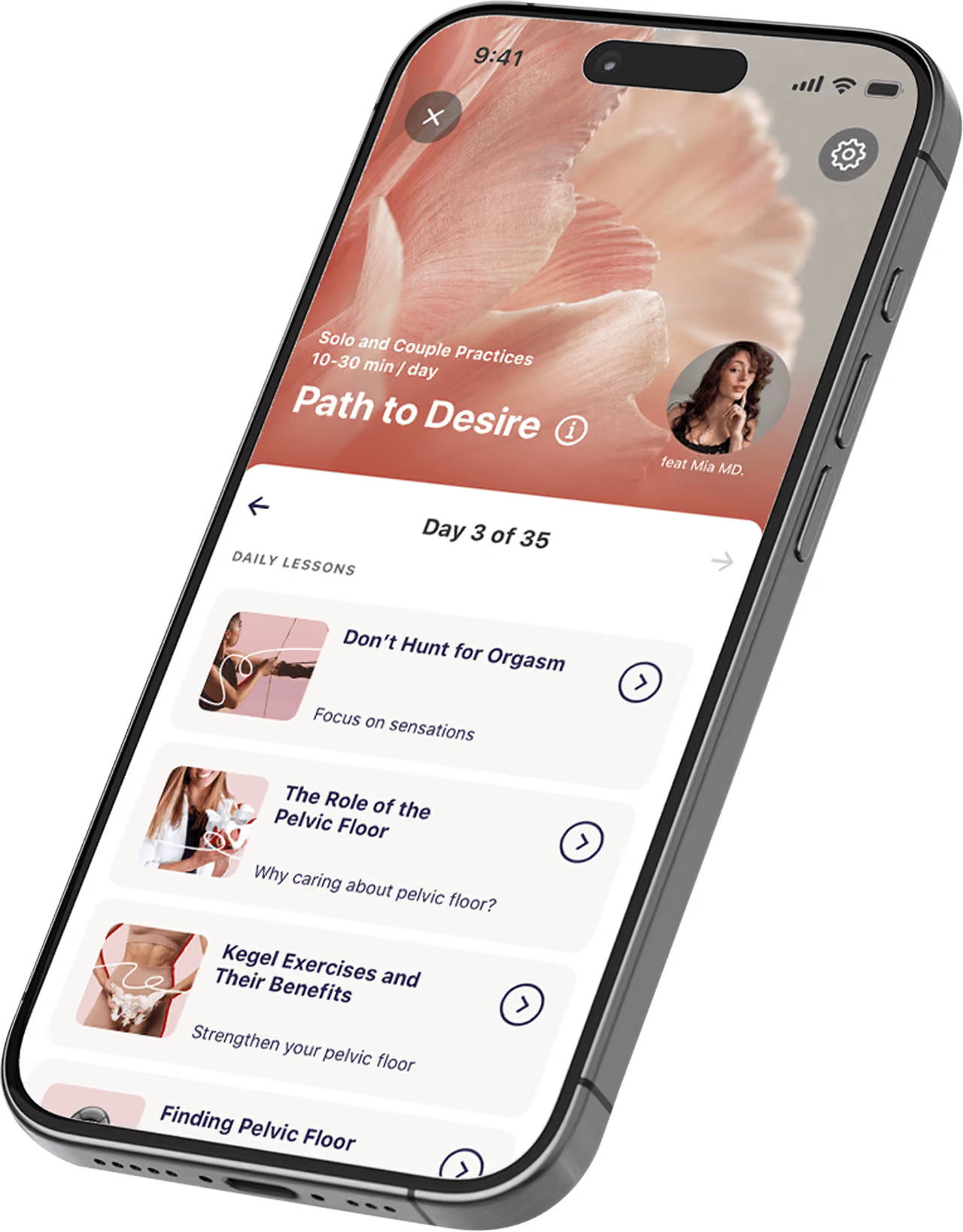
The program explains physical changes, desire and everyday wellbeing during menopause. It helps you understand the options and describe what you’re experiencing. It does not diagnose the cause of pain or provide treatment.
Learn how dryness and tissue changes can affect sensation, and why lubricant and moisturizer have different uses. Recognize when self-care needs medical support.
Learn the difference between spontaneous desire and desire that builds once pleasant, wanted touch has begun. Neither means you have to continue, and feeling aroused never makes pain something to ignore.
A guided body-awareness practice helps you notice how you feel, and breathing exercises offer a way to pause. These are wellbeing practices, not a treatment for pelvic-floor pain.
The quiz asks about intimacy and desire alongside sleep, mood, stress and energy. Your answers help personalize your Menopause Decoded plan. The quiz cannot identify the cause of painful sex or choose medical treatment.
Desire sometimes appears after enjoyable touch has begun, rather than before it. This is called responsive desire. Explore only if you want to, with no pressure to continue. If contact hurts, address the pain instead of trying to become more aroused or blaming yourself for low desire.
For more on how desire can develop after welcome touch, explore responsive desire.
From a survey of The Coach users who finished their first four weeks:
If you want to understand comfort, desire and changes in your body, the quiz can help you find a starting point in the program. Medical assessment remains the next step for recurring pain.
These reviews describe the app and its educational content. They are not evidence that it treats menopause symptoms.
“I was not expecting such a complete app. There’s so much helpful information, practical tips, and exercises. I also love that it’s focused not just on sex, but on women’s health as a whole. I’m really excited to dive deeper into everything the app has to offer.”
“I recently started using The Coach (for her) and am so pleased so far. The information included is educational and also so fun. I love that the lessons are broken down into small lessons making it easy to learn in whatever time you have, whether that be minutes or hours.”
“I love this app because it has useful, science-backed information presented in an interesting way. No stigma, no shame - just a lot of useful information and exercises. Highly recommend”
“Very approachable. I hadn't ever used an app like this but I feel like it has given me perspective about my own body and has enhanced intimacy. Educational and engaging, I am enjoying it.”
Clinical researchers, certified sex therapists and medical professionals, among them an OB-GYN and a sleep medicine specialist.
Dr. Jessica Yih
Urologist and director of women's sexual health and male infertility at UCI.
Dr. Kirti S. Patel
Board-certified ob/gyn and host of The Gynarchy, a women's-health podcast.
Dr. Justin Lehmiller
PhD in social psychology and senior research fellow at the Kinsey Institute.
Dr. Paula Hall
Accredited sexual and relationship psychotherapist, registered with leading professional bodies in psychotherapy.
Natalie Goldberg
Certified sex and family therapist dedicated to improving intimate relationships and personal well-being.
Dr. Gary Shlifer
DO, board-certified internal medicine physician specializing in preventative care, nutrition, and anti-aging.
Dr. Joshua Roland
MD, sleep medicine specialist, and clinical instructor at the David Geffen School of Medicine, UCLA.
Rick Brennan
Certified personal trainer, strength coach, sports nutritionist, and professional WFF athlete.
No. Pain is a reason to pause and look for the cause, not something you need to endure. Dryness is one possible contributor, but recurring pain should be assessed so you can discuss suitable options.
Dyspareunia is the medical term for pain associated with sexual intercourse. It describes a symptom, not a diagnosis of the cause, and it can occur before or after menopause.
Arrange a medical appointment if pain or dryness persists. A clinician can check for other causes and discuss options such as local vaginal estrogen when appropriate for your medical history. Don’t keep trying painful penetration while waiting for help.
Not automatically. Pelvic-floor muscles can be tense, weak or have difficulty coordinating. A pelvic-health physiotherapist can assess what is happening and whether relaxation, strengthening or another approach is appropriate.
Yes. Changes in vaginal tissues can affect lubrication even when you want sex. Lubricant may help reduce friction, but persistent discomfort needs assessment. Dryness alone does not tell you how much desire you feel.
The program explains the menopausal transition and offers practices for body awareness, stress and everyday wellbeing, along with lessons on sleep, food and movement. It does not identify the cause of a symptom or replace medical care.
The Coach for Her covers intimate wellbeing as well as sleep, mood, stress and energy. The questions help personalize your program plan. The quiz cannot diagnose menopause or tell you which treatment you need.