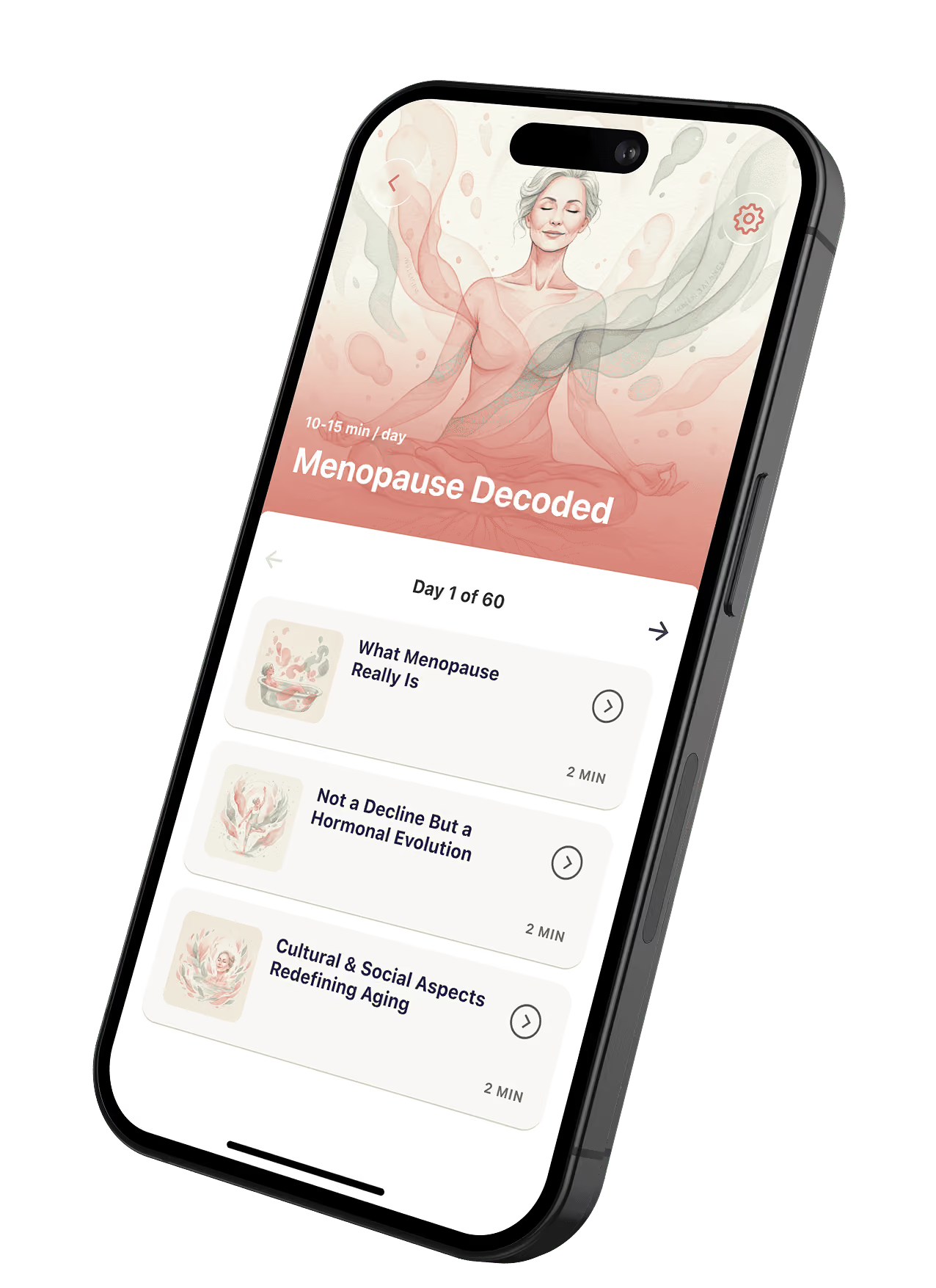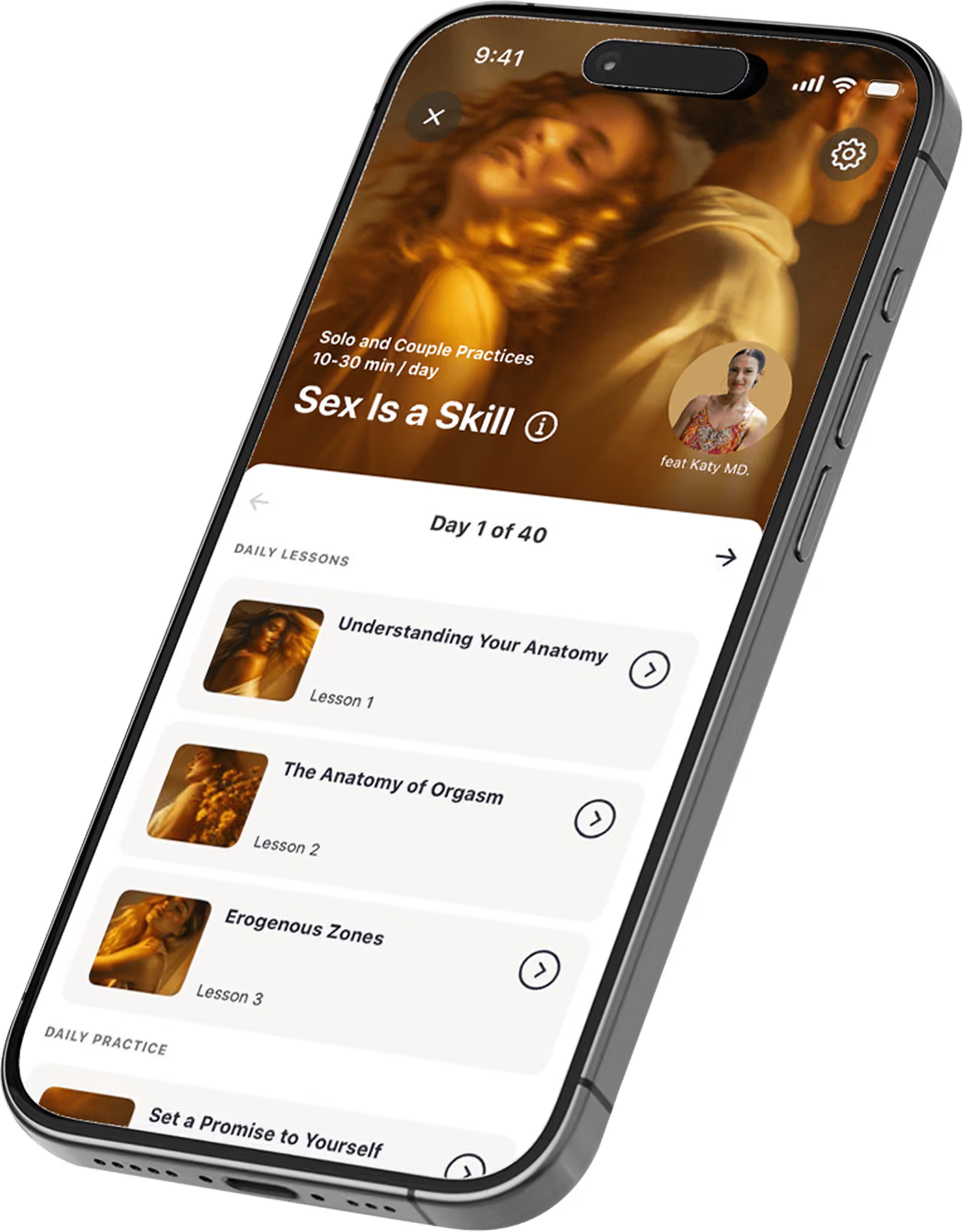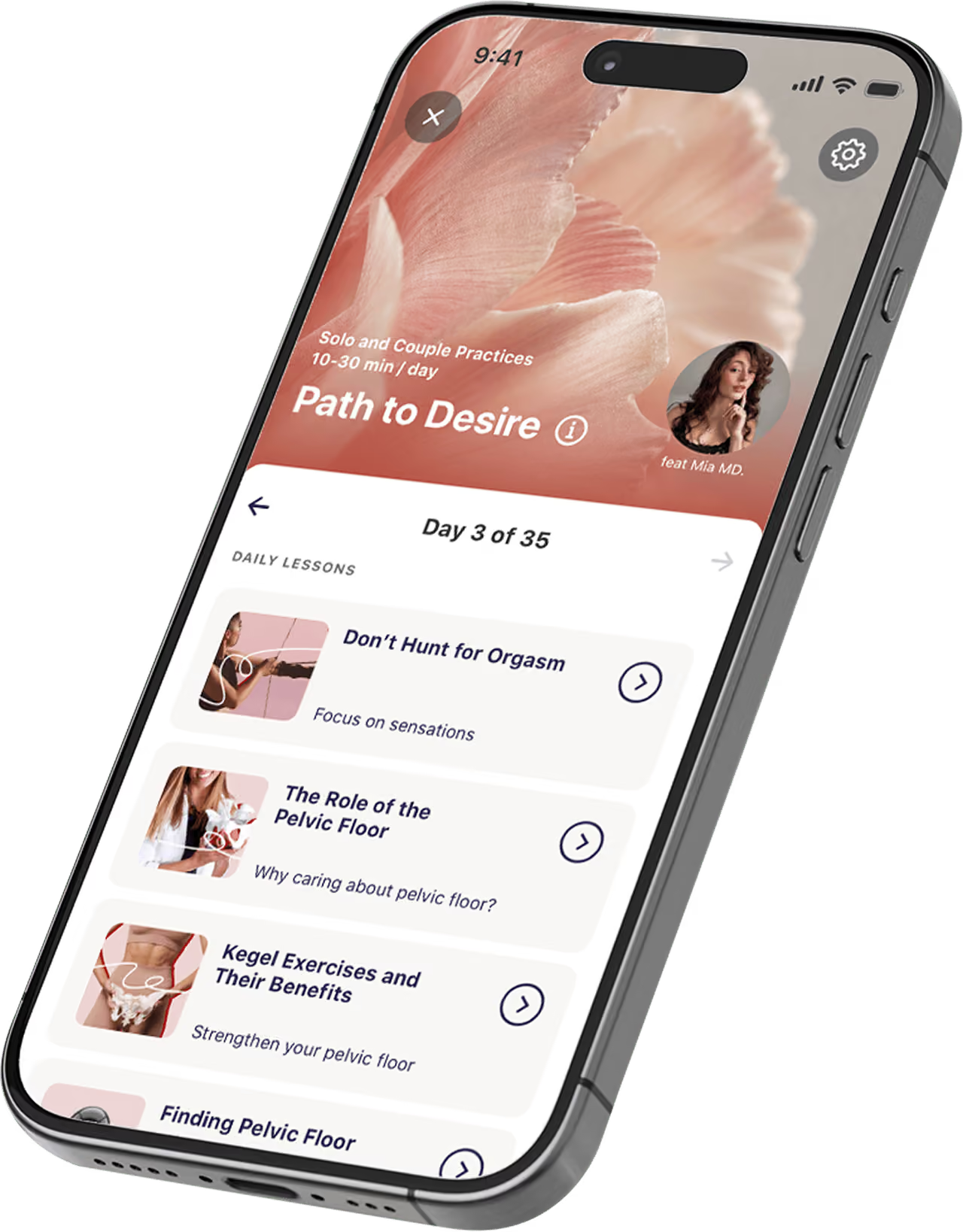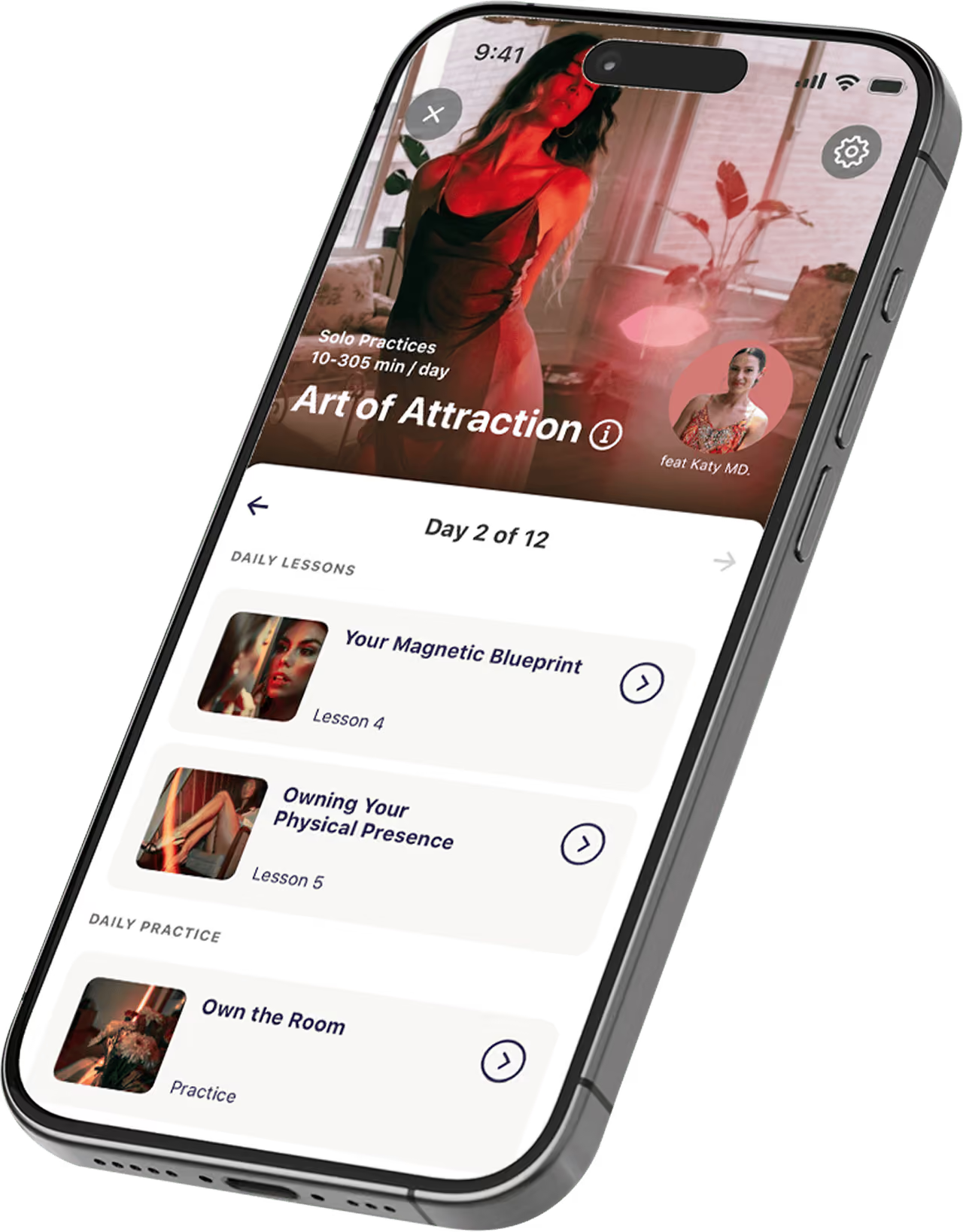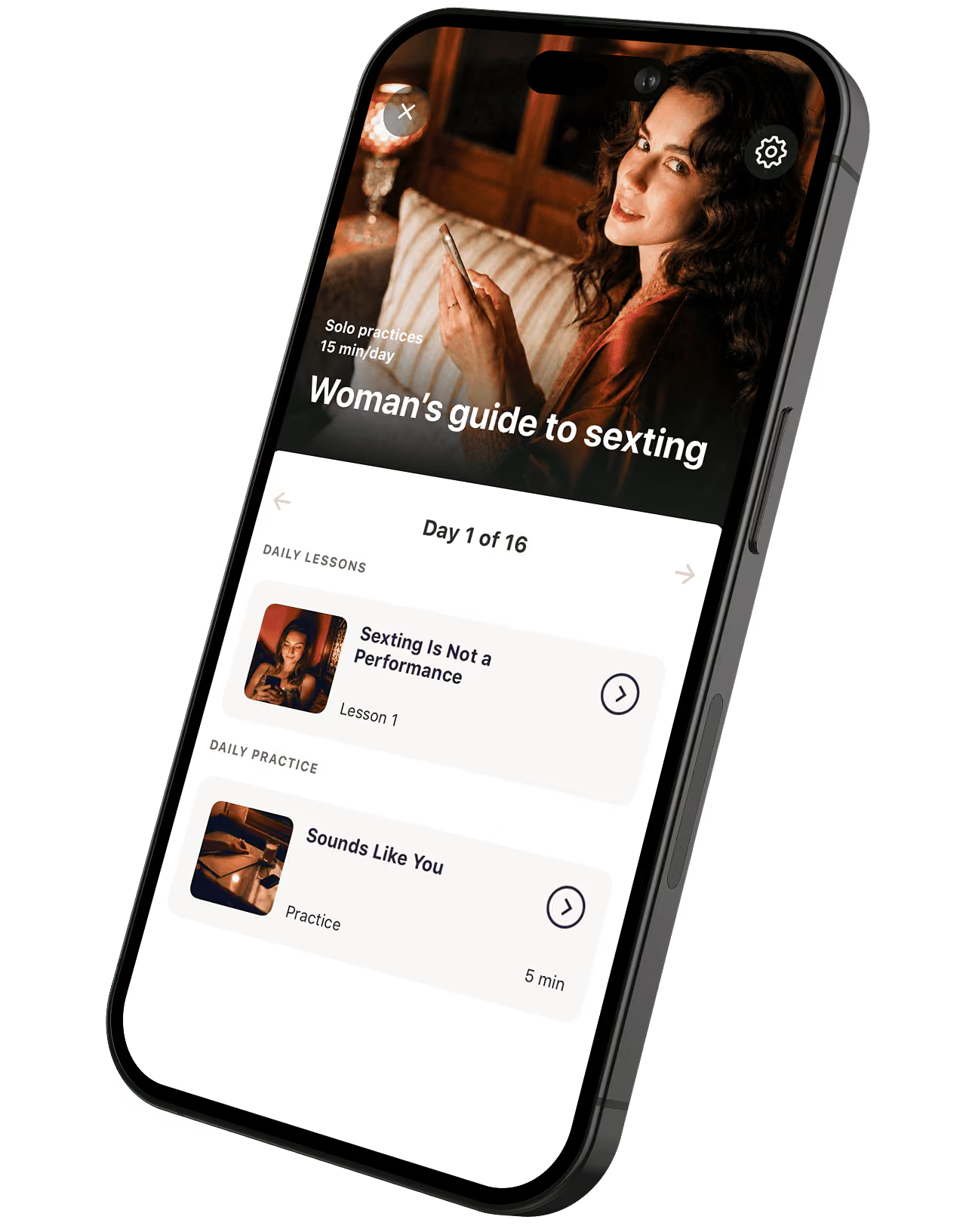
A menopause diet can be built from familiar foods: protein, vegetables, fruit, whole grains and other fiber-rich choices. You do not need a special food that promises to balance hormones. Use a flexible meal plan to make eating well easier. Menopause Decoded, a program in The Coach for Her app, includes food lessons and a practice for rebuilding one meal.
Get my planAim for variety and enough food to support your day. A useful meal combines a protein source, vegetables or fruit, a fiber-rich carbohydrate and some fat. The amounts depend on your appetite, activity and health needs.
If you are still having periods, learn more about perimenopause and the changes it can bring.
You can begin with what is already in your kitchen. A small change to a regular meal is often easier to repeat than a completely new menu.
These are meal ideas, not a calorie prescription or a promise of weight loss in five days. Adjust portions, add snacks when you need them and swap foods for allergies or preferences. If you have diabetes, kidney disease or another condition affecting your diet, ask a clinician or dietitian how to adapt the plan.
To keep practicing meal planning alongside lessons on movement, sleep and stress, use the quiz to choose a starting point for your program.
A useful meal plan is one you can adapt, enjoy and repeat.
Menopause Decoded explains food choices during this transition and gives you a way to apply them to meals you already eat. The meal-planning practice connects a grocery guide with a simple task: rebuild one meal, then plan a few dishes for the week.
Learn the roles of protein, fiber, fats and varied plant foods, without treating a single ingredient as the answer to menopause.
Look at a usual breakfast or dinner and decide what to add or change. This is a practice you do yourself, not an automatically generated diet.
Use the food-group guide to choose ingredients for meals you plan to make. Keep your own list and adapt it to your preferences.
The quiz asks about sleep, mood, stress and energy, as well as intimacy and desire. Your answers help personalize your plan for Menopause Decoded. It is not a diagnostic test.
Some gut bacteria help process estrogens. The estrobolome is the set of genes that allows them to do this. Researchers are studying its relationship with menopause, but that does not show that a particular menu can reset your hormones.
For everyday eating, focus on a range of plant foods and fiber you tolerate. Plain yogurt or other fermented foods are fine to include if you enjoy them, but don’t expect them to correct estrogen levels. Increase fiber gradually and get advice about persistent digestive symptoms.
If your main concern is a change in waist size, read about menopause belly.
From a survey of The Coach users who finished their first four weeks:
Meal planning can be your first step, alongside whatever else is affecting your day. The quiz helps personalize a Menopause Decoded plan; it does not calculate a clinical diet or a weight-loss target.
These reviews describe the app and its educational content. They are not evidence that it treats menopause symptoms.
“I was not expecting such a complete app. There’s so much helpful information, practical tips, and exercises. I also love that it’s focused not just on sex, but on women’s health as a whole. I’m really excited to dive deeper into everything the app has to offer.”
“I recently started using The Coach (for her) and am so pleased so far. The information included is educational and also so fun. I love that the lessons are broken down into small lessons making it easy to learn in whatever time you have, whether that be minutes or hours.”
“I love this app because it has useful, science-backed information presented in an interesting way. No stigma, no shame - just a lot of useful information and exercises. Highly recommend”
“Very approachable. I hadn't ever used an app like this but I feel like it has given me perspective about my own body and has enhanced intimacy. Educational and engaging, I am enjoying it.”
Clinical researchers, certified sex therapists and medical professionals, among them an OB-GYN and a sleep medicine specialist.
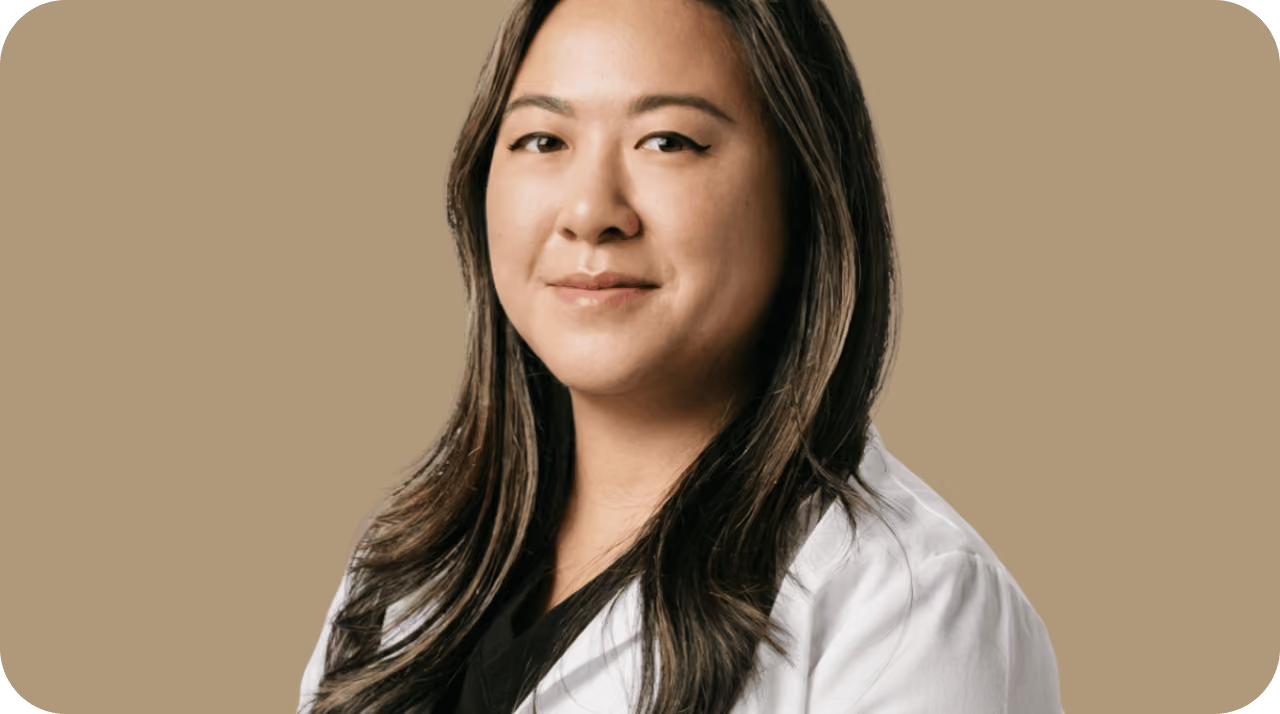
Dr. Jessica Yih
Urologist and director of women's sexual health and male infertility at UCI.
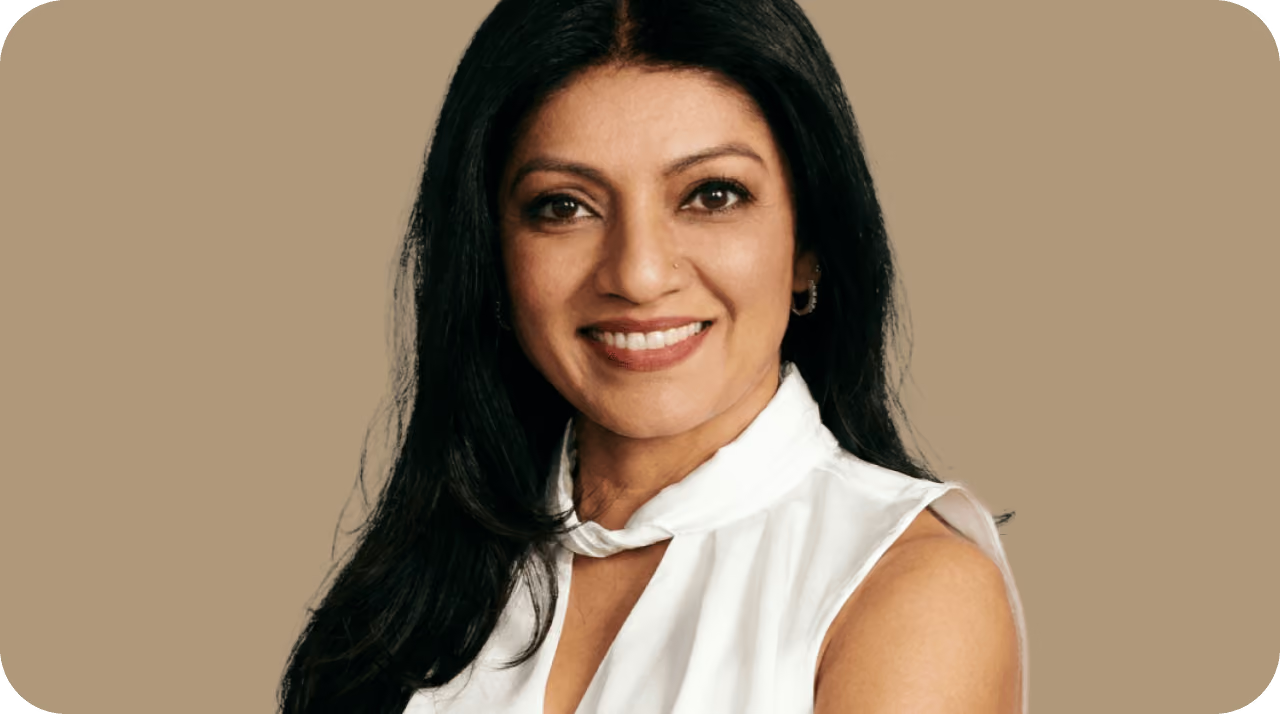
Dr. Kirti S. Patel
Board-certified ob/gyn and host of The Gynarchy, a women's-health podcast.
Dr. Justin Lehmiller
PhD in social psychology and senior research fellow at the Kinsey Institute.
Dr. Paula Hall
Accredited sexual and relationship psychotherapist, registered with leading professional bodies in psychotherapy.
Natalie Goldberg
Certified sex and family therapist dedicated to improving intimate relationships and personal well-being.
Dr. Gary Shlifer
DO, board-certified internal medicine physician specializing in preventative care, nutrition, and anti-aging.
Dr. Joshua Roland
MD, sleep medicine specialist, and clinical instructor at the David Geffen School of Medicine, UCLA.
Rick Brennan
Certified personal trainer, strength coach, sports nutritionist, and professional WFF athlete.
The same basic approach can work during both stages: varied meals, adequate protein, fiber and foods that provide calcium. Your health, appetite and preferences matter more than a fixed menu tied to the date of your last period.
Plant foods such as soy contain phytoestrogens, compounds that can interact with estrogen receptors. They aren’t the same as the estrogen your body makes and don’t replace it. Tofu or edamame are fine as everyday foods, but they won’t restore hormone levels.
Five days can help you try meals and organize shopping, but it is too short to promise meaningful, lasting fat loss. Weight management depends on your longer-term eating pattern, activity and health. A dietitian can help you adjust portions without cutting out entire food groups.
Not simply because you are in menopause. These foods can fit a balanced diet. Choose types and portions that suit you, and follow individual advice if you have a condition that affects how you manage carbohydrates.
The program explains the menopausal transition and offers practices for body awareness, stress and everyday wellbeing, along with lessons on sleep, food and movement. It does not identify the cause of a symptom or replace medical care.
The Coach for Her covers intimate wellbeing as well as sleep, mood, stress and energy. The questions help personalize your program plan. The quiz cannot diagnose menopause or tell you which treatment you need.