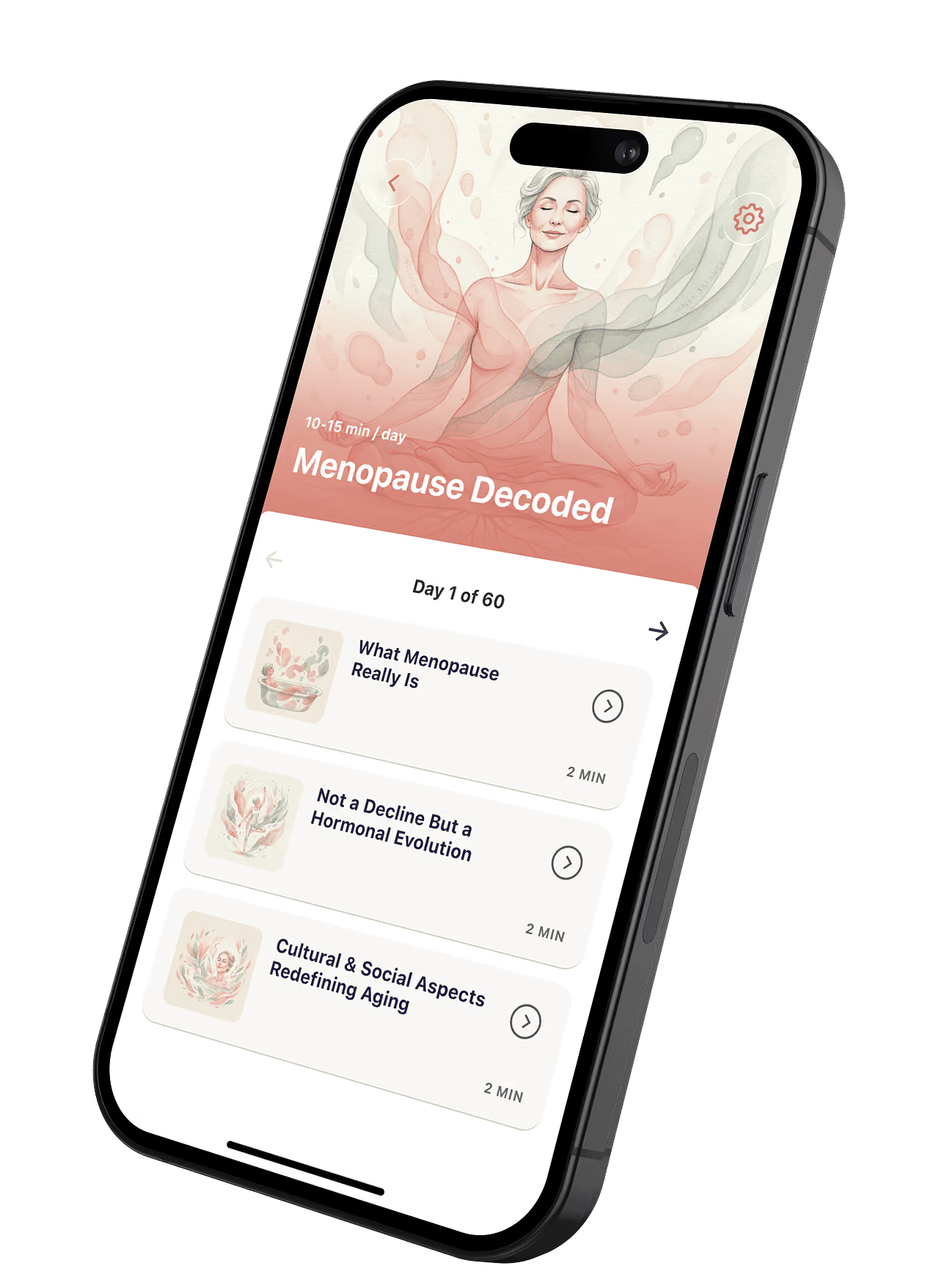
Menopause can change where your body stores fat, so your waist may grow even if your weight barely changes. Strength training, regular movement, balanced meals and sleep can support your health; no exercise removes fat from the belly alone. Menopause Decoded, a program in The Coach for Her app, helps you understand these changes and choose habits you can keep.
Get my planAs estrogen levels fall, fat is more likely to collect around the abdomen. Aging also brings changes in muscle mass and energy needs. Your body shape can change without a large change on the scale, and the explanation is usually broader than one hormone.
For the wider hormonal transition, read what perimenopause is.
A useful routine includes food, movement and recovery. It should leave you able to function and build strength, rather than constantly hungry or exhausted.
Reducing overall body fat may reduce your waist size, but you cannot choose where fat comes off first. Start with changes you can repeat. If you have a health condition, pain or low bone density, get advice before beginning demanding exercise.
If you want help turning these ideas into everyday habits, the quiz helps you find a starting point for Menopause Decoded.
A changing waist is a reason to reassess what supports your health, not a measure of your effort or worth.
Menopause Decoded connects lessons on muscle, food and recovery with practical reflection. It helps you understand the reasons behind a habit and choose what fits your day. It is an educational program, not a weight-loss prescription.
Learn how the menopausal transition and aging can affect body composition. Separate changes in weight from changes in where fat is stored.
The movement lesson explains strength, balance, more demanding activity and recovery. Use it to decide what kind of routine suits you, and talk it through with a professional if you have health concerns.
A meal-planning practice asks you to look at what you eat, rebuild one meal and plan shopping around useful ingredients.
The quiz asks about sleep, mood, stress and energy, as well as intimacy and desire. Your answers help personalize your plan for Menopause Decoded. It is not a diagnostic test.
Perimenopause weight gain may appear before periods stop. Hormones can affect fat distribution, while aging, sleep, health conditions and everyday routines also influence weight. There is no single amount of weight that everyone gains.
You do not need to wait until menopause to ask for support. Discuss rapid or unexplained changes with a healthcare professional. For everyday eating, begin with a meal you already enjoy and consider what would make it more balanced.
For food choices and a flexible example menu, explore our menopause diet guide.
From a survey of The Coach users who finished their first four weeks:
You may want to understand body changes, plan meals more easily or make room for recovery. Answer a few questions to personalize your program plan around what matters to you.
These reviews describe the app and its educational content. They are not evidence that it treats menopause symptoms.
“I was not expecting such a complete app. There’s so much helpful information, practical tips, and exercises. I also love that it’s focused not just on sex, but on women’s health as a whole. I’m really excited to dive deeper into everything the app has to offer.”
“I recently started using The Coach (for her) and am so pleased so far. The information included is educational and also so fun. I love that the lessons are broken down into small lessons making it easy to learn in whatever time you have, whether that be minutes or hours.”
“I love this app because it has useful, science-backed information presented in an interesting way. No stigma, no shame - just a lot of useful information and exercises. Highly recommend”
“Very approachable. I hadn't ever used an app like this but I feel like it has given me perspective about my own body and has enhanced intimacy. Educational and engaging, I am enjoying it.”
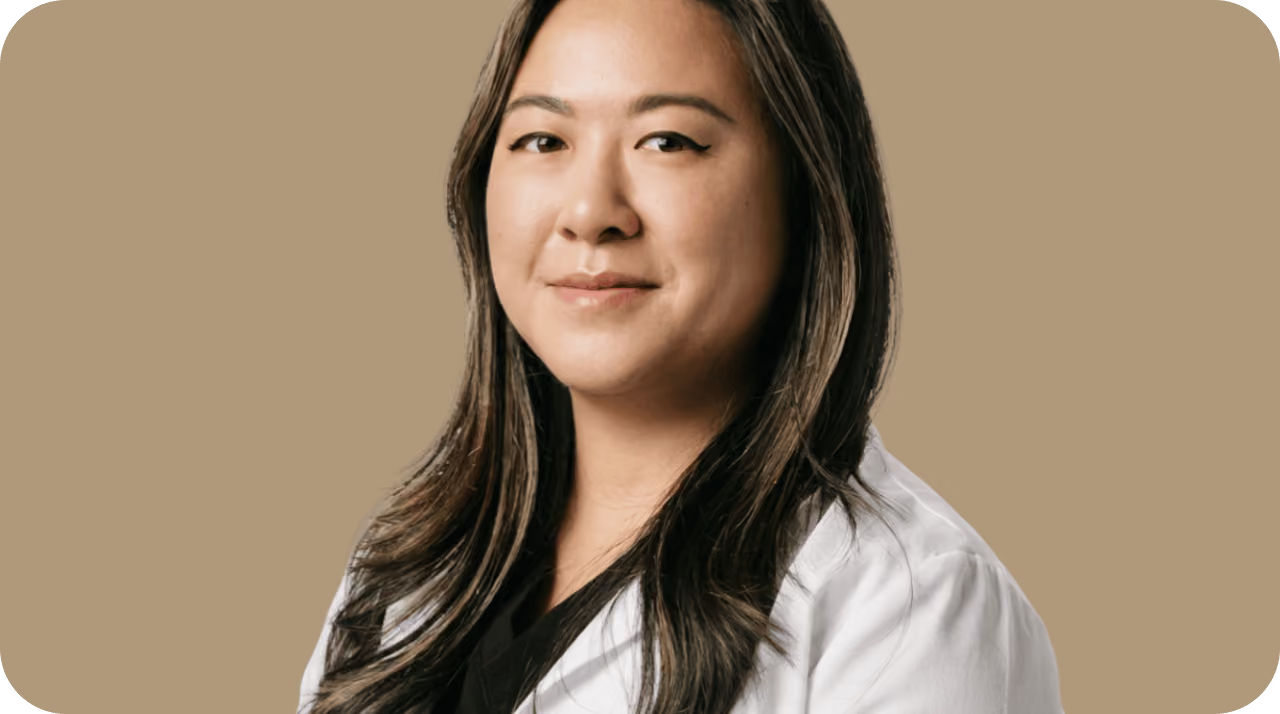
Clinical researchers, certified sex therapists and medical professionals, among them an OB-GYN and a sleep medicine specialist.
Dr. Jessica Yih
Urologist and director of women's sexual health and male infertility at UCI.
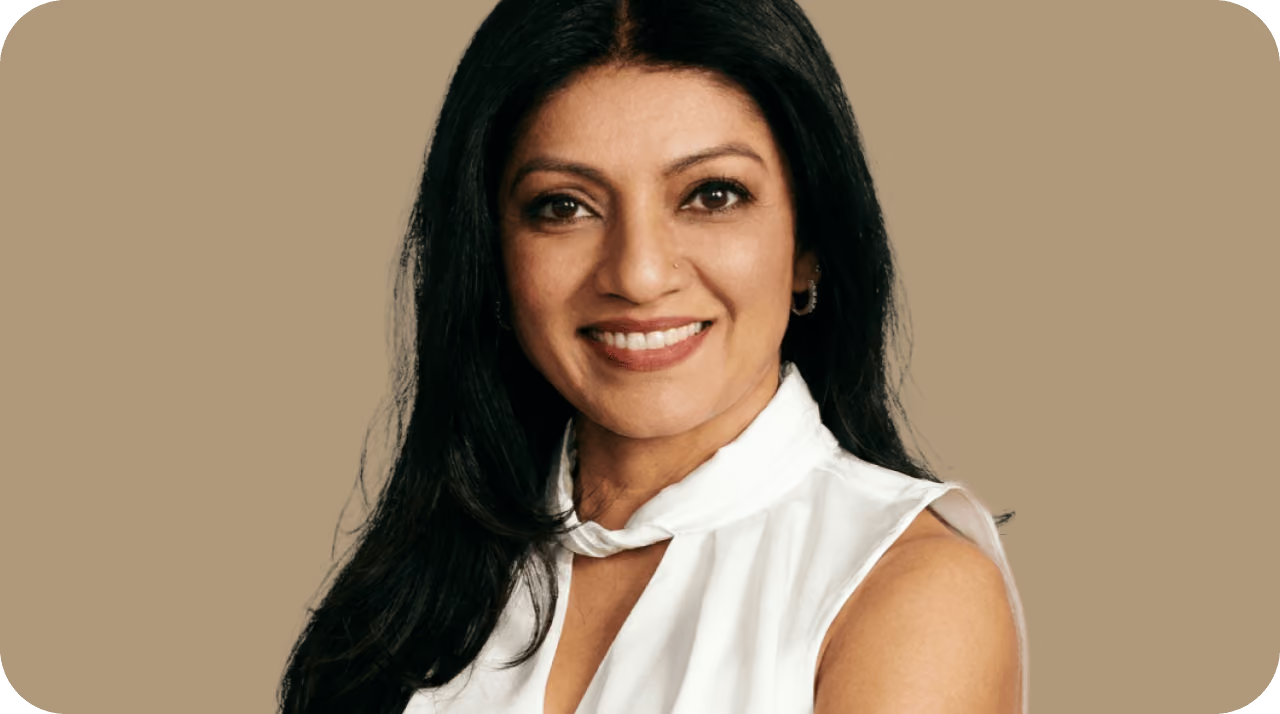
Dr. Kirti S. Patel
Board-certified ob/gyn and host of The Gynarchy, a women's-health podcast.
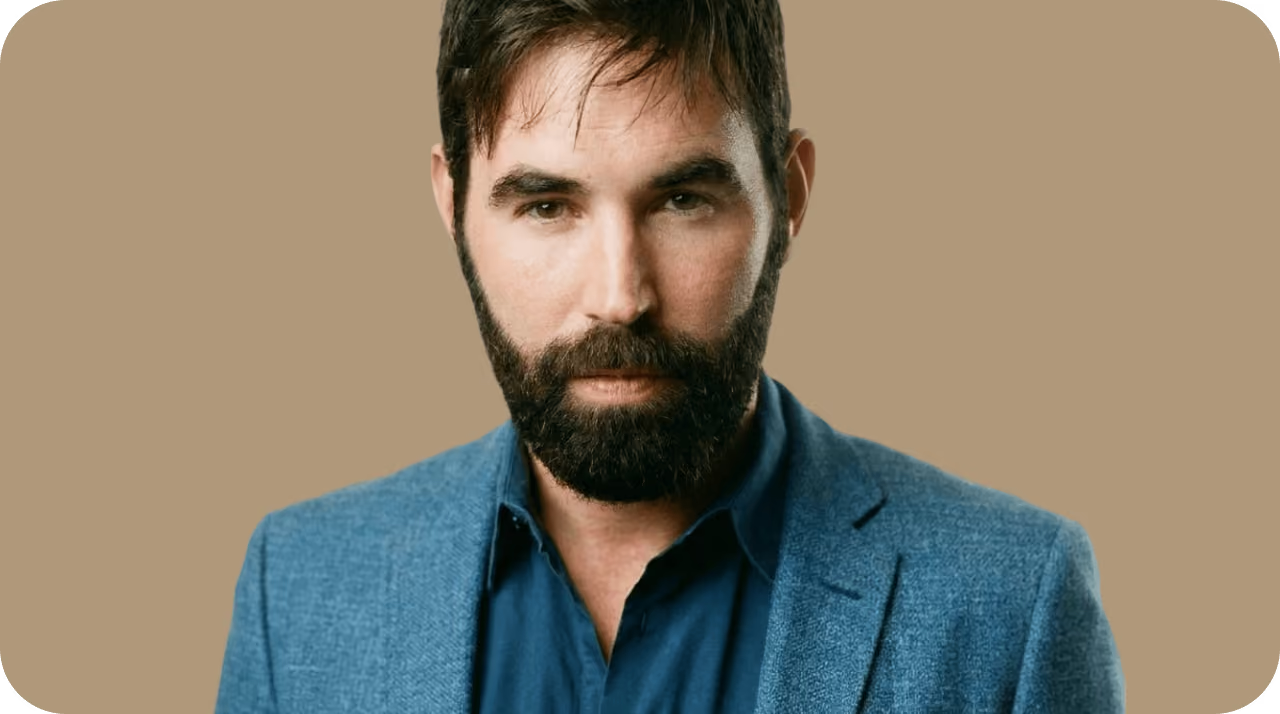
Dr. Justin Lehmiller
PhD in social psychology and senior research fellow at the Kinsey Institute.
Dr. Paula Hall
Accredited sexual and relationship psychotherapist, registered with leading professional bodies in psychotherapy.
Natalie Goldberg
Certified sex and family therapist dedicated to improving intimate relationships and personal well-being.
Dr. Gary Shlifer
DO, board-certified internal medicine physician specializing in preventative care, nutrition, and anti-aging.
Dr. Joshua Roland
MD, sleep medicine specialist, and clinical instructor at the David Geffen School of Medicine, UCLA.
Rick Brennan
Certified personal trainer, strength coach, sports nutritionist, and professional WFF athlete.
There is no guarantee that your waist will return to its previous size after periods stop. Body fat distribution may remain different. Food, activity and recovery habits can support health and weight management without promising a particular shape.
They can strengthen abdominal muscles, but they cannot choose where your body loses fat. Include them as part of suitable whole-body activity rather than relying on them to shrink your waist.
No. Walking, cycling and other aerobic activity remain useful for health. Balance them with strength work and recovery suited to you. If you are persistently exhausted, seek advice about the cause rather than assuming cardio or cortisol explains it.
There is no reliable deadline. Starting point, health, eating patterns, activity and sleep all matter. Bloating can change faster than body fat, so a short-term change in waist size does not tell you what changed.
The program explains the menopausal transition and offers practices for body awareness, stress and everyday wellbeing, along with lessons on sleep, food and movement. It does not identify the cause of a symptom or replace medical care.
The Coach for Her covers intimate wellbeing as well as sleep, mood, stress and energy. The questions help personalize your program plan. The quiz cannot diagnose menopause or tell you which treatment you need.