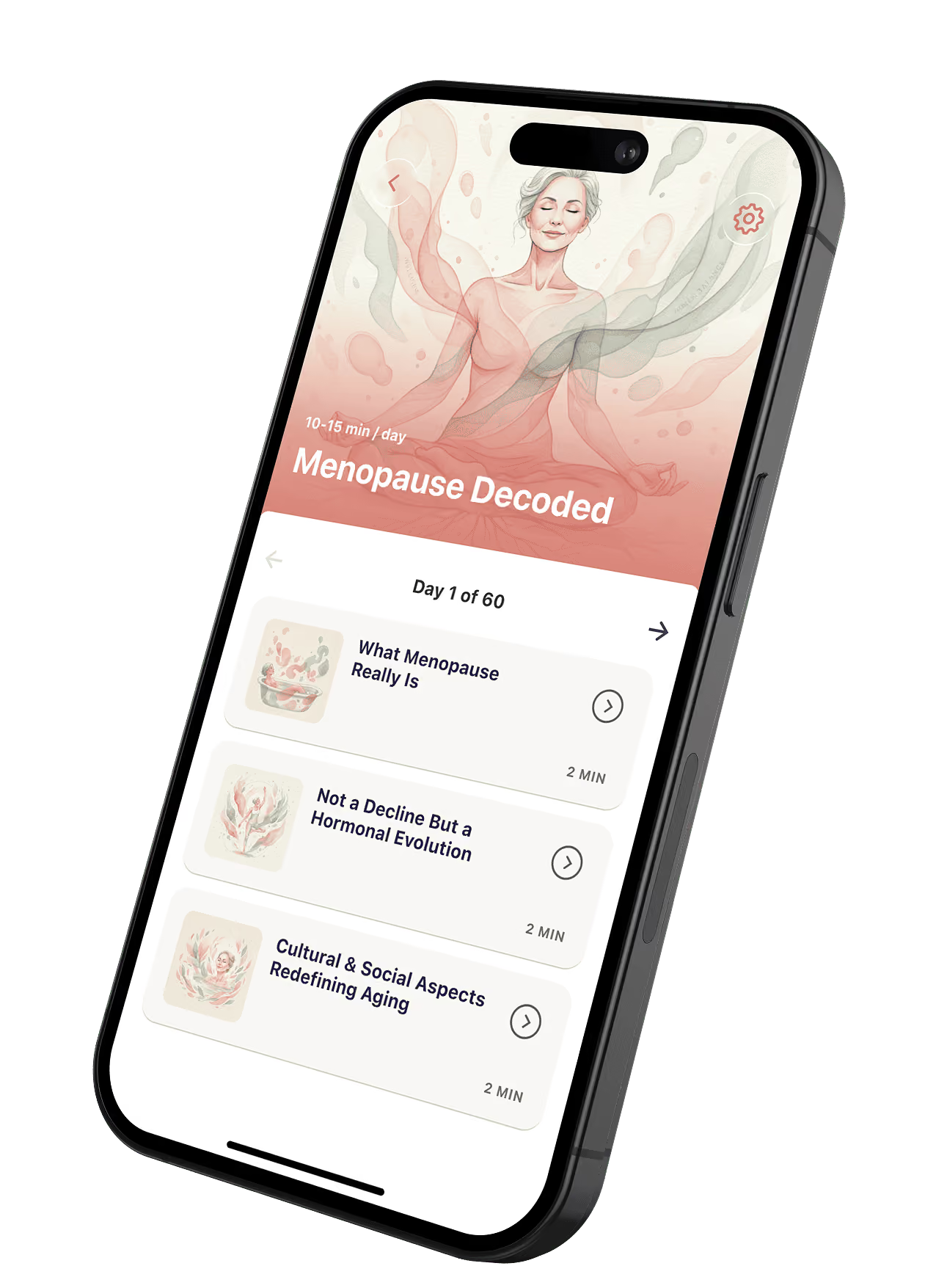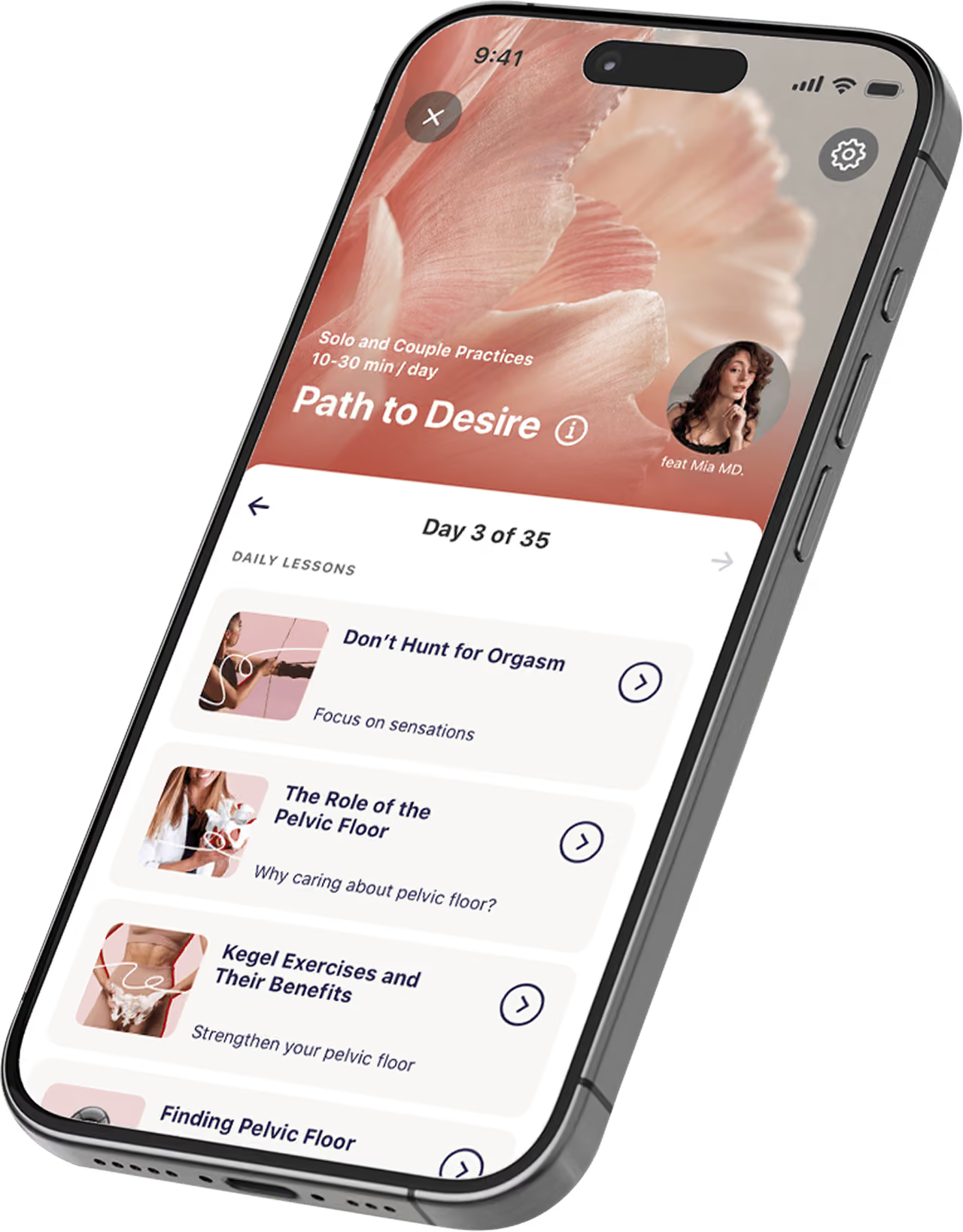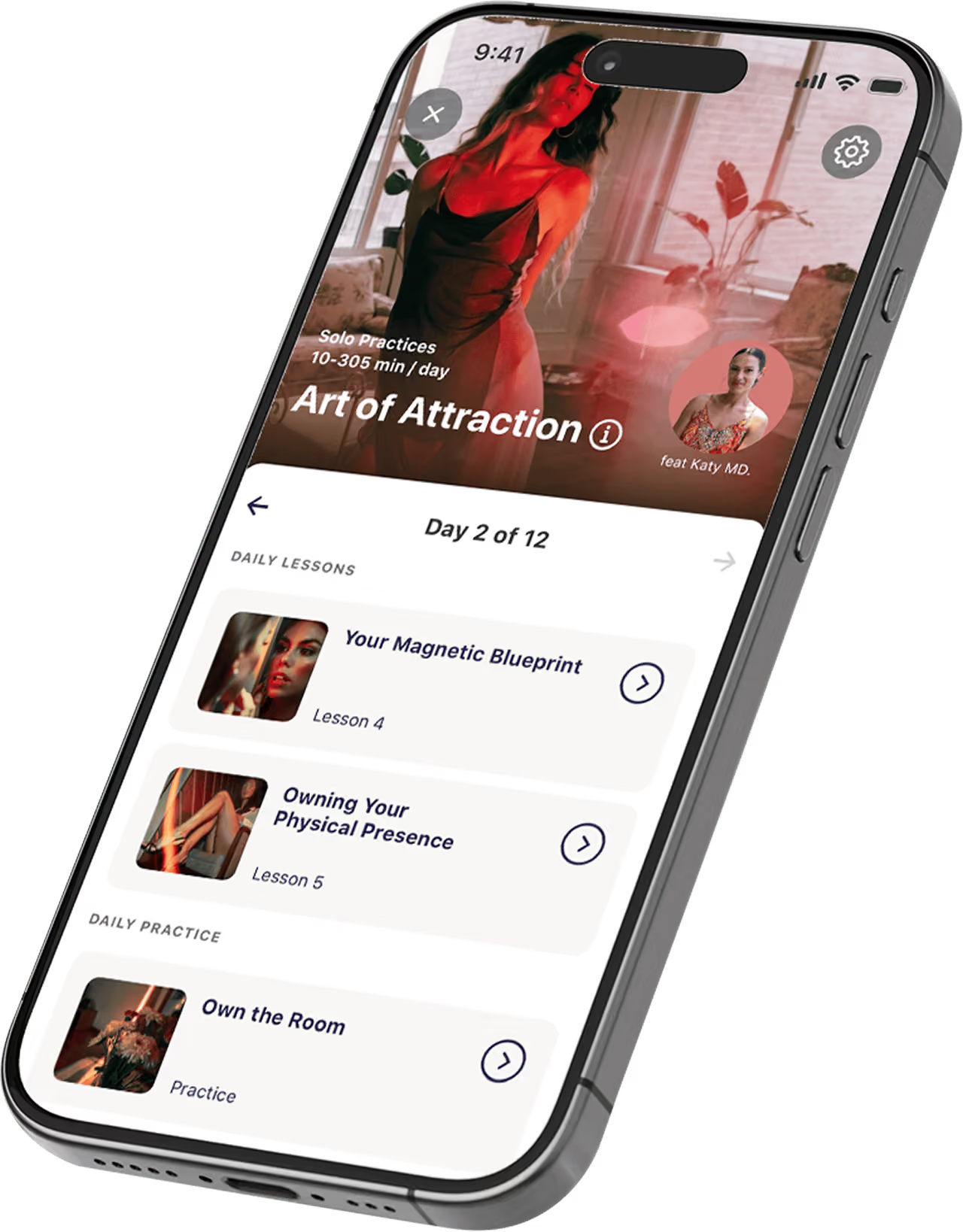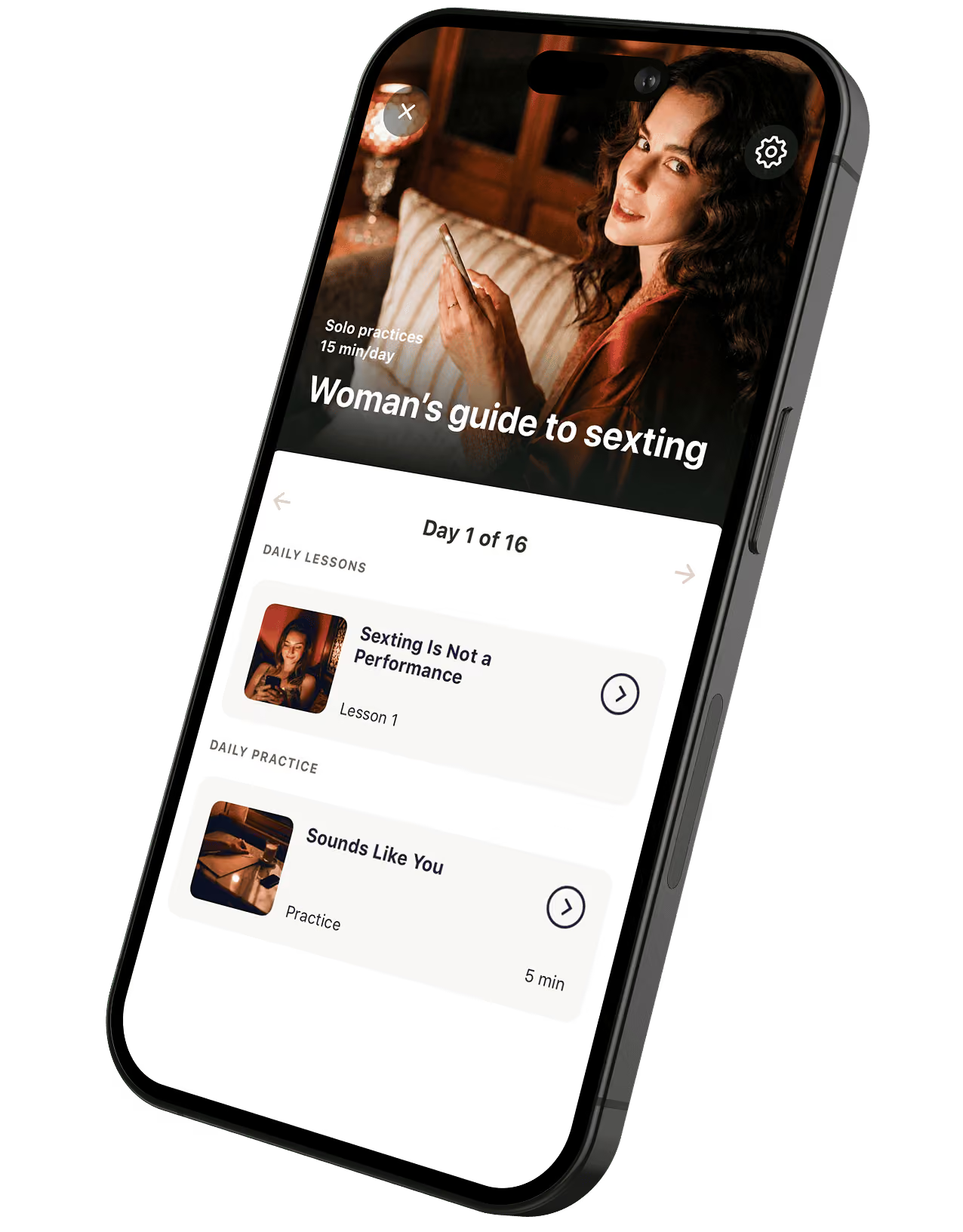
There’s no reliable way to stop a hot flash instantly. Remove a layer of clothing, sip cool water and move somewhere cooler if you can. These steps may make the heat easier to bear. The Menopause Decoded program in The Coach for Her app helps you understand the wider changes and build habits around sleep, food and stress.
Get my planA hot flash is a sudden wave of heat, often felt in the face, neck or chest, sometimes with sweating and a chill afterward. Hormonal changes can affect temperature regulation. Cooling may feel good during an episode, but it is not a proven way to prevent the next one.
If other changes have appeared too, explore unusual perimenopause symptoms.
A habit can be useful without being a treatment. Judge it by what it actually changes for you.
No list of foods can reliably stop hot flashes, and you don’t need a restrictive menopause diet. These nine everyday foods are examples of how to add variety to balanced meals, not a treatment plan.
If you want help thinking through food, rest and stress together, the quiz can personalize a starting plan for your program.
You can prepare for a hot flash without blaming yourself when it happens.
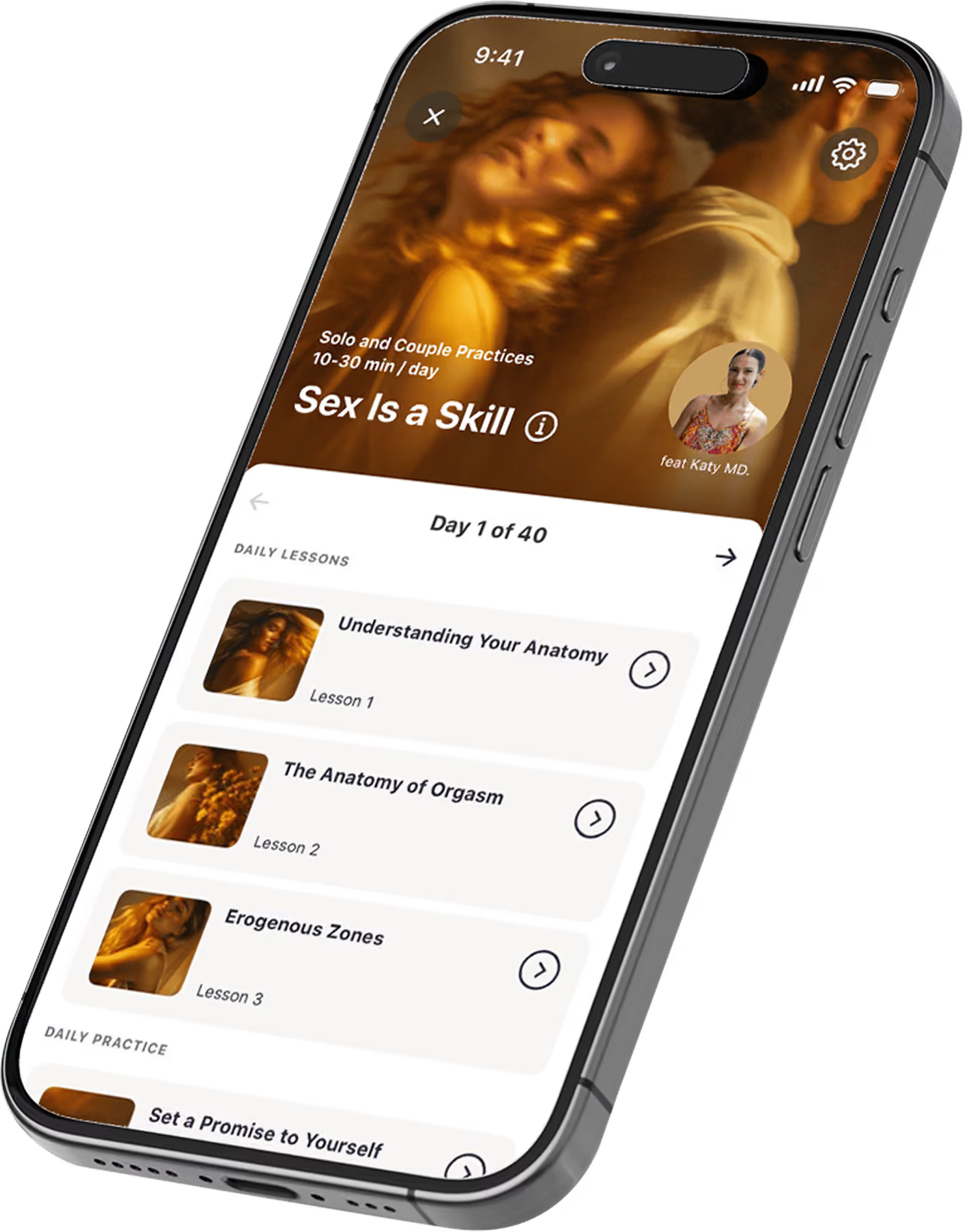
Menopause Decoded in The Coach for Her brings together lessons on hot flashes and night sweats, sleep, food, movement and emotional wellbeing. Use them to choose an everyday habit to try, alongside any care you need.
Learn what changes during perimenopause and menopause, and why a new symptom still deserves a check instead of being blamed on hormones by default.
A guided body scan helps you notice where you hold tension or discomfort. Your own notes can show what affects your sleep and your day.
Breathing and reflection exercises give you a way to pause when you feel overwhelmed. They can help you cope, though they won’t make a physical symptom go away.
The quiz asks about sleep, mood, stress and energy, as well as intimacy and desire. Your answers help personalize your plan for Menopause Decoded. It is not a diagnostic test.
For night sweats, use bedding you can adjust and keep a dry top within reach. If you wake, change what’s damp and settle back into your usual wind-down routine. Repeatedly broken sleep is a reason to ask for help, even if each hot flash passes quickly. Drenching night sweats with fever or unexplained weight loss need a medical check.
For hot flashes at work, keep water nearby, wear layers you can adjust and take a short pause when you can. If you think alcohol, caffeine or spicy food makes things worse, note the pattern and try one change. Avoiding triggers doesn’t help everyone.
To see how hot flashes fit into the wider transition, read aboutwhat perimenopause is.
You may want to understand your symptoms, make more room for rest or practice managing stress. Use the quiz to find a starting point for your program that reflects what matters to you.
These reviews describe the app and its educational content. They are not evidence that it treats menopause symptoms.
“I was not expecting such a complete app. There’s so much helpful information, practical tips, and exercises. I also love that it’s focused not just on sex, but on women’s health as a whole. I’m really excited to dive deeper into everything the app has to offer.”
“I recently started using The Coach (for her) and am so pleased so far. The information included is educational and also so fun. I love that the lessons are broken down into small lessons making it easy to learn in whatever time you have, whether that be minutes or hours.”
“I love this app because it has useful, science-backed information presented in an interesting way. No stigma, no shame - just a lot of useful information and exercises. Highly recommend”
“Very approachable. I hadn't ever used an app like this but I feel like it has given me perspective about my own body and has enhanced intimacy. Educational and engaging, I am enjoying it.”
Clinical researchers, certified sex therapists and medical professionals, among them an OB-GYN and a sleep medicine specialist.
Dr. Jessica Yih
Urologist and director of women's sexual health and male infertility at UCI.
Dr. Kirti S. Patel
Board-certified ob/gyn and host of The Gynarchy, a women's-health podcast.
Dr. Justin Lehmiller
PhD in social psychology and senior research fellow at the Kinsey Institute.
Dr. Paula Hall
Accredited sexual and relationship psychotherapist, registered with leading professional bodies in psychotherapy.
Natalie Goldberg
Certified sex and family therapist dedicated to improving intimate relationships and personal well-being.
Dr. Gary Shlifer
DO, board-certified internal medicine physician specializing in preventative care, nutrition, and anti-aging.
Dr. Joshua Roland
MD, sleep medicine specialist, and clinical instructor at the David Geffen School of Medicine, UCLA.
Rick Brennan
Certified personal trainer, strength coach, sports nutritionist, and professional WFF athlete.
There is no reliable at-home method that switches one off on demand. Adjusting clothing, moving somewhere cooler and sipping cool water may make you more comfortable. If episodes keep disrupting daily life, ask a clinician about appropriate care.
It depends on what you expect from them. Simple habits may make you more comfortable or help you sleep, but that’s different from reliably reducing how often hot flashes happen. Cooling, breathing exercises and food changes aren’t established treatments for preventing them.
There is no established set of nine foods that reliably fights hot flashes. Tofu, lentils, plain yogurt, oats, chickpeas, broccoli, berries, walnuts and olive oil can contribute to varied meals. They are food choices, not a prescription for symptom relief.
A single episode is brief, but recurring hot flashes can continue for years, and the pattern varies widely between women. Nobody can predict exactly how long yours will last. Seek advice if symptoms affect sleep or daily life, or if new sweating comes with other worrying symptoms.
The program explains the menopausal transition and offers practices for body awareness, stress and everyday wellbeing, along with lessons on sleep, food and movement. It does not identify the cause of a symptom or replace medical care.
The Coach for Her covers intimate wellbeing as well as sleep, mood, stress and energy. The questions help personalize your program plan. The quiz cannot diagnose menopause or tell you which treatment you need.