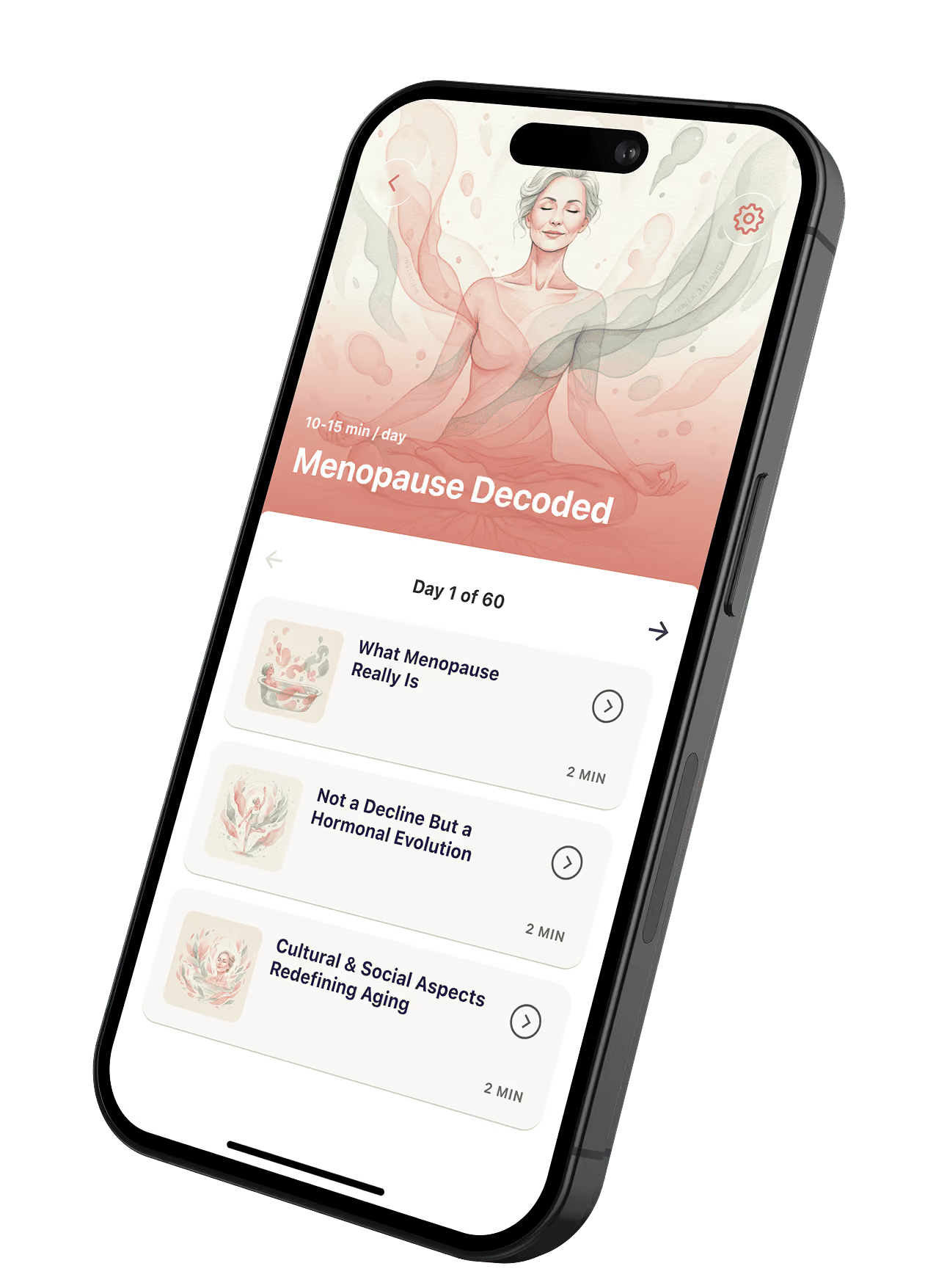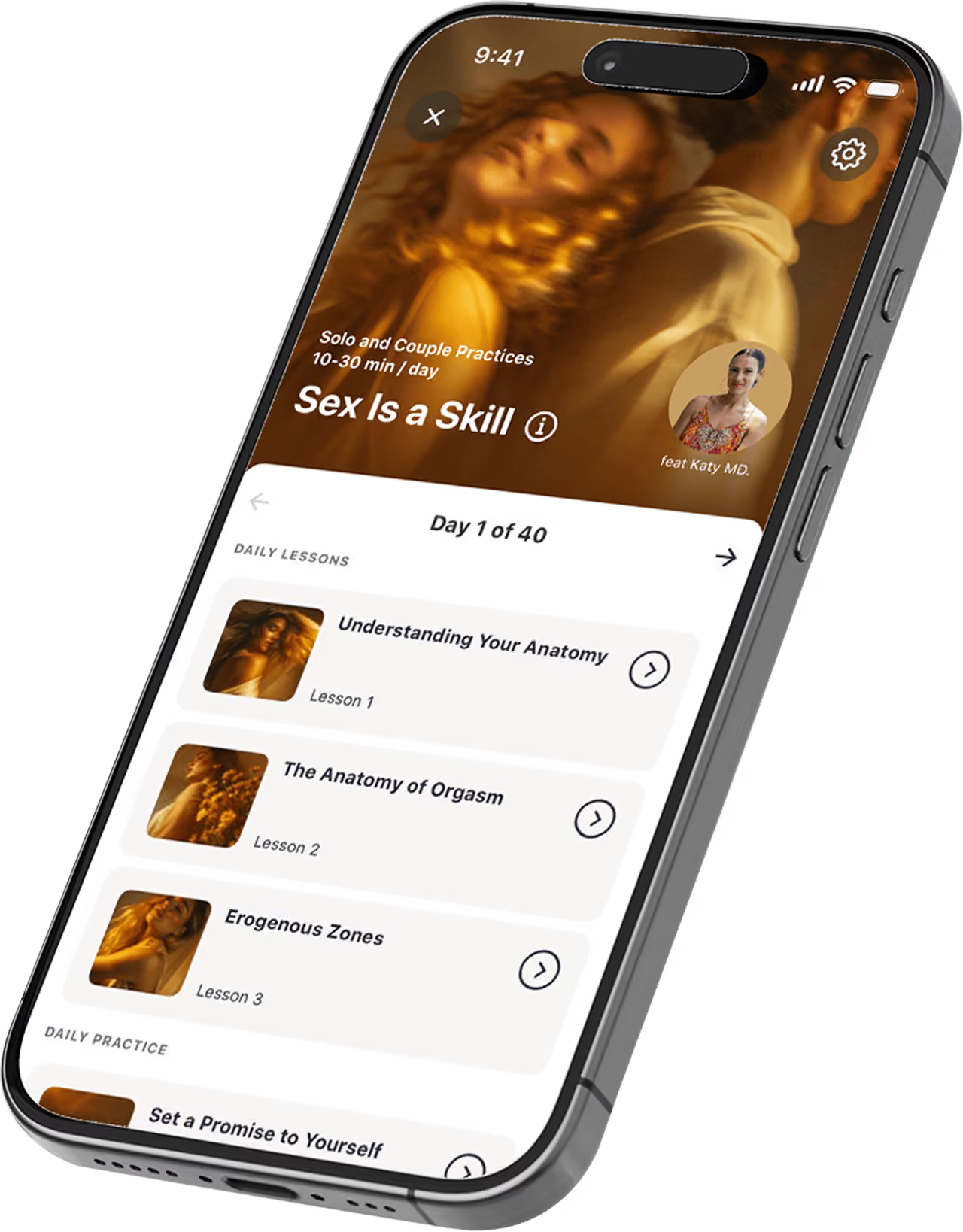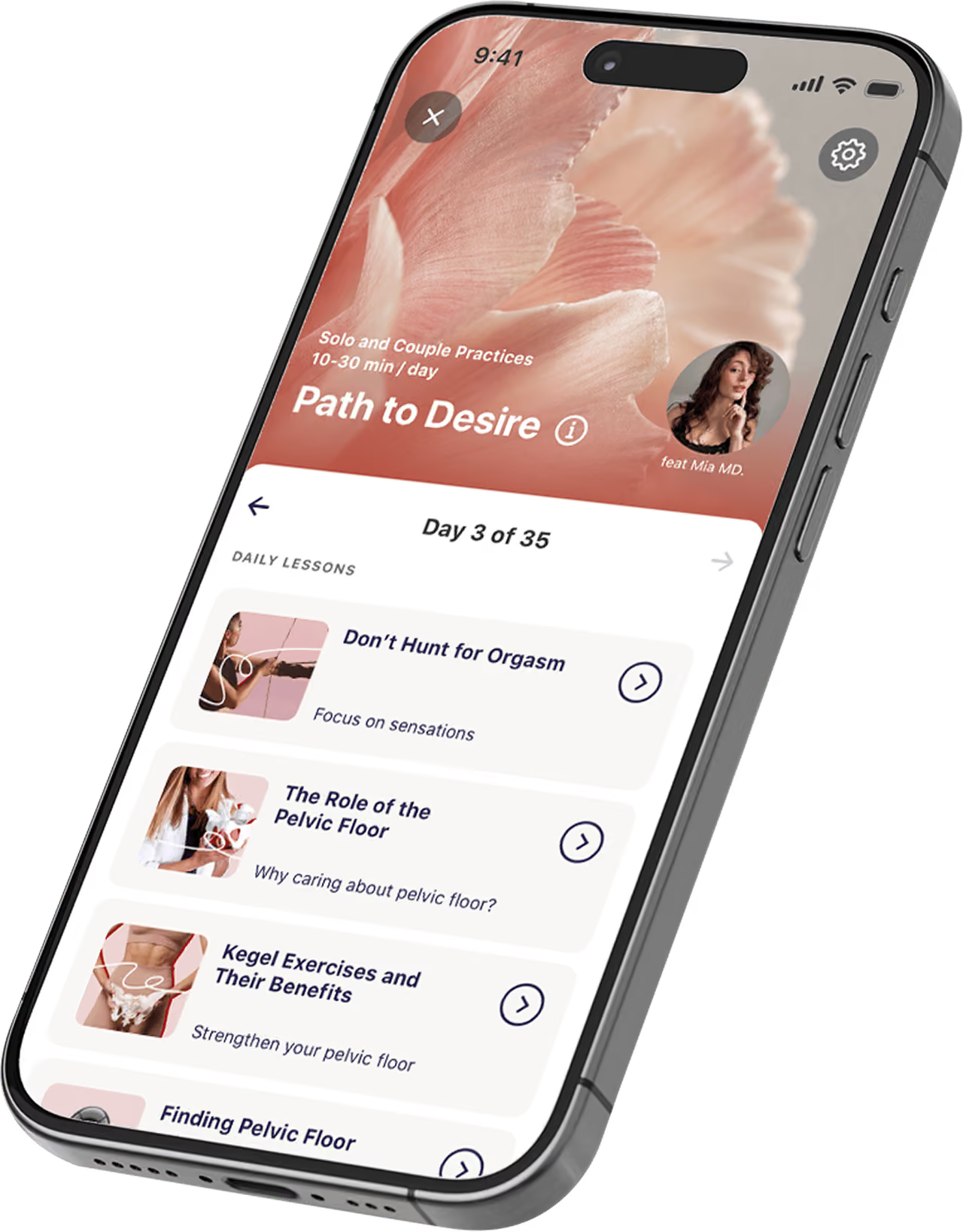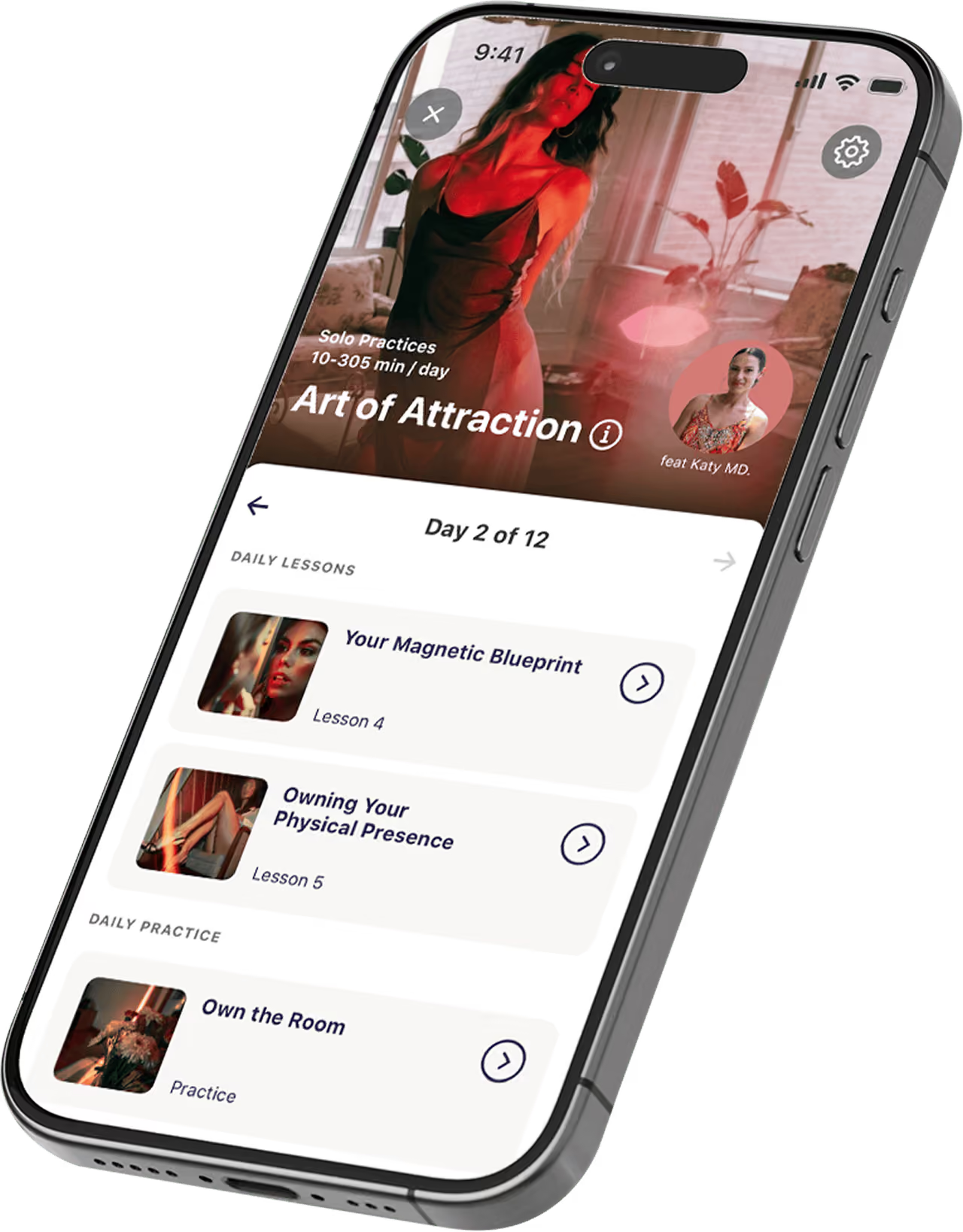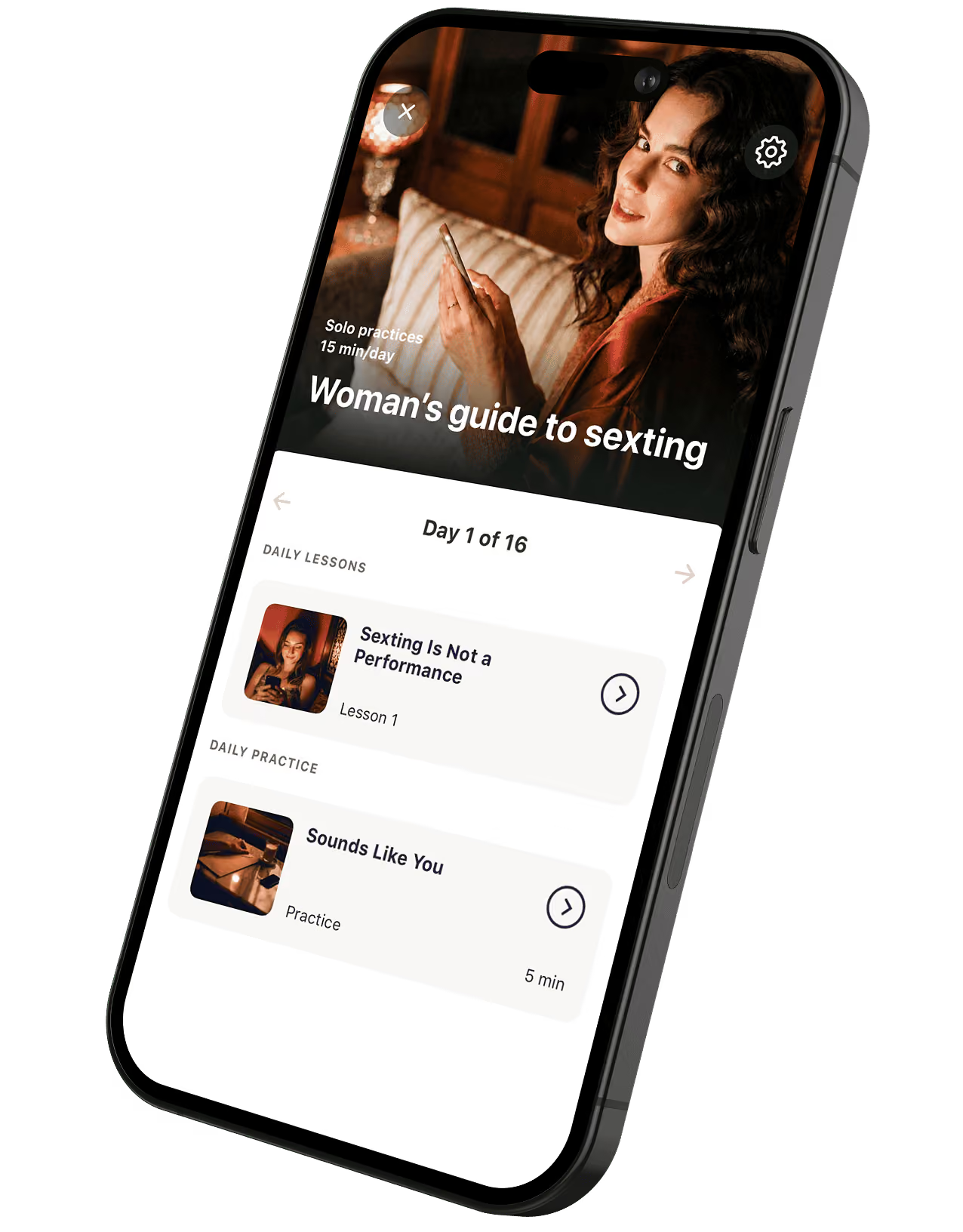
A useful exercise routine for menopause combines strength work, activity that raises your breathing rate, and time to recover. You can start with simple movements and increase the challenge gradually. Menopause Decoded, a program in The Coach for Her app, explains how movement, food and rest support you through this transition.
Get my planMuscle strength, bone health and stamina all matter in midlife. Changes in hormones, age, sleep and daily activity can affect them in different ways. A balanced routine gives each some attention; you don’t need to exhaust yourself to begin.
To understand when these changes can begin, read what perimenopause is.
The best exercise for menopause depends on your health, experience and preferences. Strength, cardio and balance do different jobs, so choose a mix instead of looking for one activity that does everything.
If you’re new to strength work, a trainer or physiotherapist can help you learn these movements. Start with a light effort and one set, then build toward two sets of 8–12 controlled repetitions. Rest between sets until you feel ready. These are starting examples, not a personal prescription; pain, a recent injury or a health condition may call for a different approach.
Try two strength sessions on nonconsecutive days, with walking or other cardio around them. When the movements feel controlled and the last repetitions are no longer challenging, add a little resistance. You don’t need to increase the weight at every session.
For help understanding how movement fits with sleep, food and stress, use the quiz to find a starting point in Menopause Decoded.
A routine is worth keeping when it helps you move through daily life and leaves room to recover.
The program connects exercise with the wider changes of menopause. Lessons explain muscle, bone health, food and rest, so you can make informed choices about your habits. It is education, not supervised exercise or a personalized rehabilitation plan.
Explore resistance exercise, gradual progression and the role of muscle in midlife. Use that understanding when planning your activity or speaking with a qualified trainer.
Learn what power exercises and intervals involve, and why experience and health affect whether they are appropriate. They are options to consider, not requirements for getting started.
Lessons on food and meal planning help you think about nourishment alongside movement. You can use the meal exercise to reconsider what you eat around an active day.
The quiz asks about sleep, mood, stress and energy, as well as intimacy and desire. Your answers help personalize your Menopause Decoded plan. It does not assess fitness or prescribe weights and repetitions.
No exercise selectively removes fat from the abdomen. Strength work supports muscle, and cardio supports overall health and energy use. Food, sleep, health and the amount of activity you do also matter. Abdominal exercises can strengthen your trunk without specifically burning the fat above it.
For more on body shape and the difference between fat and bloating, read about menopause belly.
From a survey of The Coach users who finished their first four weeks:
If you want to understand how sleep, meals and movement fit together, the quiz can help you choose where to begin in the program. Your exercise load should still reflect your health and experience.
These reviews describe the app and its educational content. They are not evidence that it treats menopause symptoms.
“I was not expecting such a complete app. There’s so much helpful information, practical tips, and exercises. I also love that it’s focused not just on sex, but on women’s health as a whole. I’m really excited to dive deeper into everything the app has to offer.”
“I recently started using The Coach (for her) and am so pleased so far. The information included is educational and also so fun. I love that the lessons are broken down into small lessons making it easy to learn in whatever time you have, whether that be minutes or hours.”
“I love this app because it has useful, science-backed information presented in an interesting way. No stigma, no shame - just a lot of useful information and exercises. Highly recommend”
“Very approachable. I hadn't ever used an app like this but I feel like it has given me perspective about my own body and has enhanced intimacy. Educational and engaging, I am enjoying it.”
Clinical researchers, certified sex therapists and medical professionals, among them an OB-GYN and a sleep medicine specialist.
Dr. Jessica Yih
Urologist and director of women's sexual health and male infertility at UCI.
Dr. Kirti S. Patel
Board-certified ob/gyn and host of The Gynarchy, a women's-health podcast.
Dr. Justin Lehmiller
PhD in social psychology and senior research fellow at the Kinsey Institute.
Dr. Paula Hall
Accredited sexual and relationship psychotherapist, registered with leading professional bodies in psychotherapy.
Natalie Goldberg
Certified sex and family therapist dedicated to improving intimate relationships and personal well-being.
Dr. Gary Shlifer
DO, board-certified internal medicine physician specializing in preventative care, nutrition, and anti-aging.
Dr. Joshua Roland
MD, sleep medicine specialist, and clinical instructor at the David Geffen School of Medicine, UCLA.
Rick Brennan
Certified personal trainer, strength coach, sports nutritionist, and professional WFF athlete.
The basic movements and principle of gradual progression are the same. Your starting level, symptoms, joint or bone problems and recovery needs matter more than your birthday alone. A qualified professional can adapt exercises when needed.
Yes. Start with manageable resistance and learn the movements before increasing the load. Bands, machines or body-weight exercises are also options. Get advice first if you have osteoporosis, a recent injury or a condition that affects exercise.
Jumping is one way to load bones, but it is not a necessary starting point for everyone. Low bone density, previous fractures, joint pain or pelvic-floor symptoms may change what is suitable. Discuss impact exercise with a clinician or physiotherapist before adding it.
You don’t have to. Walking is useful, and intervals are an optional way to increase intensity once you have a suitable foundation. If you are new to intense exercise or have cardiovascular concerns, seek advice before trying them.
Yes, the same broad principles apply: strength, regular activity and recovery. Adjust the session to your experience and how you feel, and seek advice for persistent pain, unexplained fatigue or other symptoms that interfere with exercise.
The program explains the menopausal transition and offers practices for body awareness, stress and everyday wellbeing, along with lessons on sleep, food and movement. It does not identify the cause of a symptom or replace medical care.
The Coach for Her covers intimate wellbeing as well as sleep, mood, stress and energy. The questions help personalize your program plan. The quiz cannot diagnose menopause or tell you which treatment you need.