Step 01
Answer the questions
A few questions set up your plan. Inside Keep It Hard, an eight-symptom pelvic floor check decides whether you start with relaxation or strengthening. Neither diagnoses muscle tension or rules out other causes.

Reverse Kegels train the opposite of a Kegel: instead of squeezing the pelvic floor, you let it relax and lengthen. The movement is subtle, a gentle release as you breathe in, with no pushing or straining. Keep It Hard, a program in The Coach app, adds reverse Kegels to your daily Kegel workout after the first week, alongside guided relaxation. Pain or urinary symptoms are a reason to see a professional before you start strengthening.
Get my planA Kegel contracts and lifts the pelvic floor. A reverse Kegel lets the same muscles relax and lengthen. You need both for good muscle control, but which to focus on depends on your symptoms.
Our guide to Kegel exercises for men covers the squeezing side. The Kegel vs reverse Kegel difference is worth knowing, but it doesn’t tell you which one you need.
The pelvic floor plays a part in erections, urination and bowel control. Tight pelvic floor muscles can cause discomfort, and a floor that can’t relax may press on the artery that feeds an erection. Erection difficulties have many possible causes, though, so a clinician can help you decide whether you need strengthening, relaxation or other care.
Reverse Kegel exercises feel less distinct than a squeeze. You may notice a gentle release as you breathe in. Don’t force a downward push or strain to make it stronger. If you’re unsure, a pelvic health physiotherapist can teach you the technique.
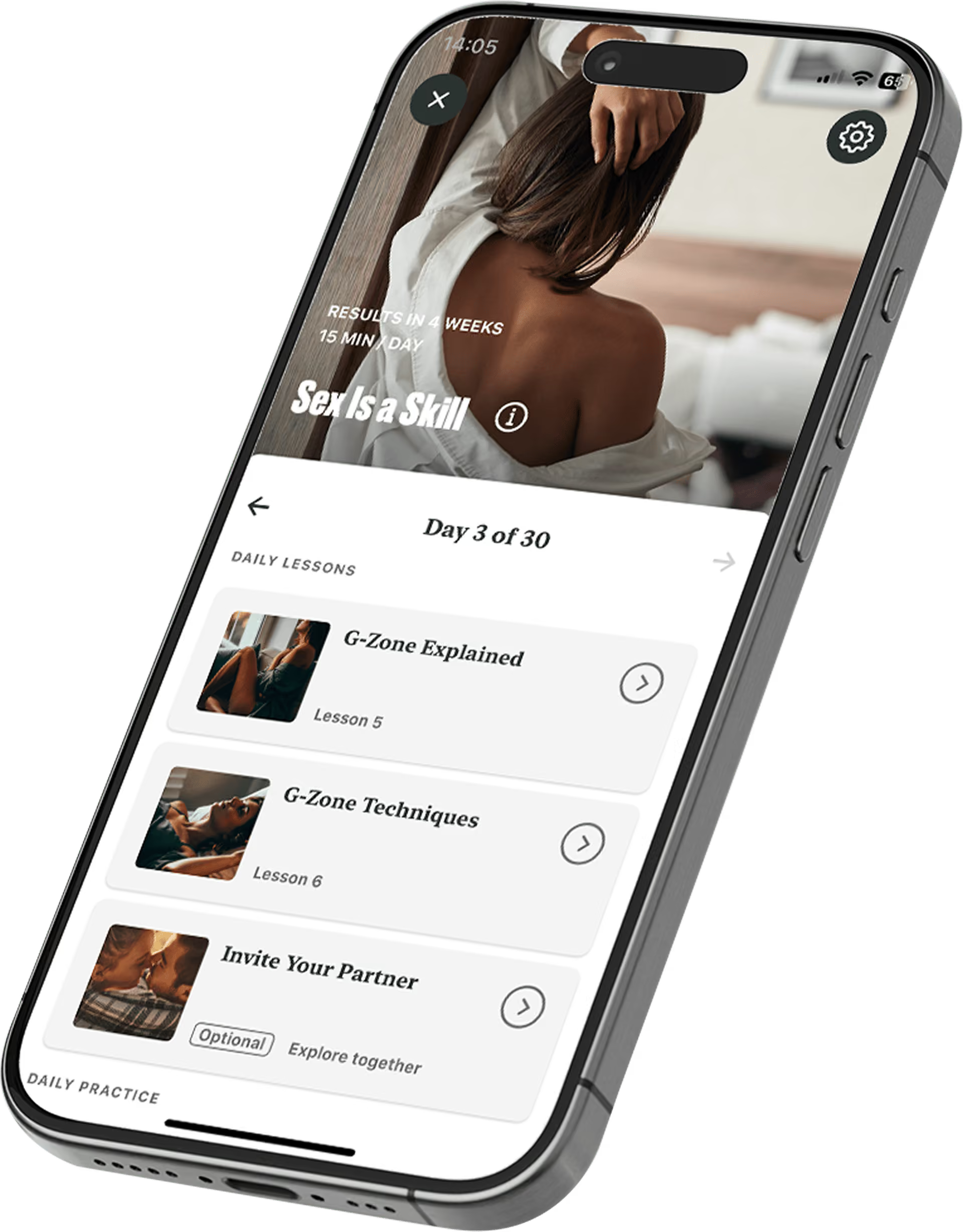
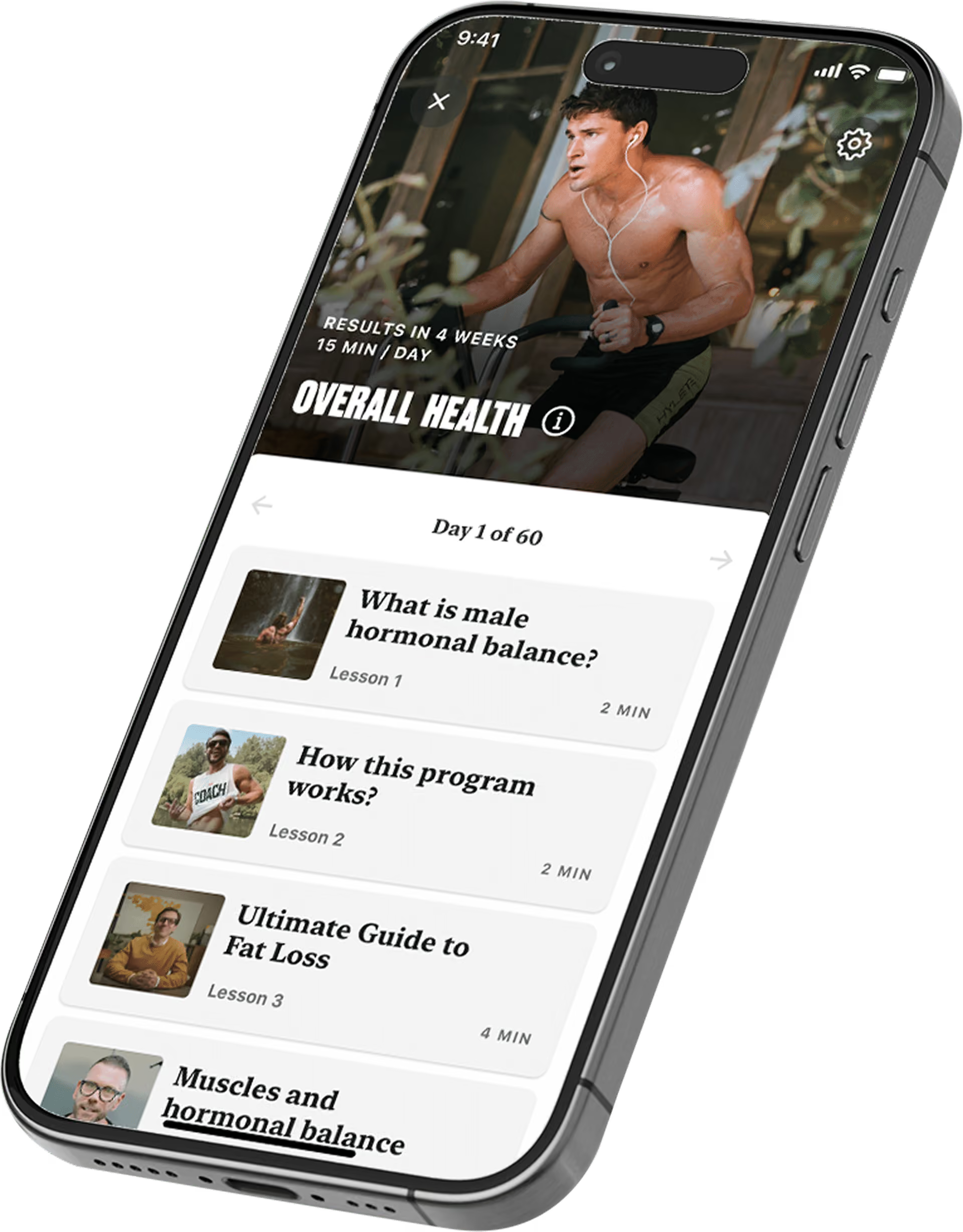
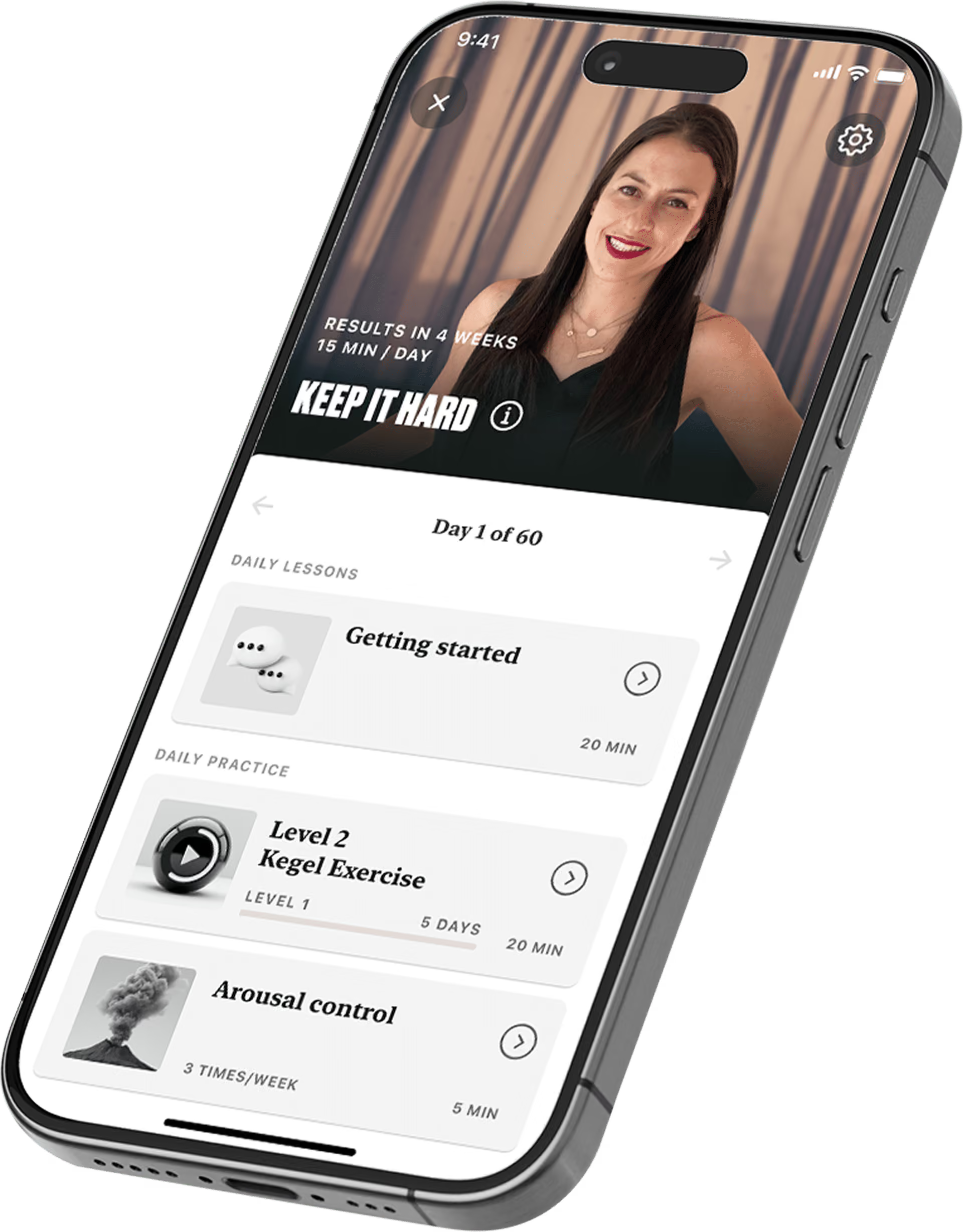
The Coach app includes Keep It Hard, a program focused on erections. It combines guided physical practices, relaxation and exercises for managing anxiety, and the daily plan tells you what to practise each day.
Step 01
A few questions set up your plan. Inside Keep It Hard, an eight-symptom pelvic floor check decides whether you start with relaxation or strengthening. Neither diagnoses muscle tension or rules out other causes.
Step 02
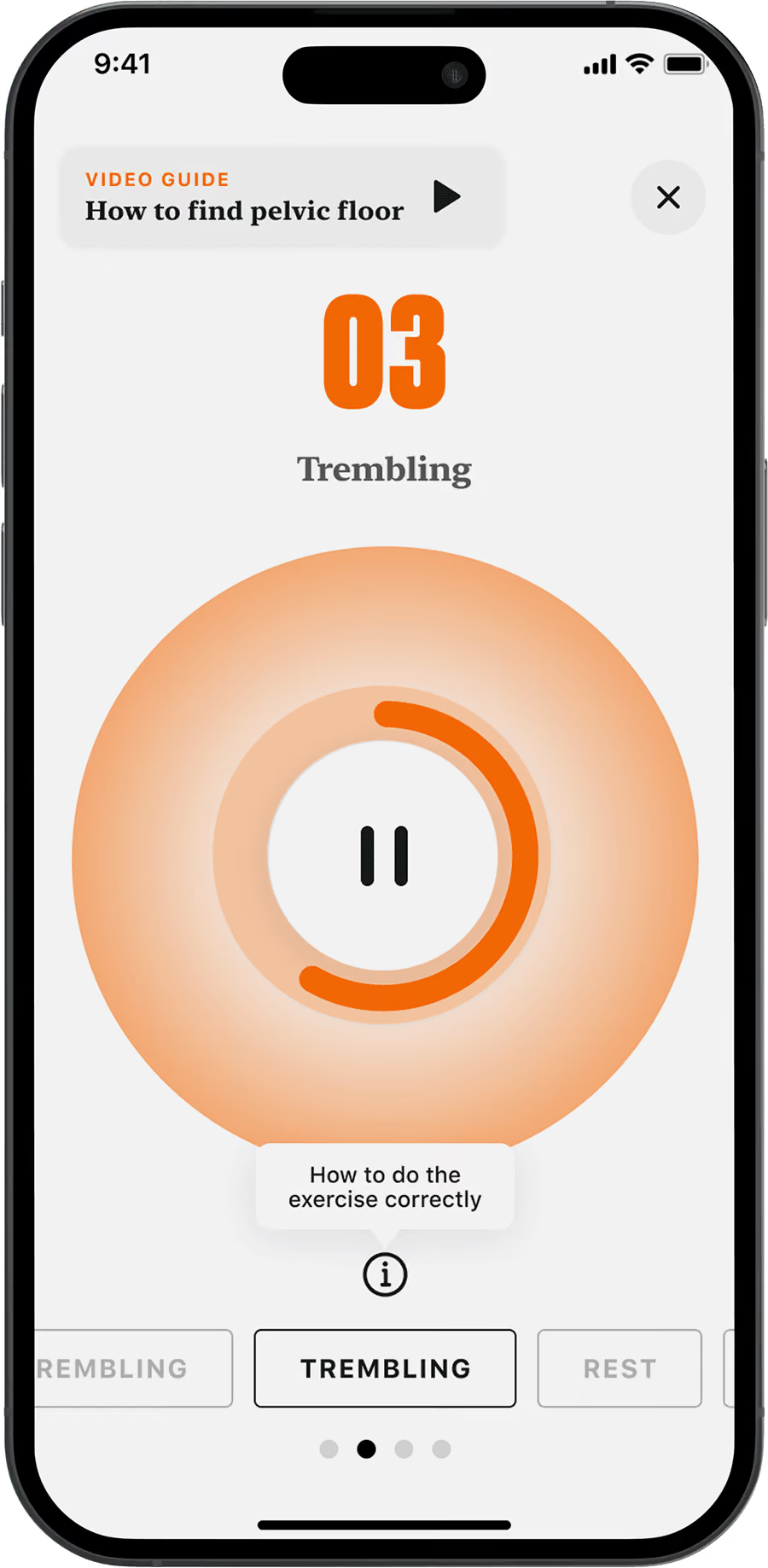
Allow around ten to twenty minutes a day for the program’s video, audio and text practices. Follow the instructions and rest periods rather than adding extra repetitions.
Step 03
After the first training week, reverse Kegels join your daily Kegel workout as its last exercise. Ask for advice if strengthening feels uncomfortable.
Answer a few questions to organize your plan. If you have pain or ongoing urinary symptoms, get professional advice too.
Before pelvic floor training, Keep It Hard asks about eight symptoms. They show where to be careful, but they don’t diagnose a hypertonic pelvic floor or prove the muscles are weak. Tell a clinician about any that persist.
If any of these apply, Keep It Hard starts you with three weeks of relaxation before strengthening. Symptoms can have several causes, and having none of them doesn’t prove your muscles are weak. Learning how to relax your pelvic floor starts with slow breathing and a comfortable position, without pushing.
Seek medical advice for pelvic pain, painful ejaculation or ongoing urinary symptoms. A pelvic health physiotherapist can assess muscle function and help you choose suitable exercises. Conditions such as chronic pelvic pain syndrome need individual assessment.
If strengthening is appropriate for you, our guide to pelvic floor exercises for men explains the technique and the importance of relaxing between contractions.
Muscle tension can be associated with habits, stress, pain or a health condition. Hypertonic pelvic floor exercises for men should be chosen with symptoms in mind. A clinician can help assess what may be contributing in your case.
Pelvic floor training includes learning to relax as well as contract.
A few questions set up your starting plan. If you’re unsure which movements suit you, a clinician can help.
These pelvic floor relaxation exercises for men train your attention to breathing and tension, and they come on top of the reverse Kegel itself. Keep each movement comfortable and stop if it hurts.
Pelvic floor stretches for men should stay within a comfortable range. Exercises to relax pelvic floor muscles work by letting go, not by force, and the best exercises for tight pelvic floor muscles are the ones that suit your symptoms and don’t hurt.
You can practise gentle relaxation sitting, lying down or standing. Choose a position that lets you breathe comfortably. A reverse Kegel exercise for men shouldn’t involve bearing down as if passing a stool. If you can’t tell whether you’re relaxing or straining, ask a pelvic health physiotherapist.
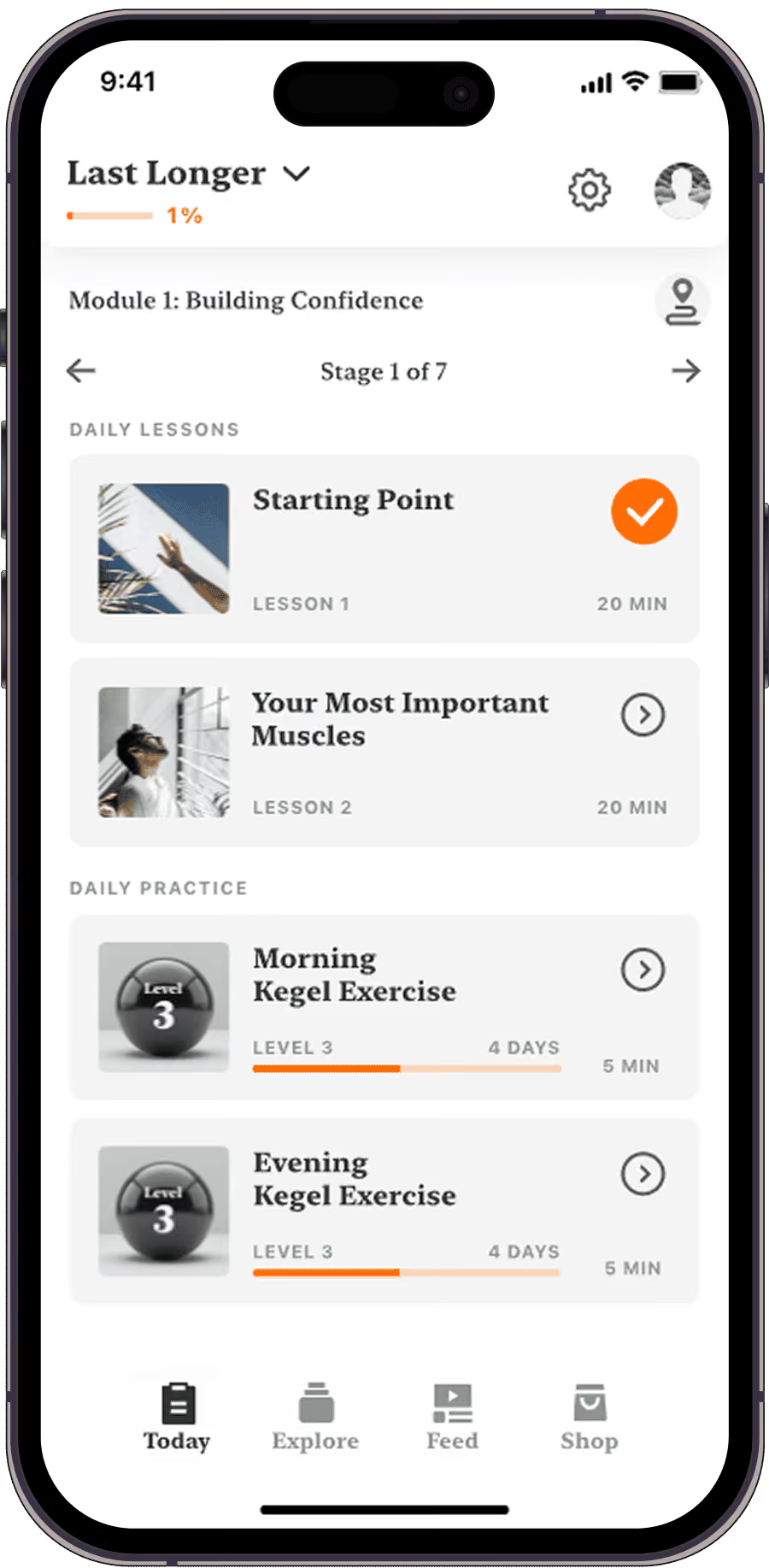
The daily plan includes the practices and their recommended frequency, so you can follow a routine without adding unnecessary repetitions.
Keep It Hard introduces the practices in order. The plan keeps you practising regularly, but it can’t assess your muscles the way a clinician can.
The answers help set up a starting routine and flag symptoms that may need attention. They don’t confirm a diagnosis.
Kegel and reverse Kegel exercises for men have different aims. After the first week, reverse Kegels become the last exercise in each Kegel workout.
Use a comfortable range and the recommended rest periods. Stretching doesn’t make it safe to train through pain.
An initial relaxation period may be suggested. Even after it, don’t start strengthening if pain or other symptoms continue.
From a survey of The Coach users who finished their first four weeks:
From the app stores and Trustpilot, in their own words:
“The coaching helped me become aware of things I was doing, that I didn’t realise I was doing. I’ve learnt to relax the tension in my body to help me with developing into a better partner.”
“The Kegel exercises, while evidently intended for sexual control, have also helped with my continence issues, a testament to Coach being directed at general men’s health.”
“The progressive escalation in the exercises and the clear explanations have allowed me to progress rapidly. I highly recommend this for general pelvic health as well.”
“The user friendly layout and structure helps you navigate each daily practice and makes it easy to switch between multiple programs. The information itself is very helpful and informative, and the way it’s shared makes you feel relaxed and comfortable.”
Their results are their own. A few questions set up a plan for your situation.
Two of them specialise in the pelvic floor: a men’s health physiotherapist and a doctor of physical therapy who runs a men’s pelvic health clinic. The others include urologists, physicians, therapists and coaches.
Gerard Greene
Specialist men’s health physiotherapist and senior lecturer at Coventry University.
Dr. Susie Gronski
Licensed physical therapist, certified sexuality counselor, and founder of a men’s pelvic health clinic.
Natalie Goldberg
Certified sex and family therapist dedicated to improving intimate relationships and personal well-being.
Dr. Amy Pearlman
Board-certified urologist specializing in male sexual wellness, performance, and hormonal health.
Dr. Justin Houman
MD, UCLA-trained urologist and male reproductive specialist focusing on sexual health.
Cameron Fraser
Certified sexologist and tantric yoga teacher who coaches men on sexual wellness and performance.
Ben Greenfield
13-time Ironman triathlete, bestselling author, and recognized expert in health, fitness, and performance.
Dr. Gary Shlifer
DO, board-certified internal medicine physician specializing in preventative care, nutrition, and anti-aging.
Here’s how to do reverse Kegels: get into a comfortable position, breathe gently into your belly and let the pelvic floor relax as you breathe in, without pushing down or straining. The sensation is subtle. If you’re unsure how to do a reverse Kegel or it hurts, a pelvic health physiotherapist can help.
It depends on your symptoms. Kegels and reverse Kegels for men train squeezing and relaxing, and Keep It Hard adds reverse Kegels to every Kegel workout after the first week. If your pelvic floor is tense, relaxing it comes first. Get advice for pain or persistent urinary symptoms.
Yes. The Coach includes reverse Kegels in Keep It Hard, as the last exercise in your Kegel workouts from the second week. The app gives you instructions and a schedule, but it can’t check your technique or diagnose the reason for symptoms.
Yes. Keep It Hard pairs them: reverse Kegels come at the end of each Kegel workout after the first week. If strengthening causes pain or more tension, stop and get advice, and don’t assume more exercises mean faster results.
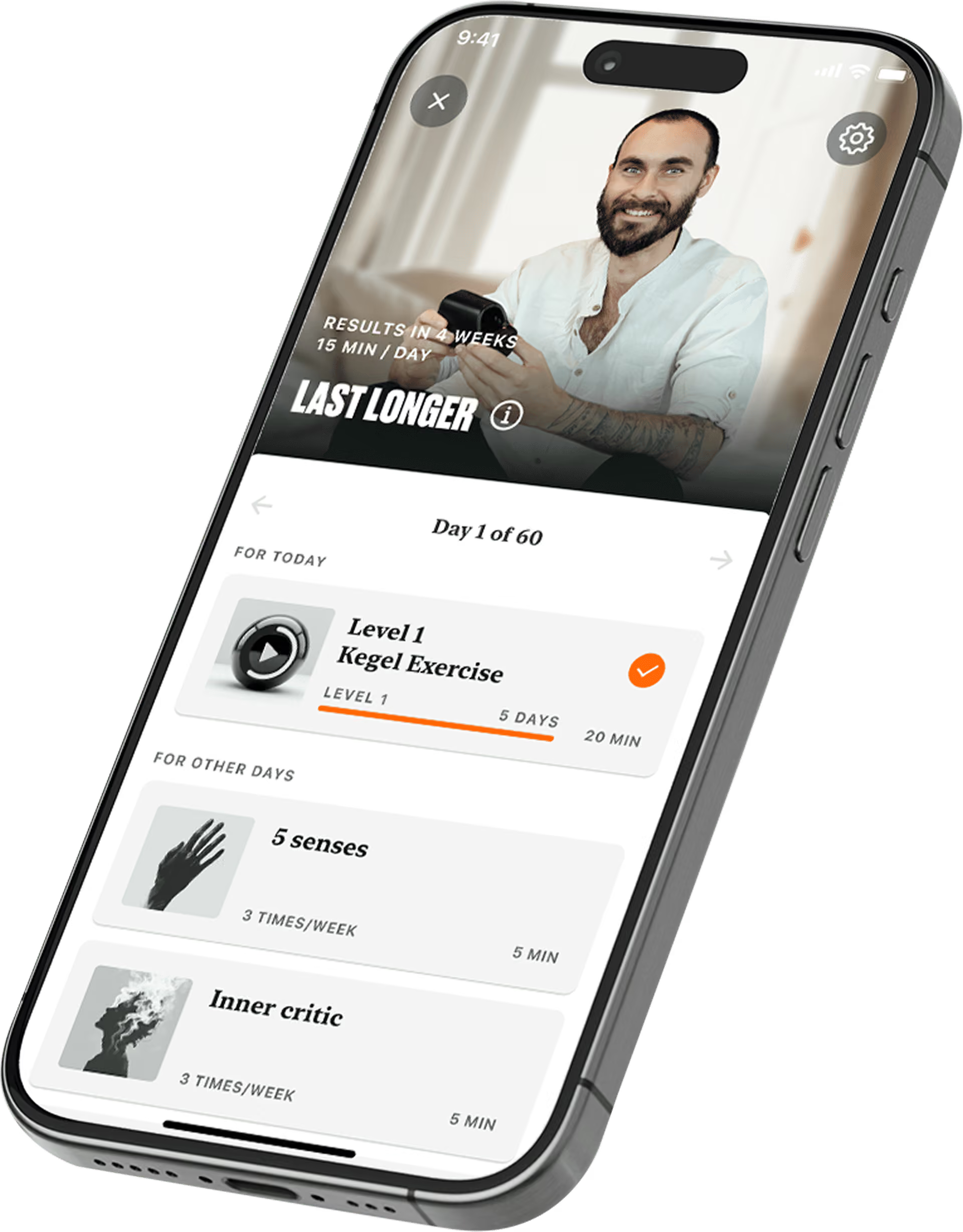
Reverse Kegels for PE can help you learn to relax the pelvic floor, but they’re not a guaranteed treatment. Keep It Hard focuses on erections; if ejaculation timing is your main concern, the Last Longer program and professional advice are more relevant.
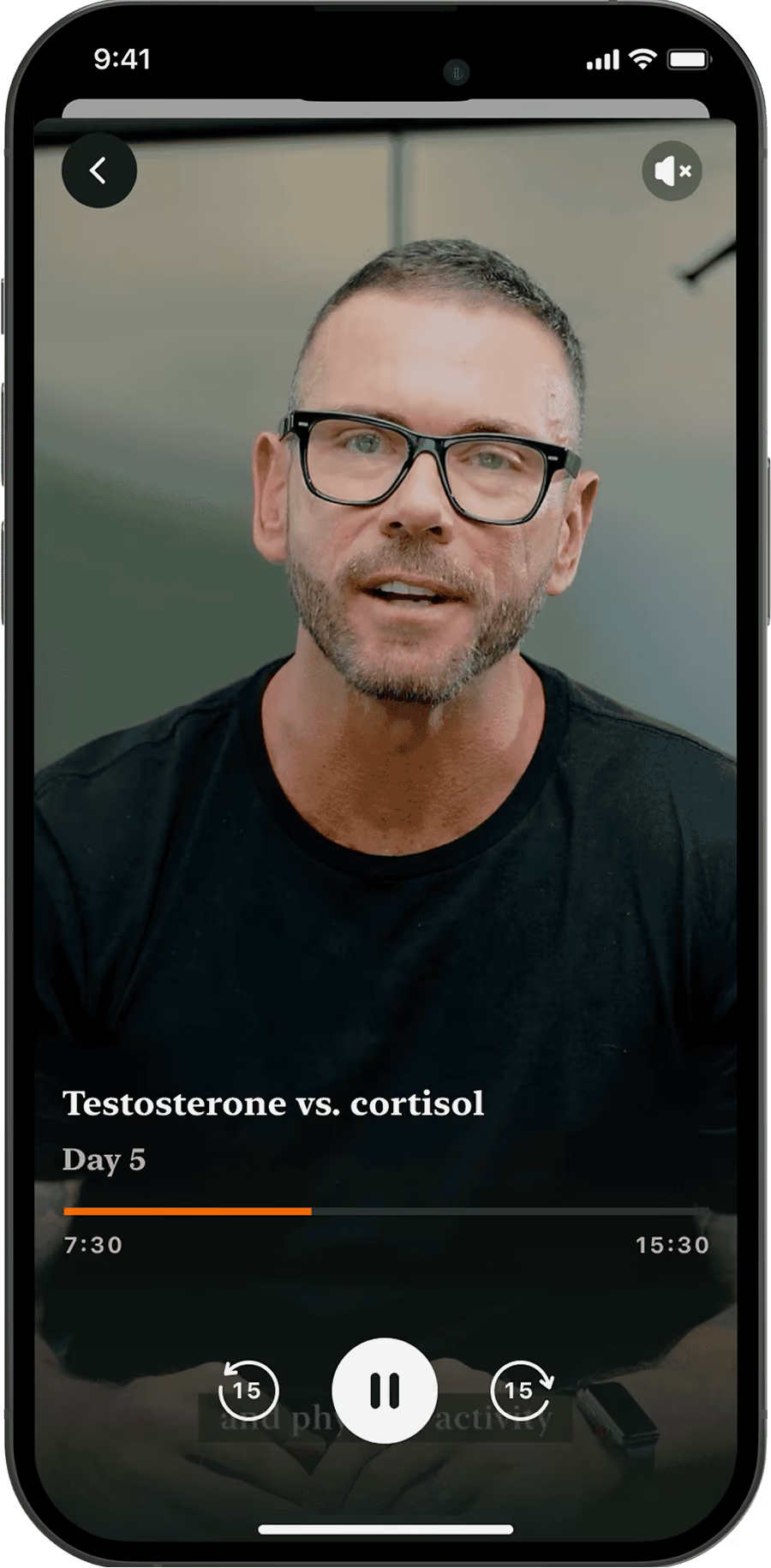
Keep It Hard gives you guided video, audio and text lessons and practices, with a daily plan that tells you what to do. Allow around ten to twenty minutes a day, and get professional advice if symptoms persist or get worse.
No special equipment is needed for these relaxation practices. Choose somewhere comfortable to sit or lie down. Some other parts of Keep It Hard involve a partner; try them only when you both want to.