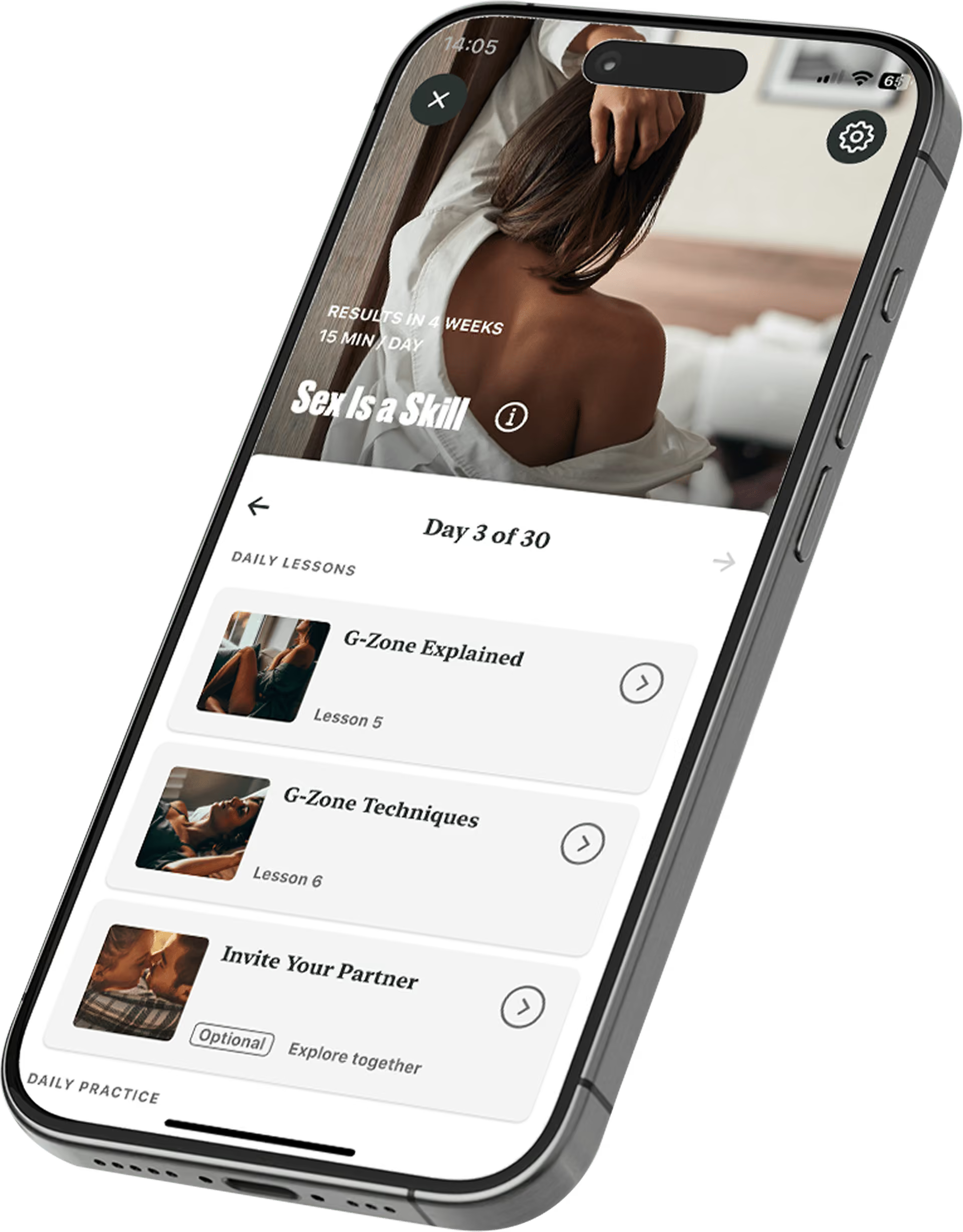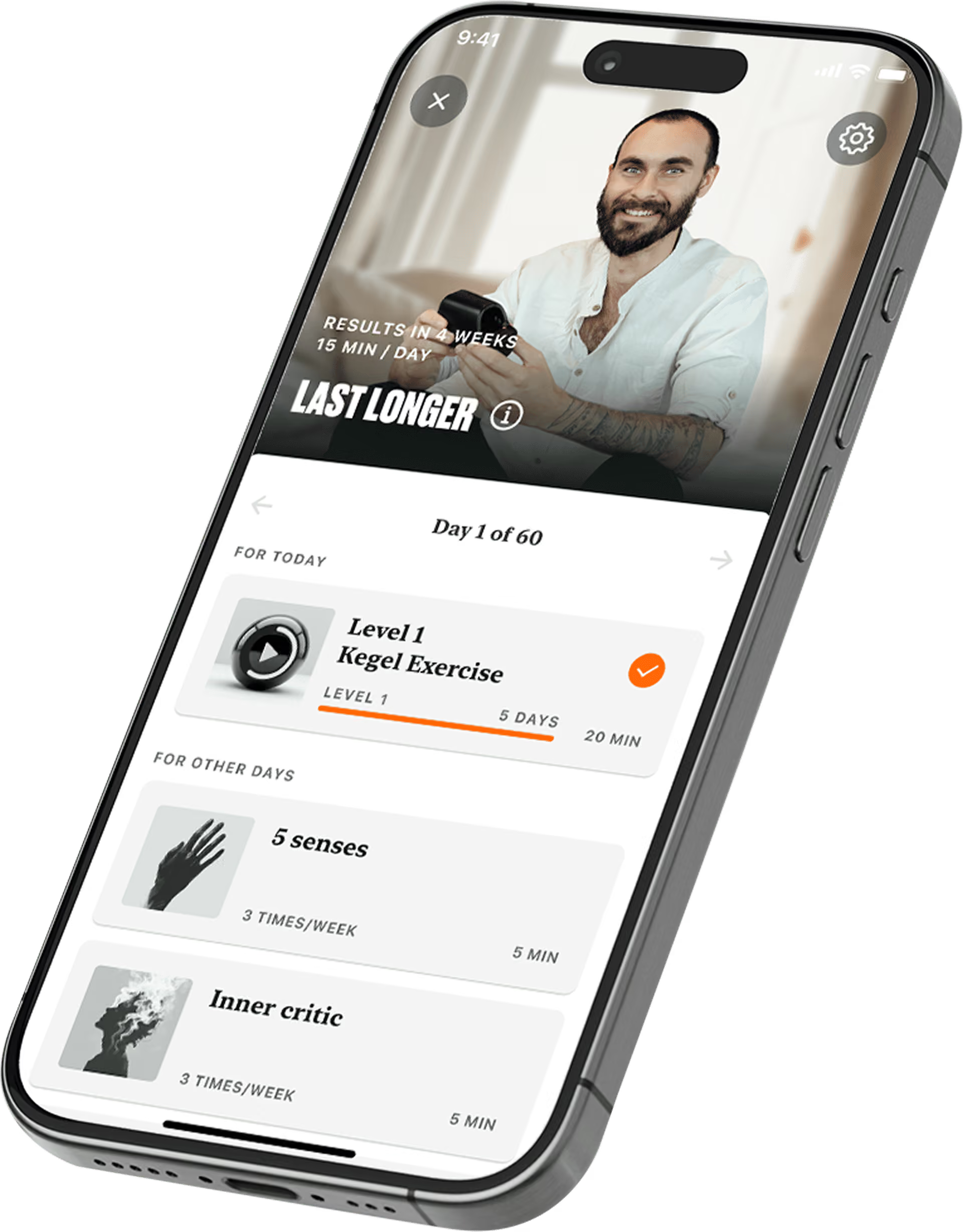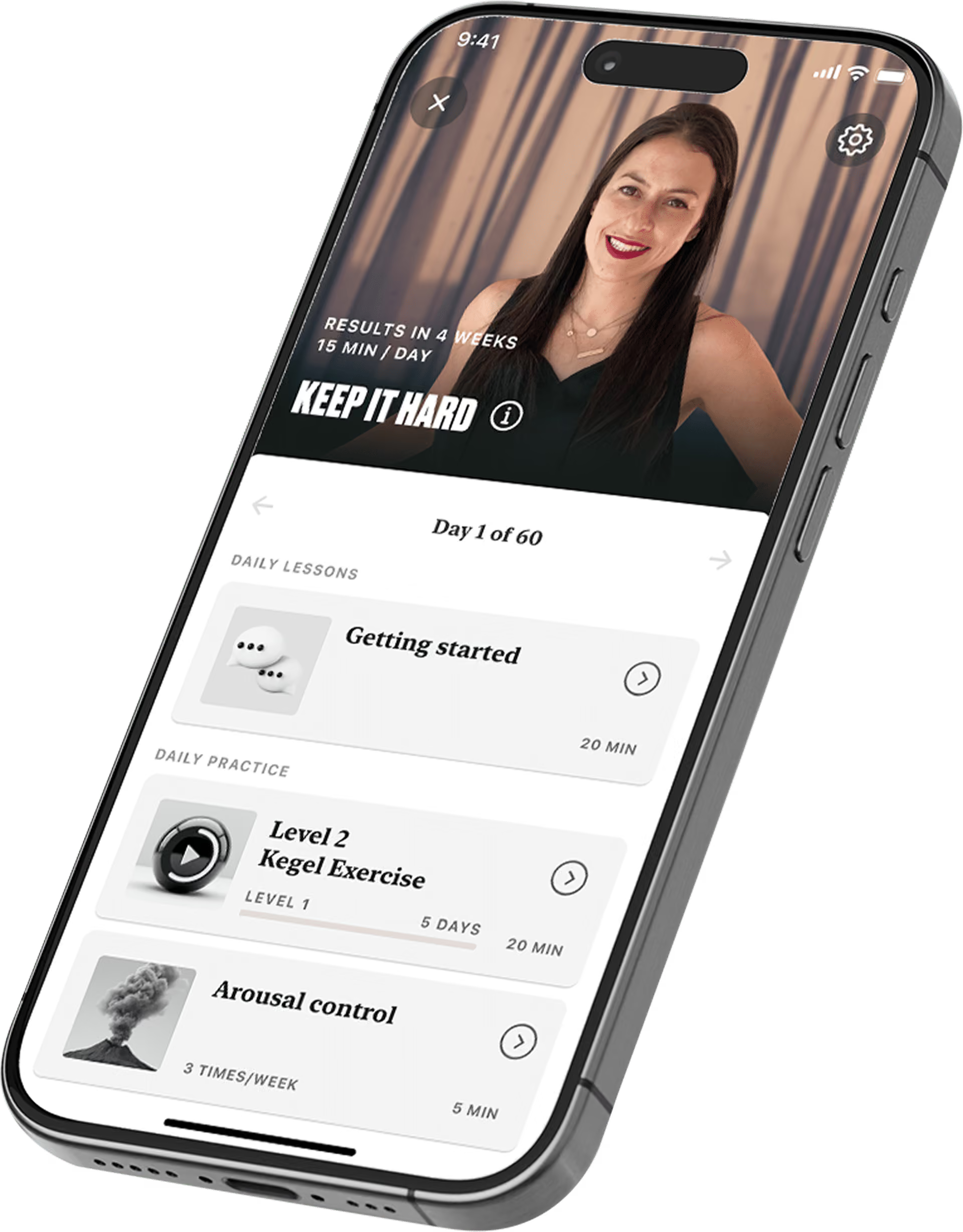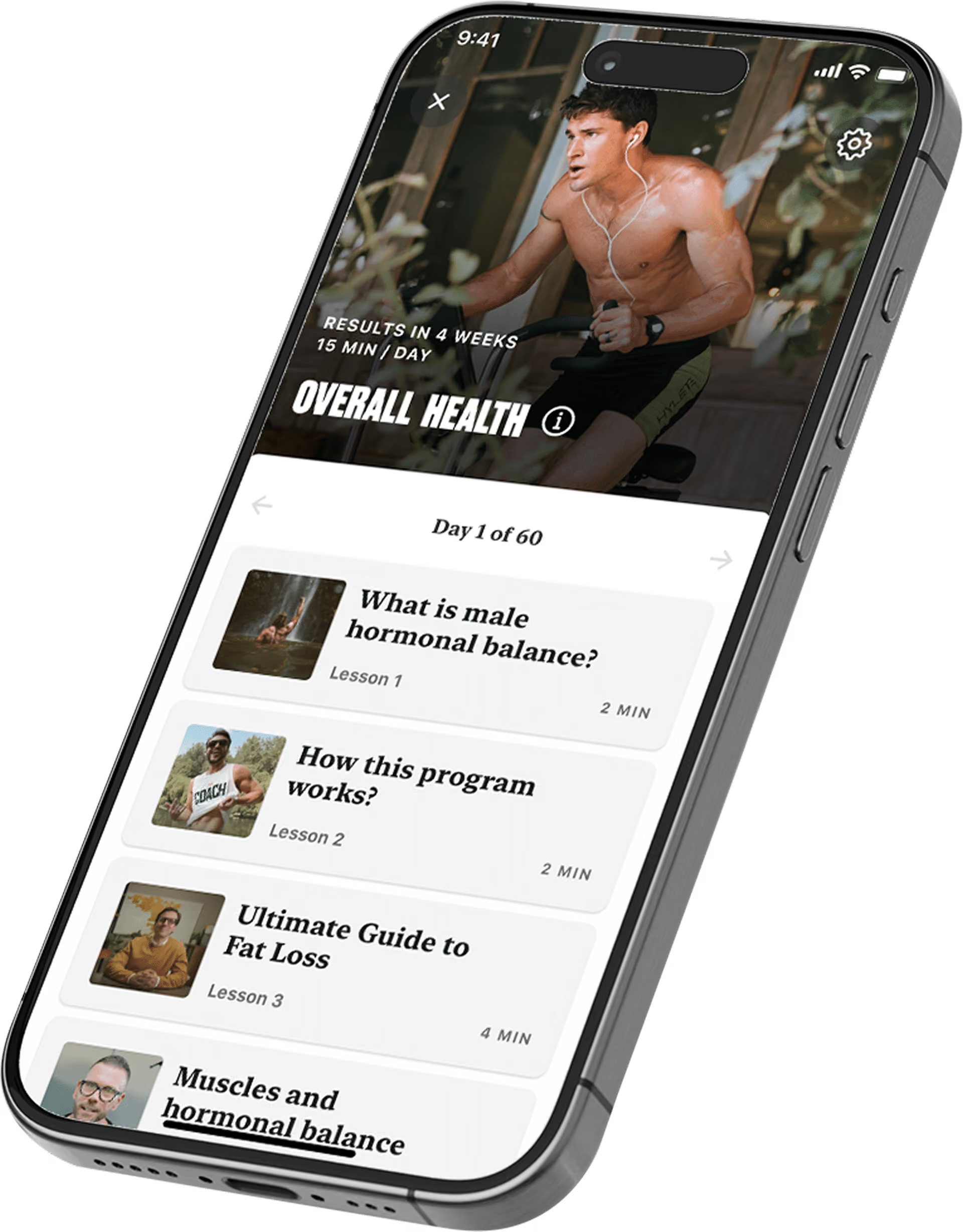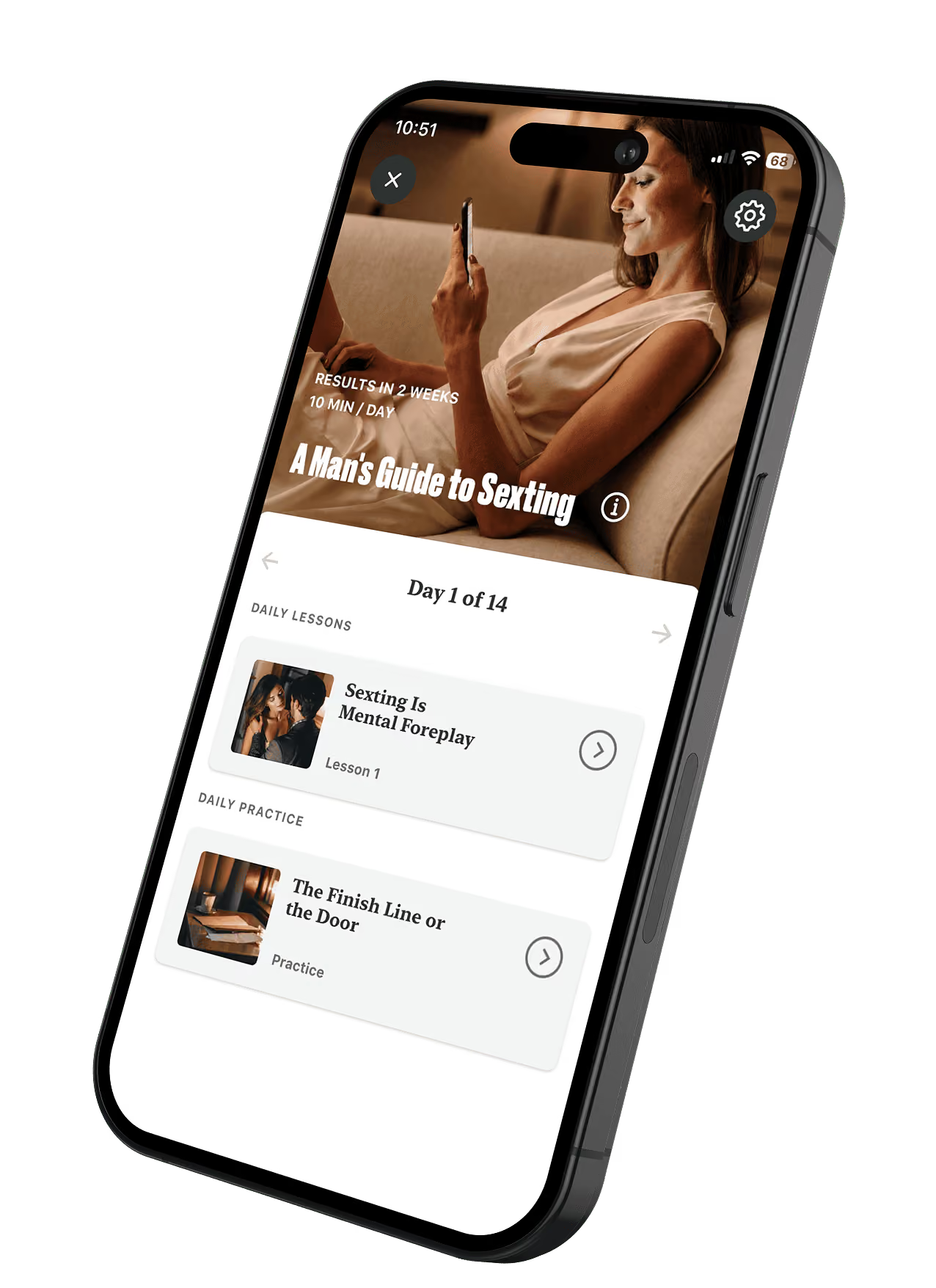
Temperature play uses comfortable warmth and cool touch to explore different sensations on the skin. Start with warm hands or a towel, then try cooler contact if you both want to. Agree on what you’ll use and check that each temperature feels comfortable. The Sex is a Skill program in The Coach app gives day twenty-nine to two practices: warm and cool touch, then textures with an optional blindfold.
See my planTemperature play uses warmth and cool touch to explore different sensations. You might try warm hands or a towel, cool air or a chilled spoon. Agree on what you both want to try and keep every temperature comfortable.
That’s the whole kit. One test before anything touches her: hold it against your own inner wrist. If it isn’t comfortable there, it doesn’t go on her.
The program helps you practice paying attention, checking comfort and making gradual changes.
Four steps, then a second practice and a short debrief.
Temperature play is one kind of sensory play (also called sensation play): sex that works on the skin and the senses instead of going straight for the genitals.
The vocabulary comes from kink, where sensory play in BDSM arrives with a whole kit — blindfolds, restraint, wax, impact — and roles to go with it. We take one thing from it and leave the rest: keeping attention on her skin, and using contrast to hold it there. No wax, nothing binding her, nothing that leaves a mark.
Temperature play comes on day twenty-nine, after practices in noticing her responses and communicating. Agree on the kinds of touch you want to try first. If she flinches, freezes or seems uncomfortable, stop and check rather than assuming she likes the surprise.
The switch matters more than the temperature.
Four things make it work.
Twenty minutes of this never touches the genitals. Collarbone, belly, inner thighs, the back of a knee: places that are easy to skip on the way to sex.
Moving between comfortable warmth and coolness can make touch feel different. Surprise is optional; her comfort matters more.
The first step is one sentence telling her that feeling is her only job tonight. A woman still managing the evening experiences a cold spoon as an interruption rather than a jolt.
A gasp, a flinch or sudden stillness can mean different things. Check how she feels instead of guessing. Paying attention and listening also matter when you’re learning how to make her orgasm.
This is day twenty-nine of Sex is a Skill, The Coach’s thirty-day program about her pleasure, and it sits near the end on purpose.
Day twenty-nine gives you a set order, one rule and a debrief at the end.
From a survey of The Coach users who finished their first four weeks:
Left as they were written on the App Store and Google Play, trimmed only for length.
“This app is a great tool to broaden your skill set in the bedroom. It is easy to follow and actually interesting to go thru each lesson. I have had great results and my wife can’t get enough…”
“I am grateful for the reminders and techniques to enhance and revitalize my love for my wife. Technique that makes you own the confidence that you’re doing the right stuff. Anatomy that we forgot about and sensory stuff that makes her squirm. Thank you”
“There’s a couple of uses for the app, but I liked how organized the section was on ‘Sex is a Skill.’ It has professionally drawn sketches to help you understand what is being described without looking graphic or distasteful. It has helped me up my game in the bedroom and I’m happy with my results!”
“At 61 years old I thought I knew a lot about female anatomy and sex, it turns out I was WRONG! While I have been quite successful in helping women reach orgasm in the past, it turns out it was more from luck than any skill on my part.”
Clinical researchers, certified sex therapists and medical professionals, including practicing urologists, shape what The Coach teaches.
Dr. Justin Lehmiller
PhD in social psychology and senior research fellow at the Kinsey Institute.
Dr. Jessica Yih
Urologist and director of women's sexual health and male infertility at UCI.
Dr. Kirti S. Patel
Board-certified ob/gyn and host of The Gynarchy, a women's-health podcast.
Cameron Fraser
Australia's leading men's sex coach, specializing in male sexual wellness and performance.
Dr. Paula Hall
Accredited sexual and relationship psychotherapist, registered with leading professional bodies in psychotherapy.
Natalie Goldberg
Certified sex and family therapist dedicated to improving intimate relationships and personal well-being.
Dr. Justin Houman
MD, UCLA-trained urologist and male reproductive specialist focusing on sexual health.
Dr. Amy Pearlman
Board-certified urologist specializing in male sexual wellness, performance, and hormonal health.
Putting heat and cold on the body on purpose during sex or in place of it — warmed hands, warm breath, a heated towel, then ice, a chilled spoon, cool air. The point is not the temperature but the contrast between them: each switch wakes the skin up, so the next thing you do registers more than it otherwise would.
The vocabulary comes from there, and so does most of what is written about sensory play in sex. The technique doesn’t need any of it. Here it’s one practice of twenty to thirty minutes with a towel, a mug and a glass of ice water: no roles, no restraints, sensory play in its simplest form.
Try comfortably warm hands or a towel, cool air or a chilled spoon. Avoid hot objects, wax and prolonged cold contact. Check the temperature on your own skin first, then ask whether it feels comfortable to her; your wrist test can’t tell you what she will enjoy.
No. Blindfold sex is optional, and temperature play works without a blindfold. If she wants one, agree on how to pause or stop and make sure she can remove it easily. It may help her focus on touch, but it doesn’t suit everyone.
Then you’ll know within seconds, and that’s useful to know. Warm her again over the same spot and stay on heat, texture and breath — a feather, silk, a warm palm, warm air are all in the same twenty minutes. Contrast does not have to mean cold; it means different from what she expected.