Step 01
Answer the questions
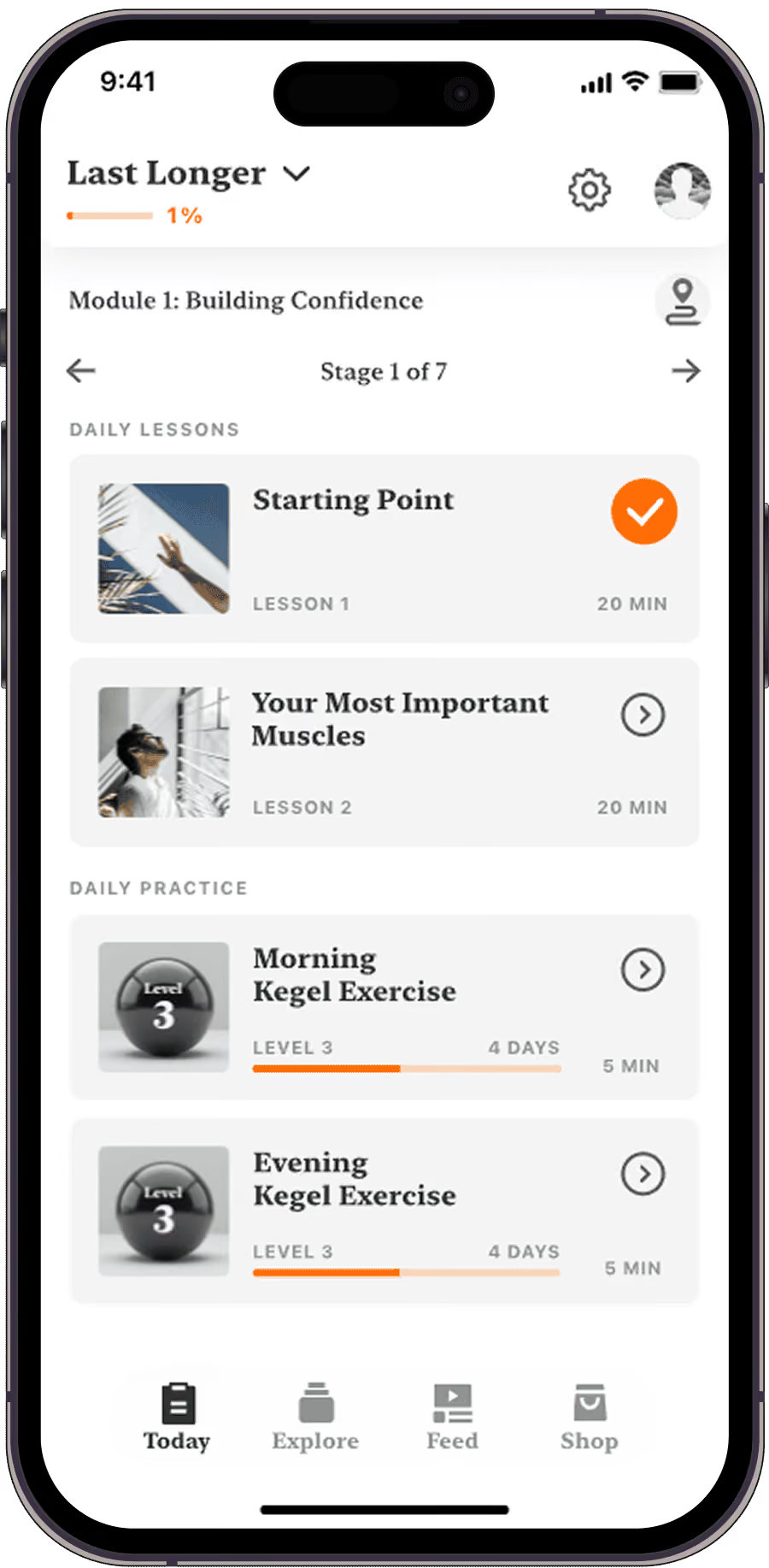
Answer a few questions to get a personal plan based on your responses.

Sleep, exercise and a healthy weight can support normal testosterone levels, especially when poor sleep or excess weight is part of the reason your level is low. Supplements aren’t a reliable shortcut. If you have symptoms of low testosterone, see a doctor, because only your symptoms and blood tests together can confirm it. The Overall Health program in The Coach app helps you work on sleep, nutrition, exercise and stress.
Build my planTestosterone levels can be affected by sleep, body weight, medication and conditions involving the testes or the glands that regulate hormones. Low testosterone isn’t always a problem you can solve through habits alone.
Body fat contains aromatase, an enzyme that converts some testosterone into estrogen. That’s a normal process, but more body fat means more of this conversion, which is one reason excess weight goes with lower testosterone. It doesn’t explain every low result.
How to increase testosterone in men who carry excess weight usually starts with losing it gradually. Even then, the right approach depends on the cause, so get persistent symptoms checked by a doctor as well as changing your habits.
Sleep, nutrition, exercise and supplements play different roles. Start with changes that address your needs, rather than treating them as four guaranteed ways to raise a number.
There’s no universal answer to how to naturally increase testosterone. Healthy habits may help, but they don’t replace an assessment when symptoms persist or a blood test is low.
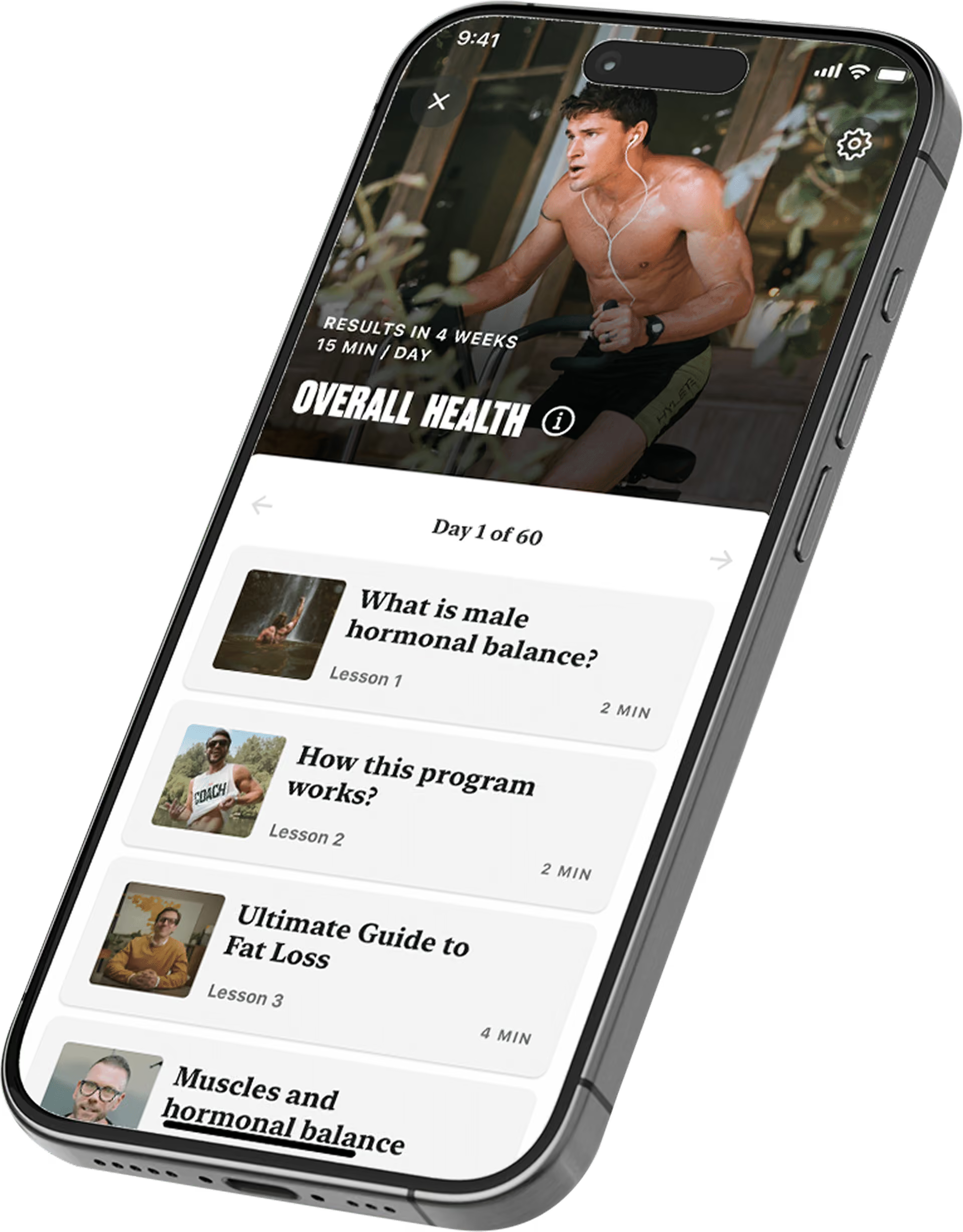
Overall Health is a program in The Coach app. More than 15 lessons cover sleep and mental health, nutrition, exercise and supplements, with practical explanations of how these areas relate to one another.
Step 01
Answer a few questions to get a personal plan based on your responses.
Step 02
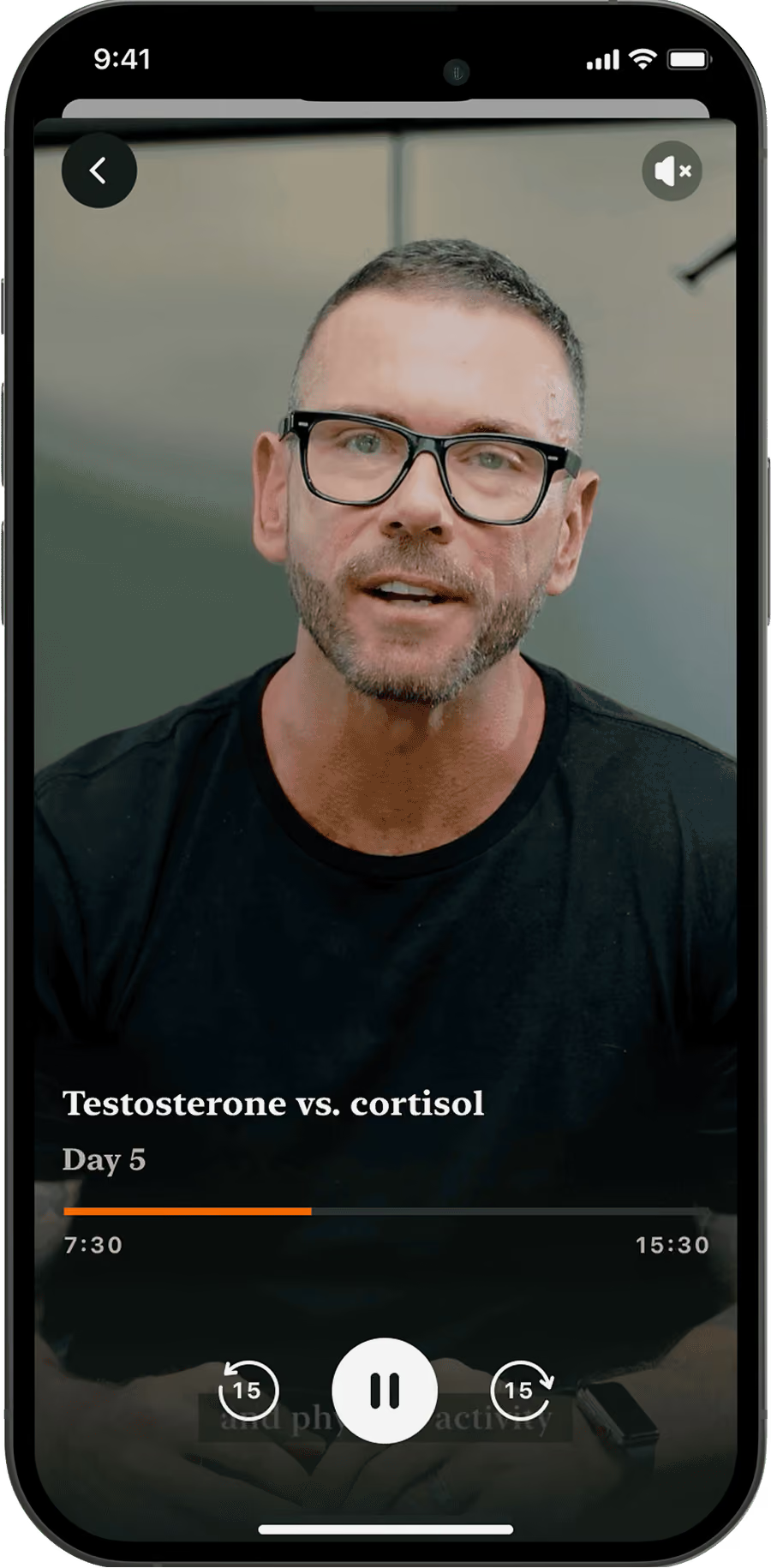
Learn about each area and choose manageable ways to apply the lessons in your daily life.
Step 03
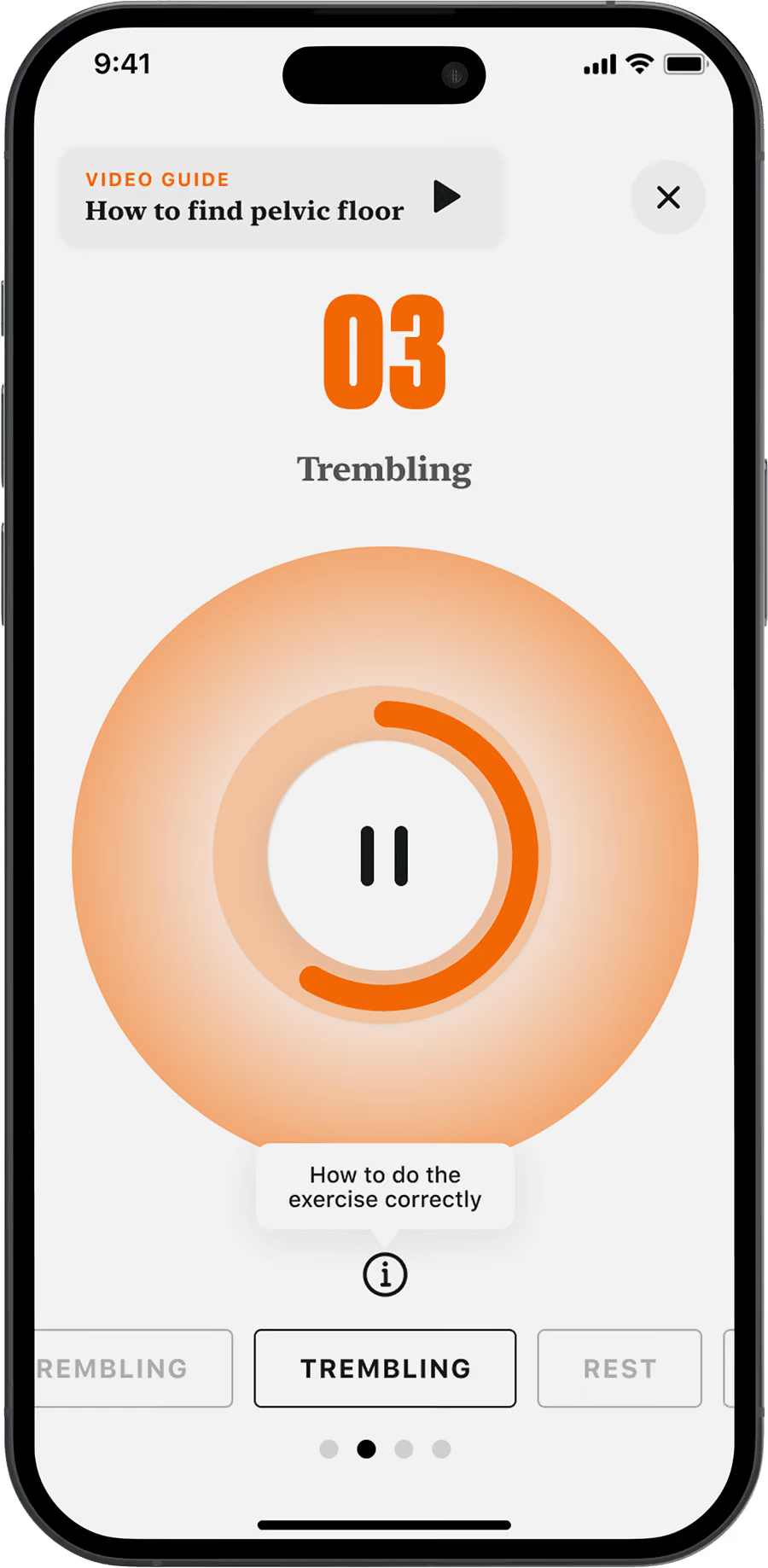
Build habits you can maintain. Changes in wellbeing and hormone levels vary, and the program doesn’t promise a result by a fixed date.
The quiz helps you get a personal plan for putting the lessons into practice.
Each of these can pull you away from habits that help, or delay advice you need.
Habits can support healthy testosterone, but a blood test result only makes sense alongside your symptoms and medical history.
A doctor can decide whether testing is appropriate and interpret the result with your symptoms and medical history. Testosterone changes during the day. Diagnosing a deficiency generally requires consistent low results from separate morning tests, not one result on its own.
Testosterone is one useful measurement, not a complete score for your health. Energy, mood and sexual symptoms can have other causes, even when you’re concerned about hormones.
Testosterone replacement therapy is a medical treatment that requires assessment and follow-up. The Coach doesn’t prescribe medication. If you’re looking into how to boost testosterone levels because of persistent fatigue, low desire or erection changes, discuss those symptoms with a doctor. In the meantime, you can start working on everyday habits.
A personal plan can help you turn what you learn about sleep, nutrition and exercise into changes you can maintain.
Tiredness can occur with low testosterone, but it has many other causes. It can also make healthy habits harder to maintain.
You don’t need to solve everything at once. Pick one practical change, and book an appointment if the fatigue persists or has no obvious explanation. If you often snore heavily or wake unrefreshed, mention it to the doctor.
Products sold as testosterone boosters contain different ingredients, and their evidence and risks vary. Correcting a diagnosed deficiency is different from taking a blend that promises higher testosterone.
Ask a clinician whether a supplement is appropriate, particularly if you take medication. Don’t assume that adding one to healthy habits will raise testosterone further.
There’s no single best testosterone booster for erectile dysfunction. Erection problems have several possible causes, and a supplement may not address them. If you’re thinking about how to increase testosterone for erectile dysfunction, ask a doctor first whether low testosterone is actually involved. For more on the other causes, see our guide to erectile dysfunction.
Knowing the advice doesn’t always make it easy to follow. A routine works better when it fits your health, time and circumstances.
A regular bedtime, a short walk or more balanced meals can be easier to maintain than a complete lifestyle overhaul. Choose what needs attention in your own routine.
Changes to sleep, weight and exercise work over weeks and months rather than days, and there’s no guaranteed timeline. Notice how you feel, and follow your doctor’s advice on whether and when to repeat a test.
More than fifteen lessons explain sleep and mental health, nutrition, exercise and supplements, and how each one affects the others, so you can make informed choices day to day.
You can keep using what you learn as your routine changes. Adjust habits to your circumstances rather than treating them as a short challenge.
From a survey of The Coach users who had finished their first four weeks:
Reviews from users of The Coach, in their own words:
“Great app to understand the importance of the diet, exercise and lifestyle. Loving the app, using it for exercise and new learning. Keep going. And thanks for existing.”
“I love the holistic approach…there is so much great content. Particularly like the tough Kegel Resistance Training and the workouts. They are transforming my body into a very strong, powerful, youthful version.”
“It’s such an amazing thing to find a useful app, that is scientifically based and has a holistic approach to men’s health. I am loving it because it covers the physical, mental and emotional parts of your life so you can address your issues efficiently. I highly recommend it.”
“It’s been such a great help! I have seen nothing but positive outcomes! My wife is happier and my stamina is better. The app is also full of great information and all of it helps, along with the meal plans and workout plans I highly recommend The Coach!”
The survey describes users’ experiences, not measured testosterone changes. Your own plan starts with your answers to the quiz.
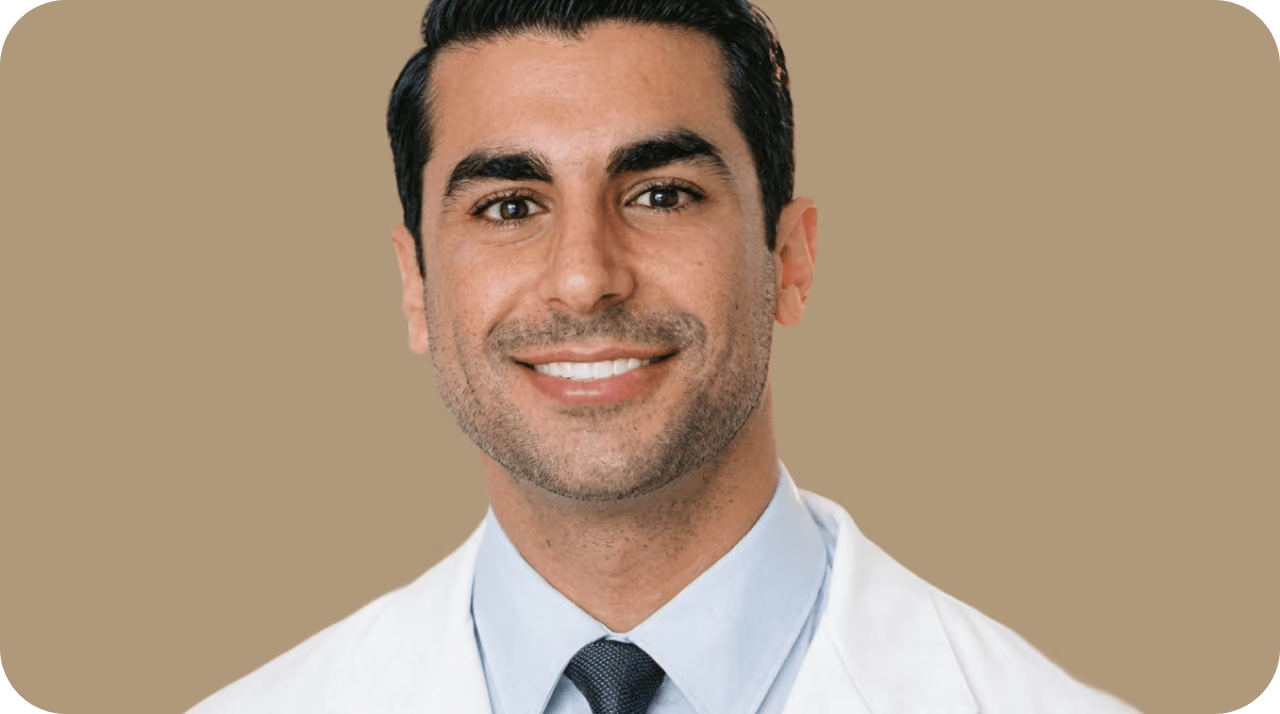
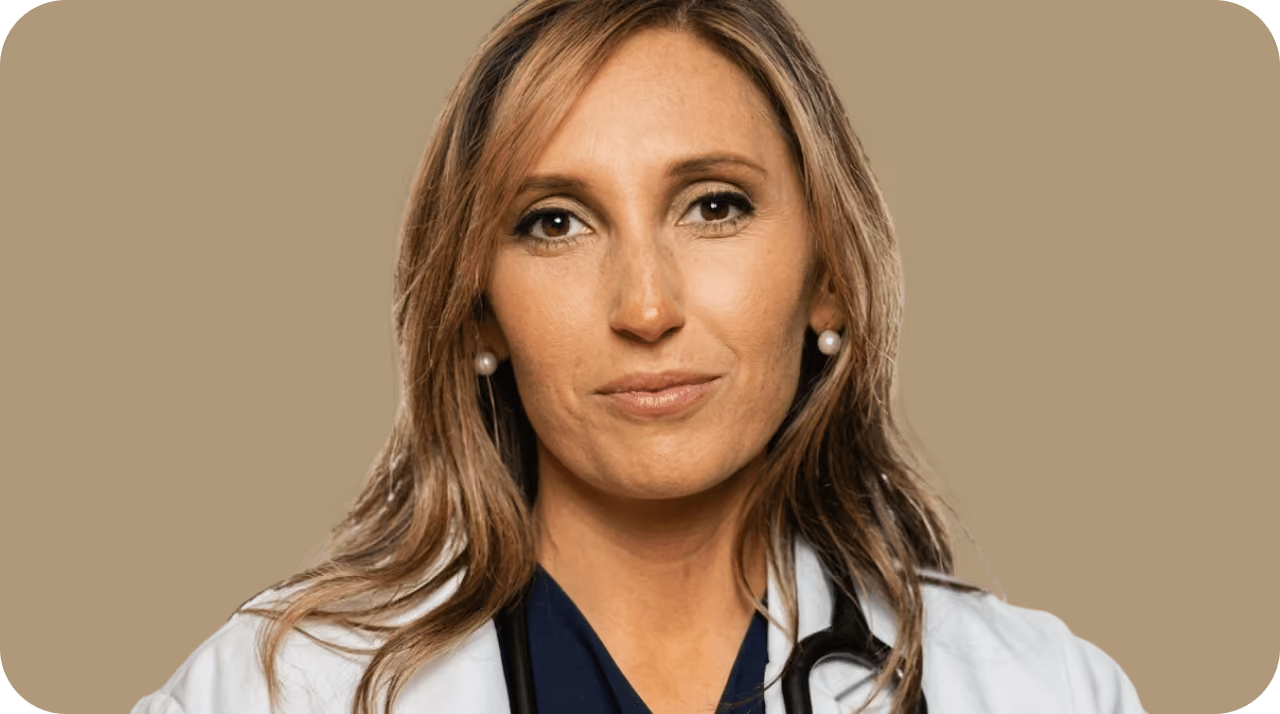
More than 25 specialists contributed to Overall Health, bringing experience from sleep medicine, nutrition, exercise, urology and other fields.
Dr. Gary Shlifer
DO, board-certified internal medicine physician specializing in preventative care, nutrition, and anti-aging.
Rick Brennan
Certified personal trainer, strength coach, sports nutritionist, and professional WFF athlete.
Dr. Joshua Roland
MD, sleep medicine specialist, and clinical instructor at the David Geffen School of Medicine, UCLA.
Ben Greenfield
13-time Ironman triathlete, bestselling author, and recognized expert in health, fitness, and performance.
Caleb Jude Packham
Sattva yoga teacher and founder of Wellness Warrior, focused on holistic male wellness.
Dr. Justin Houman
MD, UCLA-trained urologist and male reproductive specialist focusing on sexual health.
Dr. Amy Pearlman
Board-certified urologist specializing in male sexual wellness, performance, and hormonal health.
Gerard Greene
Specialist men’s health physiotherapist and senior lecturer at Coventry University.
Possible signs include low sexual desire, fewer spontaneous erections and low energy, though each of these can have other causes. A doctor looks at your symptoms and medical history alongside blood tests, so a symptom checklist on its own can’t confirm a deficiency.
There’s no fixed timeline; it depends on the cause and the changes or treatment involved. If you’re asking how to increase testosterone levels quickly, avoid products promising an immediate result. A clinician can advise on testing and follow-up.
Start with enough sleep, regular activity and a healthy weight: that’s how to boost testosterone naturally when lifestyle is part of the cause. These habits don’t replace medical care for a confirmed deficiency.
No. Regular exercise supports health, but more intensity or volume doesn’t reliably mean higher testosterone. Allow recovery and choose training you can sustain.
Overall Health includes over 15 lessons on sleep and mental health, nutrition, exercise and supplements. They explain how these areas connect and help you apply the knowledge in daily life.
Sometimes, but there are several possible causes of erection difficulties. If the change persists or affects erections during sleep, sex or masturbation, discuss it with a doctor. Our guide to erectile dysfunction explains how physical and psychological causes differ.
You don’t need a partner or a particular gym to improve sleep, nutrition and everyday activity. Choose exercise suited to your health and circumstances.