Get enough sleep.
Poor sleep can lower testosterone, raise stress hormones and make fat loss harder, and each of these can dampen desire.

Low libido in men can have several causes, including poor sleep, stress, relationship difficulties, medication and health conditions. Start by looking at what has changed and choosing one manageable habit to improve. If the drop worries you or persists, speak with a doctor. The Overall Health program in The Coach app helps you work on sleep, nutrition, exercise and stress in your daily life.
Get my planLibido means sexual desire: wanting sexual contact. Arousal is the physical response, which may include an erection. The two often happen together, but you can feel desire without an erection, or have an erection without wanting sex.
There’s no reliable answer to how to increase male libido instantly. Touch or a change of scene can help you feel aroused in the moment, but if low desire lasts, it’s worth looking at what’s behind it.
Working out how to boost libido in men begins with what’s holding desire back. Poor sleep, ongoing stress and tension in a relationship each need a different response, so look first at whatever has changed most in your own life.
Sleep, stress, body weight and exercise can affect sexual wellbeing. They’re useful areas to review, though they don’t explain every change in desire.
Poor sleep can lower testosterone, raise stress hormones and make fat loss harder, and each of these can dampen desire.
Ongoing stress can make it harder to feel interested in sex. Notice what helps you relax and make room for it regularly.
Excess body fat is linked to lower testosterone. If you need to lose weight, aim for gradual changes in eating and activity.
Some kinds of training support testosterone, while others mostly add stress, especially when you don’t rest enough. At first, doing it regularly matters more than how hard you push.
Low sex drive in men may develop gradually or appear suddenly. A sudden loss of sex drive deserves attention, especially if it follows a new medication or comes with other symptoms. Possible contributors include:
Treatment for low libido in males depends on the cause. Speak with a doctor if the change persists, bothers you, follows a new prescription or comes with fatigue, weight changes or low mood. Don’t stop prescribed medication on your own. The Coach provides education and support with habits; it doesn’t diagnose or prescribe.
You can work on sleep, exercise and stress while seeking advice. You don’t need to identify the cause on your own before asking for help.
Body fat contains an enzyme called aromatase, which converts some testosterone into estrogen. This is a normal process. Excess body fat can be associated with lower testosterone, but it isn’t the only possible cause of a low level or reduced desire.
If you’re carrying excess weight, losing it gradually may help your general health and your hormone levels. It won’t solve every libido problem, and if you aren’t overweight, there’s no reason to diet for the sake of desire.
Sleep, manageable exercise and balanced meals can support that effort. Choose changes you can maintain without extreme diets or exhausting workouts.
Here’s how to improve sex drive without overhauling your whole life: start with the habit that needs the most attention, then add the next one once it feels settled.
Knowing what to try is one step; fitting it into daily life is another. Overall Health brings the lessons together, and the quiz gives you a personal plan to start from.
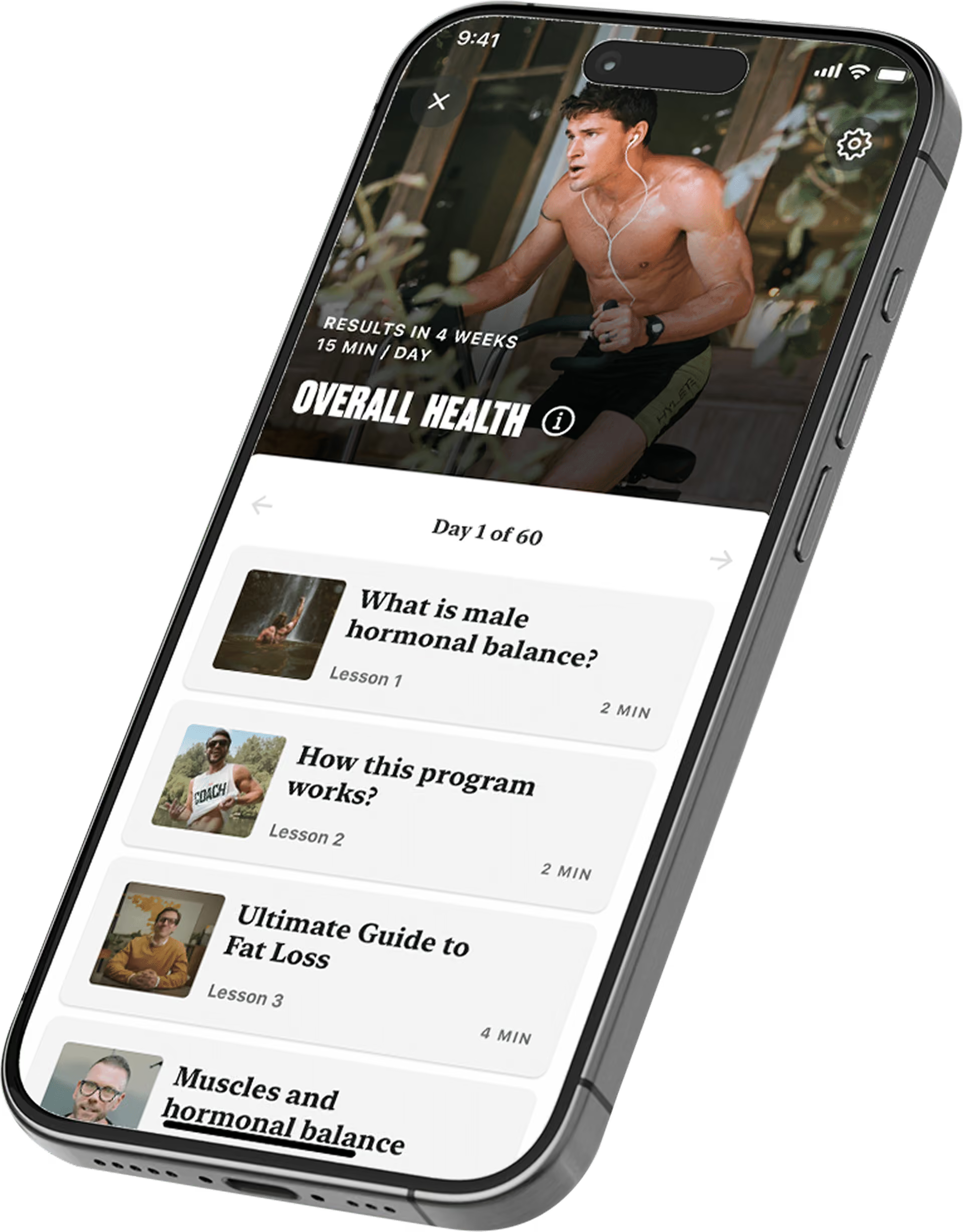
Overall Health is a program in The Coach app, developed with specialists in men’s health. It covers sleep and mental health, nutrition, exercise and supplements, with lessons on how these areas relate to one another.
Step 01
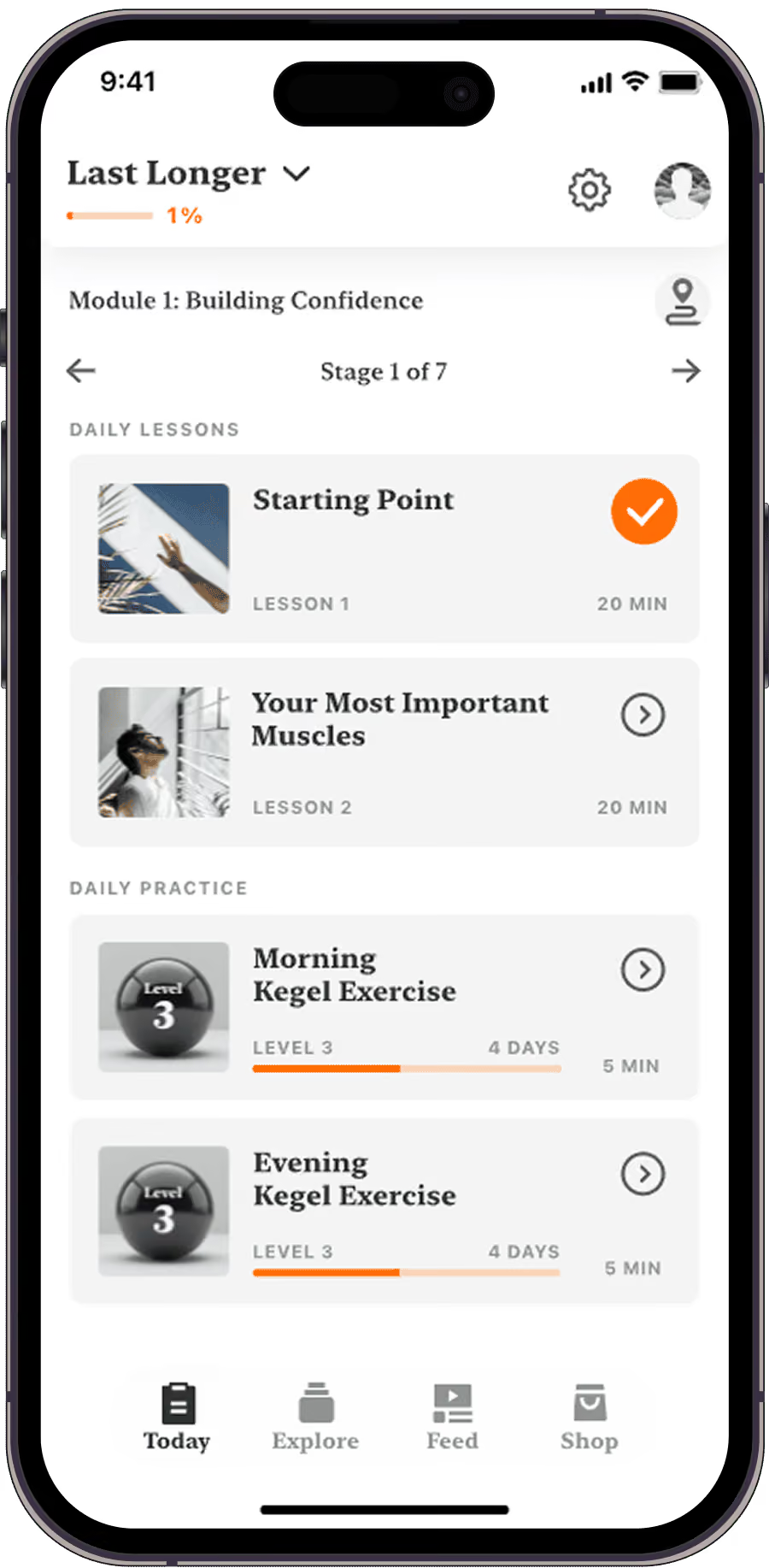
Answer the quiz to get a personal plan based on your responses.
Step 02
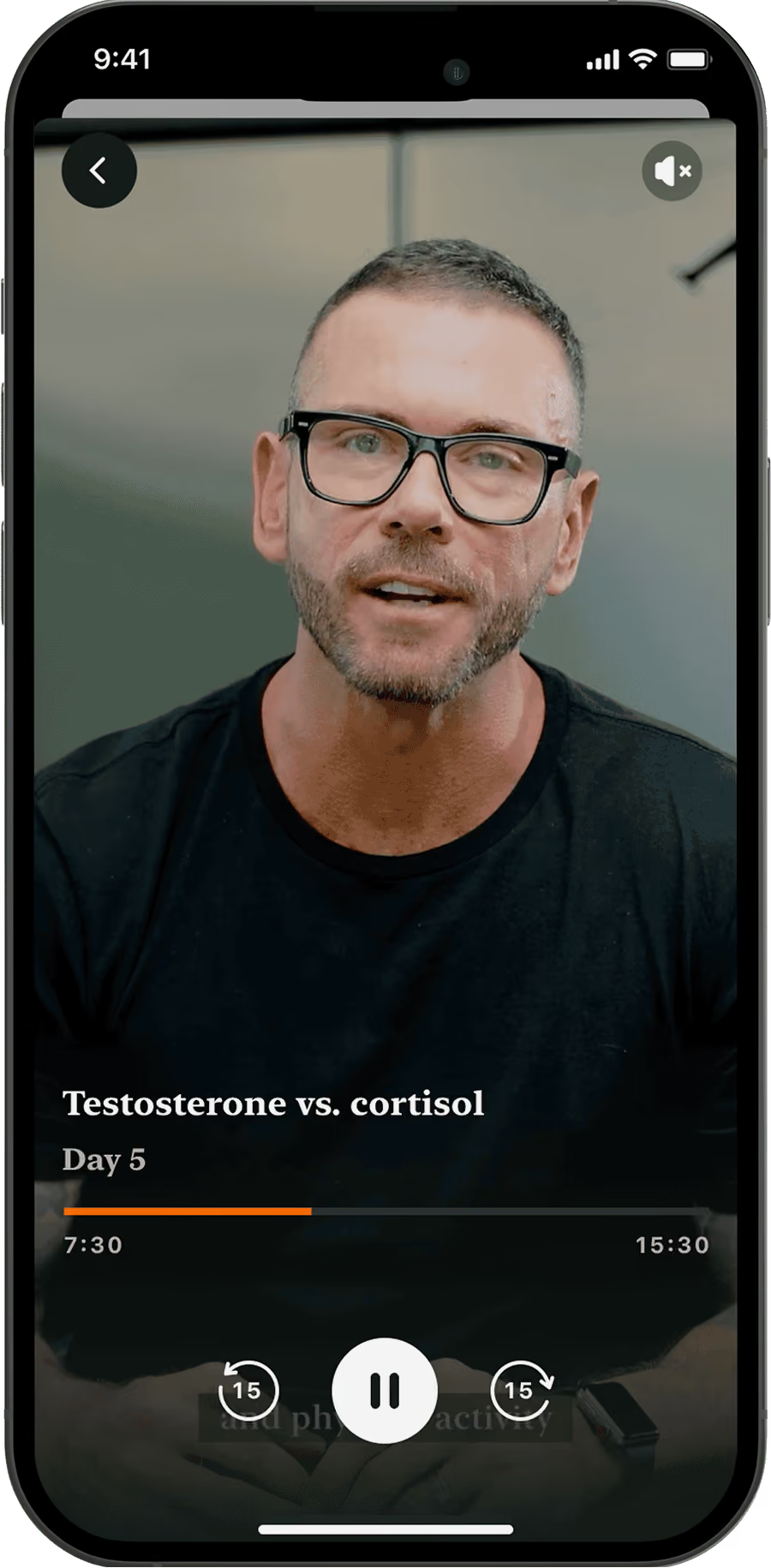
Learn about sleep and mental health, nutrition, exercise and supplements, and how to apply that knowledge in daily life.
Step 03
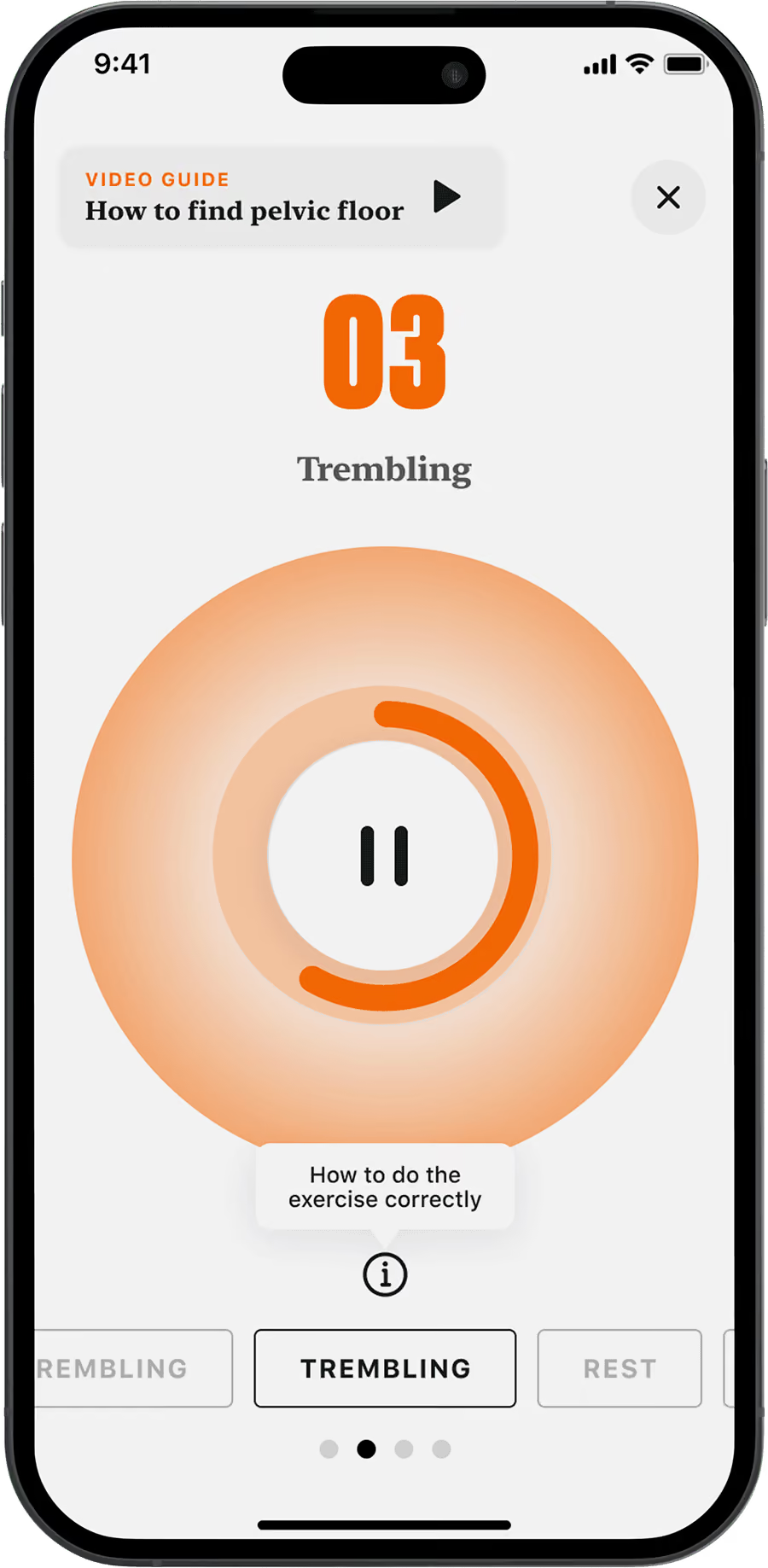
Build habits you can maintain and pay attention to how you feel. Progress varies; the program doesn’t promise a change in libido or hormone levels by a set date.
Answer a few questions to get your personal plan.
Sleep, stress and daily habits can affect desire. They’re worth attention alongside your health and relationships.
Products sold as a libido booster for men may contain horny goat weed, maca, tribulus, zinc or a mixture of ingredients. The label alone can’t tell you whether a product will help you.
Evidence and risks vary by ingredient. A supplement may be useful for a specific deficiency, but it isn’t a reliable treatment for low desire. Ask a clinician before taking one, especially if you use medication.
No single food reliably increases sex drive. Focus on balanced meals that support your health, rather than a list of supposed aphrodisiacs.
Erection difficulties and low desire are different concerns. You may want sex but have trouble getting an erection, or have erections without much interest in sex.
The two can occur together and may share contributing factors, including stress, medication or a health condition. That doesn’t mean they always have the same cause.
Seek medical advice if erection difficulties persist, particularly if they happen both alone and with a partner. You can also ask for help with low desire even when erections are unaffected. Our guide to erectile dysfunction explains erection difficulties in more detail.
From a survey of The Coach users who finished their first four weeks:
These are users’ reports, not a prediction of your results. Take the quiz to explore your own starting point.
Reviews from users of The Coach, in their own words.
“I never knew I could boost my sex drive and performance the way they taught me. I thought running and excercisig were enough, but this took me to another level! Also, sex knowledge materials are very useful for a satisfying relationship. Absolutely recommended!”
“Great education It’s great education and fantastic program it helps a lot as a man in my 50s ,. After just few days I see a lot of improvement in my urinary health ,, less getting up at night.. my partner is happy with intimacy and performance improvement Thanks to the coach”
“I love the holistic approach…there is so much great content. Particularly like the tough Kegel Resistance Training and the workouts. They are transforming my body into a very strong, powerful, youthful version.”
“It offers a high-quality, comprehensive guide that goes beyond just being a PE or ED aid—it's a true men’s wellness resource. I even started recommending it to my friends, which is something I rarely do. I highly recommend it. 50+ year-olds of the world, unite and take over!”
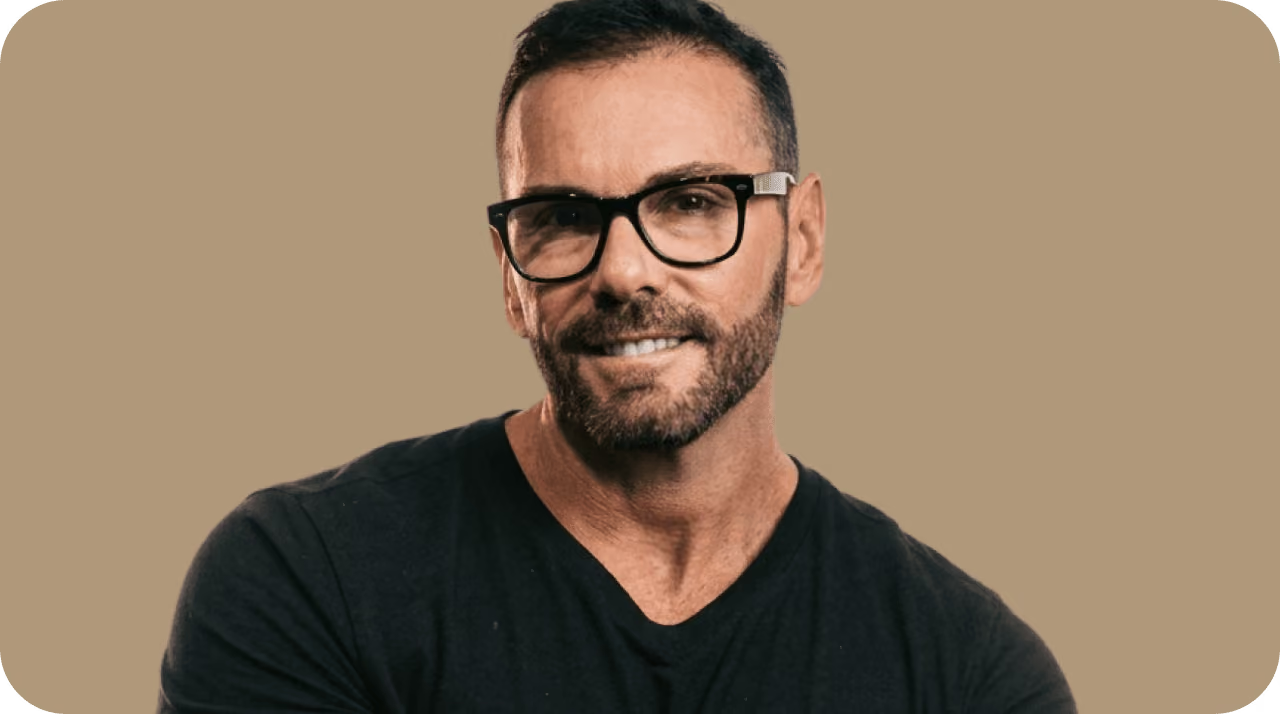
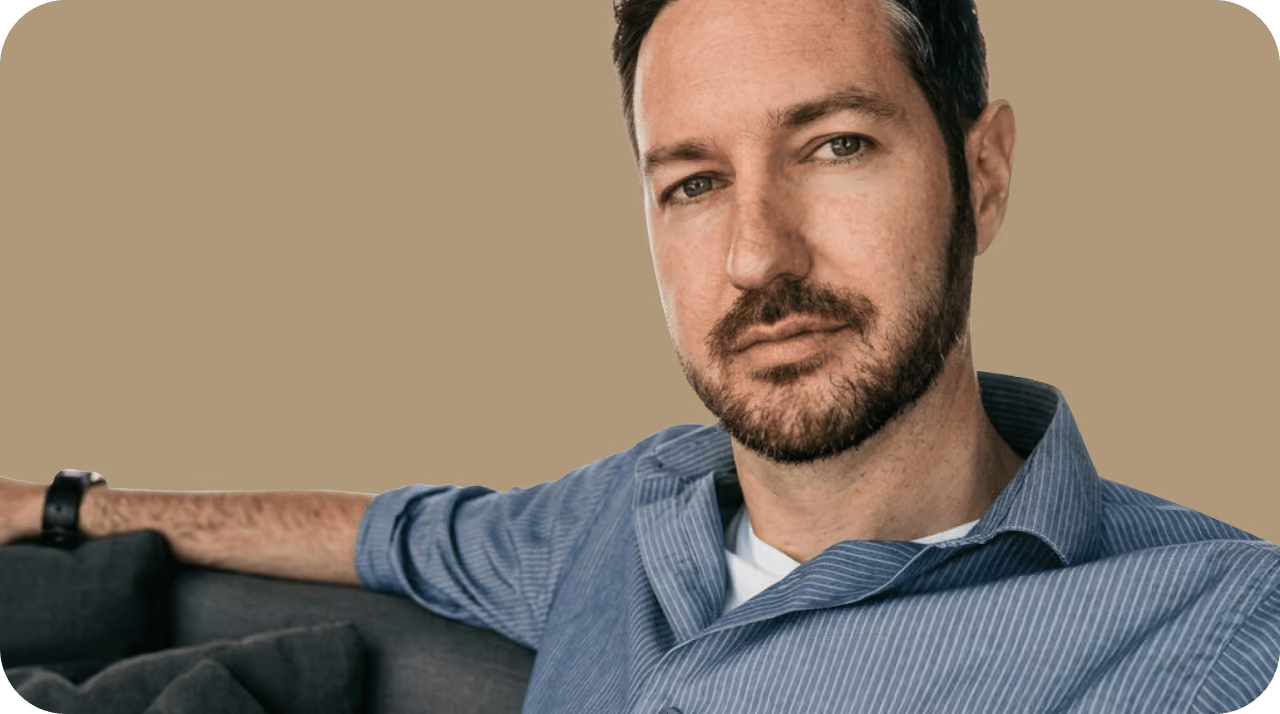
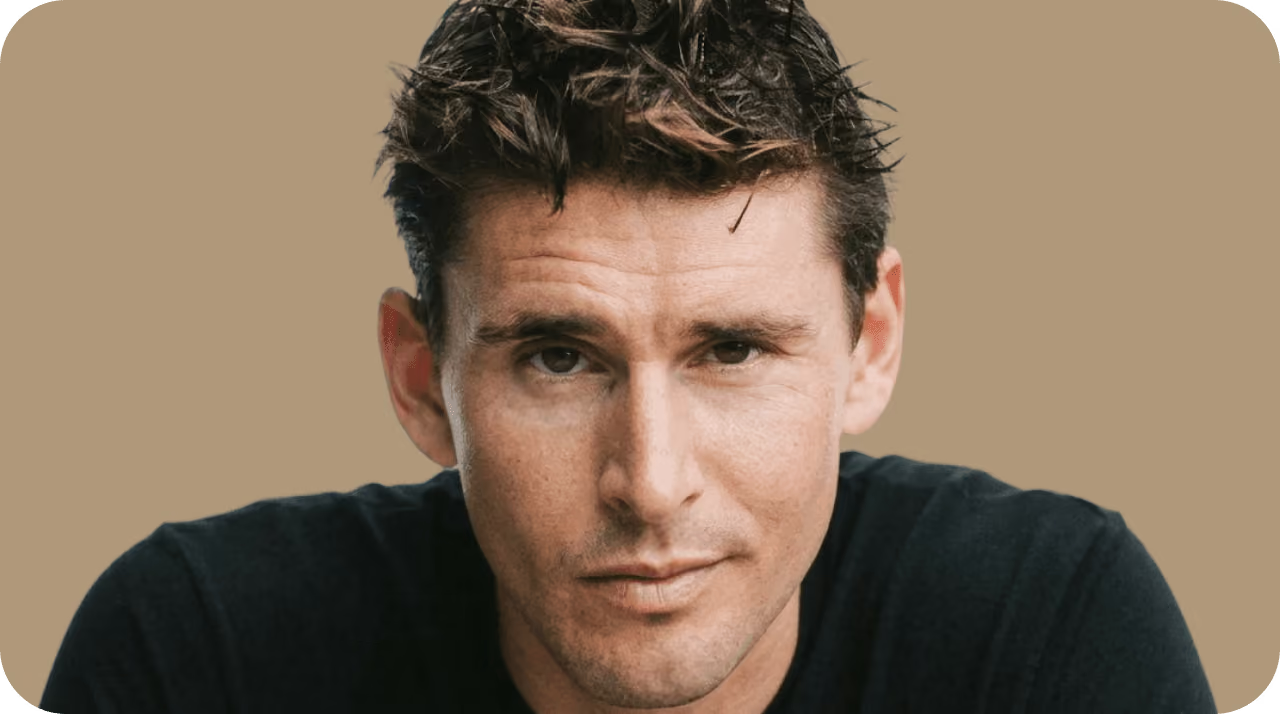
The program brings together expertise in nutrition, exercise, sleep medicine, urology and other areas of men’s health.
Dr. Gary Shlifer
DO, board-certified internal medicine physician specializing in preventative care, nutrition, and anti-aging.
Rick Brennan
Certified personal trainer, strength coach, sports nutritionist, and professional WFF athlete.
Dr. Joshua Roland
MD, sleep medicine specialist, and clinical instructor at the David Geffen School of Medicine, UCLA.
Ben Greenfield
13-time Ironman triathlete, bestselling author, and recognized expert in health, fitness, and performance.
Caleb Jude Packham
Sattva yoga teacher and founder of Wellness Warrior, focused on holistic male wellness.
Dr. Justin Houman
MD, UCLA-trained urologist and male reproductive specialist focusing on sexual health.
Dr. Amy Pearlman
Board-certified urologist specializing in male sexual wellness, performance, and hormonal health.
Gerard Greene
Specialist men’s health physiotherapist and senior lecturer at Coventry University.
There’s no fixed timeline. How to improve libido in men depends on the cause, and on making changes you can keep up. Sleep and stress often improve before desire does. If low libido persists or bothers you, a doctor can help you decide what to do next.
No. Libido is sexual desire; an erection is a physical response. Either can change without the other, though both may be affected by the same health or emotional factors. Persistent erection difficulties deserve medical advice.
They aren’t a reliable solution for everyone. Benefits depend on the ingredient and whether there’s a specific need, such as a deficiency. Prescribed testosterone is a separate medical treatment. Discuss supplements with a clinician rather than treating them as an essential step.
Overall Health is a structured program of more than fifteen step-by-step lessons on sleep and mental health, nutrition, exercise and supplements, and on how the four connect. It was built with more than twenty-five experts in fields including nutrition, fitness, sleep medicine, endocrinology, urology and sex therapy.
You don’t need a partner or a particular gym to work on sleep, nutrition and everyday activity. Choose exercise that suits your health and circumstances.
A doctor can decide whether testing is appropriate based on your symptoms and history. Low desire alone doesn’t establish low testosterone. Persistent or sudden changes, especially with other symptoms, are worth discussing.