


Menu


39.55 nmol/L
of total testosterone
is lower than normal
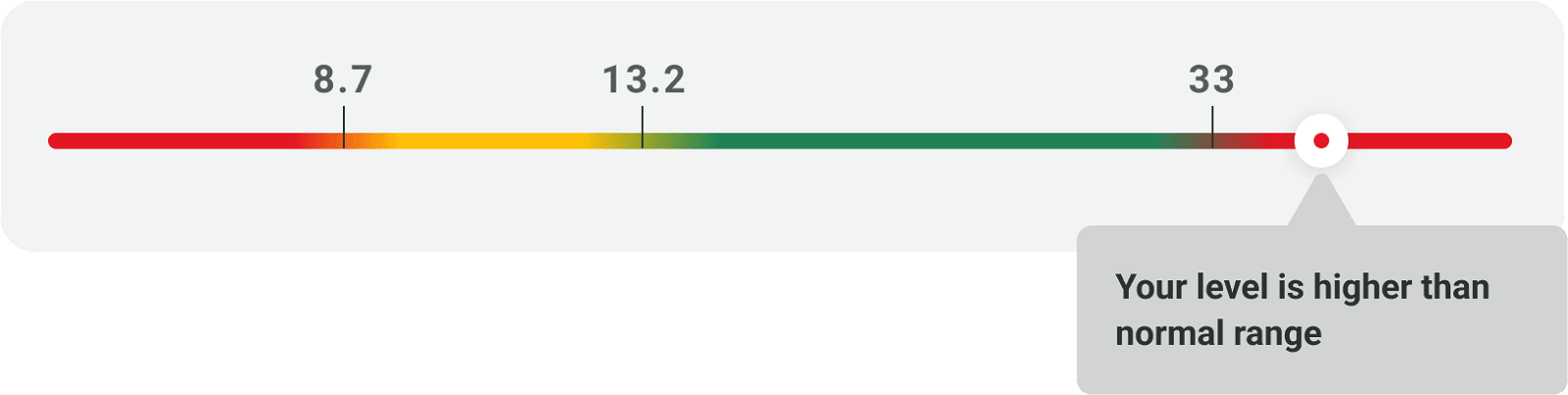
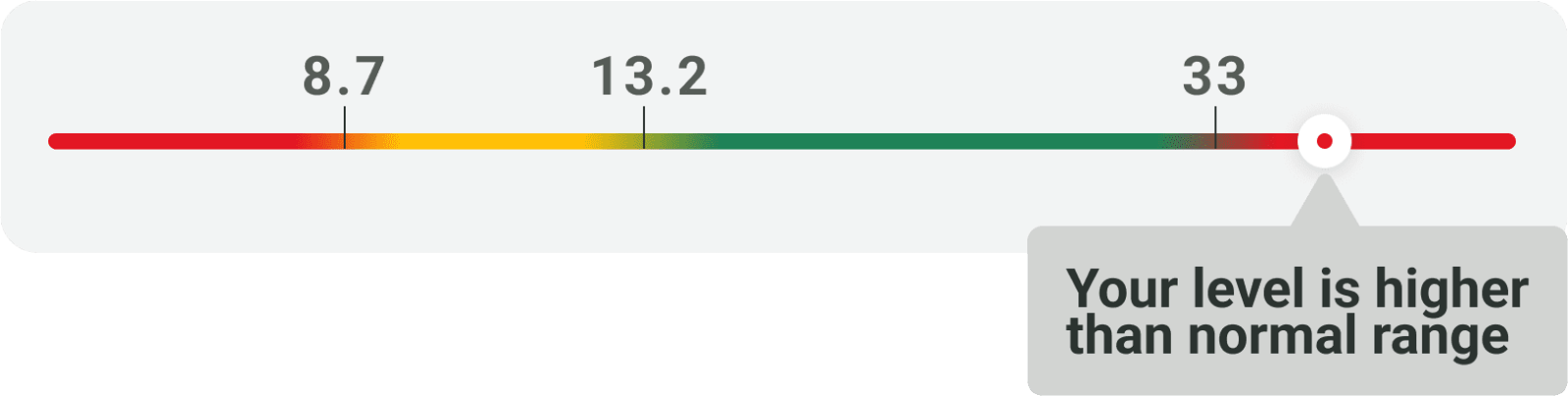
With a total testosterone level of 39.55 nmol/L, you are outside the normal range on the higher side, which could have a spectrum of effects on your health. Let's study the potential impacts of this augmented level of a significant male hormone.
Learn moreUnderstanding Normal and Optimal Testosterone Levels
In men, testosterone levels can be divided into two categories: "normal" and "optimal." Normal encompasses the medically permissible range for grown males, while optimal marks the levels considered best for excellent health outcomes
Your total testosterone level of 39.55 nmol/L is higher than the medically accepted range. This may have consequences for your energy, sexual function, and overall health. Let's explore the possible impact of this elevation.
Keep in mind, however, that testosterone isn't the single benchmark of health. Other elements of male well-being, such as stamina, mental disposition, and physical resilience, are of equal importance.
Unsatisfied with Your Male Health? Discover a Custom Approach
If you encounter challenges with testosterone levels or sexual health, numerous natural techniques are at your disposal to enhance your well-being.
Commonly, these methods emphasize lifestyle alterations such as engaging in consistent exercise, maintaining a nutritious diet, controlling stress, and getting enough rest. The transition might be demanding without proper support, but The Coach App, specifically created for men's health, can supply a personalized and all-inclusive strategy to meet your needs.
Through a brief questionnaire, we can assess if The Coach is the ideal solution for you and offer advice on how to enhance your overall health.

Testosterone's impact on health and symptoms of imbalance
Men's health is greatly influenced by testosterone, a vital hormone. It impacts various bodily functions, from muscle and bone development to fat distribution, red blood cell formation, sexual desire, and emotional regulation. Having testosterone levels in the optimal range leads to enhanced energy, improved focus, and a vibrant sex life, contributing to overall health and vigor.
Conversely, imbalances, whether low or high, may lead to:

Persistent Fatigue: Unusual tiredness or energy depletion, despite adequate sleep, may be a symptom of low testosterone.
Emotional Instability: Mood alterations, including feelings of gloom, despair, or a deficit in drive, might be caused by low testosterone levels.
Diminished Sexual Interest and Dysfunction: A waning desire for sex or difficulties with sexual functioning can signal low testosterone.
Body Structure Modification: Low testosterone might result in an increase in fat, a decrease in muscle, and weaker bones.
Sleep Difficulties: Testosterone imbalances, both low and high, may lead to issues with sleep, including insomnia or sleep apnea.
If these symptoms appear, it's essential to seek professional medical advice to determine appropriate treatment and lifestyle modifications.
Factors and Conditions Influencing Testosterone Levels
Numerous factors, including habits and health issues, can sway testosterone levels. A grasp of these factors can guide you in preserving ideal testosterone levels and enhance your overall wellness. Key considerations include:
Lifestyle Factors:
Nutrition and Diet: Poor eating habits can lead to reduced testosterone. Hormone levels benefit from a diet rich in lean proteins, healthy oils, and whole grains.
Active Living: Regular engagement in high-intensity interval training and resistance exercises can enhance testosterone.
Stress Control: Continual stress can disturb hormonal balance, including testosterone. Methods like mindfulness or yoga can help in managing stress.
Rest: Adequate sleep is vital for hormone formation, and lack of sleep can suppress testosterone.
Substance Consumption: Heavy alcohol and illicit drug use can adversely influence testosterone.
Health Conditions:
Weight Issues: Obesity has been found to correlate strongly with low testosterone. Keeping weight in the healthy range helps manage testosterone levels.
Hormone Imbalances: Conditions impacting the endocrine system, such as hypogonadism or hyperthyroidism, can lead to testosterone fluctuations.
Persistent Diseases: Liver or kidney disorders, diabetes, HIV/AIDS, and similar chronic illnesses can influence testosterone levels.
Medication Influence: Testosterone production might be altered by specific medications. Always seek medical advice about possible side effects.
If you think any of these aspects are impacting your testosterone, immediate consultation with a healthcare provider is advisable. They are equipped to detect potential problems and devise a customized therapy plan.
How often should I get my testosterone levels checked?
Your age, health condition, and the presence of symptoms such as decreased sex drive, mood changes, or fatigue determine how often you should check your testosterone levels.
Frequent checks might be suggested for older men or those with health concerns affecting testosterone levels. However, the most appropriate recommendation will come from a consultation with a healthcare provider specific to your circumstances.
What other tests might be useful or necessary?
In addition to checking testosterone levels, other tests may provide a more complete picture of your health. These could include:
Complete Blood Count (CBC): This test can provide information about your overall health and detect a wide range of disorders.
Lipid Profile: This test measures fats and fatty substances in your blood, which can help assess your risk of heart disease.
Blood Glucose Test: This test measures your blood sugar level and can help detect diabetes.
Thyroid Function Tests: These tests measure how well your thyroid is working and can help diagnose thyroid conditions that could affect hormone balance.
Thyroid Function Tests: These tests measure how well your thyroid is working and can help diagnose thyroid conditions that could affect hormone balance.
PSA (Prostate-Specific Antigen) Test: This test can help detect prostate issues in men, including cancer.
SHBG (Sex Hormone Binding Globulin) Test: This test can help determine how much testosterone is available in your body.
Always consult with a healthcare provider to determine which tests are most appropriate for your situation.
Which type of doctor should I consult if I am facing issues with your testosterone levels?
When experiencing difficulties that could be related to testosterone levels, turning to an endocrinologist is advisable. An expert in hormonal imbalances, an endocrinologist can pinpoint and manage conditions that involve testosterone levels.
What is a normal total testosterone level for men?
Total testosterone levels in adult males can fluctuate depending on factors such as age, lifestyle, and general health. The reference testosterone levels usually fall between 8.7 and 33 nmol/L, with a median level of around 21 nmol/L. For optimal health, levels higher than 13.2 nmol/L are often recommended. Keep in mind that these figures are generalized, and individual levels may vary. If you are worried about your testosterone level, seeking advice from a healthcare provider is advised.
Enhance Your Male Well-being with The Coach
With The Coach, you gain access to a wealth of resources designed to enhance your male well-being. Whether you're looking to improve your testosterone levels, increase your energy, or simply feel better overall, The Coach is here to guide you every step of the way. Start your journey towards optimal men's health with The Coach today.
Start your program