


Menu


1138 ng/dL
of total testosterone
is higher than normal
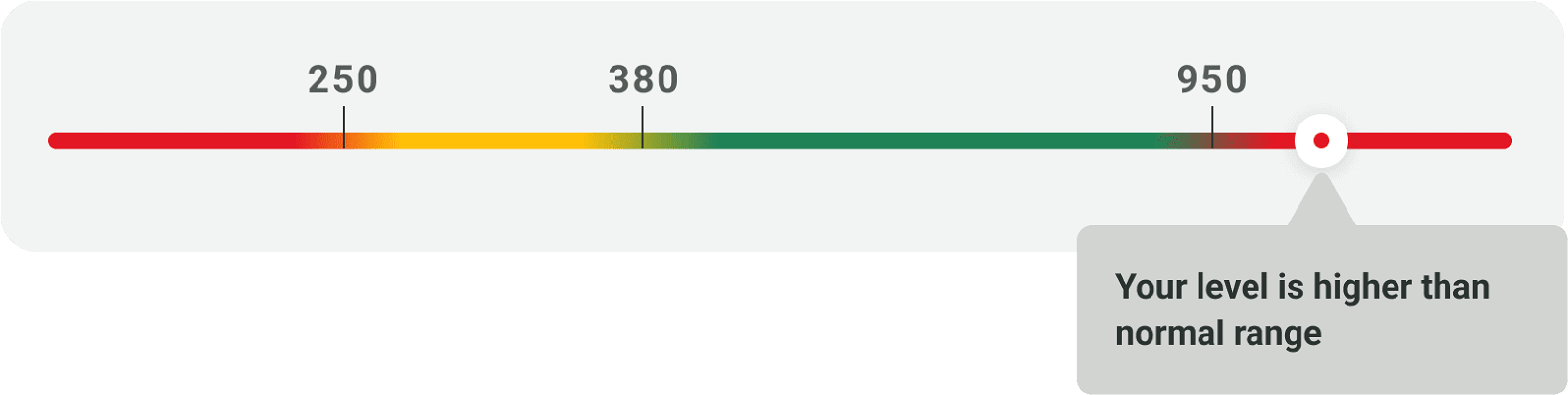

Your total testosterone level of 1138 ng/dL is greater than the normal range, and this might lead to a variety of health issues. Let's probe the implications of this raised level of an essential male hormone on various facets of your health.
Learn moreUnderstanding Normal and Optimal Testosterone Levels
Testosterone in males is measured as either "normal" or "optimal." The former falls within the medically recognized spectrum for adult males, whereas the latter highlights the most desirable levels for good health outcomes.
Your total testosterone level of 1138 ng/dL is higher than the medically accepted range. This may have consequences for your energy, sexual function, and overall health. Let's explore the possible impact of this elevation.
Keep in mind, however, that testosterone alone doesn't define health. Other elements of male well-being, such as stamina, mood, and physical strength, are equally crucial.
Unsatisfied with Your Male Health? Discover a Custom Approach
If you encounter challenges with testosterone levels or sexual health, numerous natural techniques are at your disposal to enhance your well-being.
Such methods typically revolve around wholesome lifestyle choices like eating a well-balanced diet, exercising regularly, managing stress efficiently, and sleeping adequately. Though initiating these changes alone can be daunting, The Coach App is here to assist. Focused on men's wellness, The Coach can develop a specialized and detailed strategy for you.
By responding to a few concise inquiries, we can evaluate if The Coach is an apt solution for your situation and guide you towards improved health.

Testosterone's impact on health and symptoms of imbalance
Testosterone is vital for men's overall well-being, influencing a variety of functions like muscle and bone development, fat allocation, red blood cell creation, libido, and mood stability. Ideal testosterone levels enhance energy, focus, and sexual health, acting as pillars of comprehensive wellness and liveliness.
Conversely, imbalances, whether low or high, may lead to:

Unusual Fatigue: Even with sufficient sleep, feeling extremely tired or drained may signify low testosterone.
Changes in Mood: Testosterone has the potential to affect emotions. A decrease can lead to sadness, depression, or an absence of enthusiasm.
Diminished Sexual Interest and Dysfunction: A waning desire for sex or difficulties with sexual functioning can signal low testosterone.
Altered Body Composition: Low levels may cause fat accumulation, muscle loss, and weaker bones.
Sleep Issues: Both low and high testosterone levels can lead to sleep disturbances like insomnia or sleep apnea.
If you notice any of these signs, it's crucial to consult a healthcare provider. They can accurately evaluate your symptoms and may recommend various treatments or lifestyle changes to help restore balance and improve your overall wellbeing.
Factors and Conditions Influencing Testosterone Levels
Testosterone levels might be affected by various factors, including lifestyle choices and underlying medical conditions. Knowing these can guide you in keeping optimal testosterone levels and improved health. The main aspects to consider are:
Lifestyle Factors:
Diet and Nutrition: Poor nutrition can negatively impact testosterone levels. Diets rich in lean proteins, healthy fats, fruits, vegetables, and whole grains can support hormone production.
Physical Activity: Regular exercise, especially resistance and high-intensity workouts, can positively affect testosterone.
Stress Control: Continual stress can disturb hormonal balance, including testosterone. Methods like mindfulness or yoga can help in managing stress.
Sleep Patterns: Sufficient quality sleep is necessary for hormonal balance, and a lack of it can cause a testosterone drop.
Substance Abuse: Overindulgence in alcohol and illegal drugs can negatively impact testosterone.
Health Conditions:
Obesity: A pronounced connection exists between obesity and diminished testosterone levels. Staying at a healthy weight assists in regulating testosterone.
Hormone Imbalances: Conditions impacting the endocrine system, such as hypogonadism or hyperthyroidism, can lead to testosterone fluctuations.
Chronic Diseases: Conditions like liver or kidney disease, diabetes, and HIV/AIDS can have an effect on testosterone levels.
Medications: Certain medications can affect testosterone production. Always consult a healthcare provider about potential side effects.
If these factors appear to be influencing your testosterone levels, it's crucial to seek medical assistance. Professionals can assess the situation and formulate a suitable treatment approach.
How often should I get my testosterone levels checked?
The need for checking testosterone levels often relies on factors like age, overall health, and specific symptoms. If signs of low testosterone such as fatigue, reduced sex drive, or mood shifts are present, getting tested might be wise.
Older individuals or those with medical conditions affecting testosterone may require more regular tests. Nonetheless, personalized advice from a healthcare provider is usually the best course of action.
What other tests might be useful or necessary?
In addition to checking testosterone levels, other tests may provide a more complete picture of your health. These could include:
Complete Blood Count (CBC): This test can provide information about your overall health and detect a wide range of disorders.
Lipid Profile: This test measures fats and fatty substances in your blood, which can help assess your risk of heart disease.
Blood Glucose Test: This test measures your blood sugar level and can help detect diabetes.
Thyroid Function Tests: These tests measure how well your thyroid is working and can help diagnose thyroid conditions that could affect hormone balance.
Thyroid Function Tests: These tests measure how well your thyroid is working and can help diagnose thyroid conditions that could affect hormone balance.
PSA (Prostate-Specific Antigen) Test: This test can help detect prostate issues in men, including cancer.
SHBG (Sex Hormone Binding Globulin) Test: This test can help determine how much testosterone is available in your body.
Always consult with a healthcare provider to determine which tests are most appropriate for your situation.
Which type of doctor should I consult if I am facing issues with your testosterone levels?
When faced with problems potentially linked to testosterone levels, it's in your best interest to seek the guidance of an endocrinologist. They are experts in the field of hormonal imbalances and can provide both an accurate diagnosis and tailored treatment for testosterone-related conditions.
What is a normal total testosterone level for men?
Normal testosterone levels can vary depending on age, lifestyle, and overall health. On average, adult males typically have testosterone levels between 250 to 950 ng/dL, with an average level of 600 ng/dL. However, optimal health is often associated with levels higher than 380 ng/dL. It's important to note that these are average numbers, and individual values can differ. If you have any concerns about your testosterone level, you should consult a healthcare provider.
Enhance Your Male Well-being with The Coach
With The Coach, you gain access to a wealth of resources designed to enhance your male well-being. Whether you're looking to improve your testosterone levels, increase your energy, or simply feel better overall, The Coach is here to guide you every step of the way. Start your journey towards optimal men's health with The Coach today.
Start your program