


Menu


1120 ng/dL
of total testosterone
is higher than normal
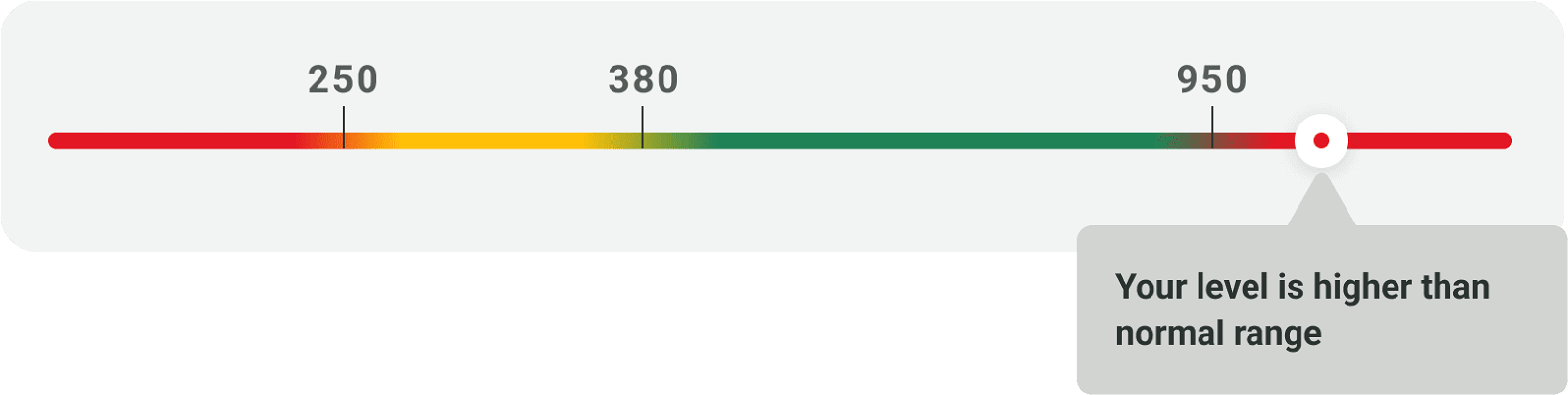

A total testosterone level of 1120 ng/dL, higher than the normal range, might have multiple health implications. Let's thoroughly examine the possible effects of this increased level of a vital male hormone on your general wellness.
Learn moreUnderstanding Normal and Optimal Testosterone Levels
Testosterone levels in men are classified into two groups: "normal" and "optimal." Normal encompasses the medically sanctioned range for adult men, while optimal signifies the best levels for overall well-being.
With a total testosterone level of 1120 ng/dL, you're exceeding the normal range, which can affect energy, sexual responsiveness, and overall wellness. Let's investigate the possible ramifications of these elevated levels.
Remember, testosterone is not the only barometer of health. Along with it, other aspects like energy levels, mental well-being, and physical fortitude also play significant roles in male health.
Unsatisfied with Your Male Health? Discover a Custom Approach
If you encounter challenges with testosterone levels or sexual health, numerous natural techniques are at your disposal to enhance your well-being.
These approaches often include lifestyle shifts like maintaining a nutritious diet, participating in regular physical activities, keeping stress under control, and ensuring quality sleep. It can be a complex task to undertake these changes without guidance, but The Coach App, specializing in men's health, offers a personalized and complete plan adapted to your unique situation.
By answering a few short questions, we can determine if The Coach is the right solution for your needs and provide guidance on how you can improve your overall health.

Testosterone's impact on health and symptoms of imbalance
Testosterone is vital for men's overall well-being, influencing a variety of functions like muscle and bone development, fat allocation, red blood cell creation, libido, and mood stability. Ideal testosterone levels enhance energy, focus, and sexual health, acting as pillars of comprehensive wellness and liveliness.
On the other hand, low or high testosterone levels can lead to a variety of health problems. Here are some potential signs of testosterone imbalance:

Persistent Fatigue: Unusual tiredness or energy depletion, despite adequate sleep, may be a symptom of low testosterone.
Mood Swings: Feelings of despondency or apathy may indicate low levels.
A Decline in Sexual Desire: A drop in libido or issues with sexual function may reflect low levels.
Altered Body Composition: Low levels may cause fat accumulation, muscle loss, and weaker bones.
Disrupted Sleep: Sleep irregularities such as insomnia or sleep apnea might result from either low or high testosterone levels.
Consultation with a healthcare provider is vital if these symptoms arise, as they can prescribe suitable treatments or recommend lifestyle shifts.
Factors and Conditions Influencing Testosterone Levels
Numerous factors, including habits and health issues, can sway testosterone levels. A grasp of these factors can guide you in preserving ideal testosterone levels and enhance your overall wellness. Key considerations include:
Lifestyle Factors:
Diet and Nutrition: Poor nutrition can negatively impact testosterone levels. Diets rich in lean proteins, healthy fats, fruits, vegetables, and whole grains can support hormone production.
Fitness Routine: Activities such as resistance and high-intensity interval exercises can increase testosterone.
Stress Management: Persistent stress can disrupt hormonal equilibrium, including testosterone. Techniques like yoga and mindfulness can alleviate stress.
Rest: Adequate sleep is vital for hormone formation, and lack of sleep can suppress testosterone.
Alcohol and Drugs: Excessive use of alcohol and illegal drugs can have a detrimental effect on testosterone.
Health Conditions:
Weight Issues: Obesity has been found to correlate strongly with low testosterone. Keeping weight in the healthy range helps manage testosterone levels.
Endocrine Disorders: Certain disorders like hypogonadism and hyperthyroidism that impact the endocrine system may cause testosterone to vary.
Long-term Ailments: Chronic conditions including liver or kidney disease, diabetes, and HIV/AIDS might affect testosterone.
Prescription Drugs: Some medications can influence the production of testosterone. It's recommended to discuss potential side effects with a healthcare professional.
Should you believe any of these elements are affecting your testosterone, consulting with a medical professional is vital. They can pinpoint underlying problems and craft an individualized treatment strategy.
How often should I get my testosterone levels checked?
The need for checking testosterone levels often relies on factors like age, overall health, and specific symptoms. If signs of low testosterone such as fatigue, reduced sex drive, or mood shifts are present, getting tested might be wise.
Frequent checks might be suggested for older men or those with health concerns affecting testosterone levels. However, the most appropriate recommendation will come from a consultation with a healthcare provider specific to your circumstances.
What other tests might be useful or necessary?
In addition to checking testosterone levels, other tests may provide a more complete picture of your health. These could include:
Complete Blood Count (CBC): This test can provide information about your overall health and detect a wide range of disorders.
Lipid Profile: This test measures fats and fatty substances in your blood, which can help assess your risk of heart disease.
Blood Glucose Test: This test measures your blood sugar level and can help detect diabetes.
Thyroid Function Tests: These tests measure how well your thyroid is working and can help diagnose thyroid conditions that could affect hormone balance.
Thyroid Function Tests: These tests measure how well your thyroid is working and can help diagnose thyroid conditions that could affect hormone balance.
PSA (Prostate-Specific Antigen) Test: This test can help detect prostate issues in men, including cancer.
SHBG (Sex Hormone Binding Globulin) Test: This test can help determine how much testosterone is available in your body.
Always consult with a healthcare provider to determine which tests are most appropriate for your situation.
Which type of doctor should I consult if I am facing issues with your testosterone levels?
When experiencing difficulties that could be related to testosterone levels, turning to an endocrinologist is advisable. An expert in hormonal imbalances, an endocrinologist can pinpoint and manage conditions that involve testosterone levels.
What is a normal total testosterone level for men?
Normal testosterone levels can vary depending on age, lifestyle, and overall health. On average, adult males typically have testosterone levels between 250 to 950 ng/dL, with an average level of 600 ng/dL. However, optimal health is often associated with levels higher than 380 ng/dL. It's important to note that these are average numbers, and individual values can differ. If you have any concerns about your testosterone level, you should consult a healthcare provider.
Enhance Your Male Well-being with The Coach
With The Coach, you gain access to a wealth of resources designed to enhance your male well-being. Whether you're looking to improve your testosterone levels, increase your energy, or simply feel better overall, The Coach is here to guide you every step of the way. Start your journey towards optimal men's health with The Coach today.
Start your program